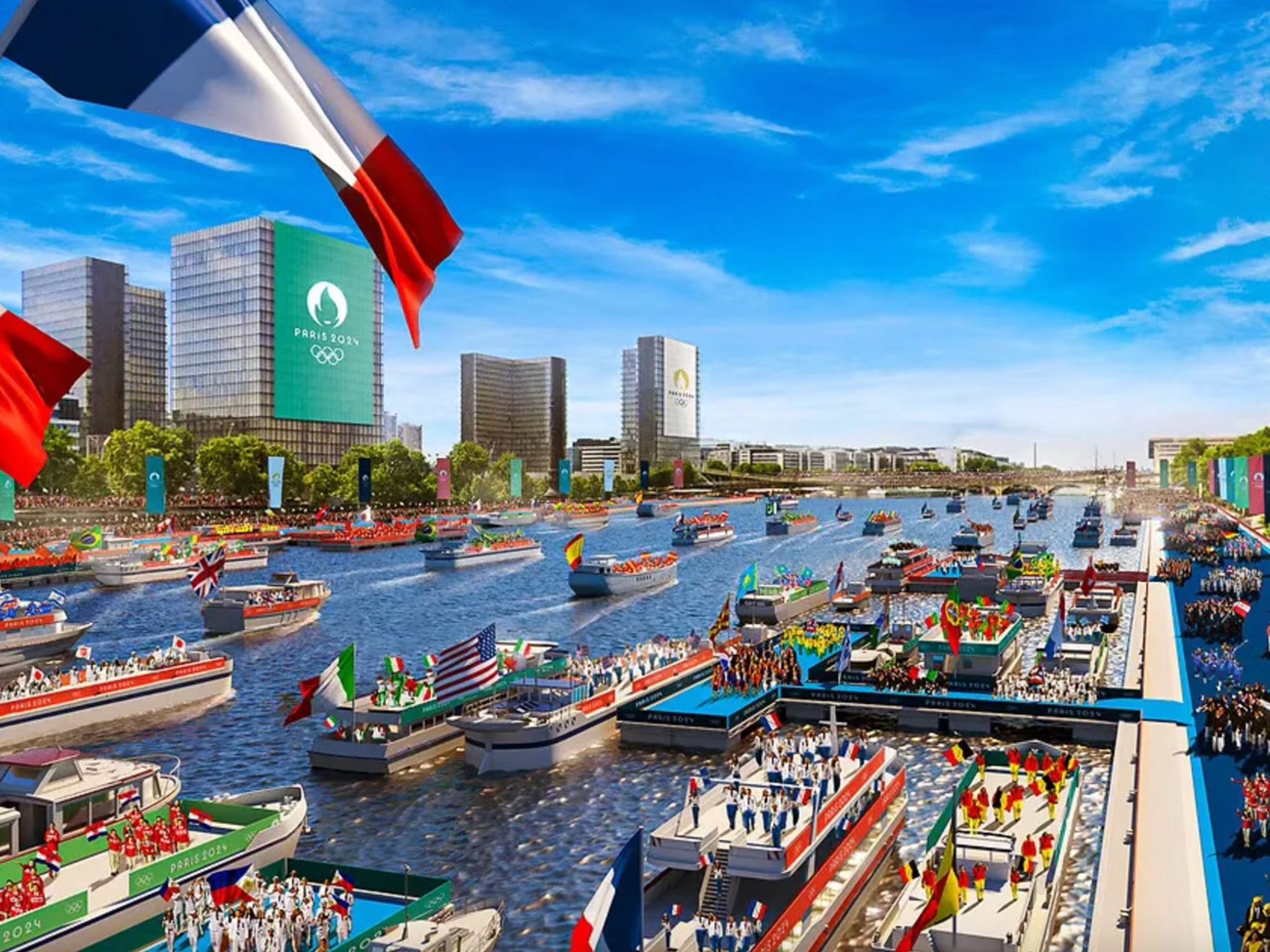
The Seine, the backbone of Paris’ Olympic celebrations, is being reclaimed as a recreational and transport hub. Does it mean Napoleon’s dream of a “Greater Paris” stretching all the way to the sea will finally happen?
 Worldcrunch
The Seine, the backbone of Paris’ Olympic celebrations, is being reclaimed as a recreational and transport hub. Does it mean Napoleon’s dream of a “Greater Paris” stretching all the way to the sea will finally happen?
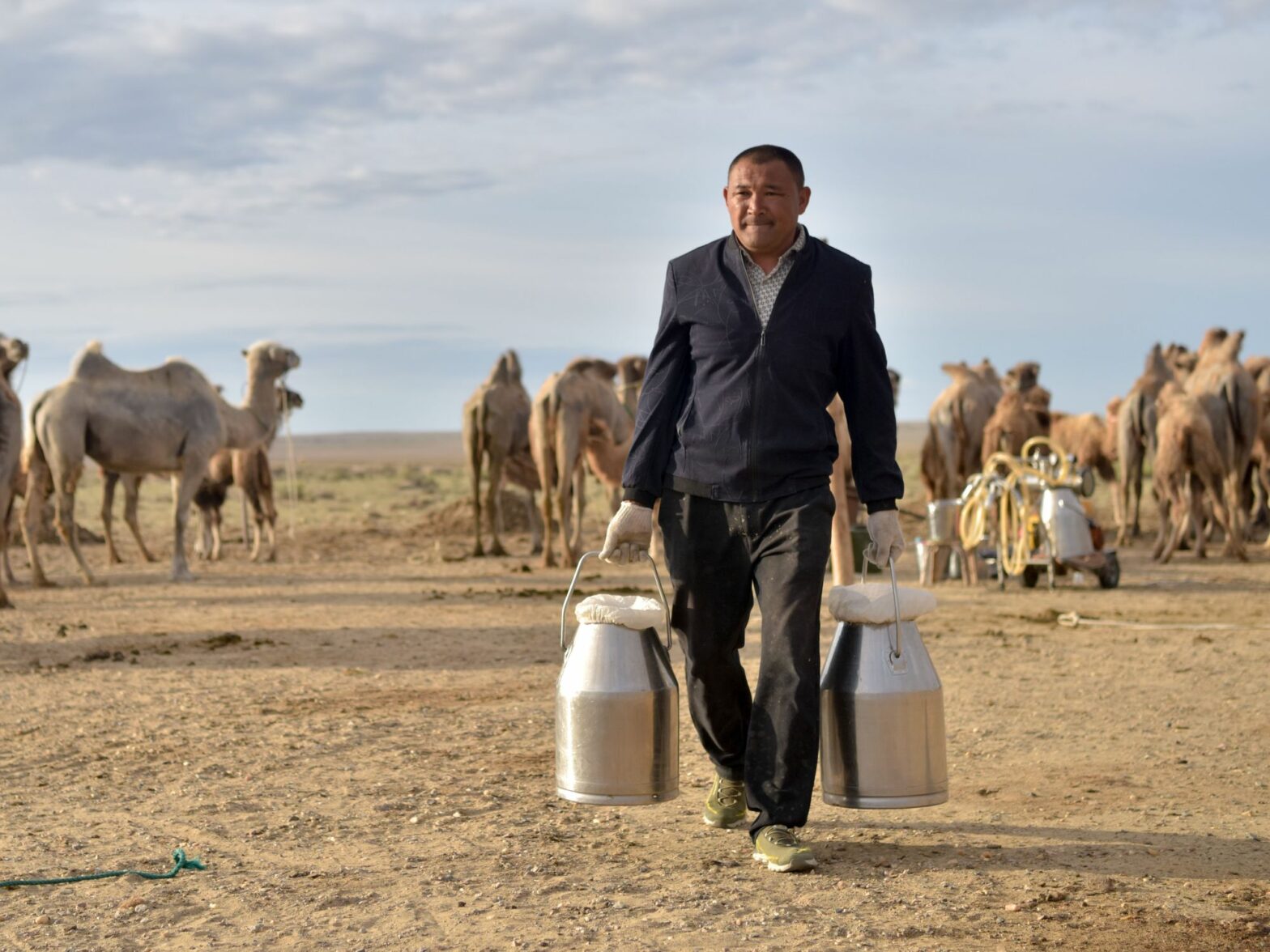
Camels’ resilience to climate change and increasingly sought-after milk make them more and more attractive for intensive farming in the Middle East. But this shift could prove detrimental to both the environment and the region’s traditional camel herding.
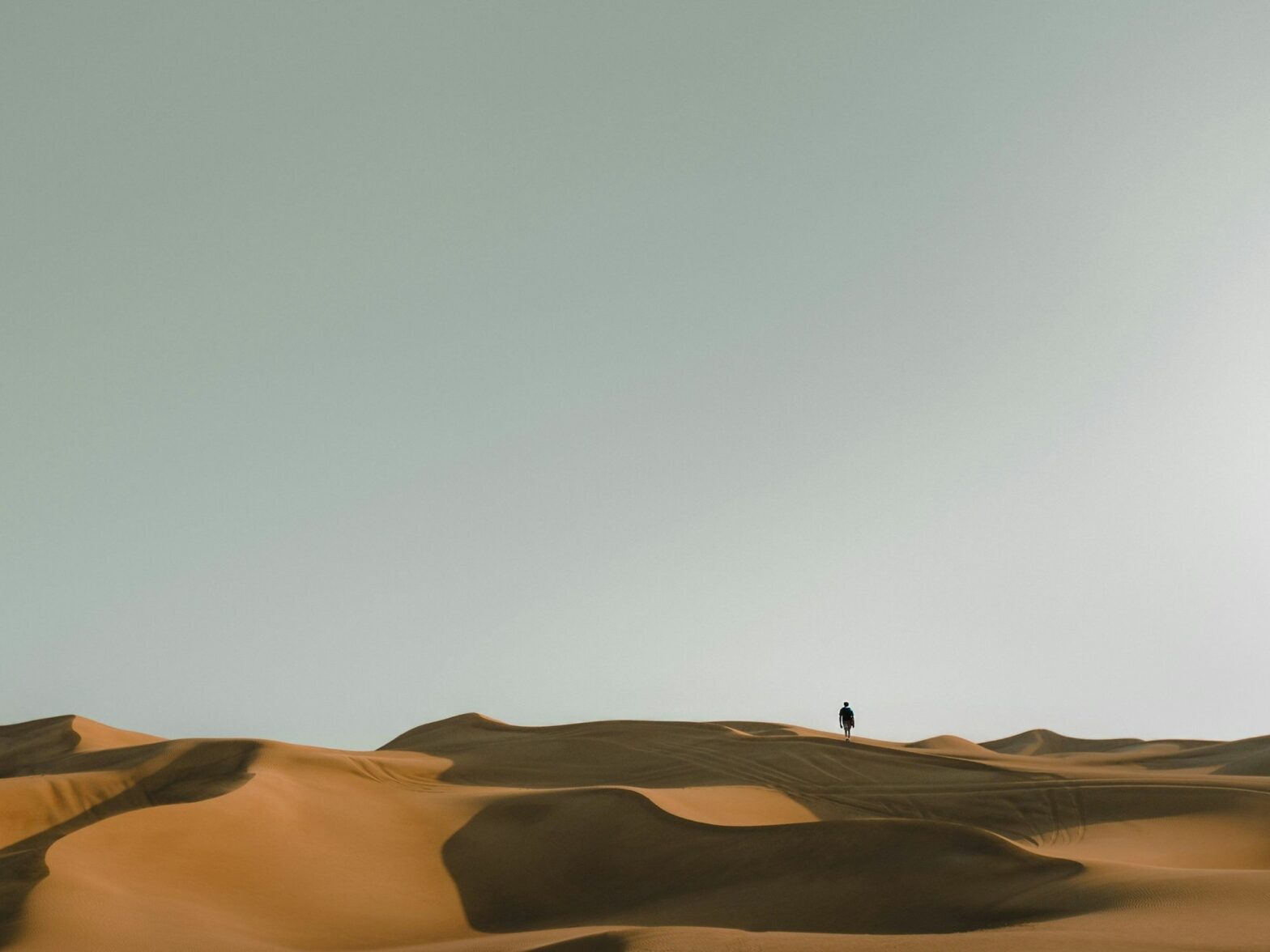
David Thomas, Professor of Geography at the University of Oxford, has been studying dunes for the past 40 years. And no, they’re not “just sand” — far from it.
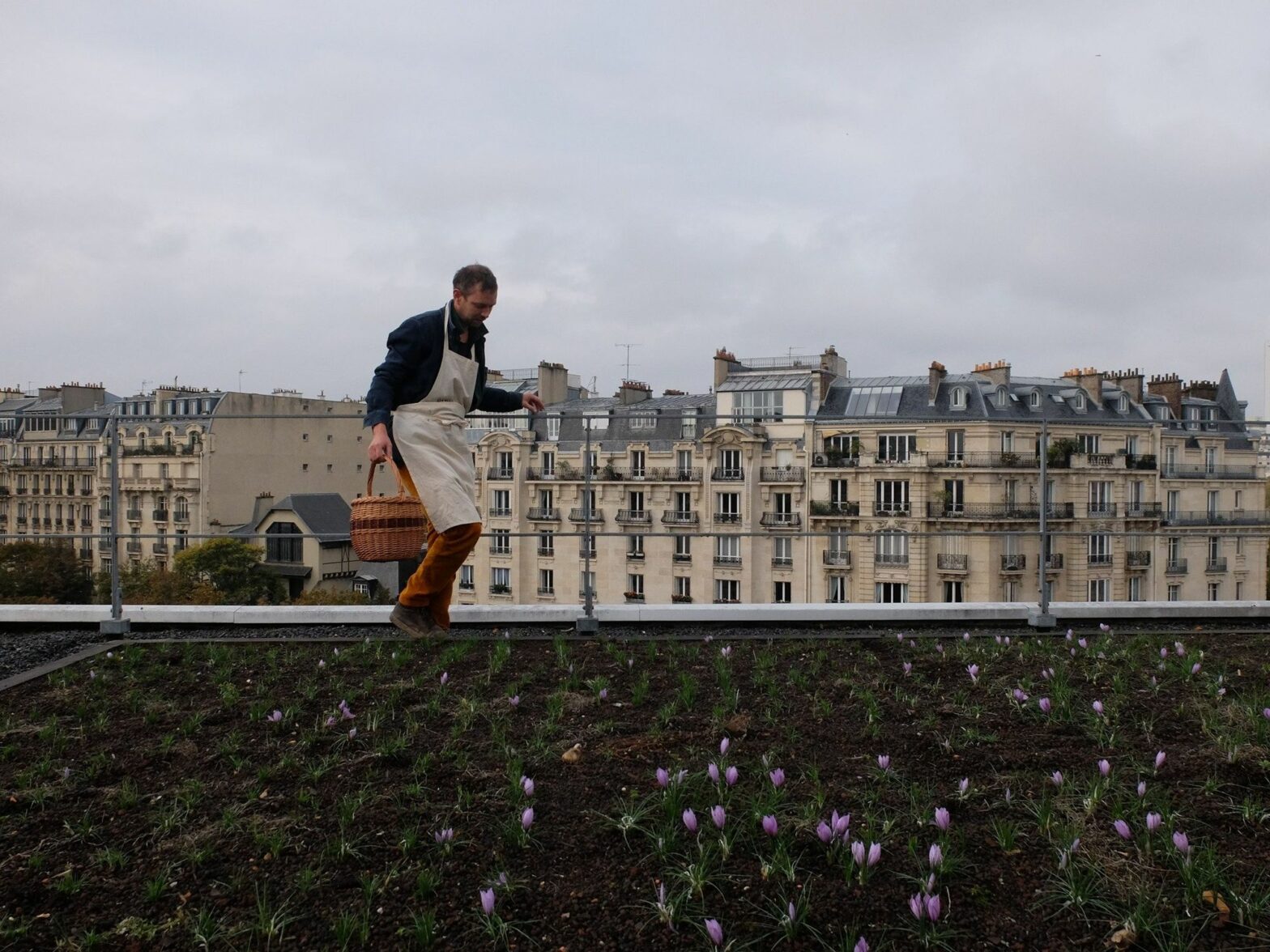
How can we make the city both more dense and more liveable? By opening up its rooftops! At a time of land scarcity and global warming, this vast reservoir of largely unused land is the focus of much interest.
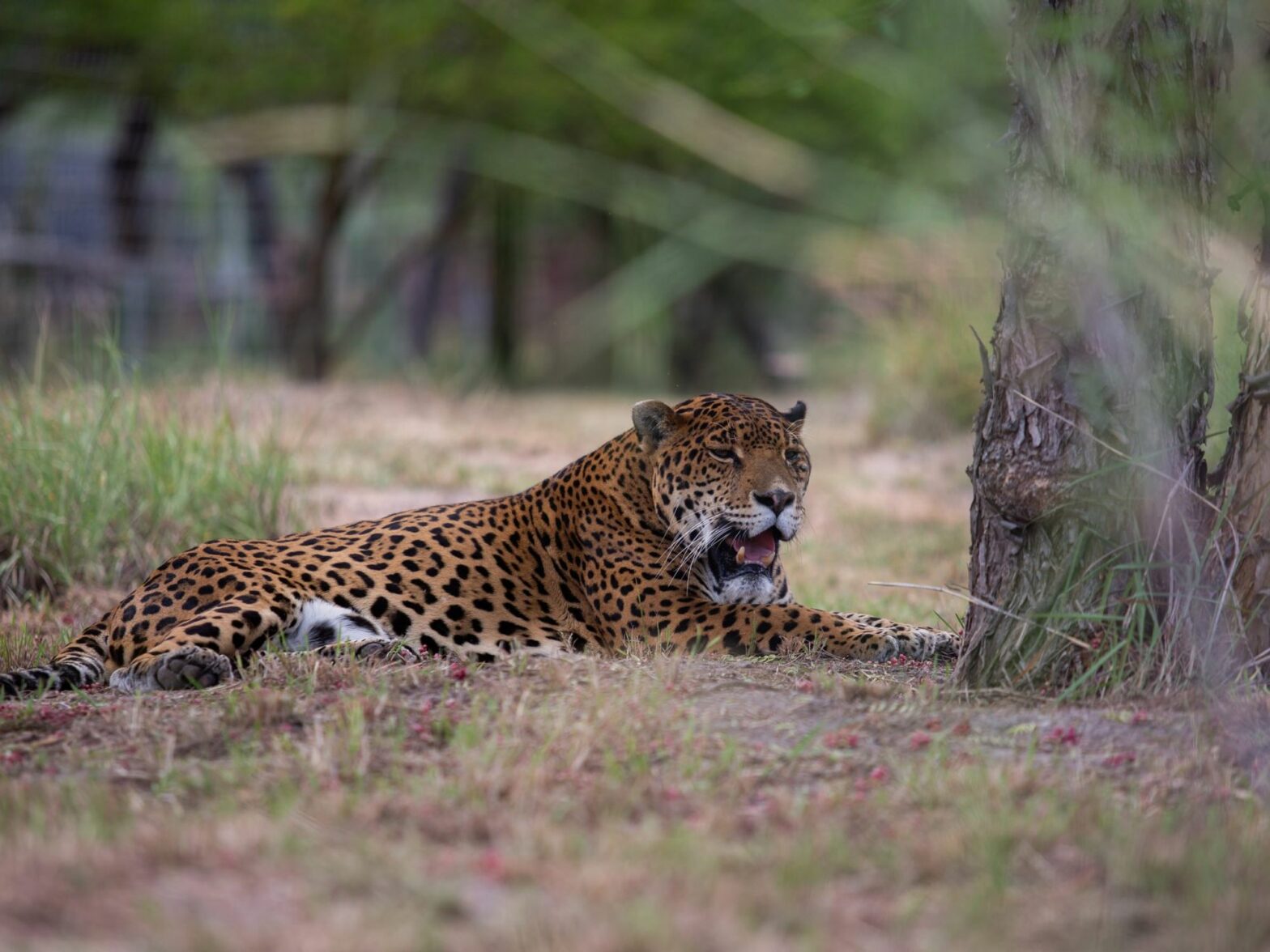
A government mega-project could push the country’s big cats closer to extinction — an outcome that would have devastating ripple effects on the local ecosystem.
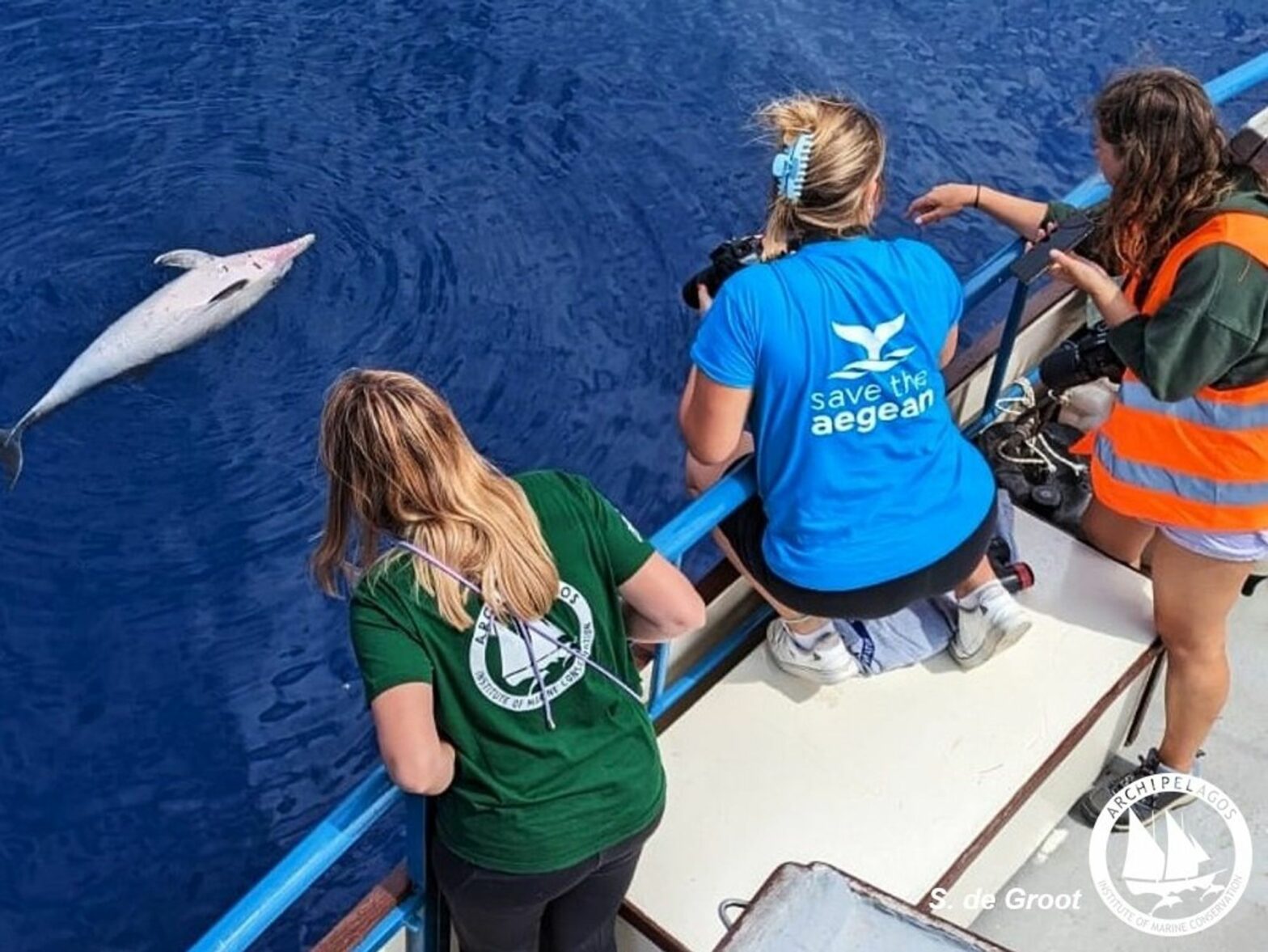
For more than 20 years, the Greek NGO Archipelagos has been monitoring the unique ecosystems and desertified areas of the Aegean Sea, the arm of the Mediterranean between Greece and Turkey. A ride along on the association’s main ship, the Aegean Explorer, reveals the effects of climate change, plastic pollution and industrial fishing.
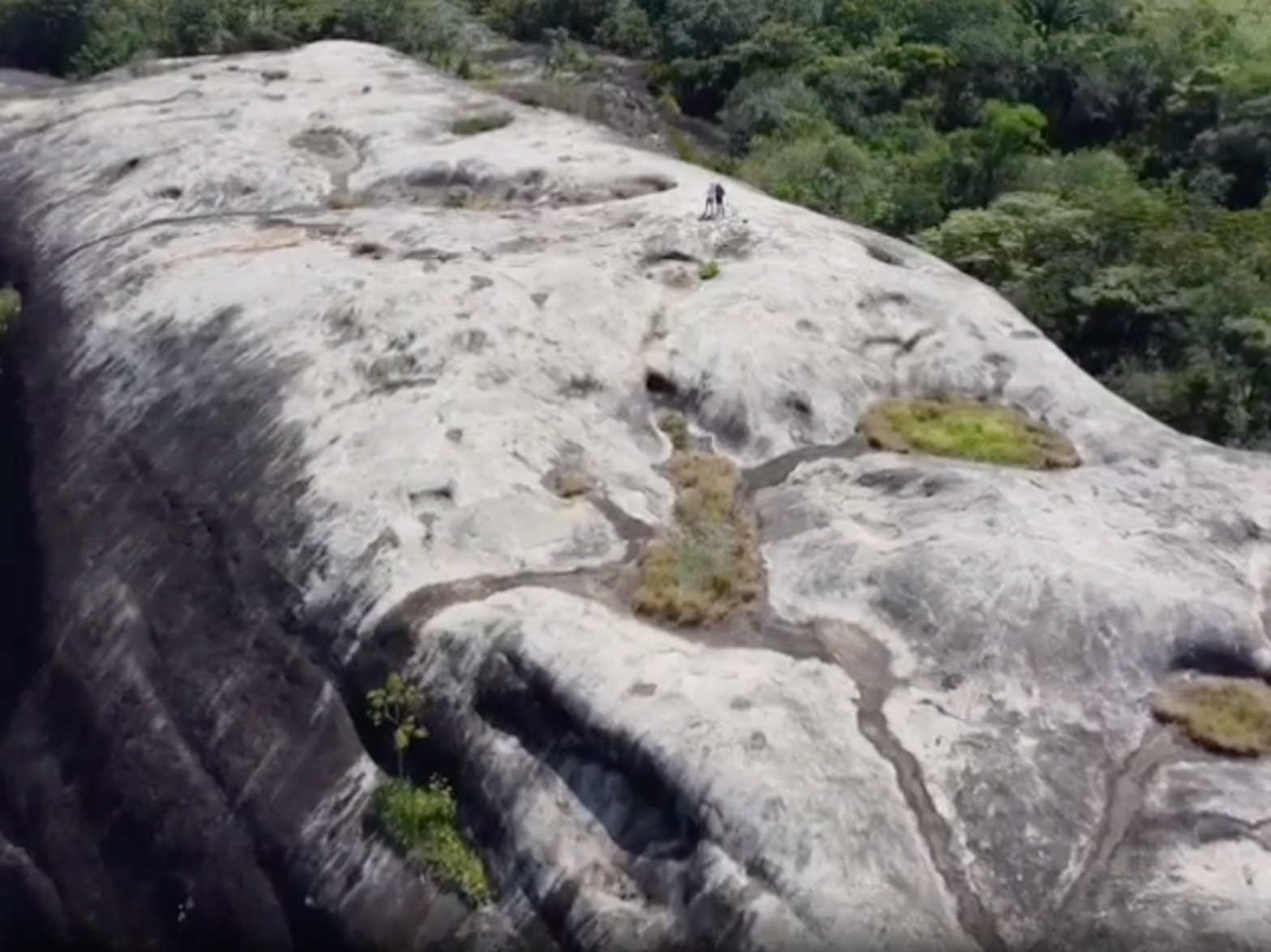
Following the announcement of Colombia’s first rare earths mining project, Climate Tracker reports on the incomplete licenses, unreal expectations, bad relationships with indigenous populations and suspicion of planted minerals that surround the venture, which seeks to extract minerals critical for the energy transition.
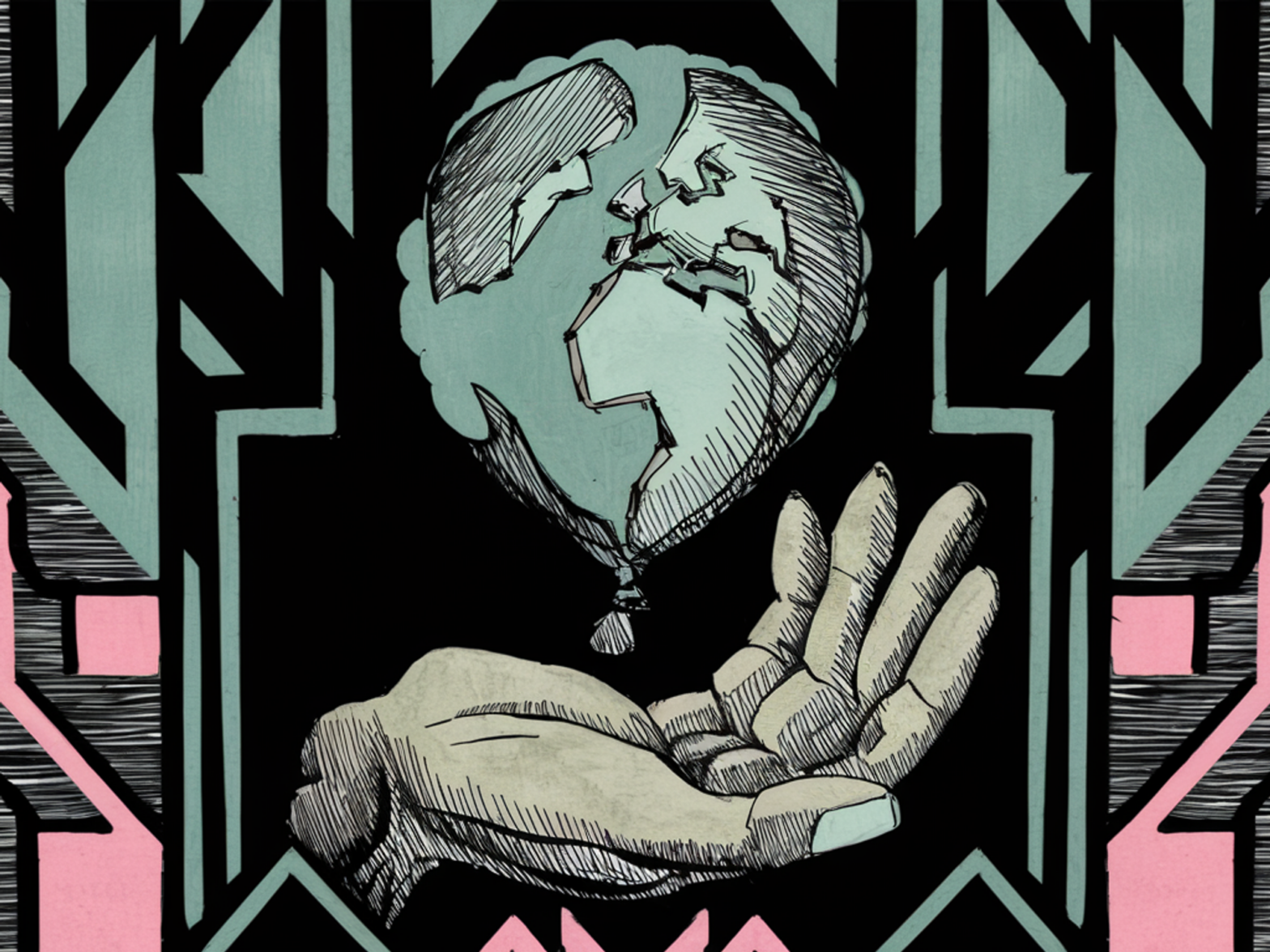
Emilio Santiago, senior scientist at the CSIC and author of the book Contra El Mito Del Colapso Ecológico (Against The Myth Of The Ecological Collapse), believes that downplaying the importance of the climate crisis is as suicidal as letting yourself be carried away by paralyzing fear. Ecological collapse, he warns, is counterproductive to the transformation of our economic model.
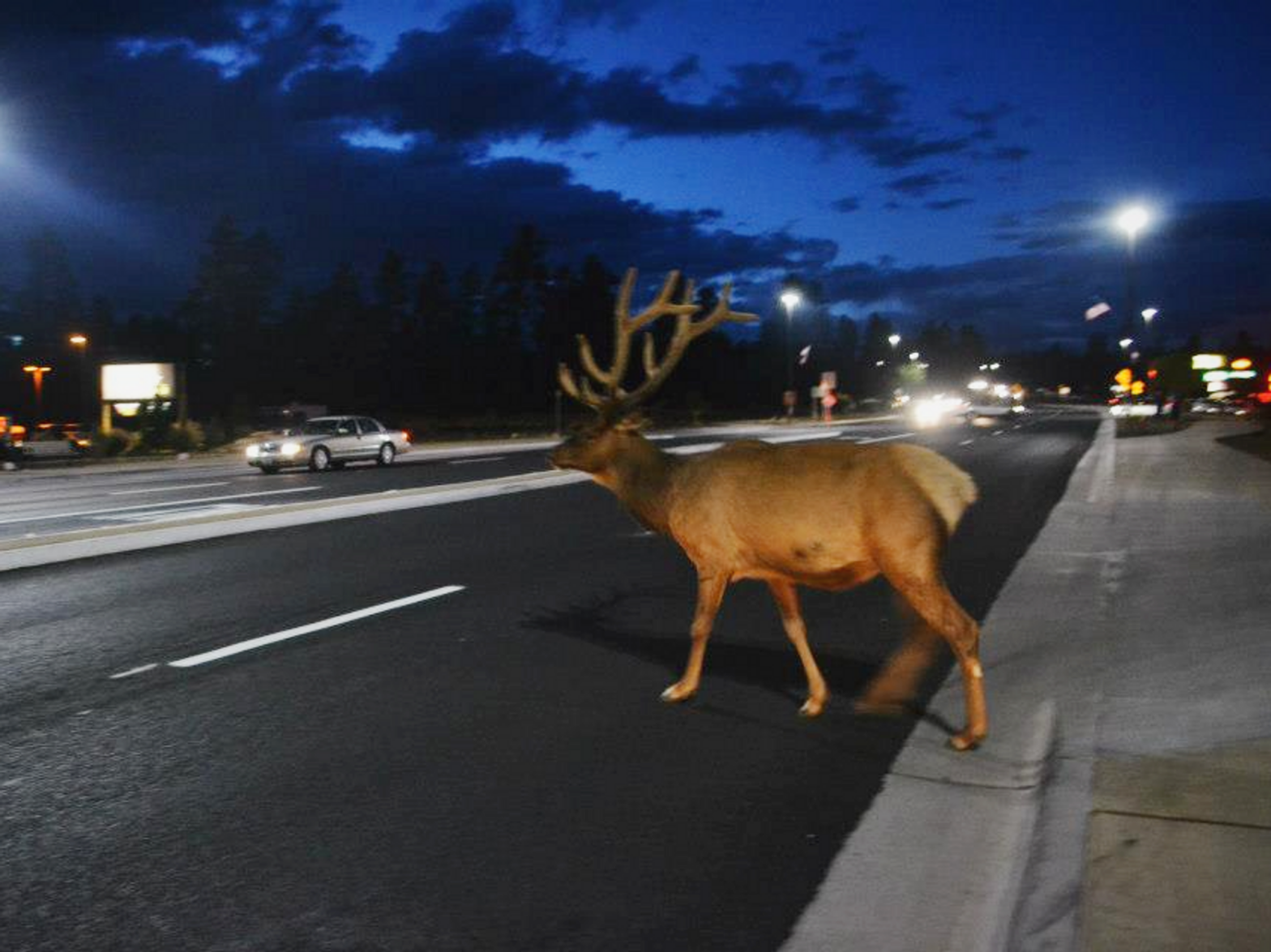
An elephant in the street in India, otters on the beach in Cape Town, wild boars in Rome, big cats in Colombia cities, polar bears in Russian towns: a series of factors, including climate change and urbanization, is creating unlikely encounters between humans and the rest of the animal kingdom.
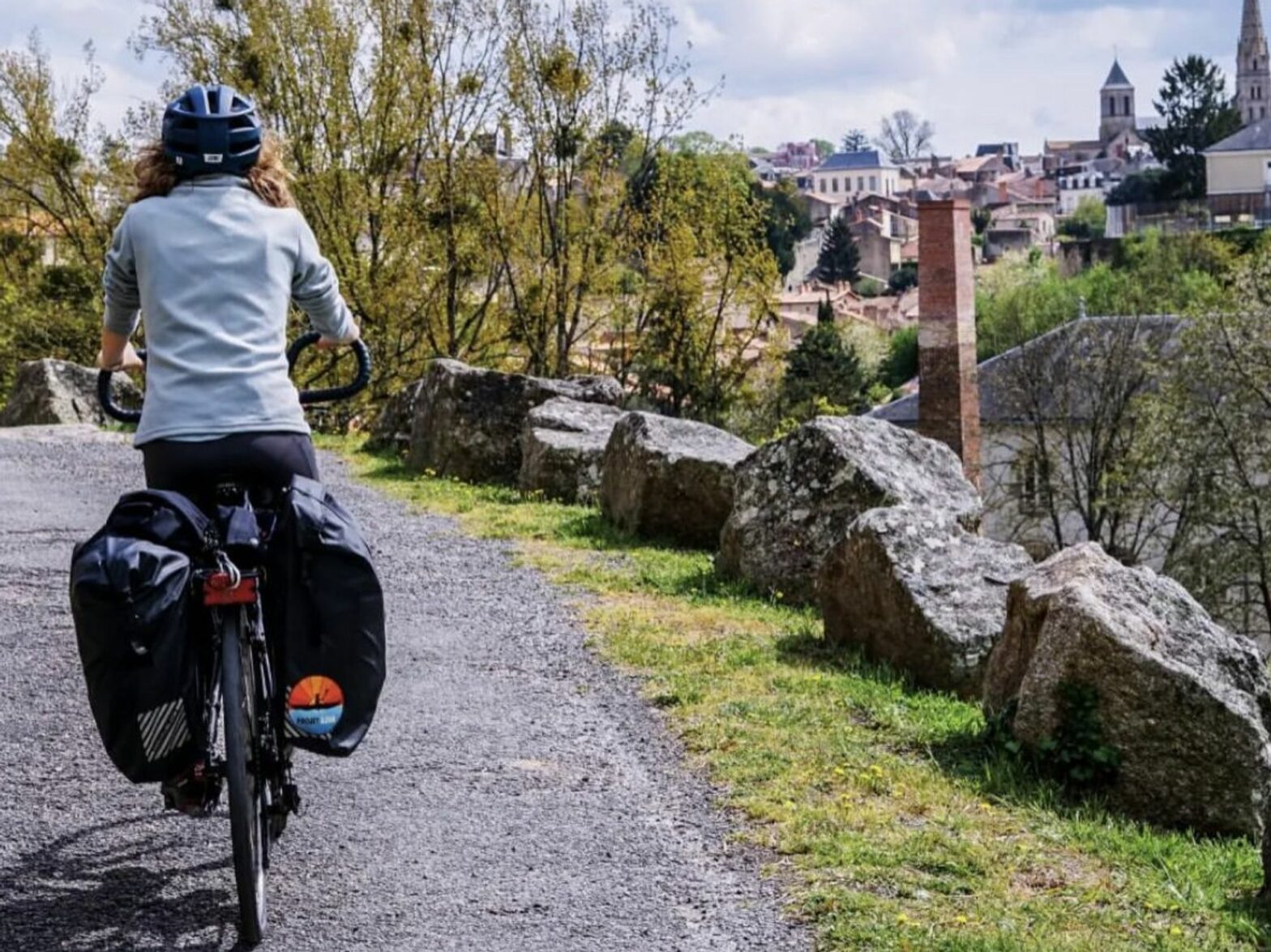
The climate crisis could provide an opportunity to invent a new way of discovering the world that is more local and sustainable.
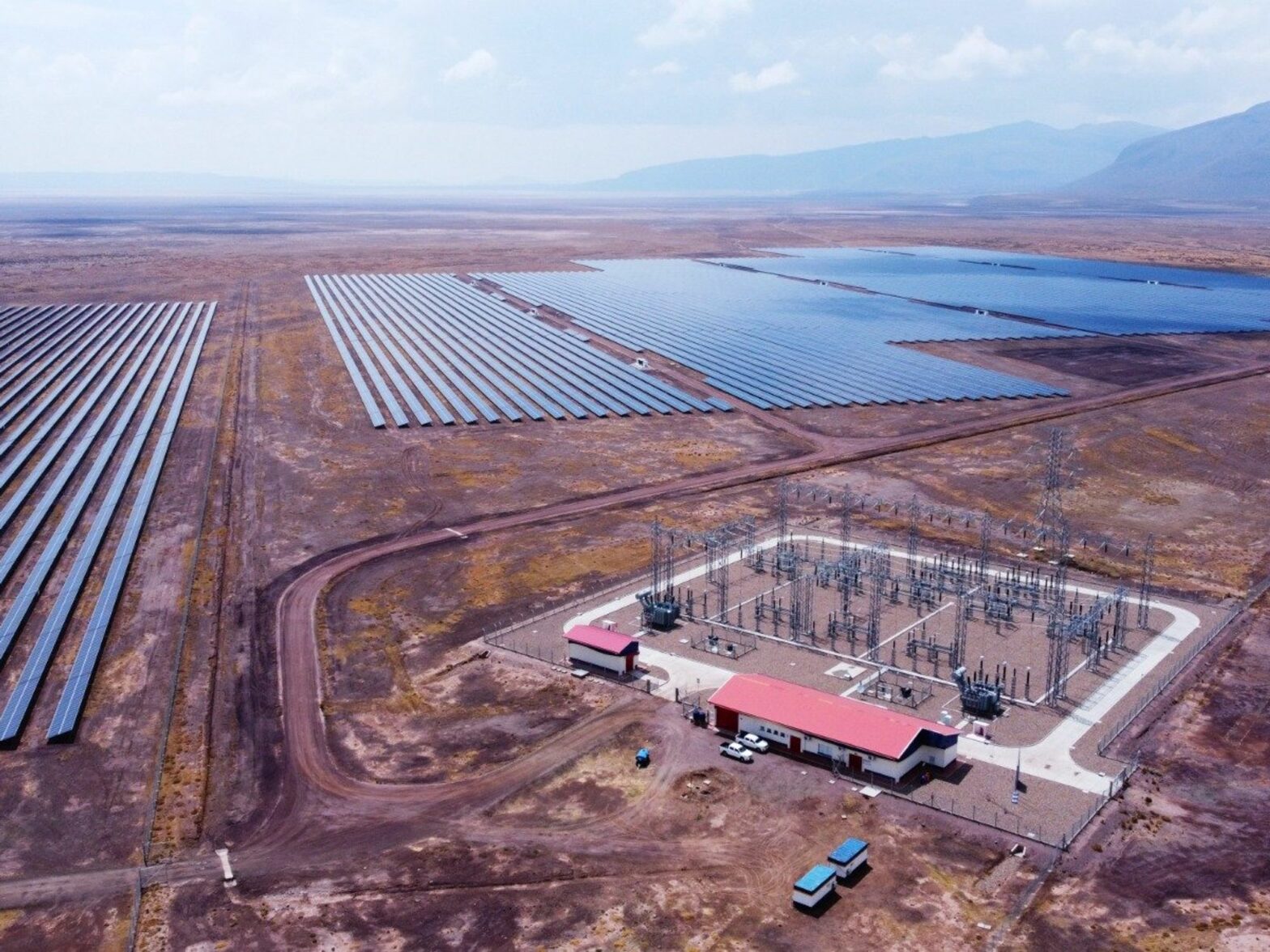
To allow for 300,000 photovoltaic solar panels in the western Bolivian town of Ancotanga, local inhabitants gave up land in exchange for promises of jobs and healthcare — that they are still waiting to see.
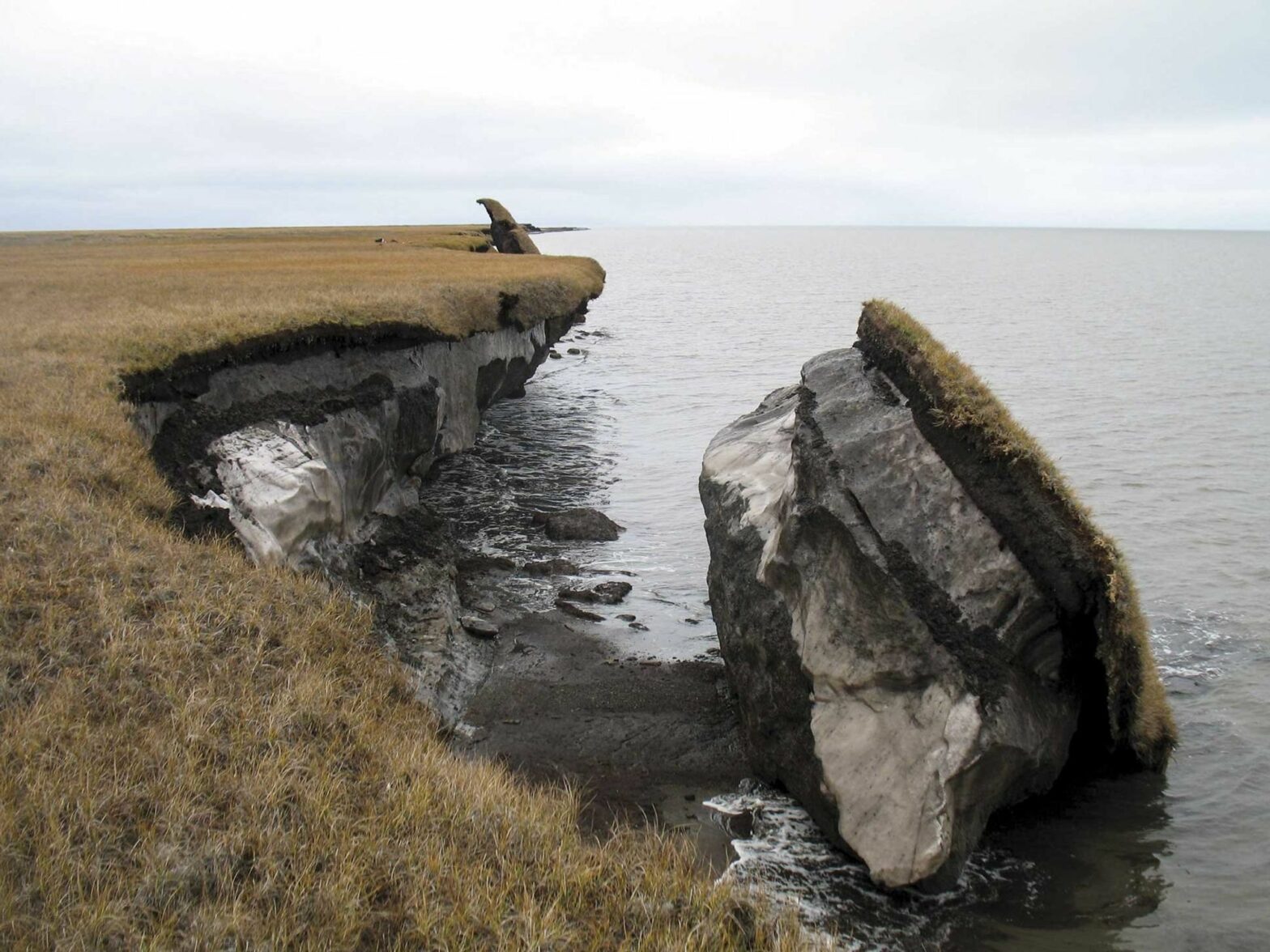
French researchers have recovered a pair of viruses that were long frozen below the Siberian tundra. In this case, the microorganisms are harmless, but others may not be.
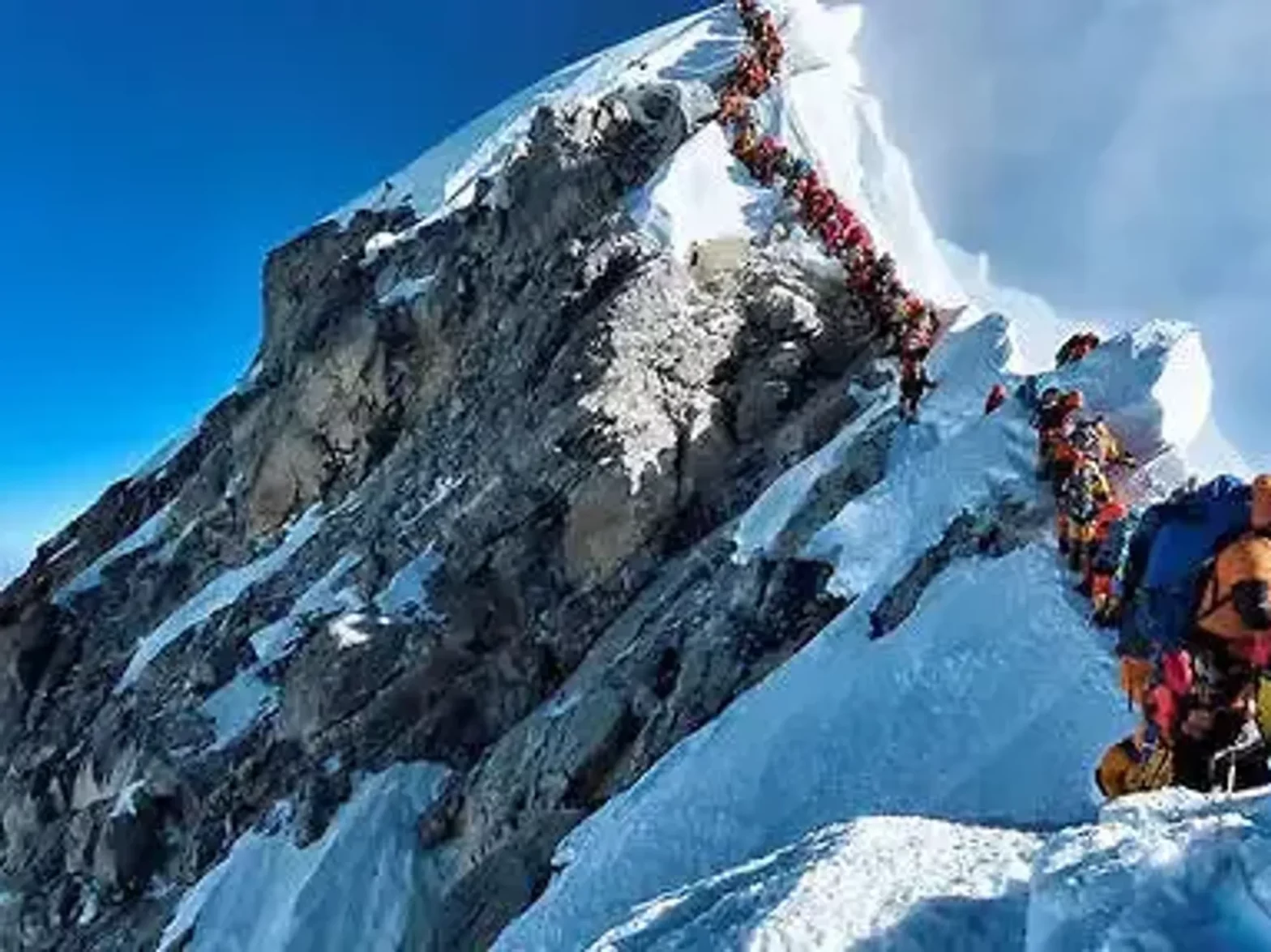
From setting new rules, imposing tolls and fines, local officials in some of the world’s most desirable tourist spots are trying to figure out the right balance to keep visitors coming without ruining the environment, or the experience.
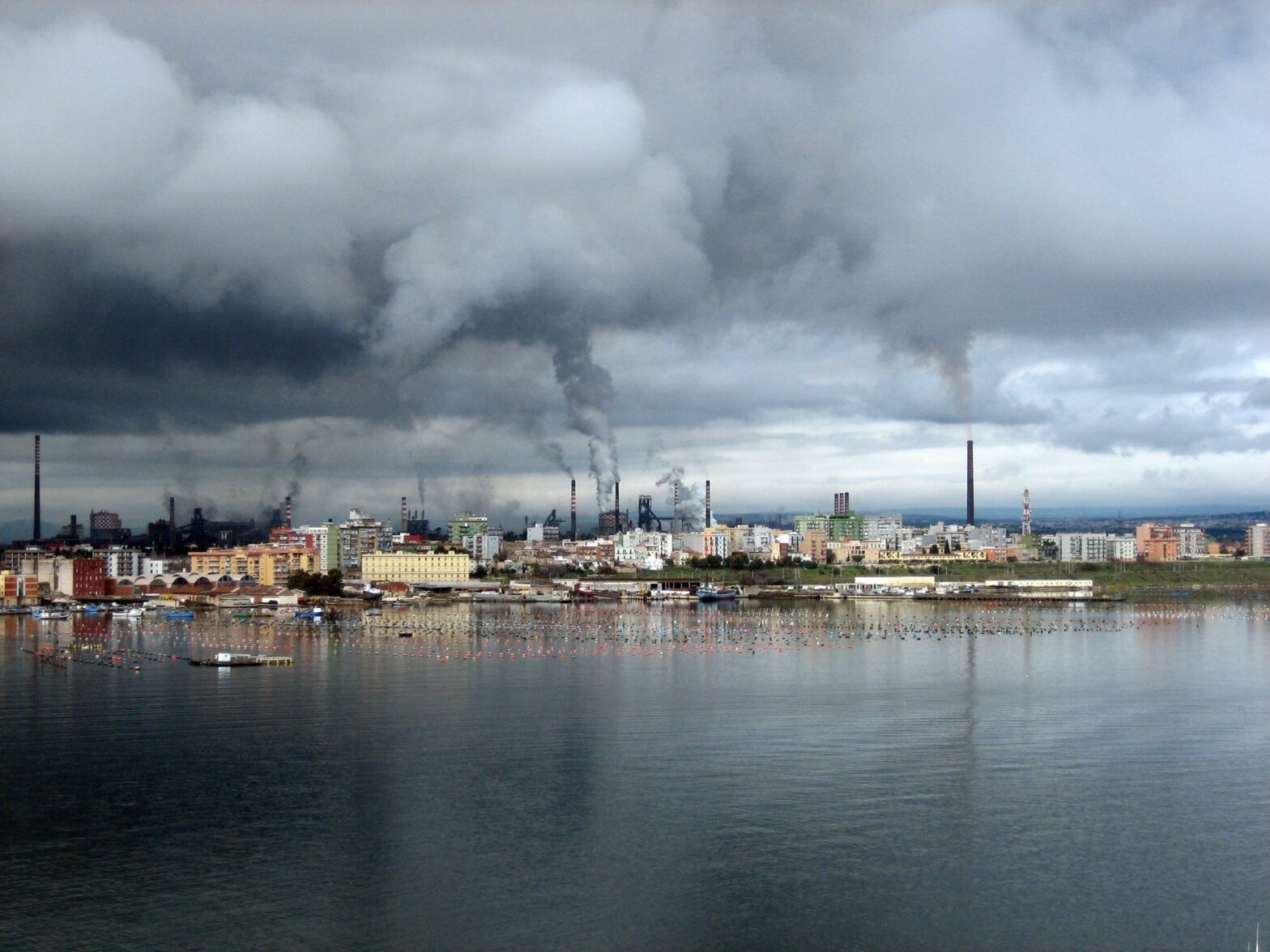
The industrial port in the southern Italian region of Puglia is also home to the massive Ilva steel plant, which has risked closure in part because of its damage to the environment and public health. But Taranto lives up to its nickname of the city of contradictions.
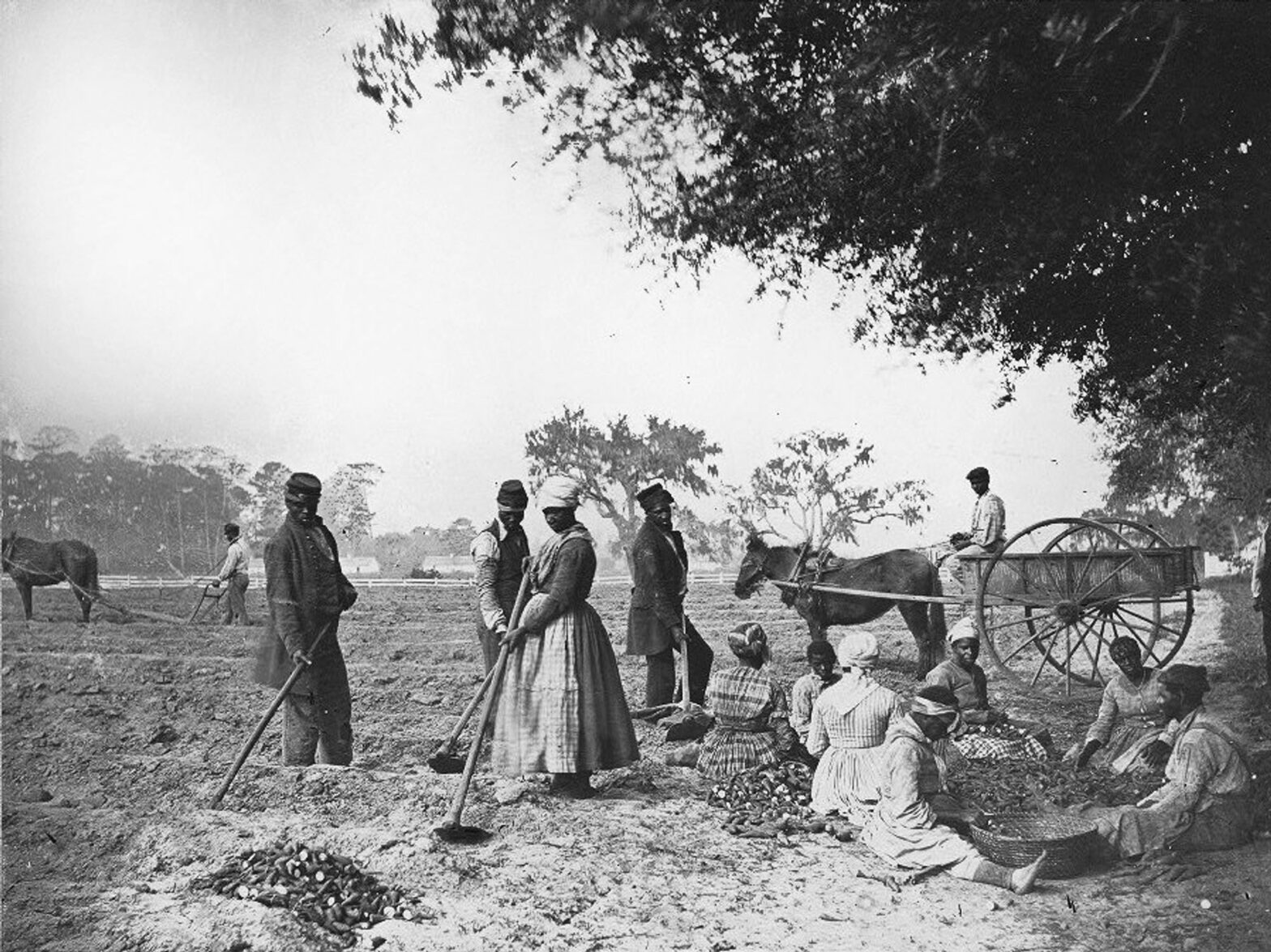
Greta Thunberg tapped into an growing area of scholarship when she wrote recently that to save the planet, we first need to dismantle ‘colonial, racist, and patriarchal systems of oppression.’
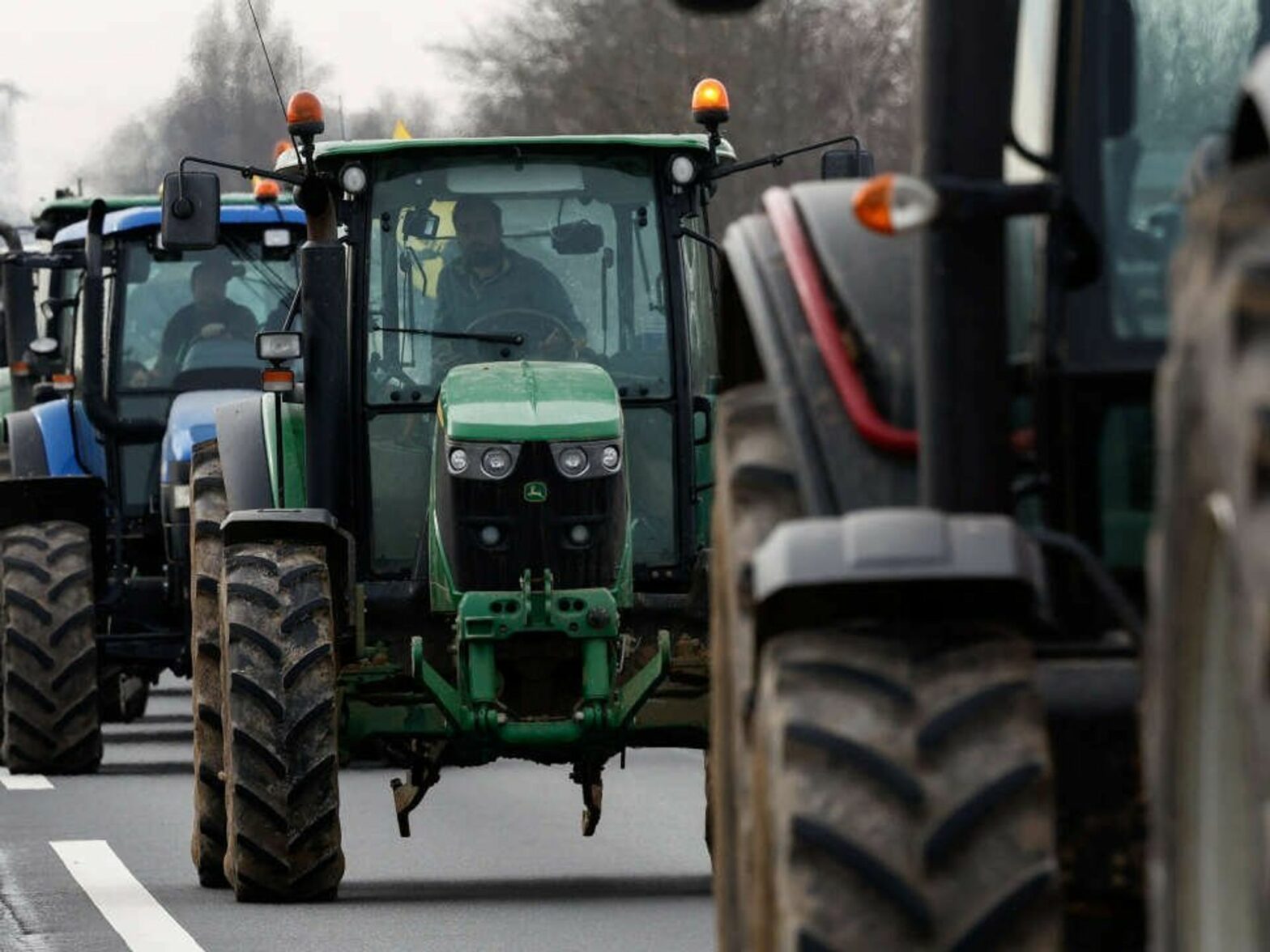
Haute-Garonne is the starting point of the movement that is now engulfing the entire industry. We report on farmers on the front line of a crisis that has gone national.
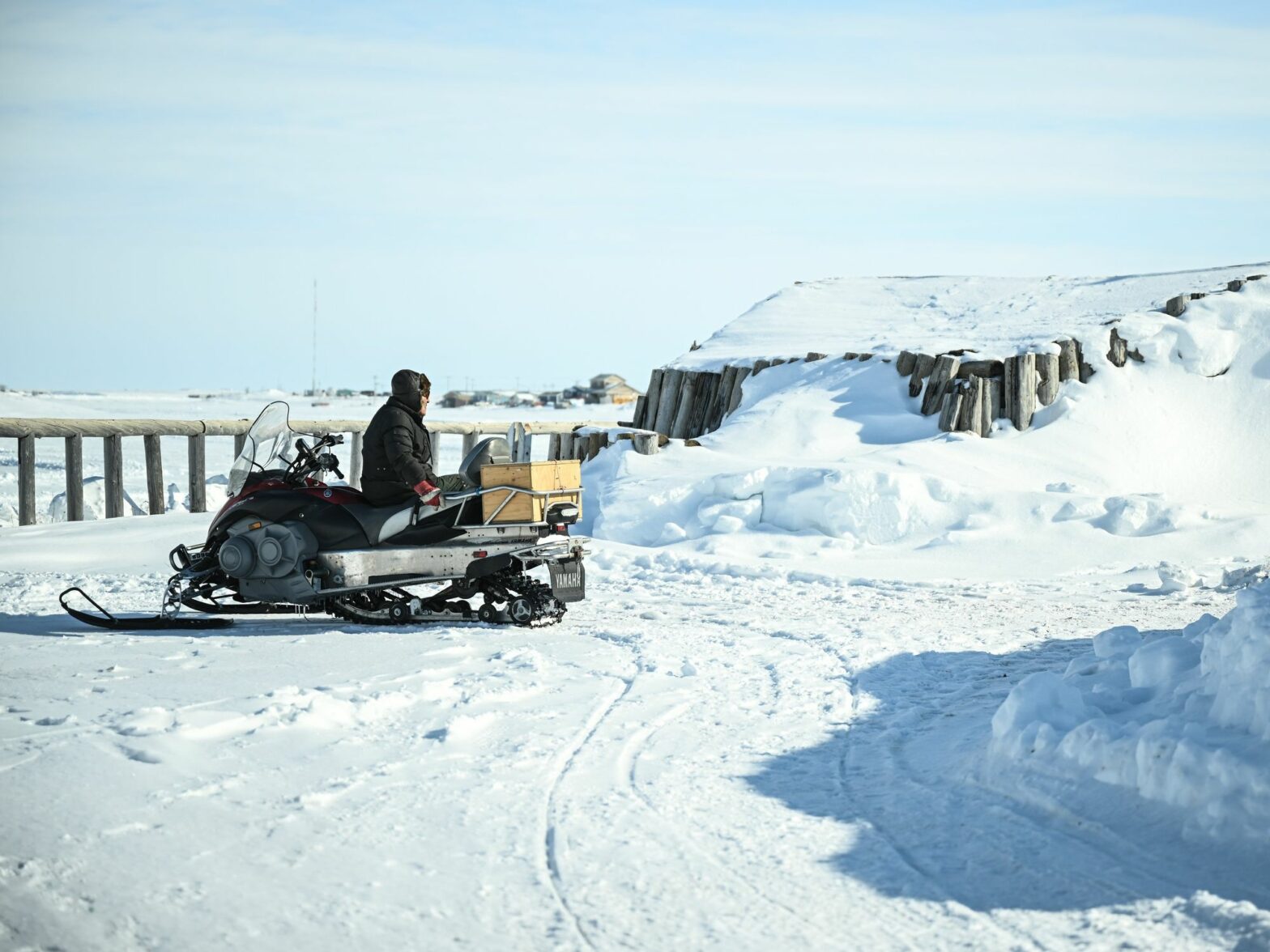
In the Canadian Arctic, two ambitious research initiatives try to strengthen climate data through community engagement.
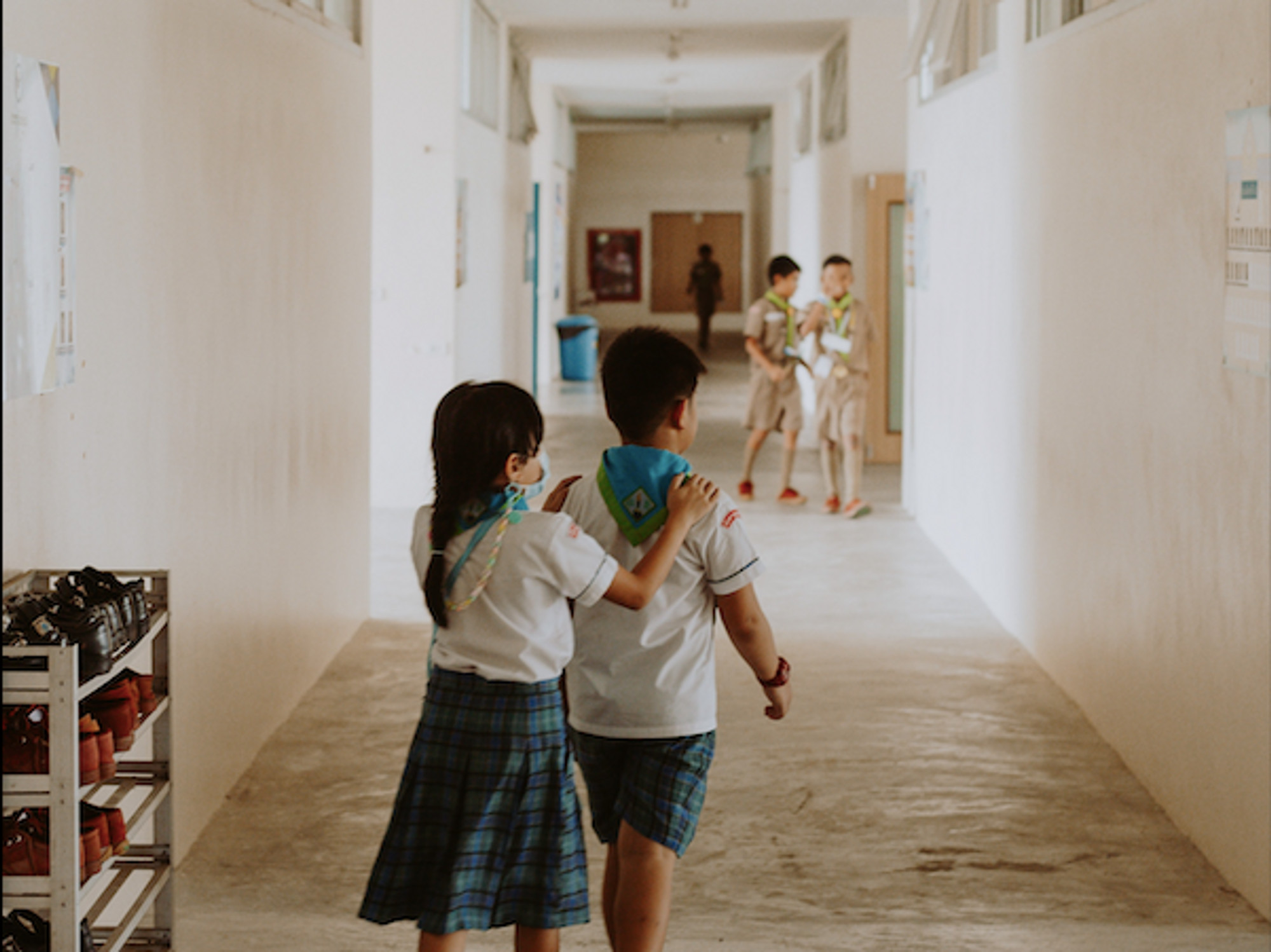
For decades, countries like Germany have resisted implementing school uniforms. But dress codes in schools are not just for the elite. They can help reduce social stigma for students living in poverty, as well as helping fight the climate crisis.
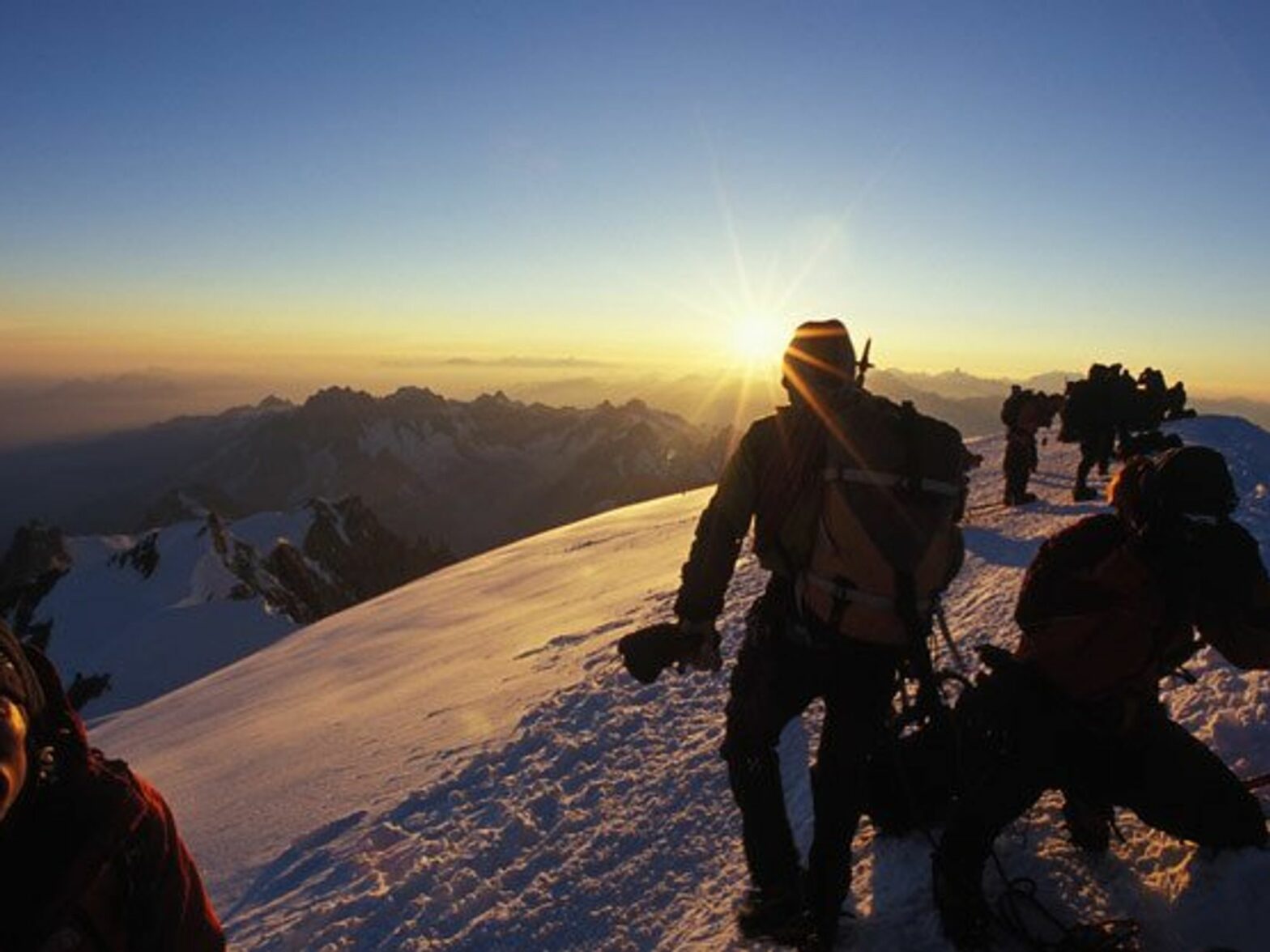
This is the story of a quarrel between two mayors: one who prides himself on defending the mythical Mont Blanc against the alleged capitalist appetites of the other. But the highly publicized debate conceals another reality: in the valley, the fight against the risk of over-tourism has already begun.

Amid a mounting sense of urgency about the threat of climate change, our smartphones’ human and environmental consequences are back in the spotlight — and so are the solutions to minimize their impact.
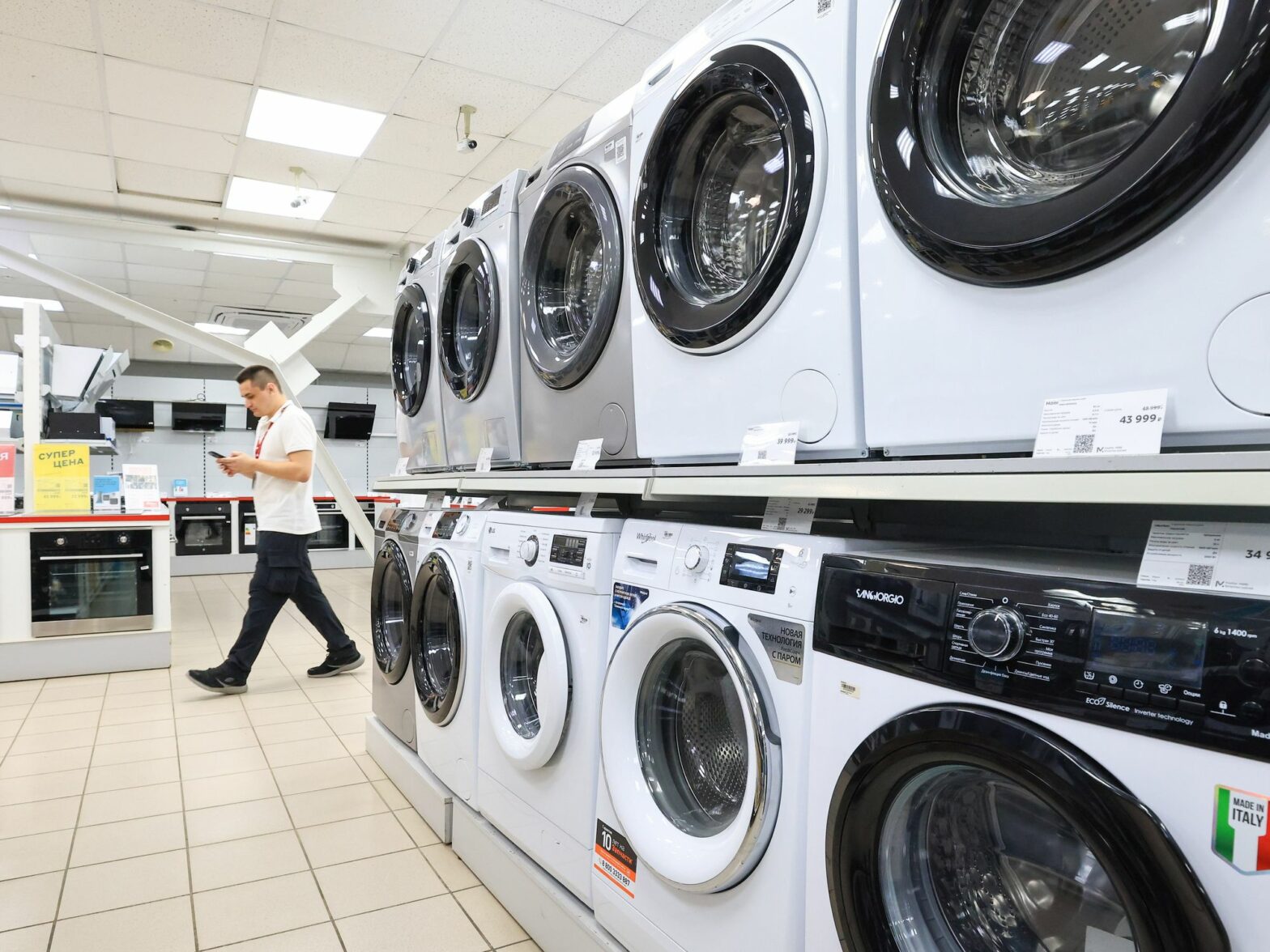
In the short term, a fall in consumption of material objects would be an economic and social catastrophe. In the long term, it is necessary.
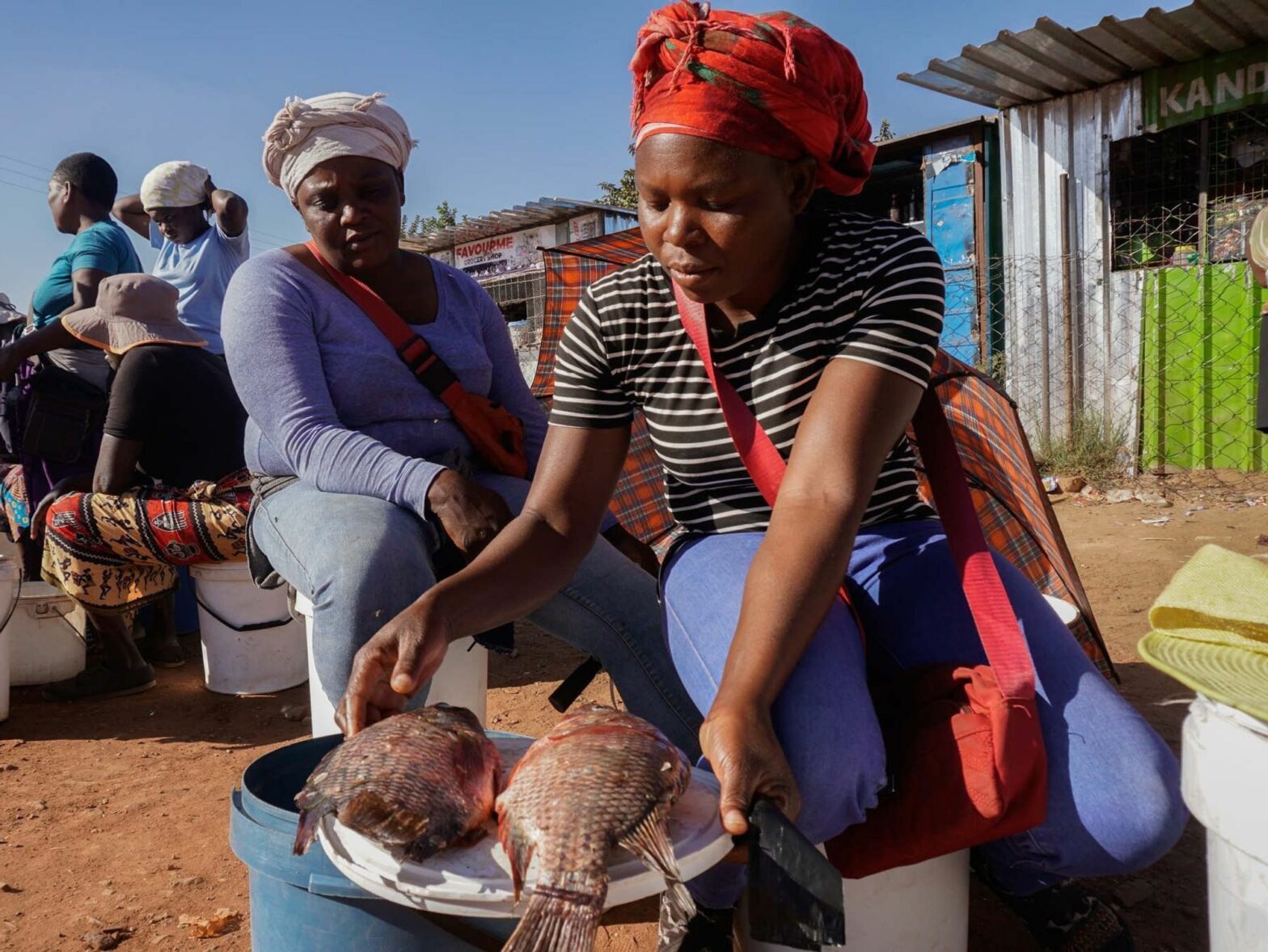
Fishermen bemoan dwindling catches as contamination by industrial waste and other pollutants raises concerns about the safety of food and drinking water.
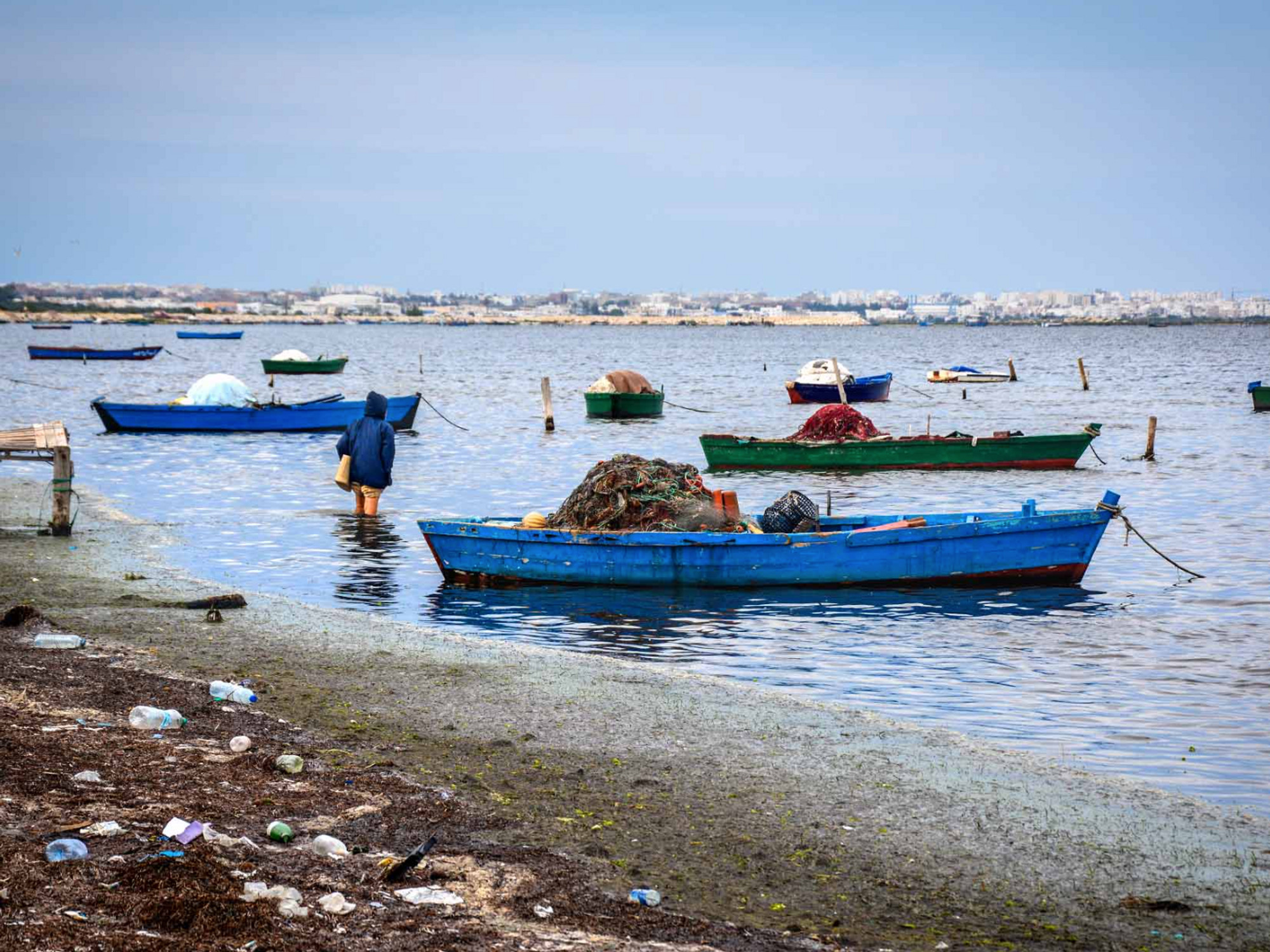
The Made in Tunisia clothes industry for the European market consumes large amounts of water and pollutes Tunisia’s coastline. In Ksibet El Mediouni, the population is paying the price of the environmental cost of fast fashion.
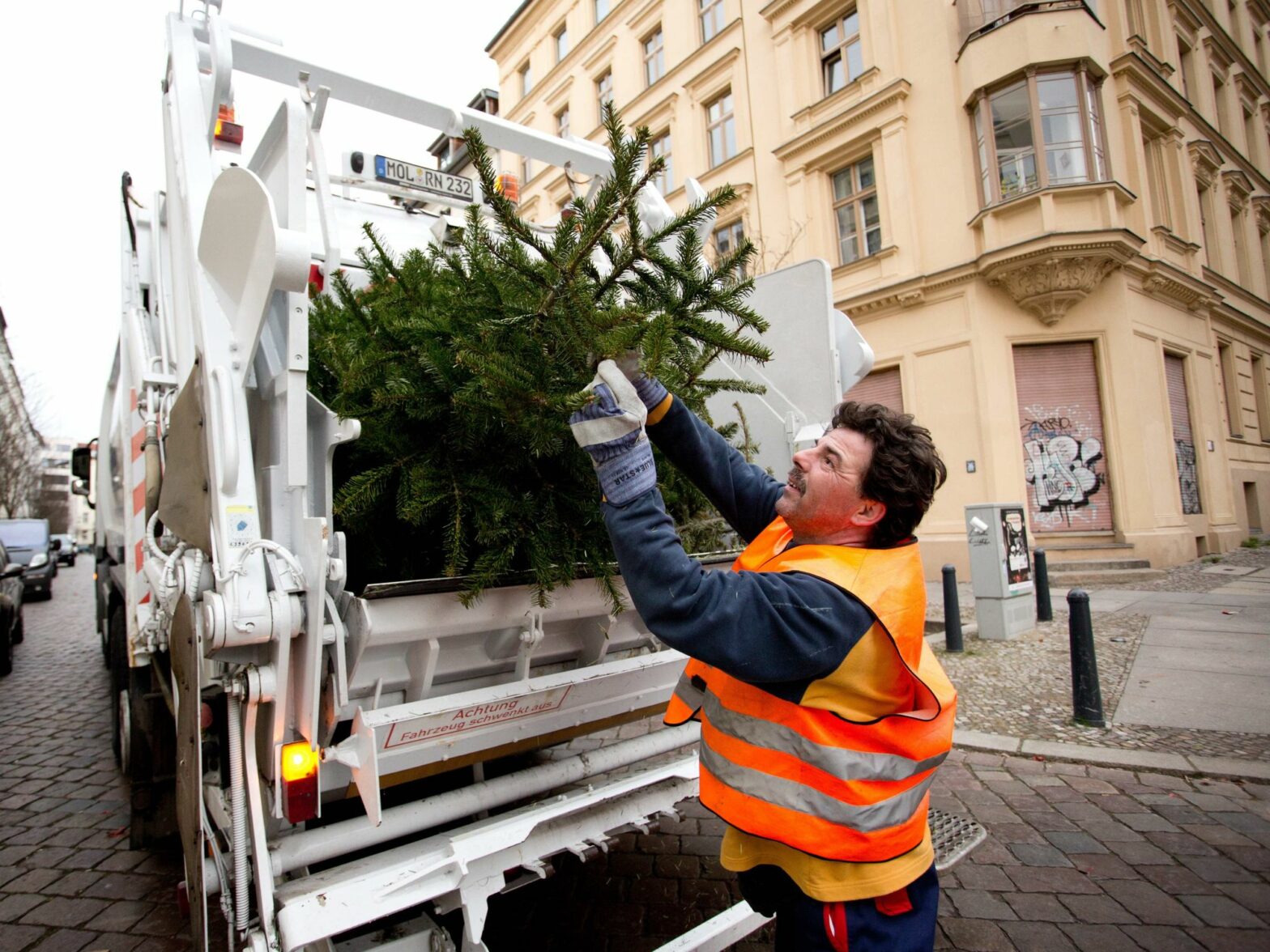
Each year, millions of trees are sacrificed for the sake of Christmas — an ecological disaster and a denial of what trees represent for humanity. There are, however, some green alternatives to buying (and killing) your own private tree each year.
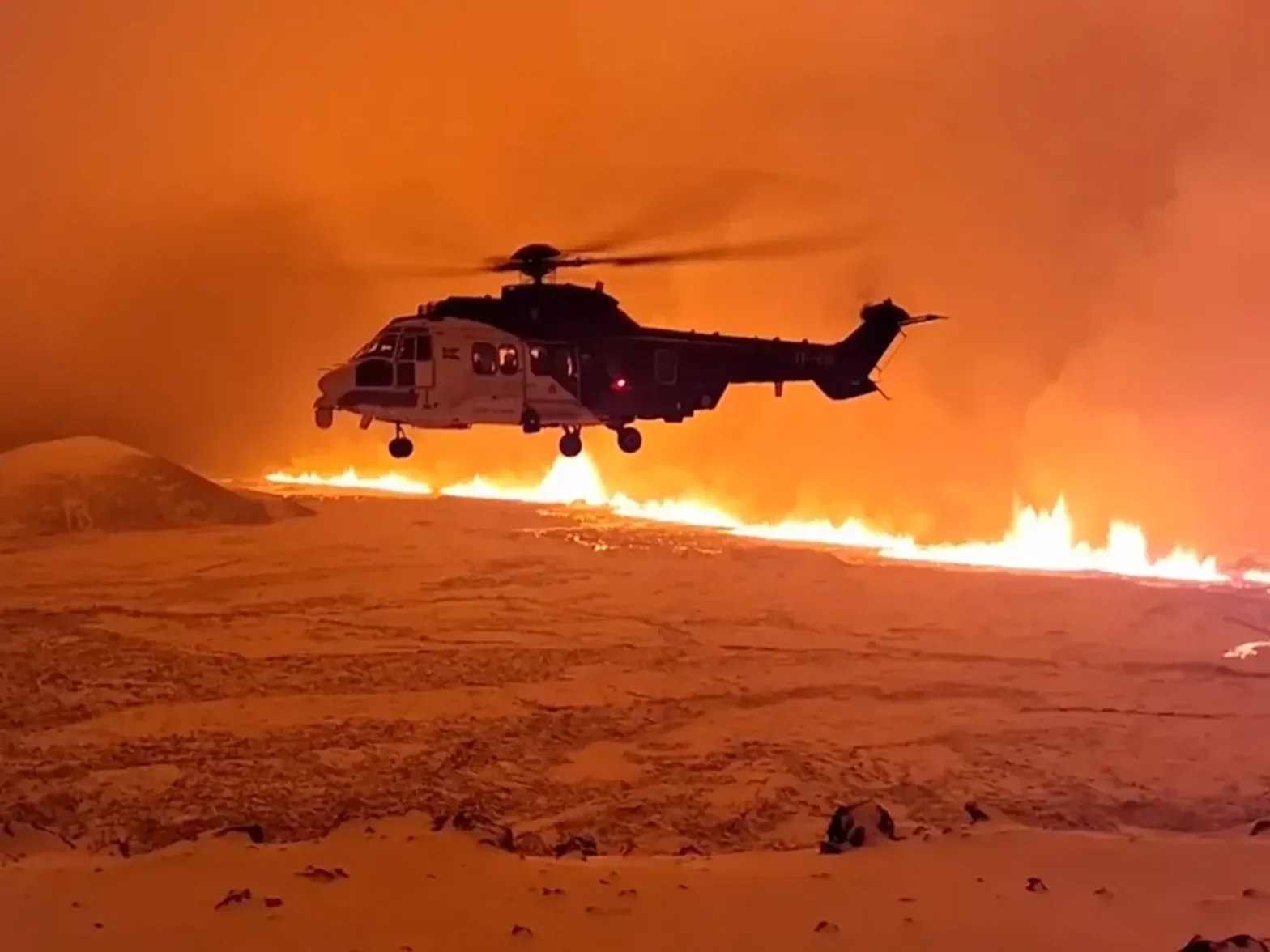
Originally from Tuscany, Sara Barsotti has spent the past decade leading the task force monitoring Iceland’s major volcanic eruption threat. Evacuations may have saved lives after a major eruption Monday night.
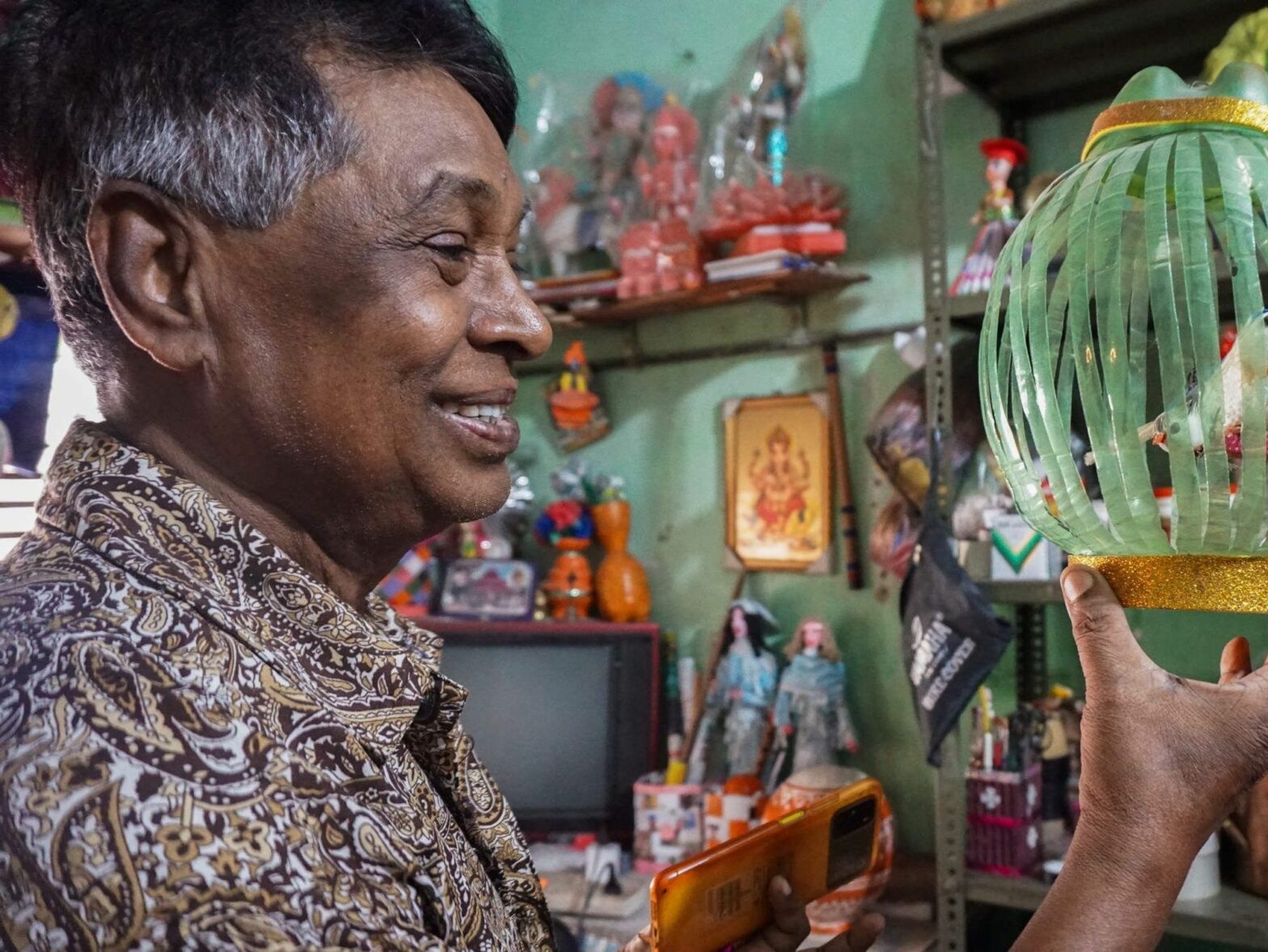
Shyamanand Singh crafts sculptures from discarded paper, bottle caps and other materials. He’s opened a free museum in his house to inspire others.
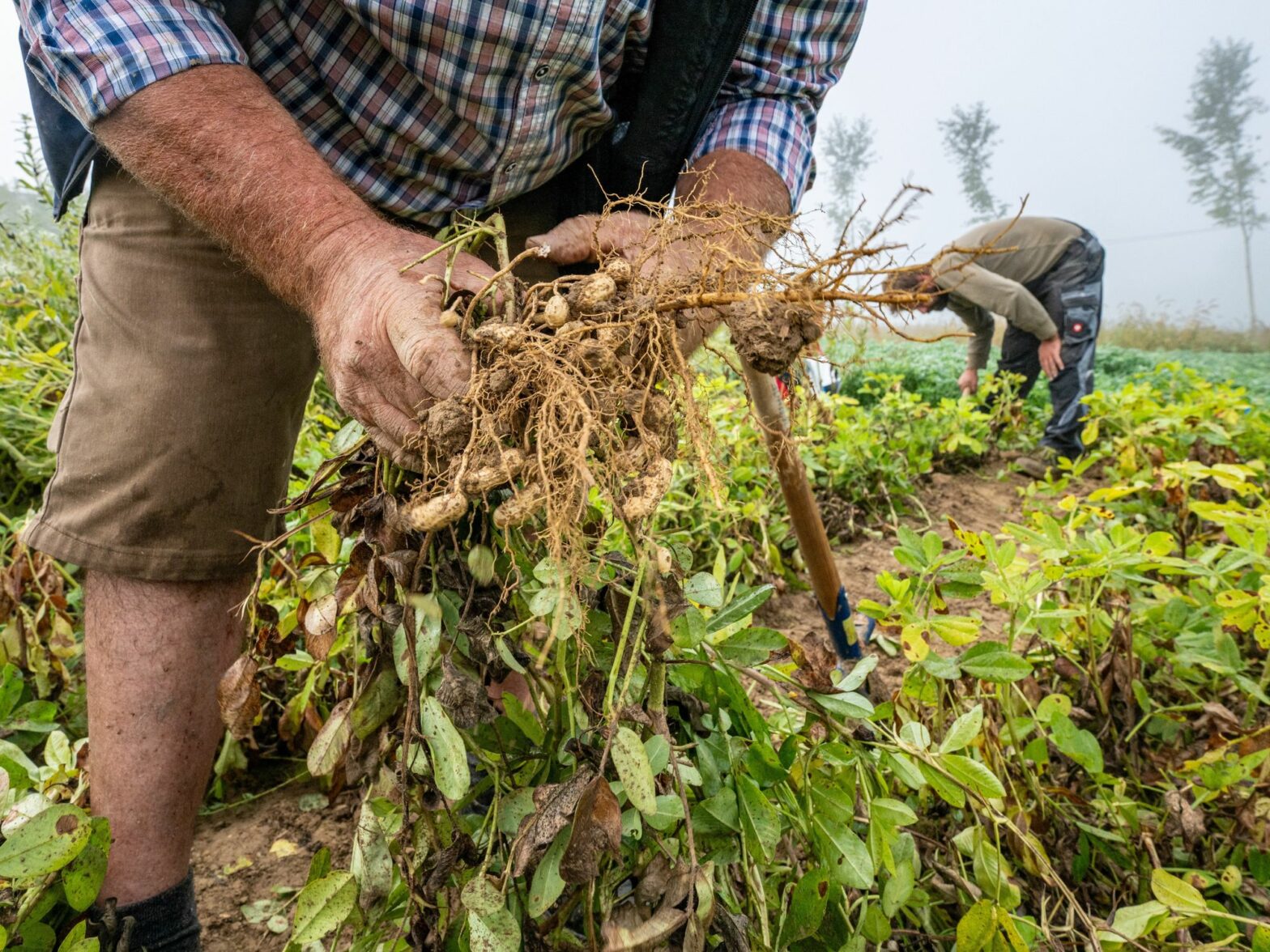
Do wild varieties of overlooked grains, fruits, and vegetables hold the key to withstanding the uptick in extreme weather?
One of the collateral damages of the climate emergency that we may not think about is how flavors will be altered. We will notice the tastes of wine and beer, coffee, cheese and even seafood are already beginning to change …
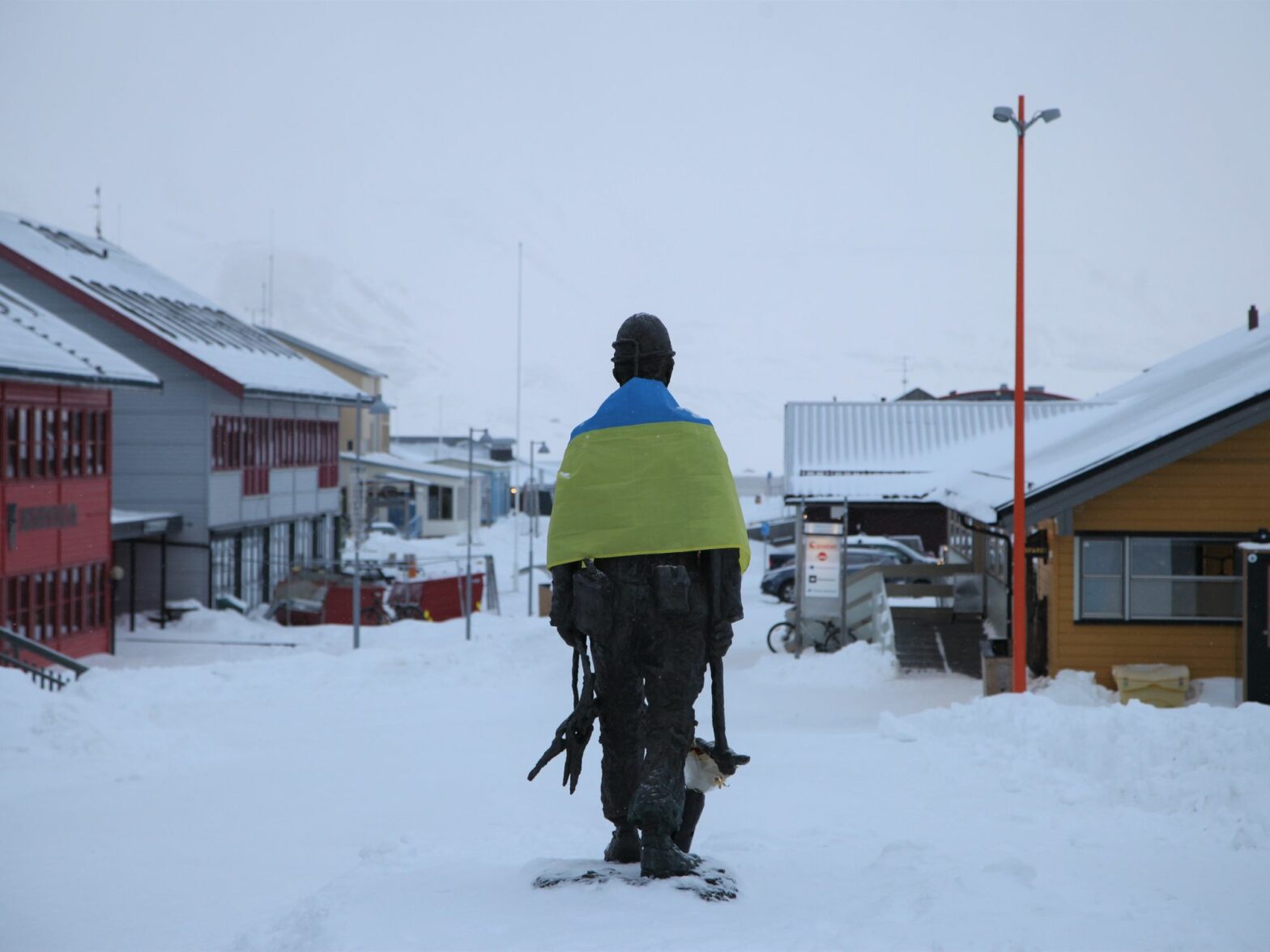
The melting of the sea ice in the Far North has accelerated in recent years. The Norwegian archipelago of Svalbard has become the focal point of the environmental drama gripping the Arctic as well as the geopolitical tensions it is causing there, with Russia in particular.
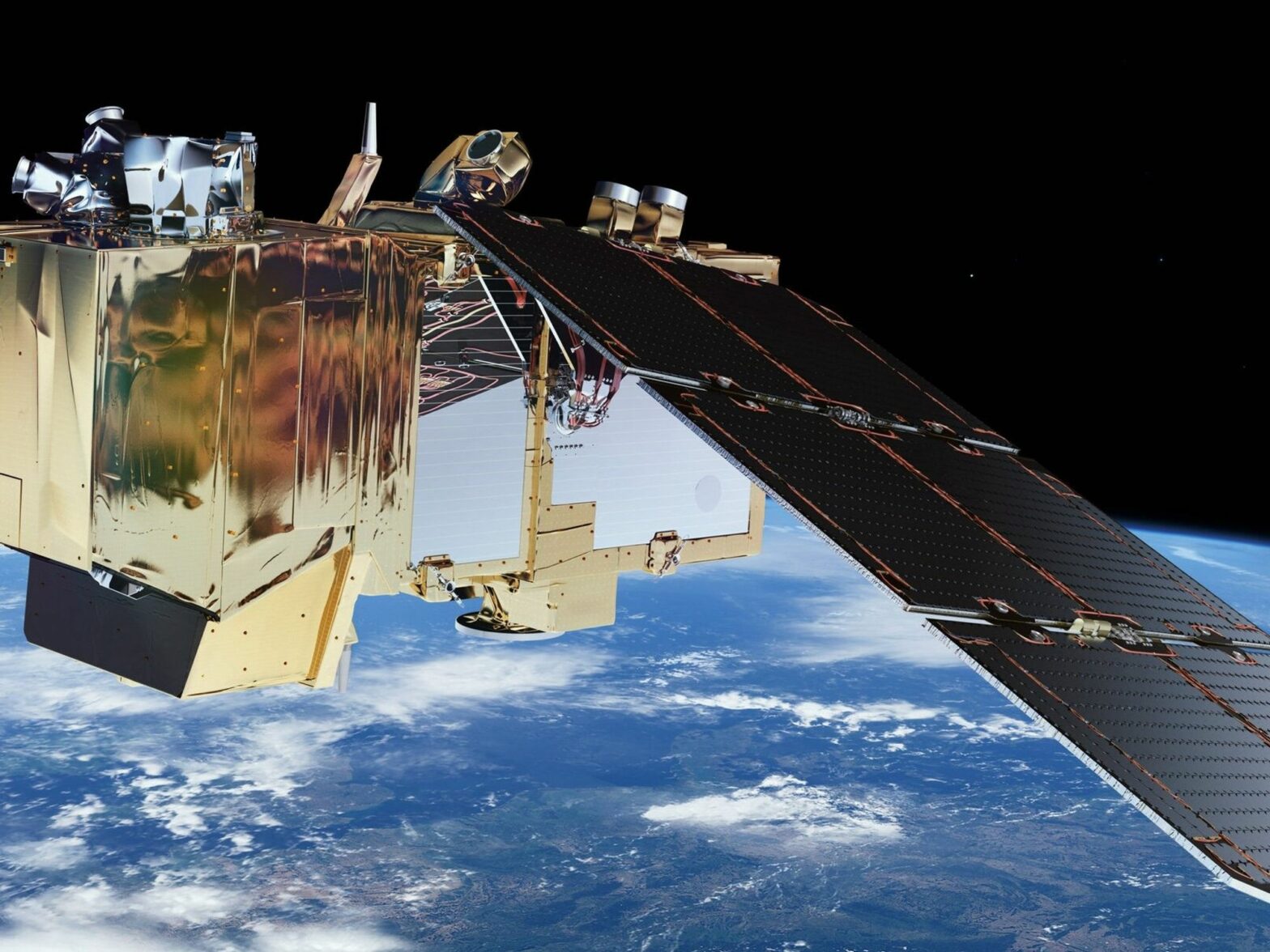
As COP28 heats up, a close-up look at the massive European earth observatory program 25 years after its creation, with its disturbing monthly reports of a planet that has gotten hotter than ever.
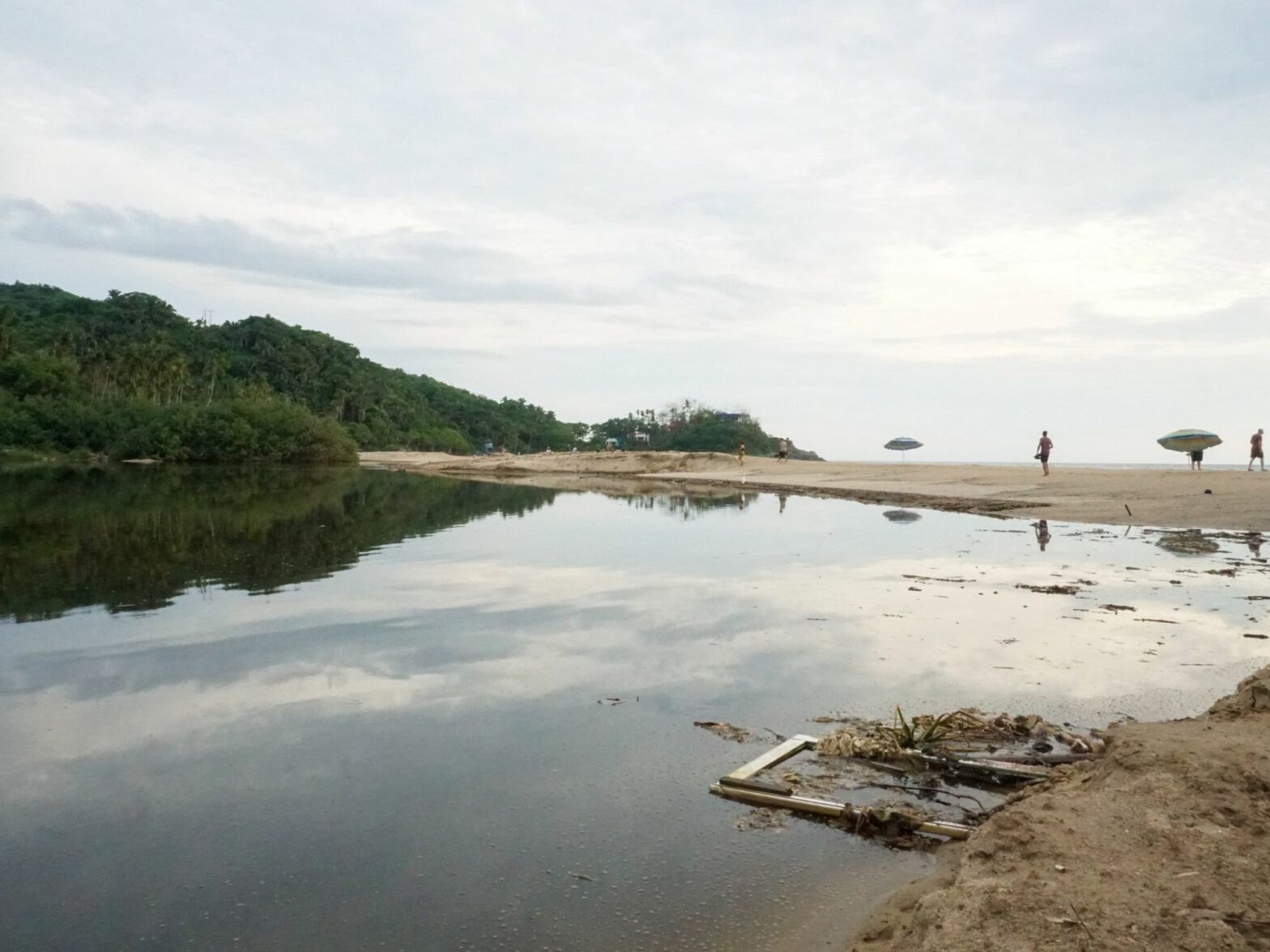
As a paramunicipal organization takes over water services from local councils, residents face high costs, shortages, contamination — and a foul odor that’s sullying the area’s reputation as a coastal paradise.
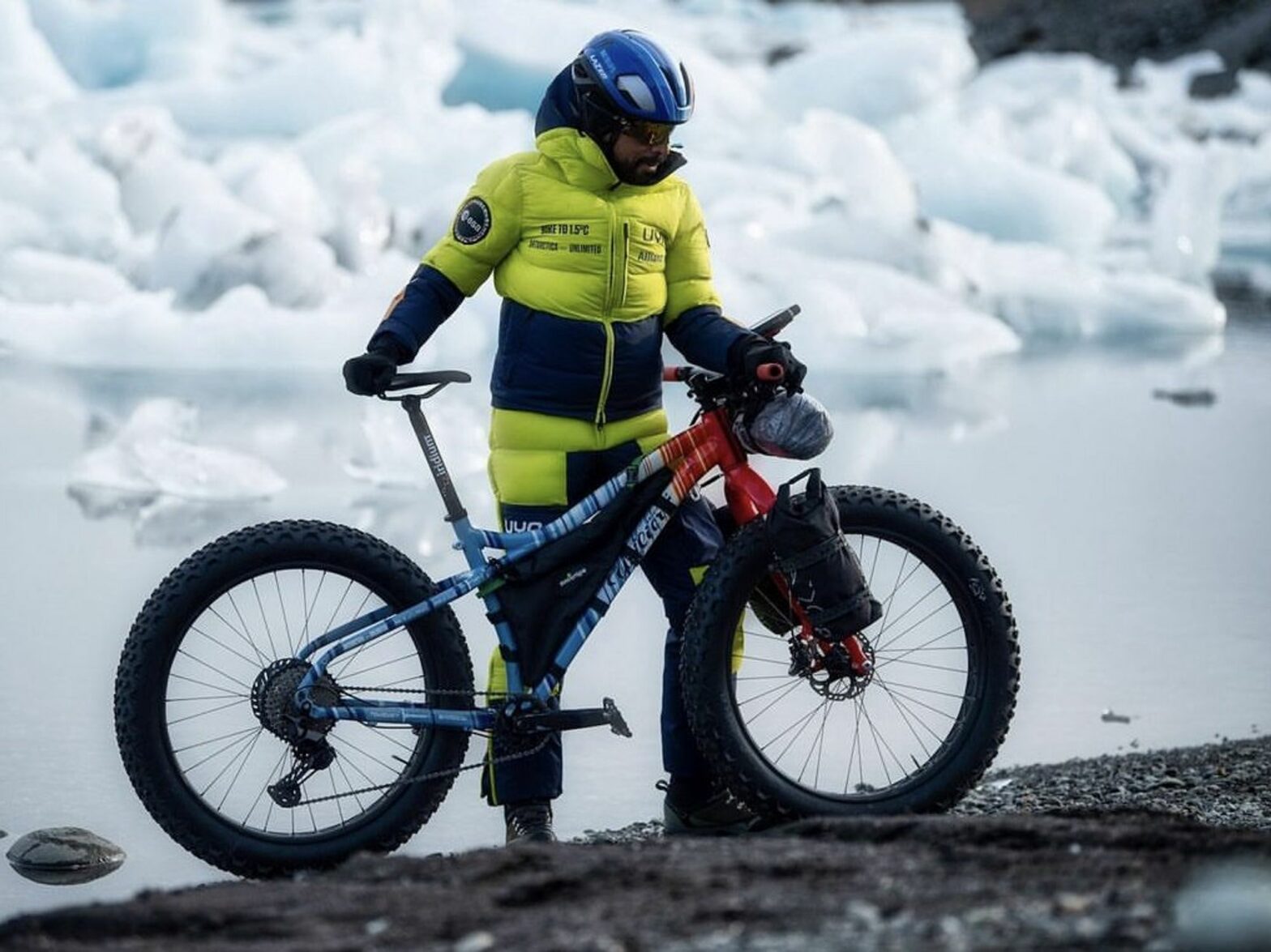
The Italian cyclist, Omar Di Felice, is setting out across Antarctica in the ultimate test of athletic endurance and mental fortitude. In an interview with Italian daily La Stampa, Di Felice shares how he keeps himself going during the endless hours of total solitude as well as the activism that fuels his extreme adventures.
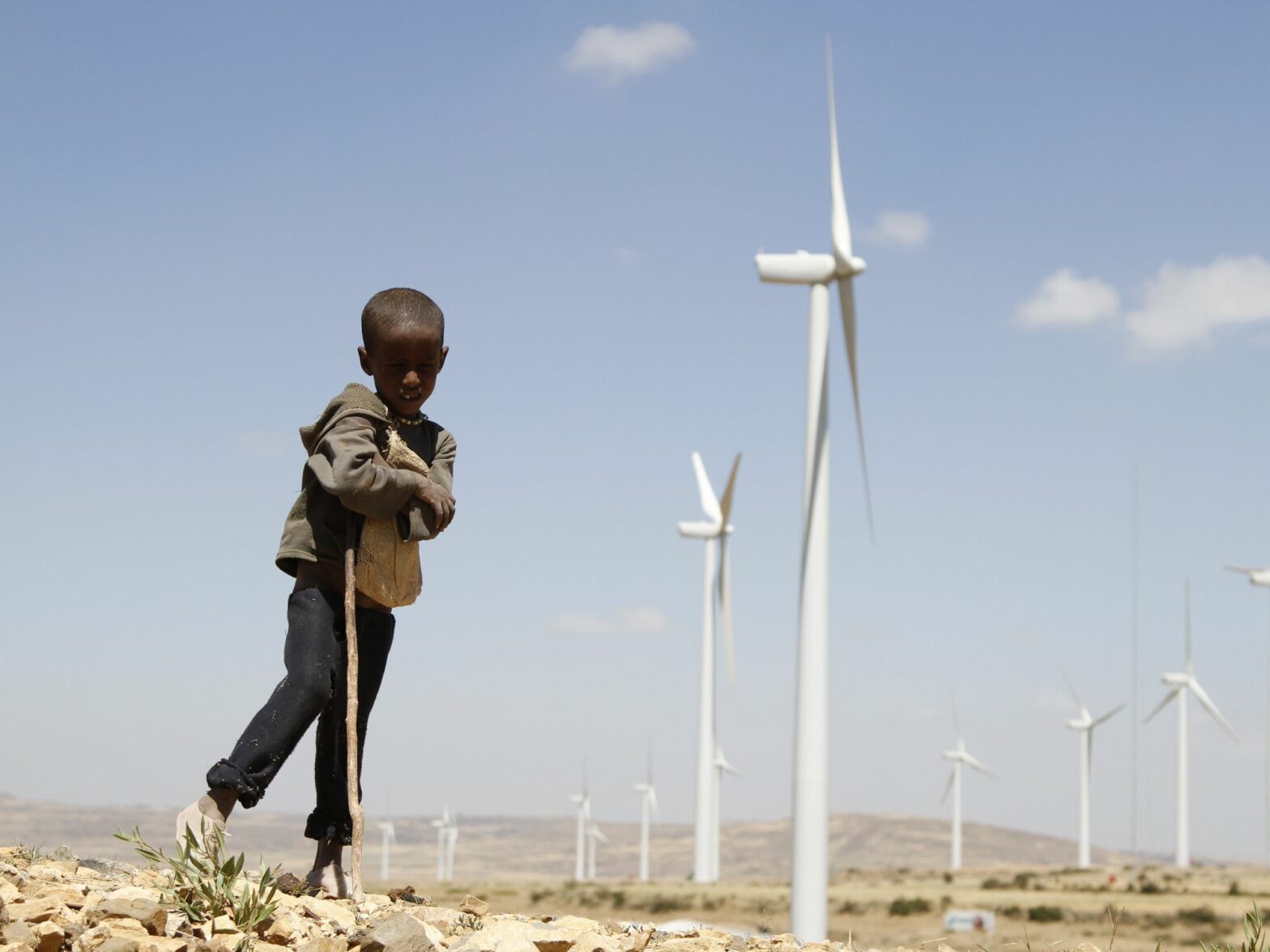
Africa faces a complex choice: entirely eliminate fossil fuels and risk slowing down development, or alter the energy mix and maintain a balance between the environment and the economy.
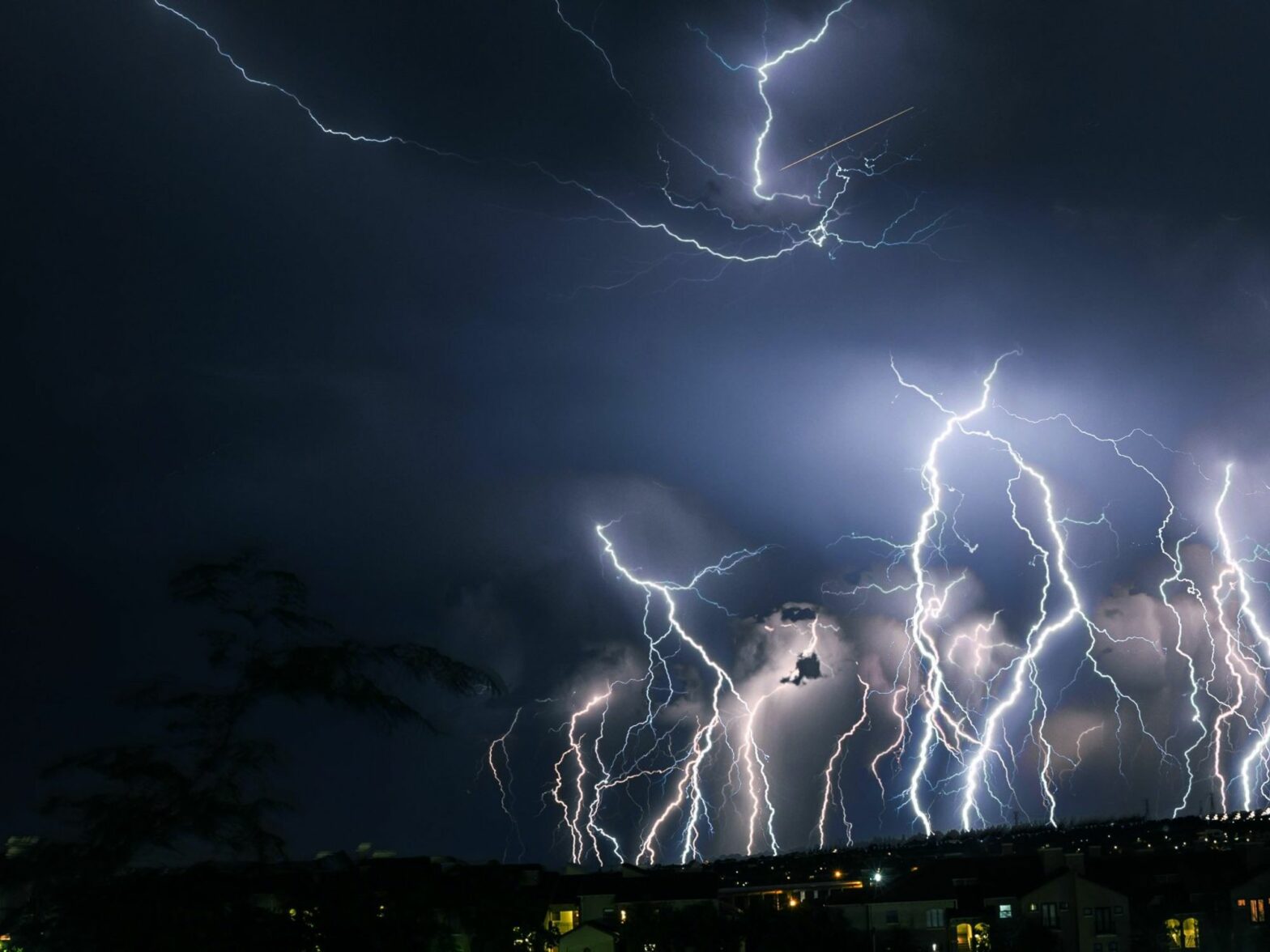
In recent years, social interest in climatology has grown exponentially, turning meteorologists into quasi-rockstars who, thanks to technology, can interact with their audiences and provide real-time updates.
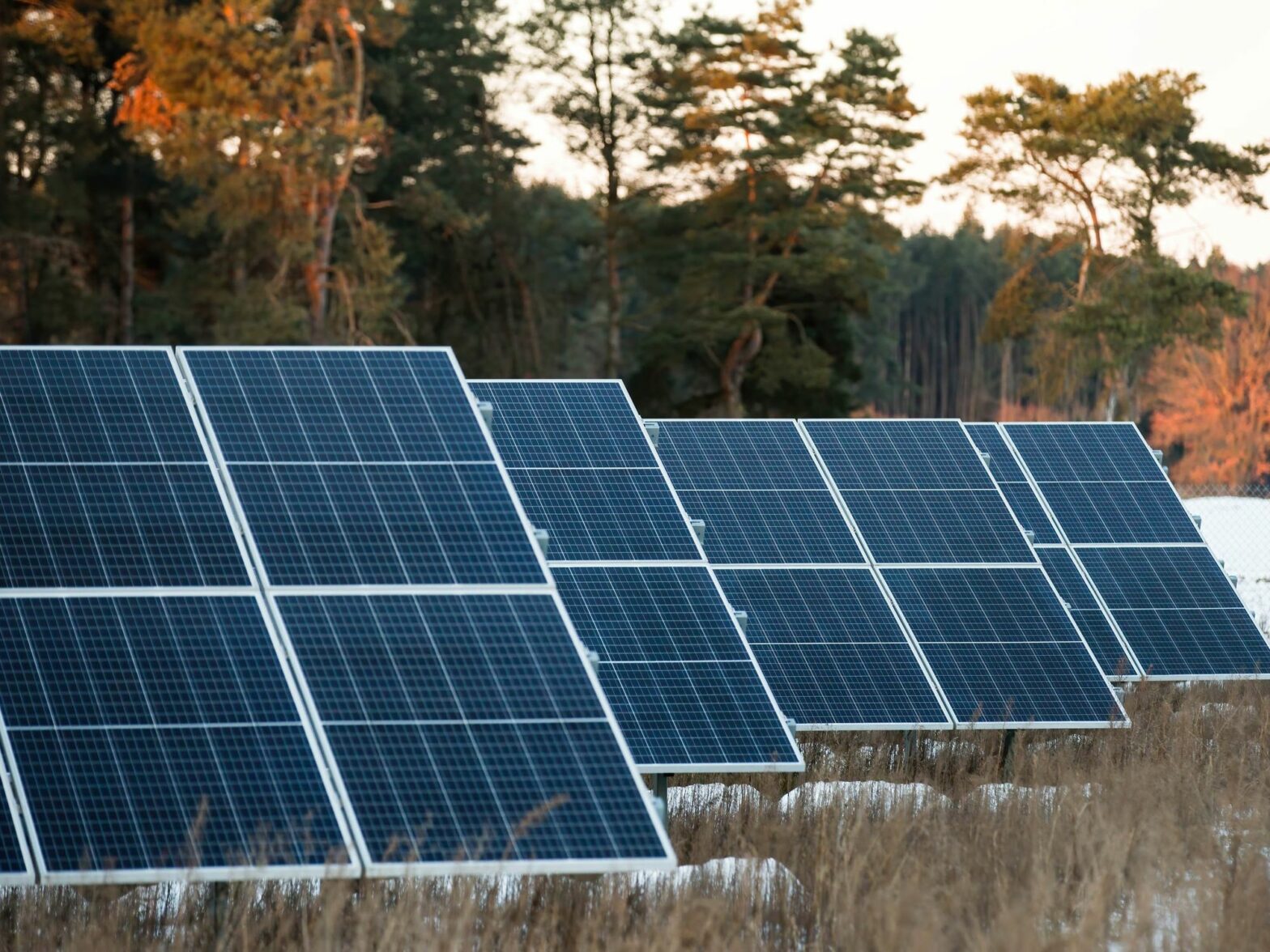
The country known for the highest coal dependency in Europe has been experiencing a marked shift towards renewable energy sources, many on the micro scale.
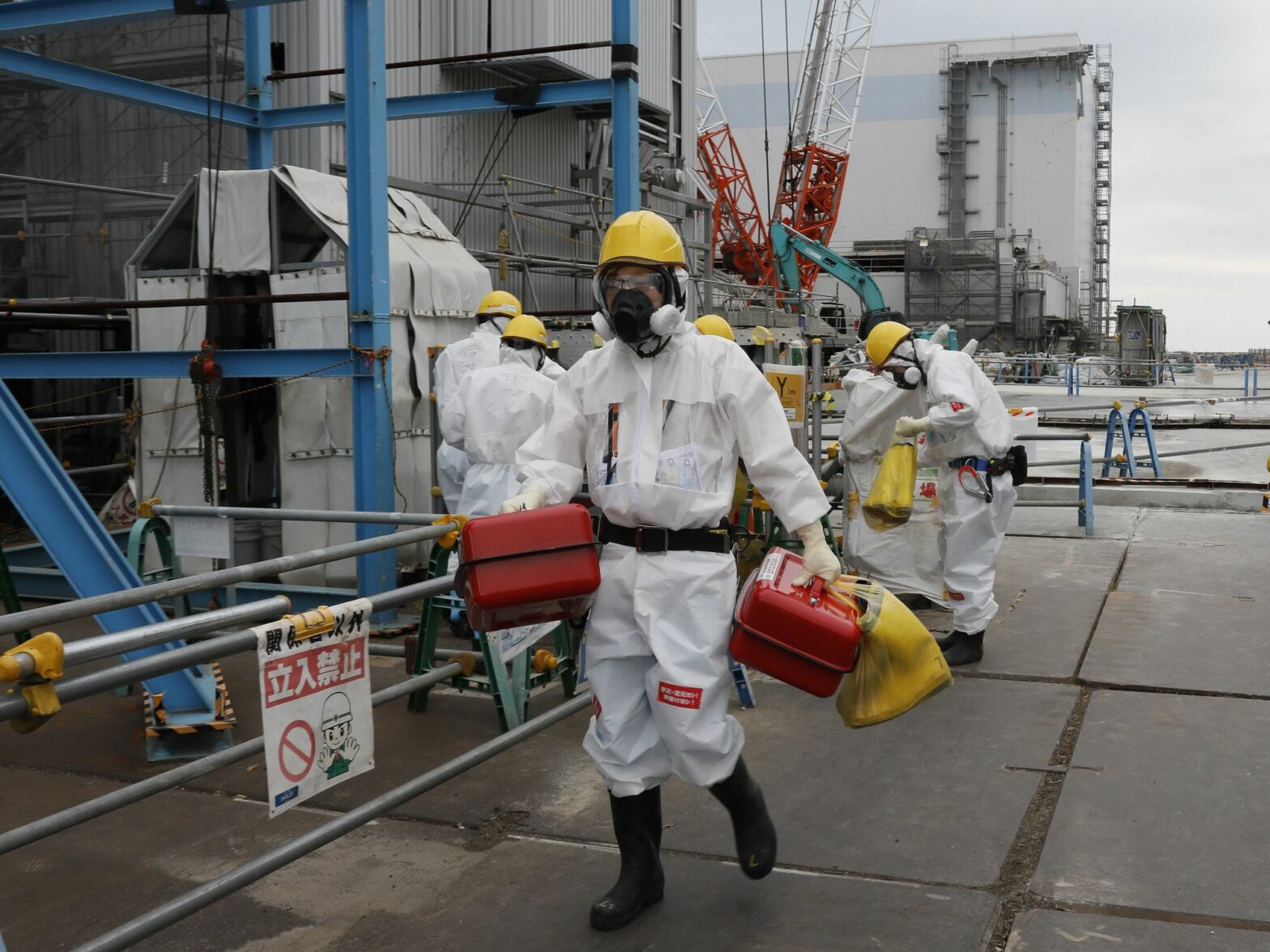
A recent study shows the tens of billions of dollars spent to decontaminate land following the areas affected by the 2011 Fukushima nuclear accident may not have been worthwhile and have encouraged only a minority of residents to come back. A better option could be to declare the zone a natural reserve. (new subheadline)
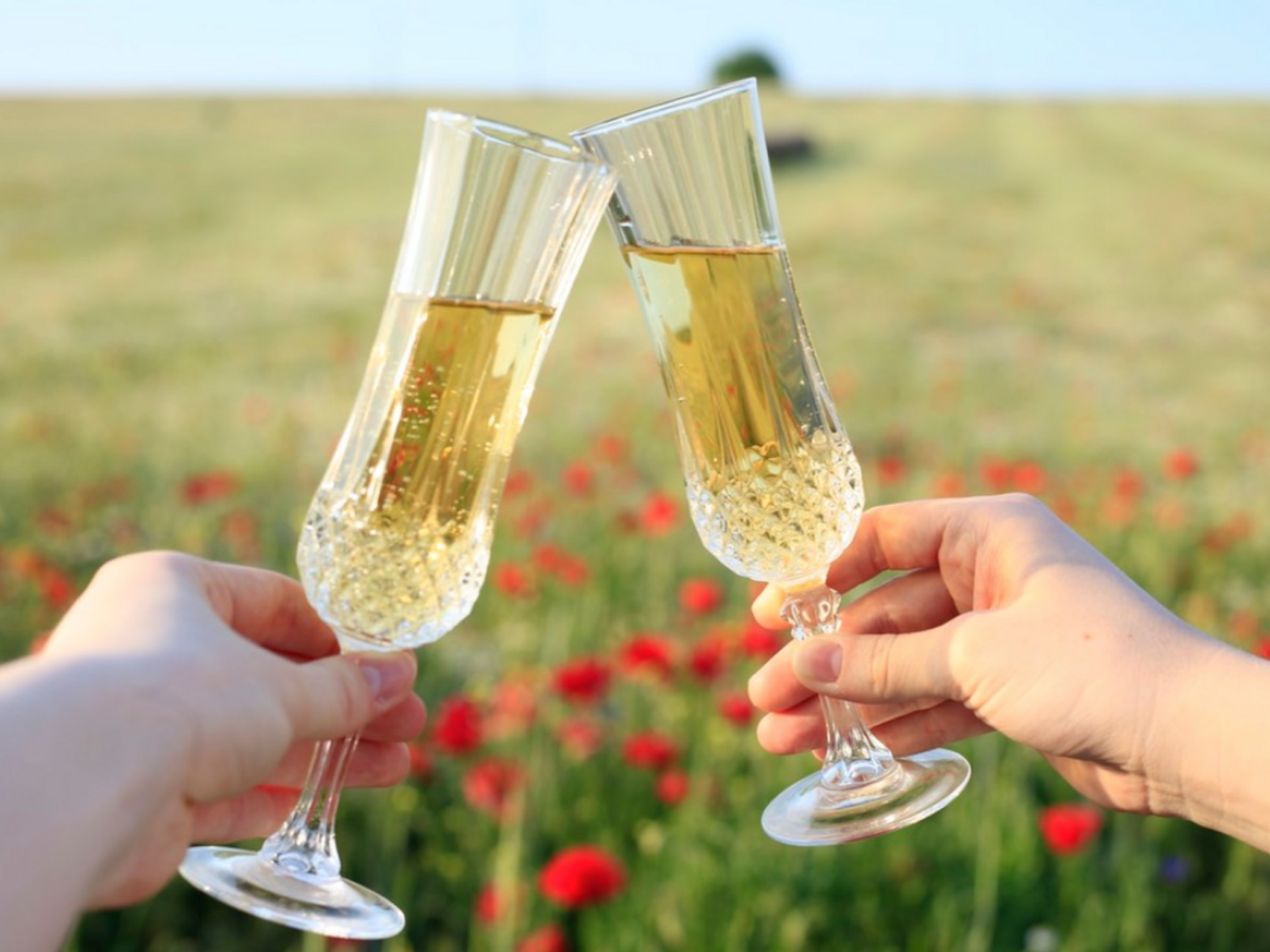
Climate change has prompted some French champagne houses to take up planting in the southern English countryside.
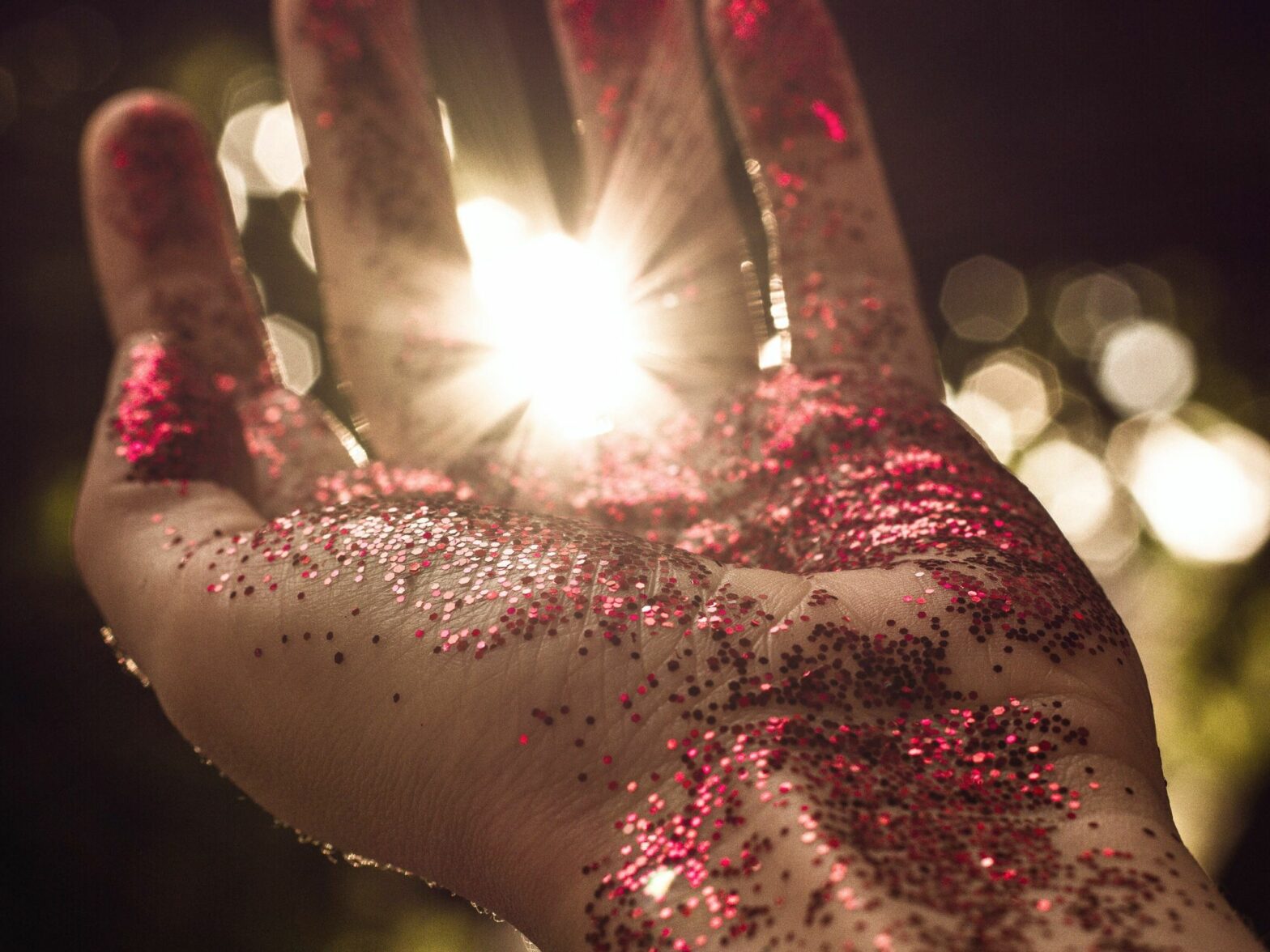
The European Union has just banned glitter, among many other microplastics. Still, that doesn’t necessarily mean the end of ‘sparkle’ — we’ll just need to look for more environmentally-friendly alternatives.
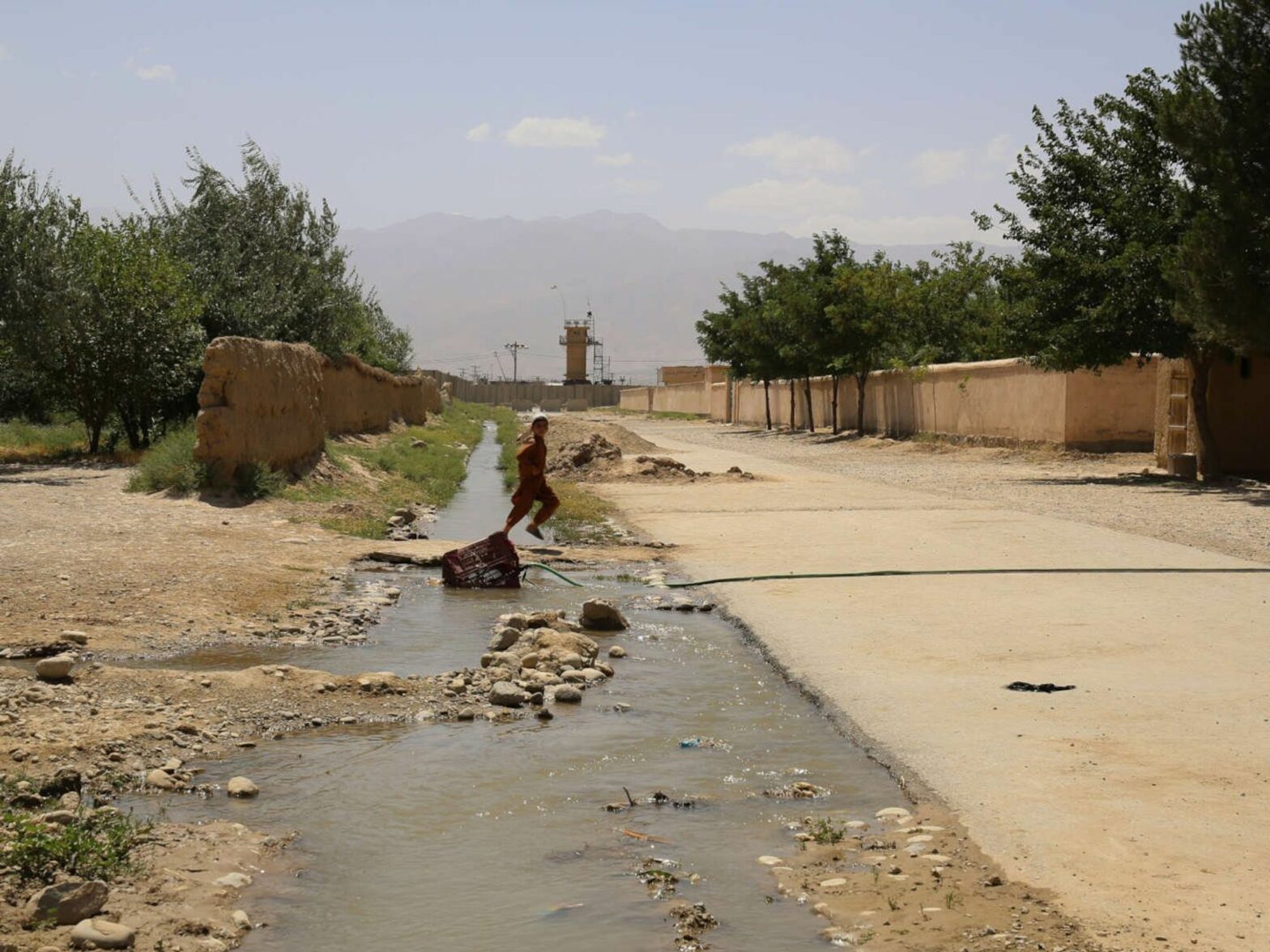
Twenty years of American military intervention and occupation have left vast ecological damage that may never be repaired.
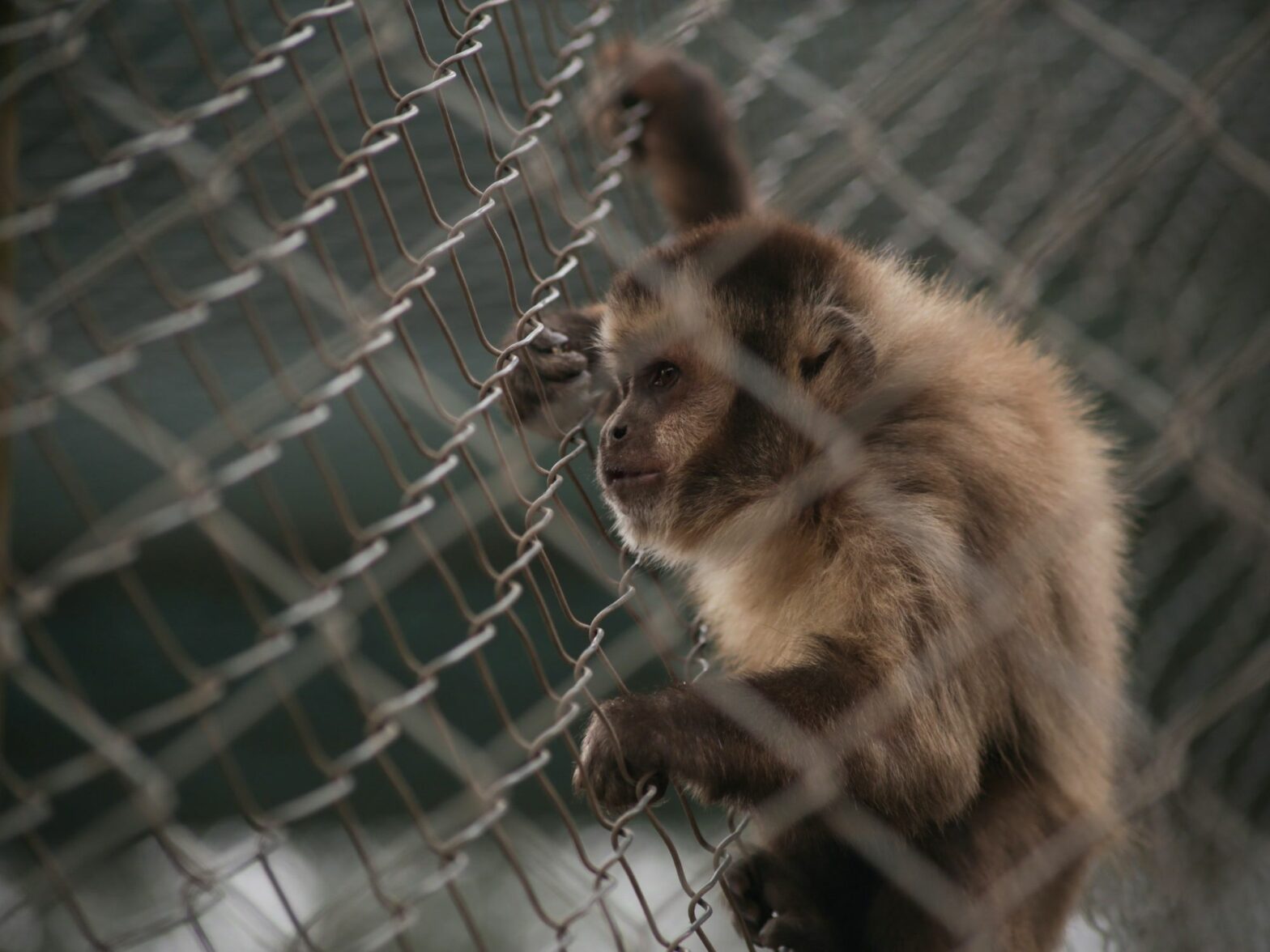
Zoos are often associated with animal cruelty, or at the very least a general animal unhappiness. But on everything from research to education to biodiversity, there is a case to be made for the modern zoo.