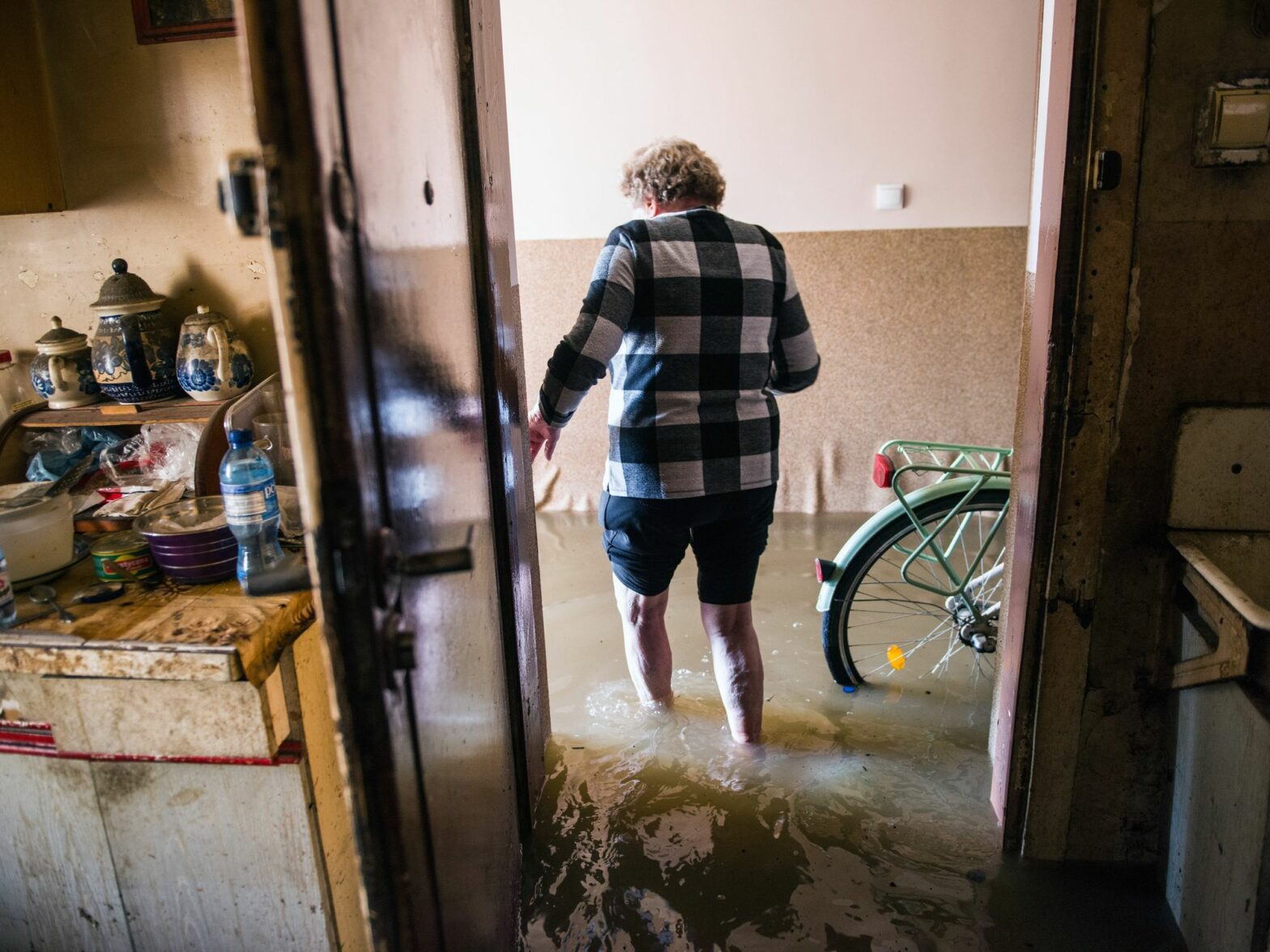
Along with much of central Europe, Poland has experienced large scale flooding that has impacted the country’s infrastructure, budget, and sense of safety. Will this tragedy change the way Poles view climate change?
 Worldcrunch
Along with much of central Europe, Poland has experienced large scale flooding that has impacted the country’s infrastructure, budget, and sense of safety. Will this tragedy change the way Poles view climate change?
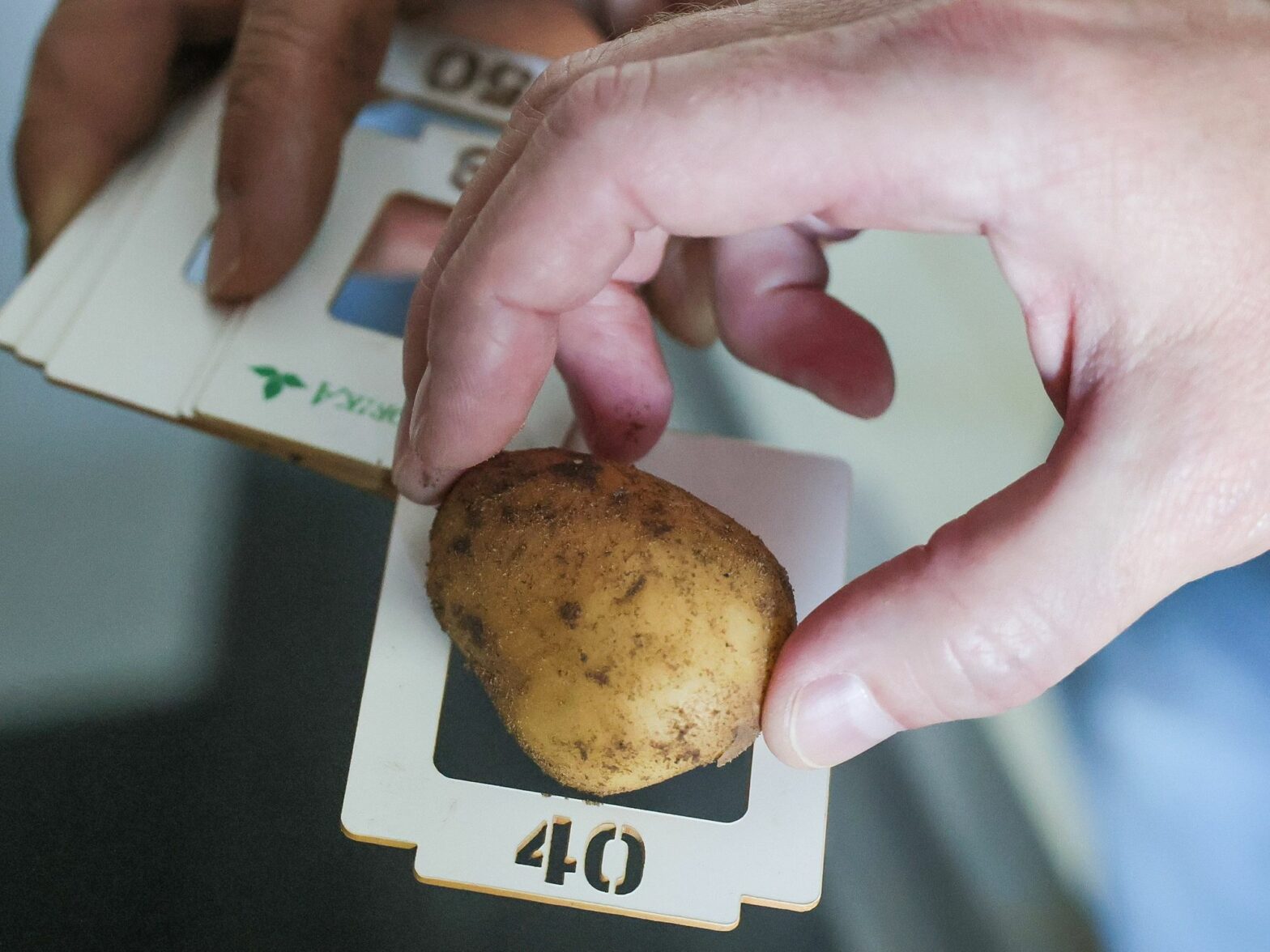
Crop science may lead to a revolution in potato farming, creating new varieties resistant to disease and drought.

While it has long been used to control rain, cloud seeding is now attracting growing interest in some countries, particularly China. But scientists don’t agree on either its effectiveness or its own possible harm to the environmental.
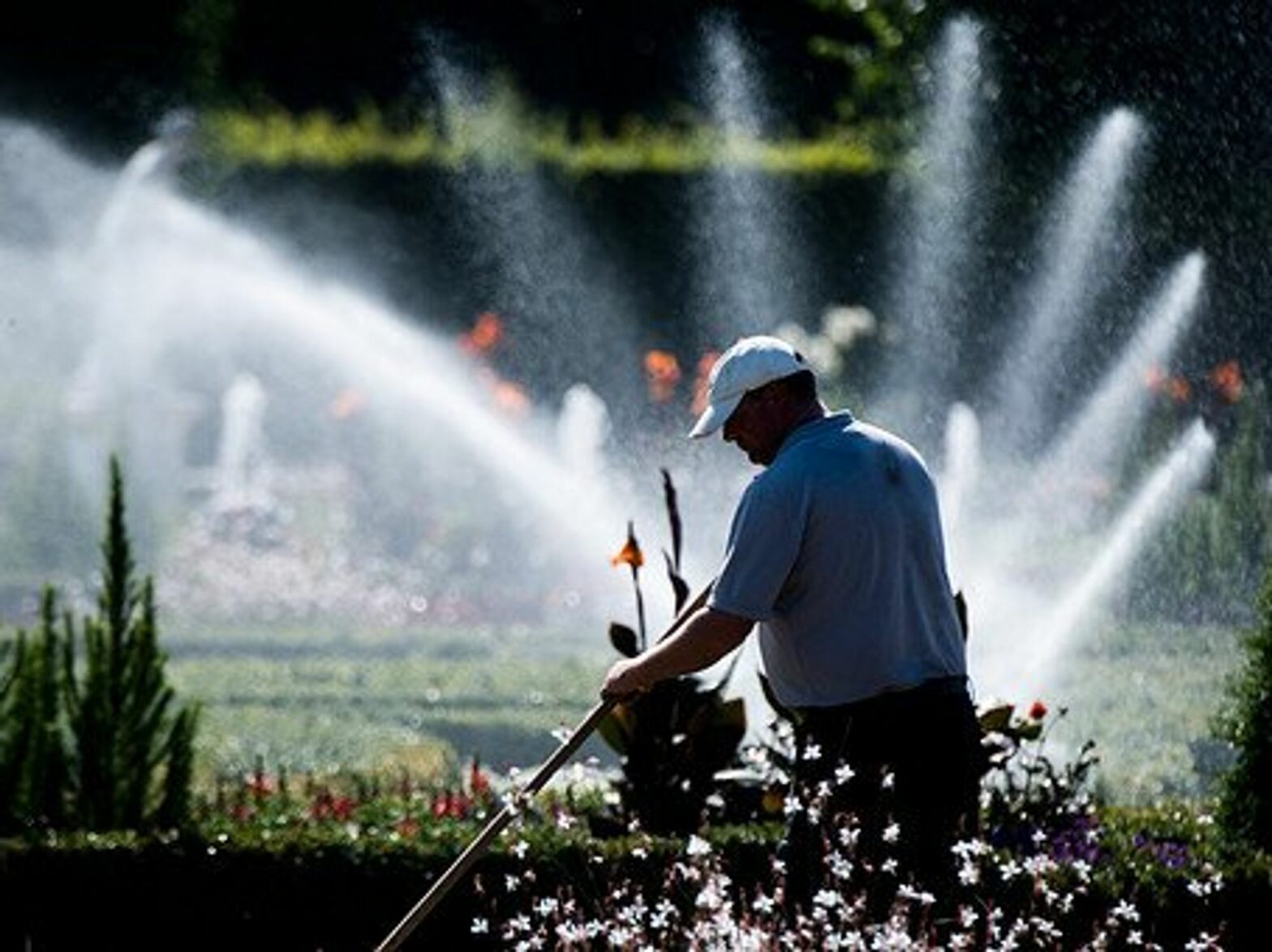
A house surrounded by an immaculate green lawn conquered the post-war United States and has become a Western ideal. But climate change is prompting homeowners — as well as institutions such as botanical gardens — to create yards that are adapted to the local climate and biodiversity.
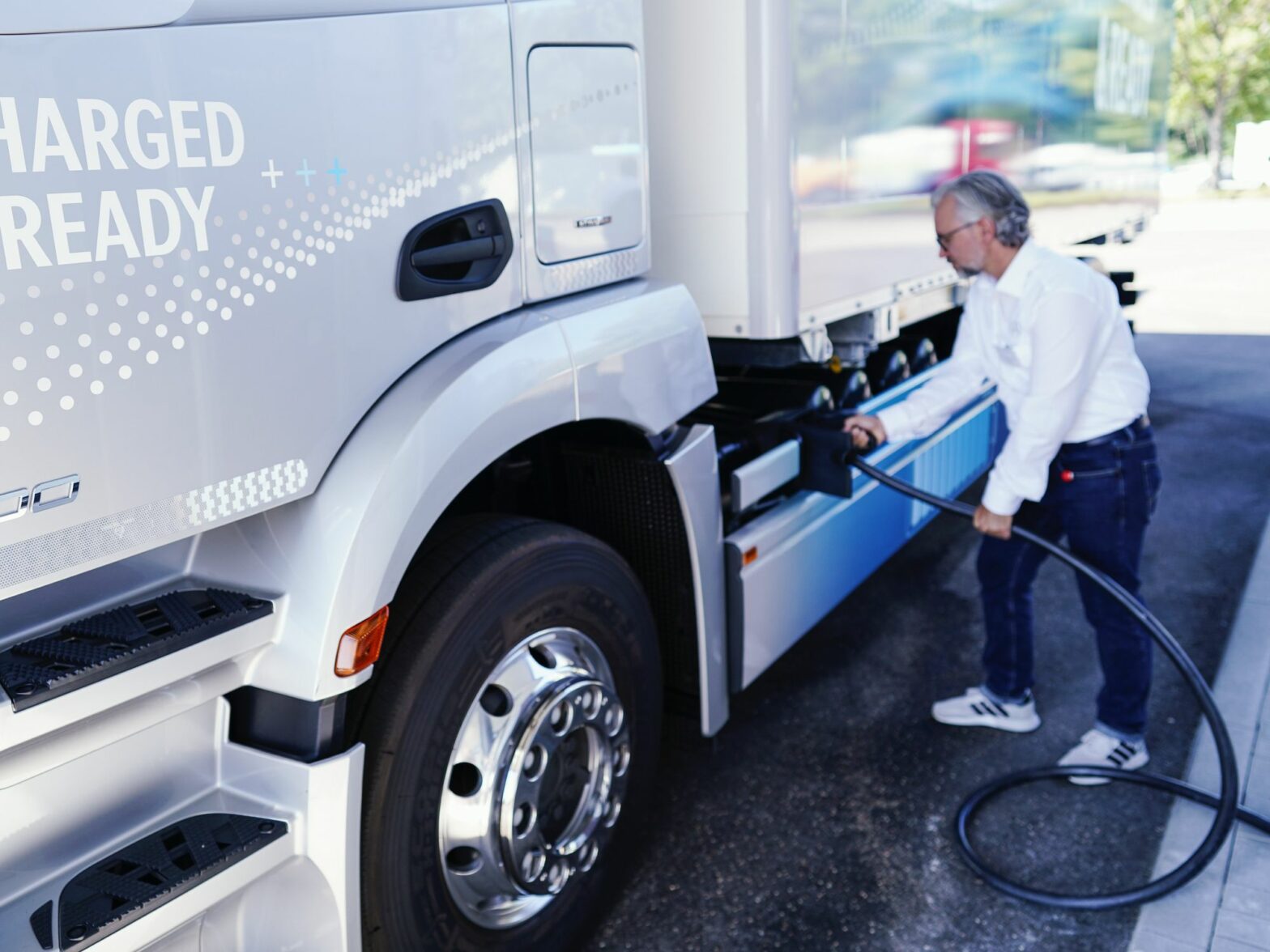
How can trucks be powered in a non-polluting way? The industry has been looking for good solutions for a long time. Now, electric trucks are gaining ground. The shift towards electric could actually happen faster than with cars.
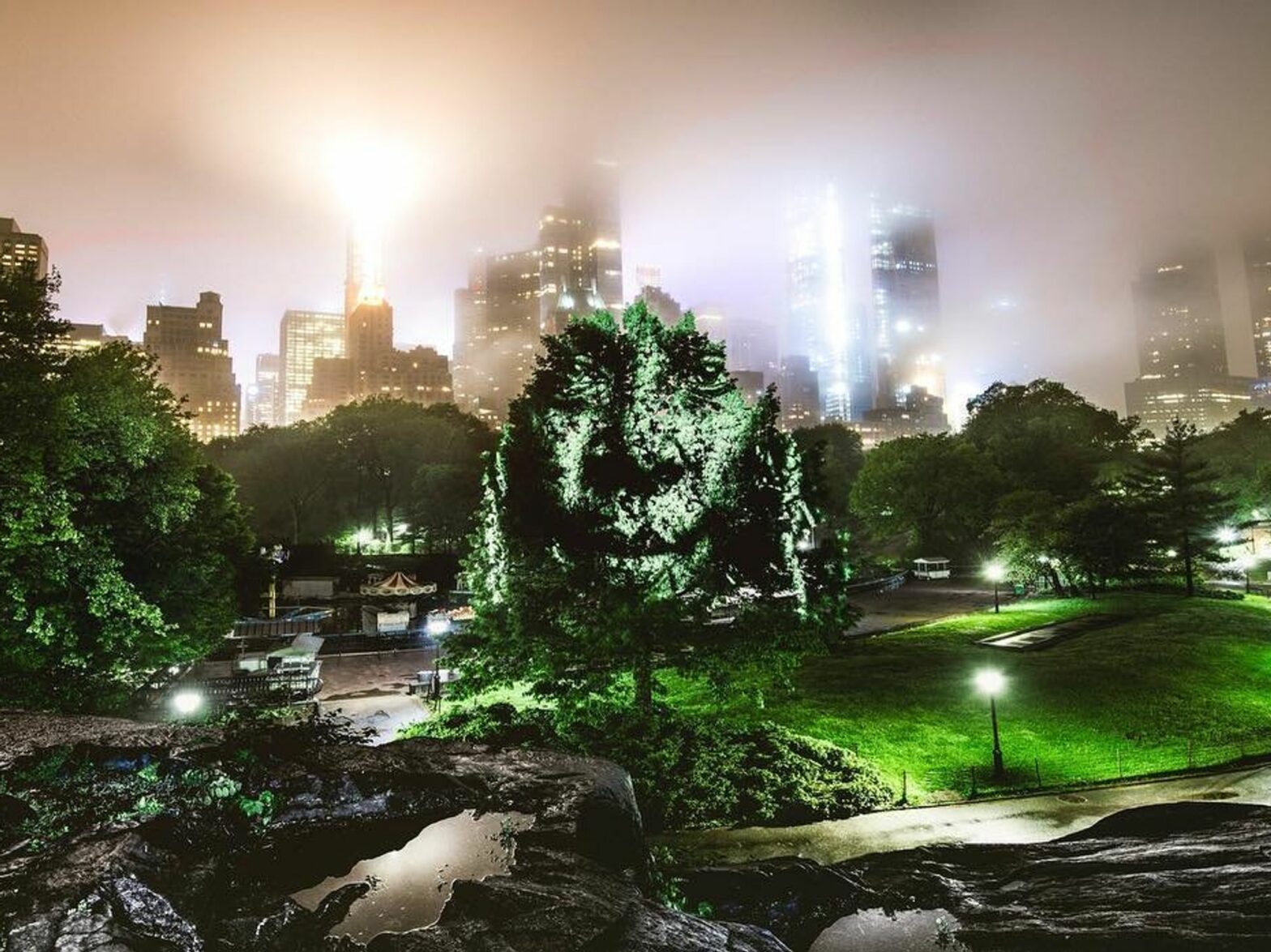
From The Amazon to The Alps, French photographer and street artist Philippe Echaroux has made a name for himself with his extraordinary light projections that aim to raise awareness about social and environmental issues.
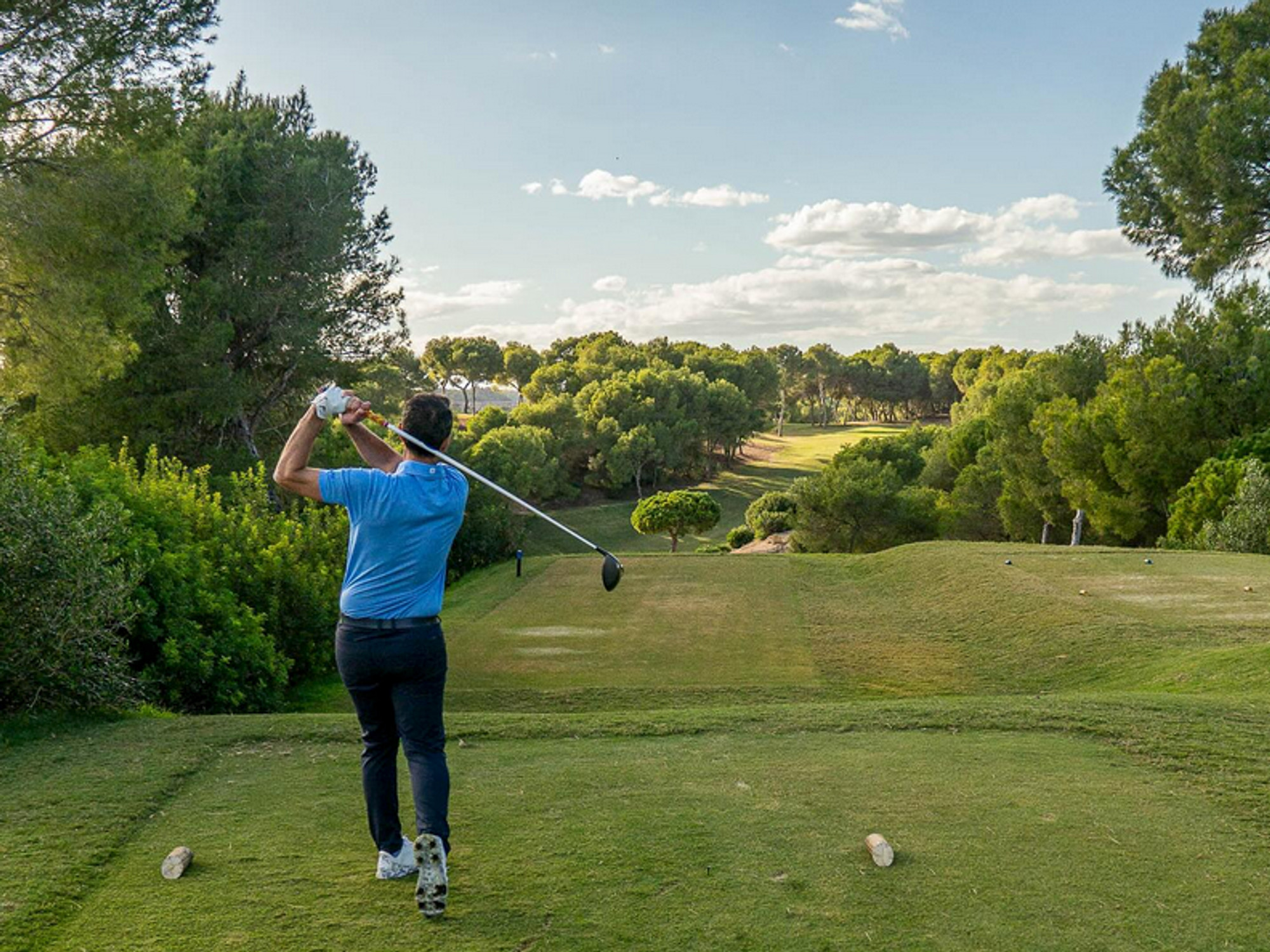
The golf industry claims it generates 225 million euros each year in Murcia, or 0.8% of the southeastern Spanish region’s GDP, which is also the driest in Spain.

Increasingly extreme temperatures are forcing summertime cultural events and festivals, from concerts to Spain’s traditional castell human towers, to adapt to a new climate reality.
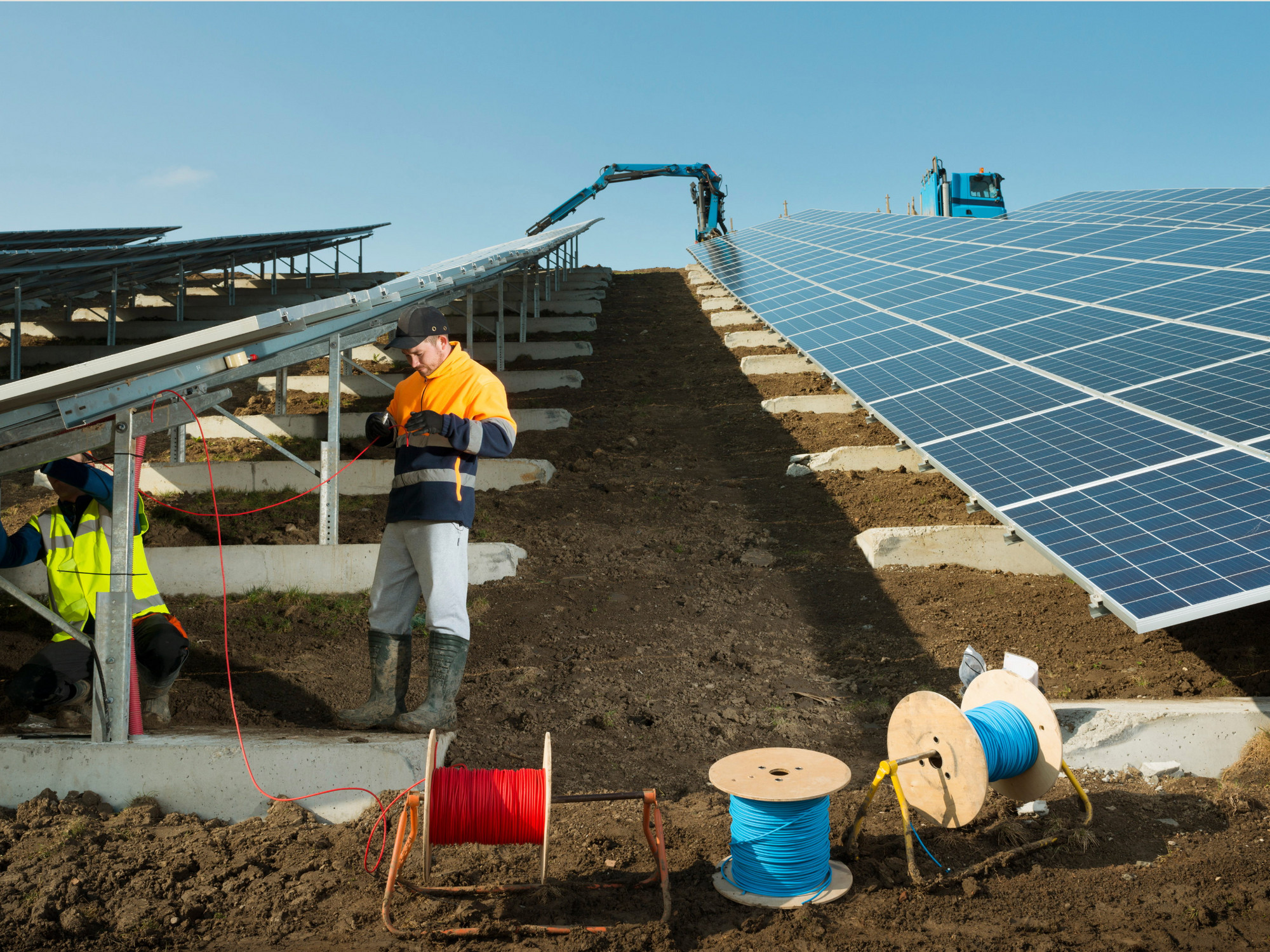
The global fight against climate change is essential, but the solutions are not universal. Measures must account for the local realities of the Global South, where economic development is equally important and where the imposition of strict environmental standards by the North has devastating social and economic consequences.
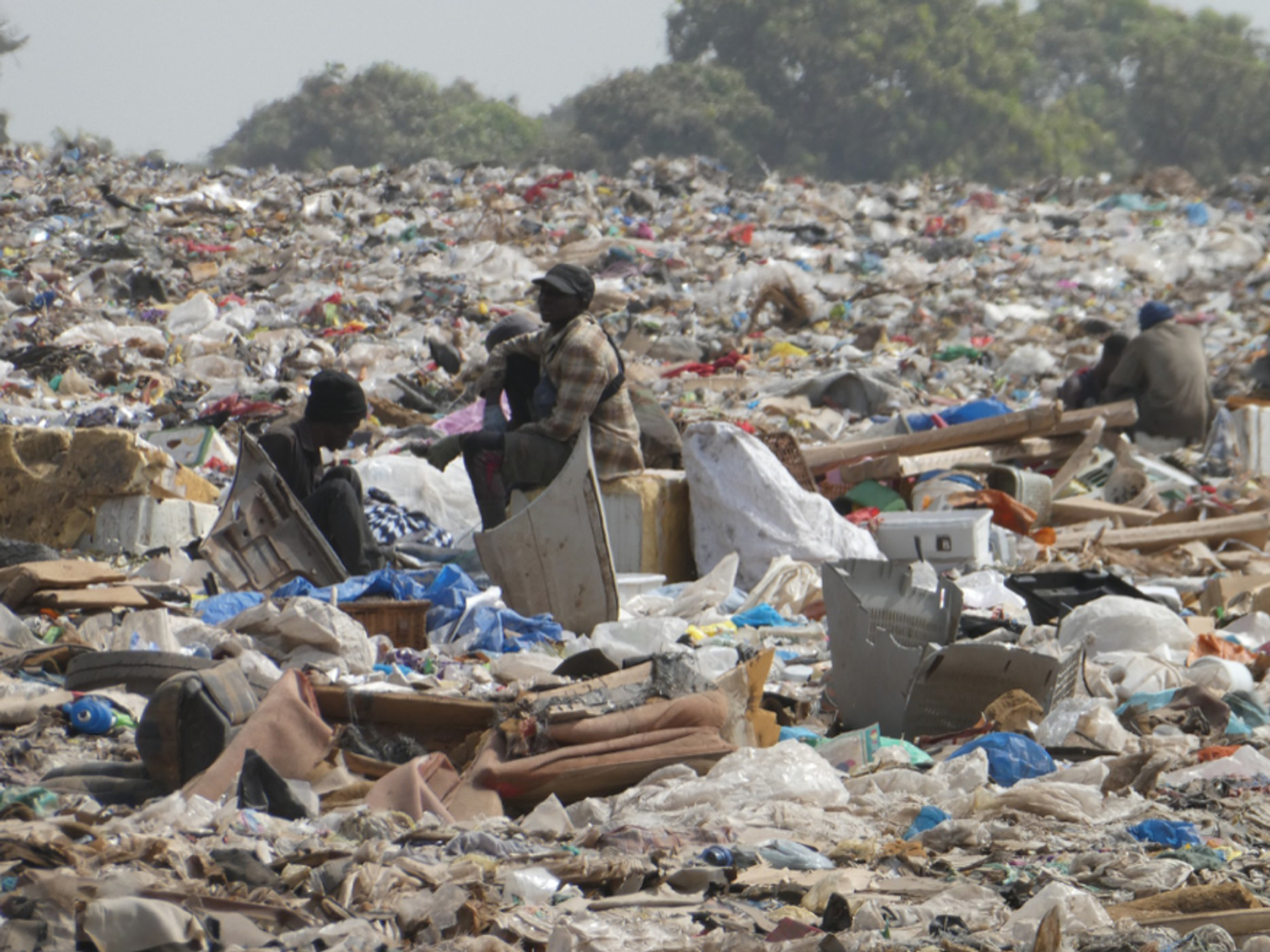
The smallest country in Africa, Gambia is a net importer of plastics. About 84% of this waste is not managed properly, with dire consequences for the people and the environment.
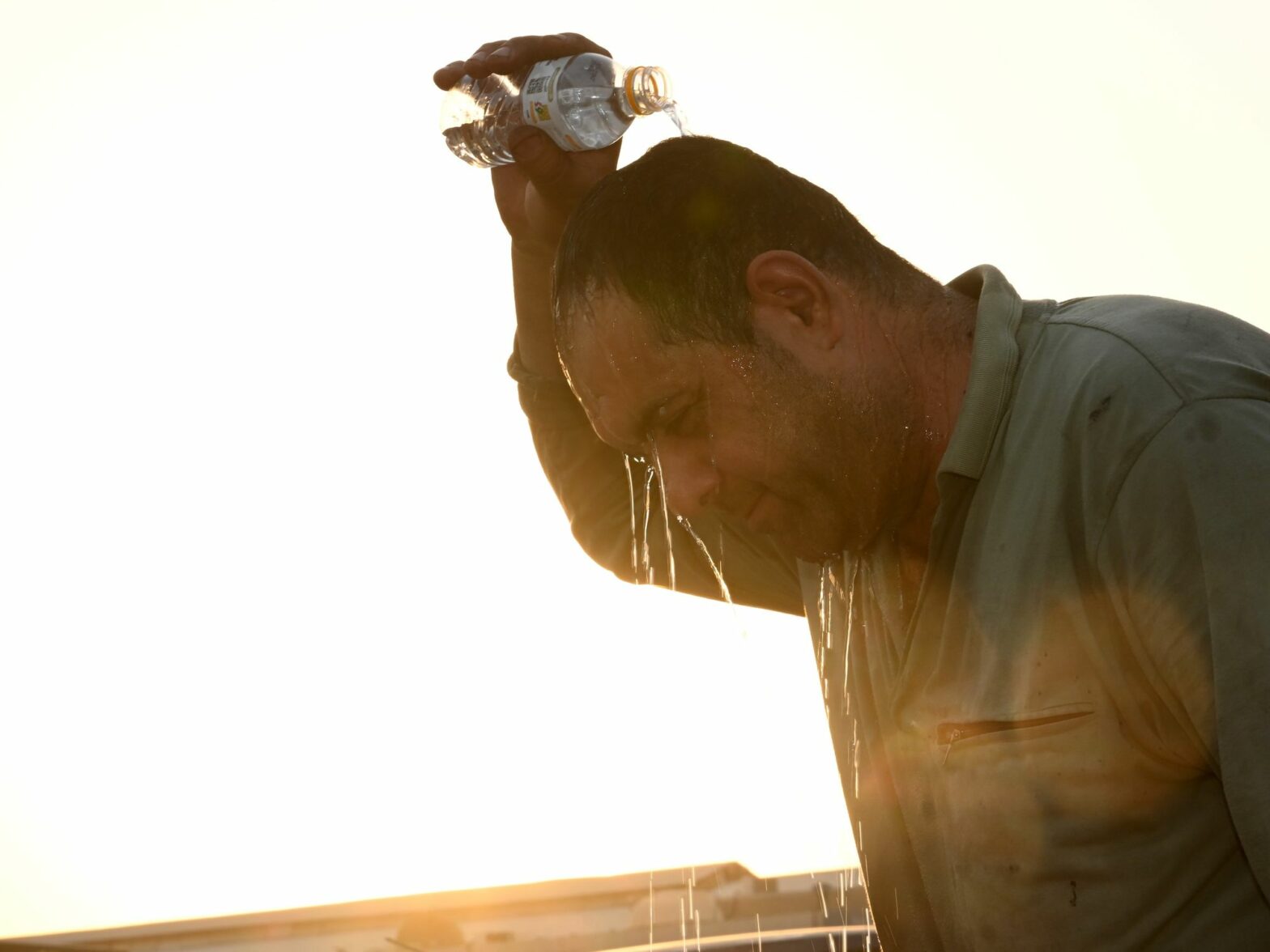
Climate change has become an inevitable issue in the Middle East and North Africa — which may soon experience 200 days of extreme heat annually — and with those changes come questions of environmental justice.
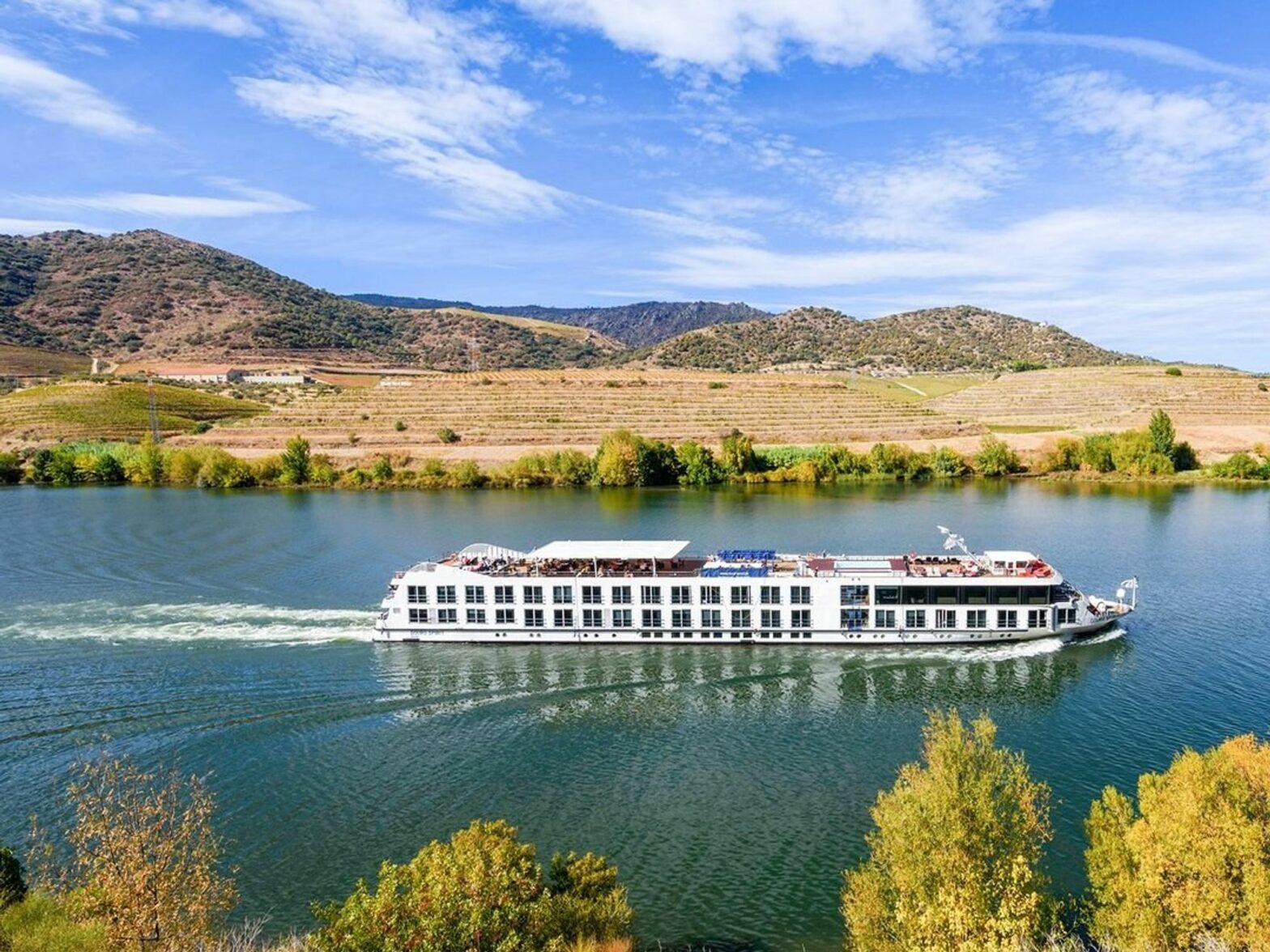
The popularity of cruises on the rivers of France and Europe is growing steadily with the wave of slow tourism. A way of traveling that reconciles freedom, concern for the environment and a different relationship with time.
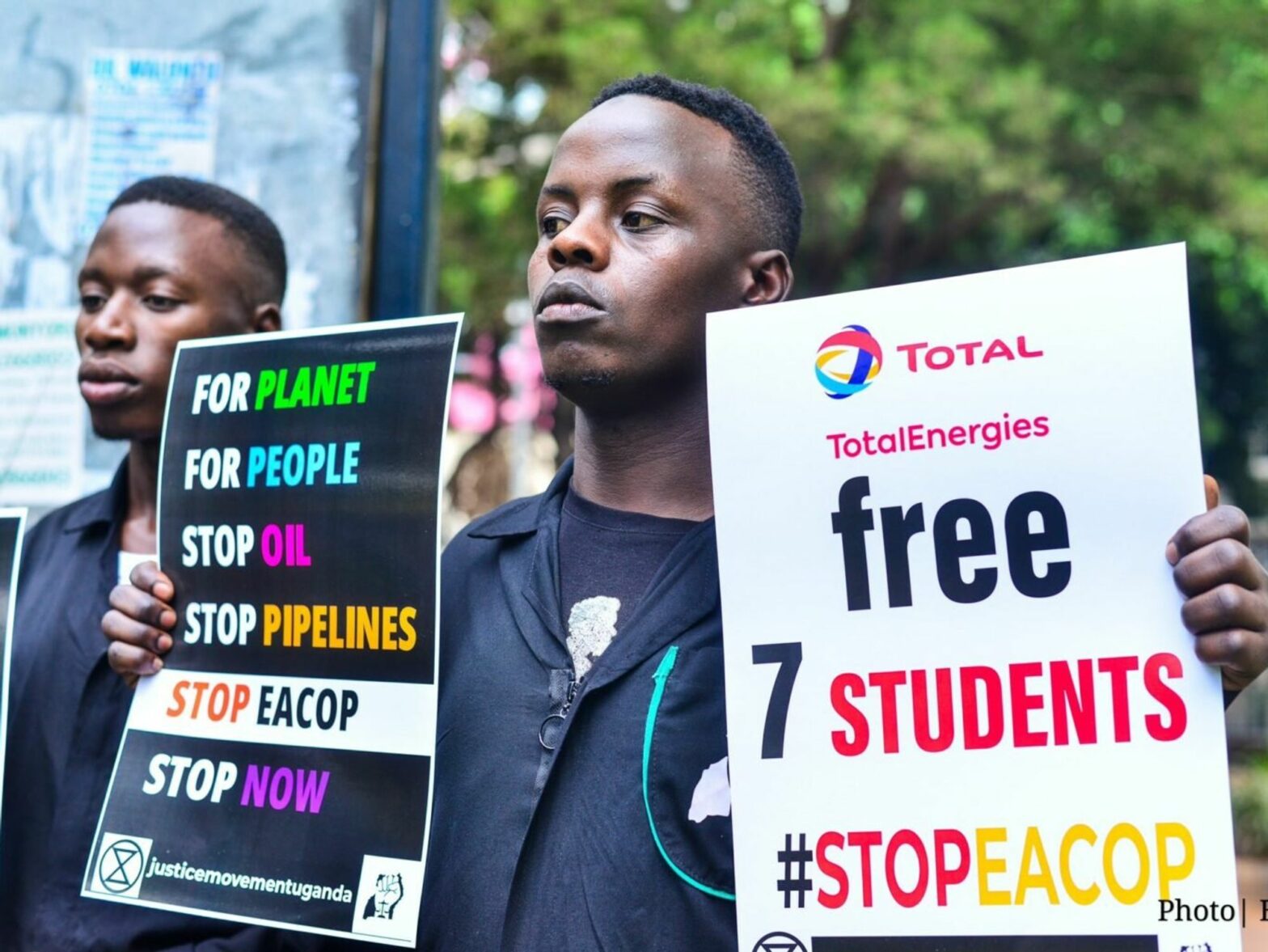
Oil development in Uganda and Tanzania, driven by the French multinational TotalEnergies, is met with opposition from local communities and social and environmental activists. The projects are surrounded by allegations of threats and human rights abuses.
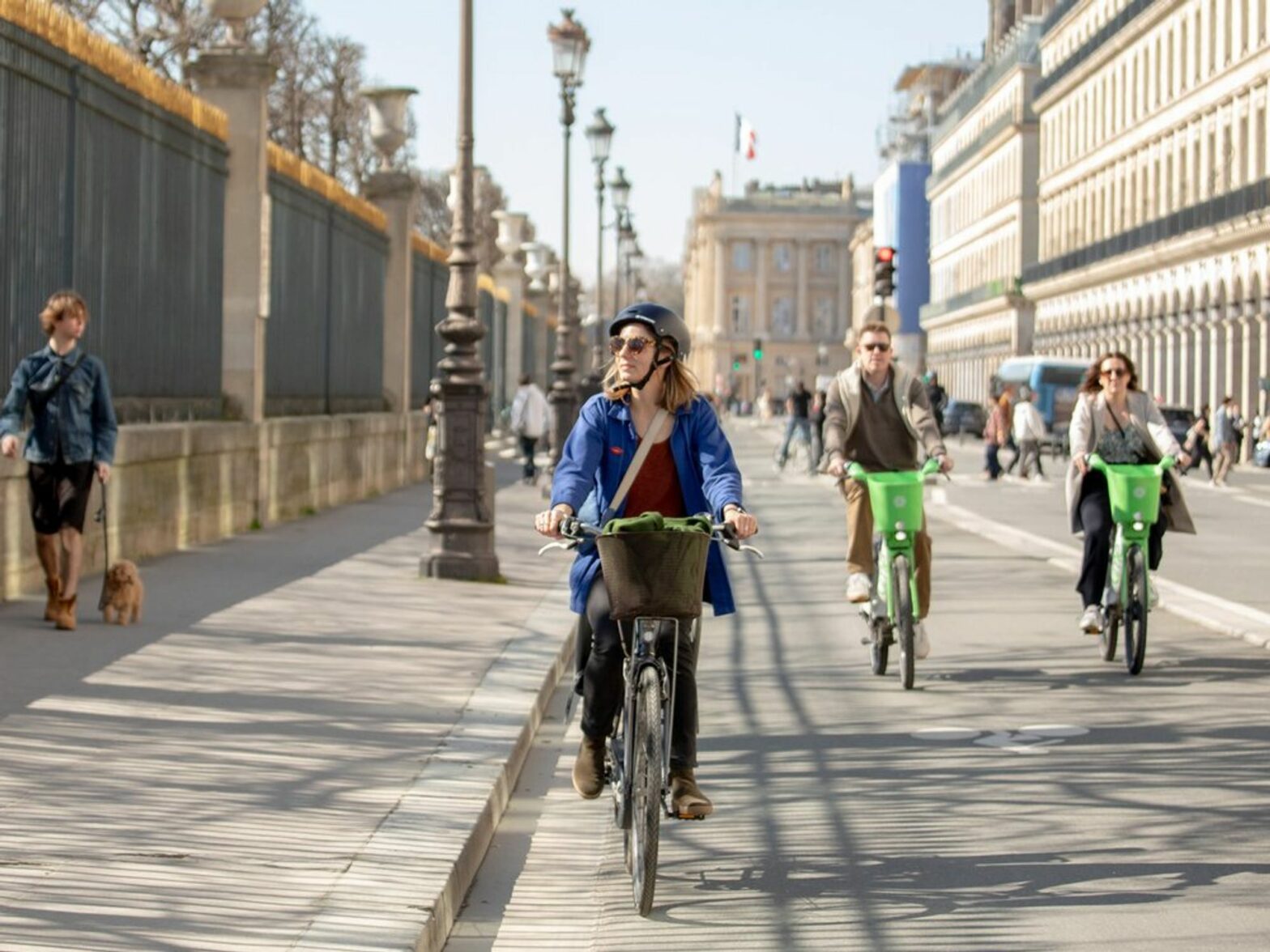
Mayor Anne Hidalgo made waves last week for swimming in the Seine following a historic effort to clean up the Parisian river. But her biggest environmental footprint is in trying to reshape Paris for a more pedestrian future.
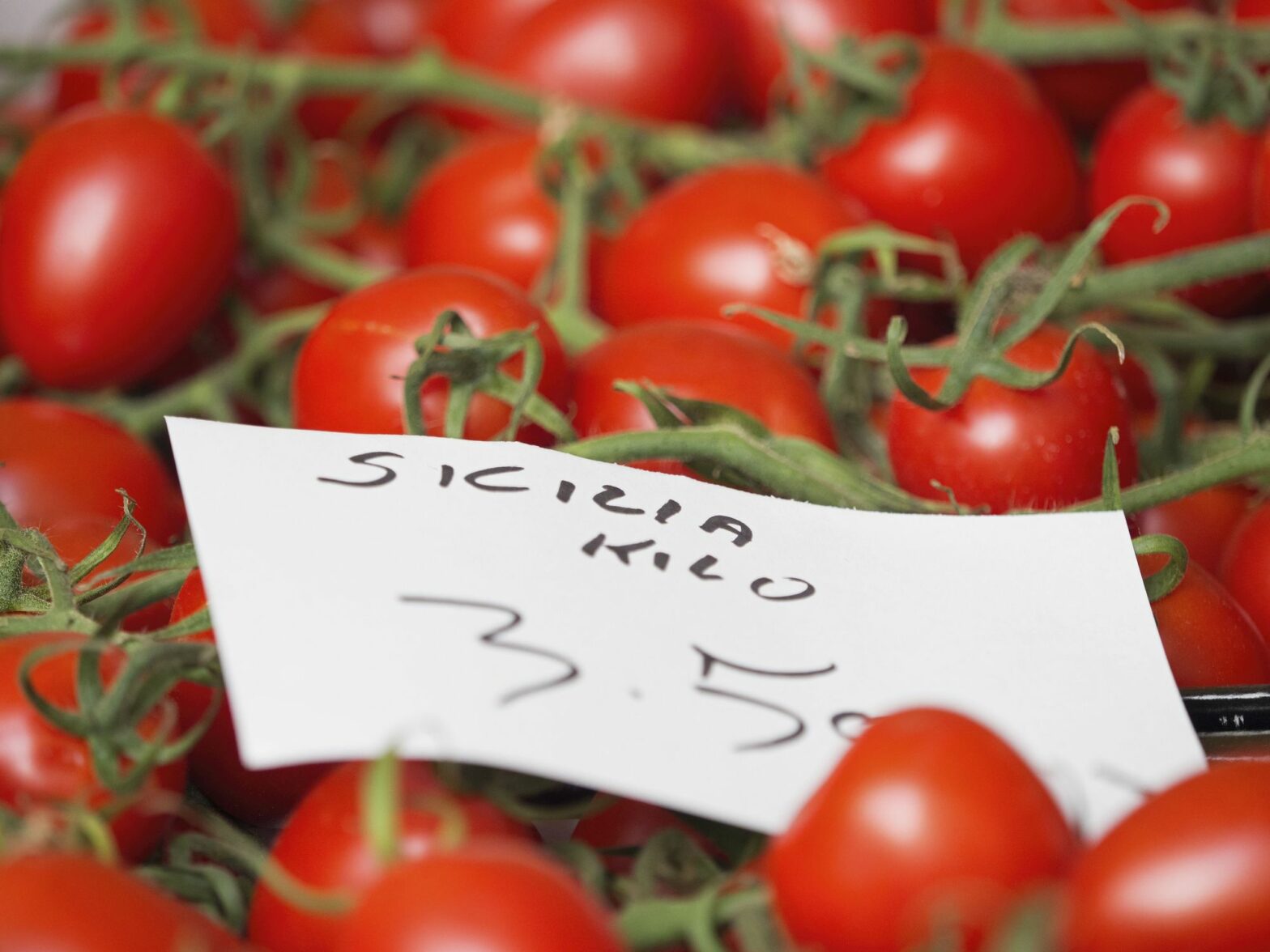
Following the horrific death of Satnam Singh, an Indian citizen working in Italian fields under slavery-like conditions, Carlo Petrini, founder of the International Slow Food Movement, reflects on how food sovereignty, a term dear to Giorgia Meloni and her far right government, exposes migrant workers to numerous perils, which can cost human lives.
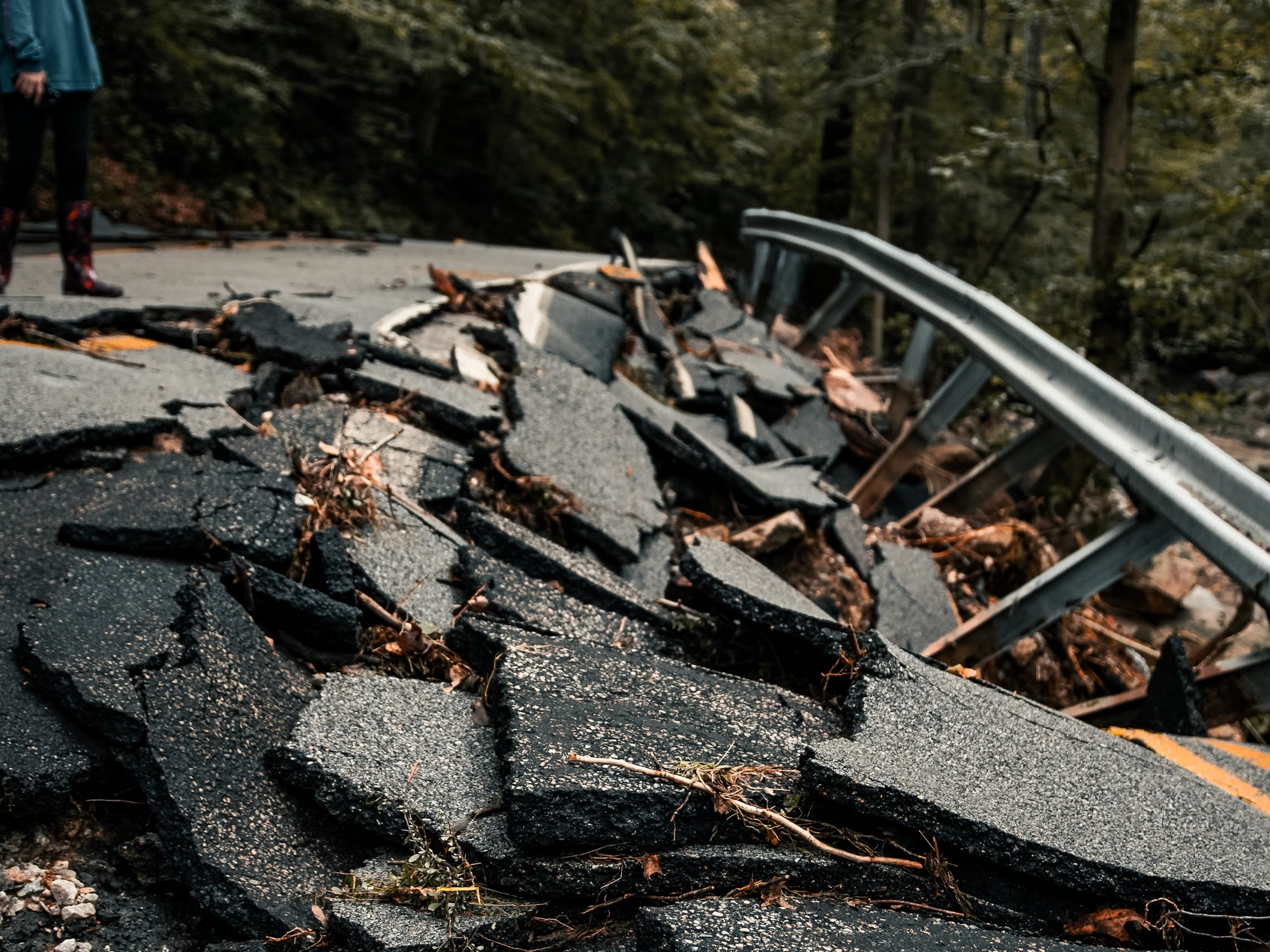
The Central U.S. is at risk for major disaster. But scientists don’t know why — or when — the next big one will strike.

The adult toy industry generates hundreds of millions of tons of waste a year. To counter their environmental impact, brands are now producing more eco-friendly erotic accessories using biodegradable materials and green practices throughout the production chain.
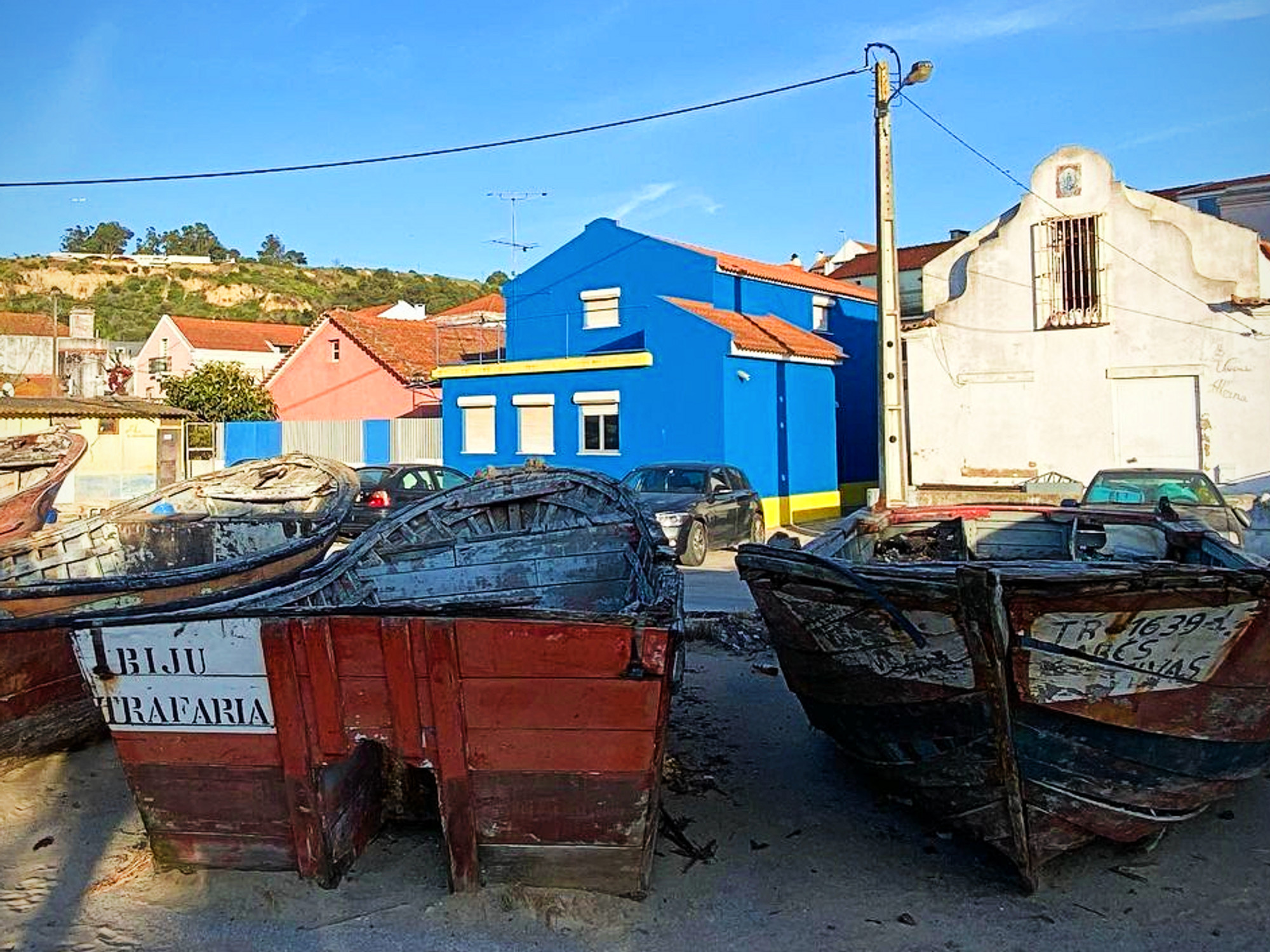
Floods have had a regular presence in Segundo Torrão, near Lisbon. But they are now threatening the lives of residents, as well as the survival of the local community.
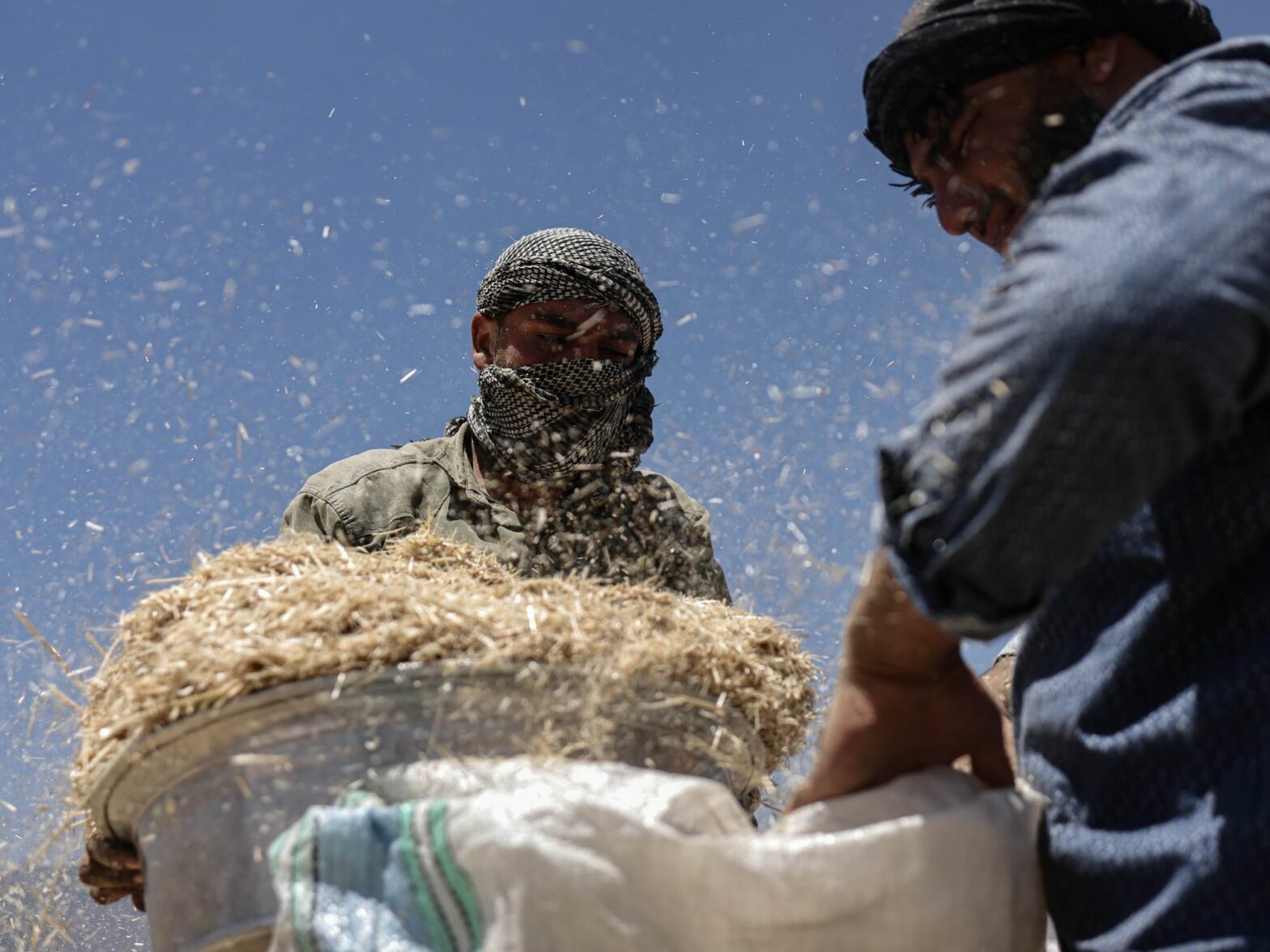
The production of wheat, a staple food in Syria, fell dramatically this year due to the effects of climate change. The poor harvest has left wheat farmers, already suffering from decades of conflict, struggling to rebuild their lives.

Mexico is already suffering the effects of the climate emergency. And president-elect Claudia Sheinbaum — a climate scientist and former environmentalist — will have to choose between taking her predecessor’s fossil route and a harder but more sustainable path.

More than 1,300 people have died on the annual pilgrimage to Mecca. It’s not just a personal tragedy for Muslim worshippers, it’s a warning from mother nature.
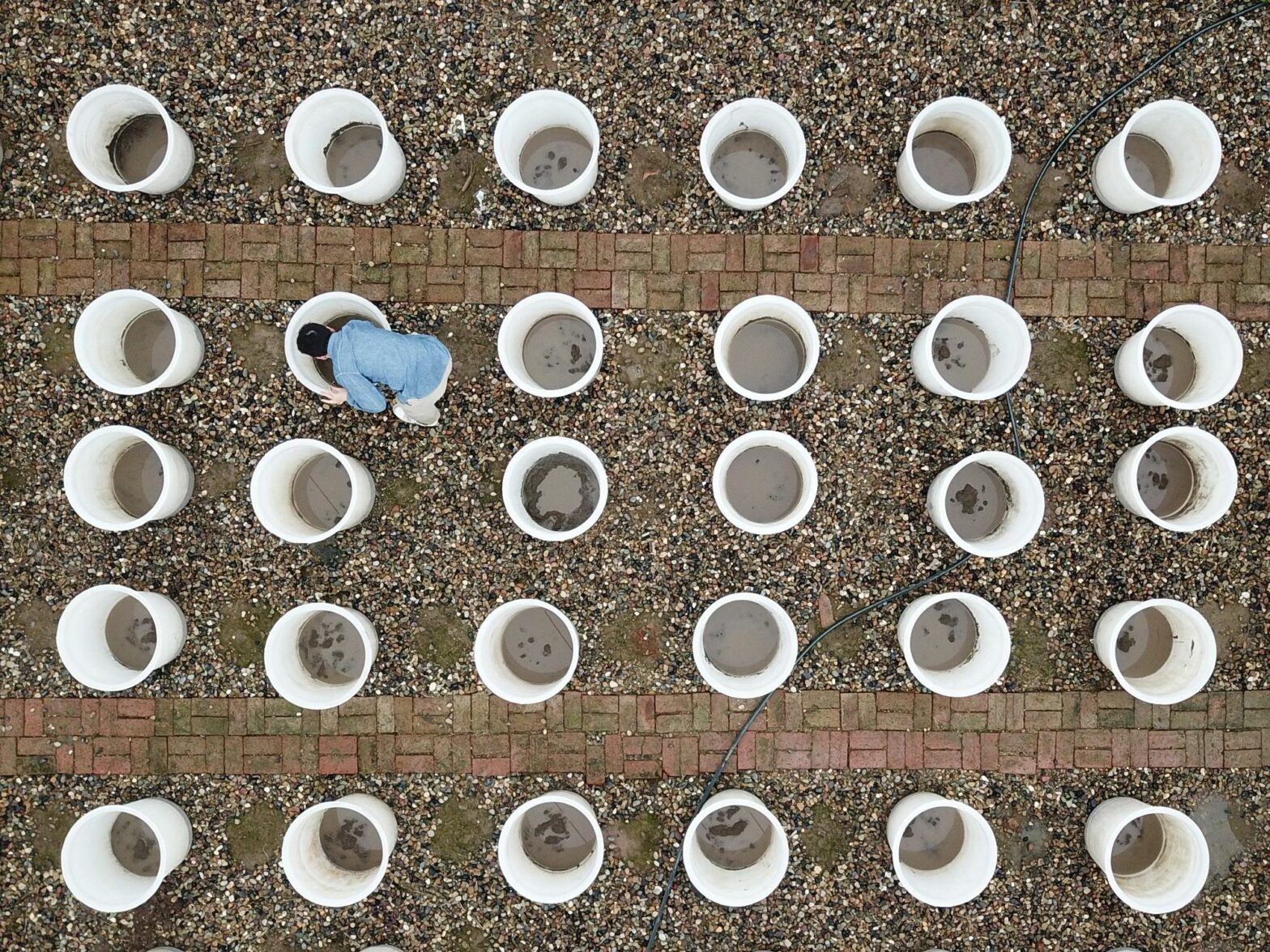
Impoverished by decades of intensive farming, soils are losing their capacity to store carbon and retain water. Today, alternative farming methods try to offer a solution to the problem, but the results are far from ideal.

Even as technology could offer solutions to surviving as our planet gets warmer, humans themselves are innately adaptable creatures — and extreme heat could change our genes.
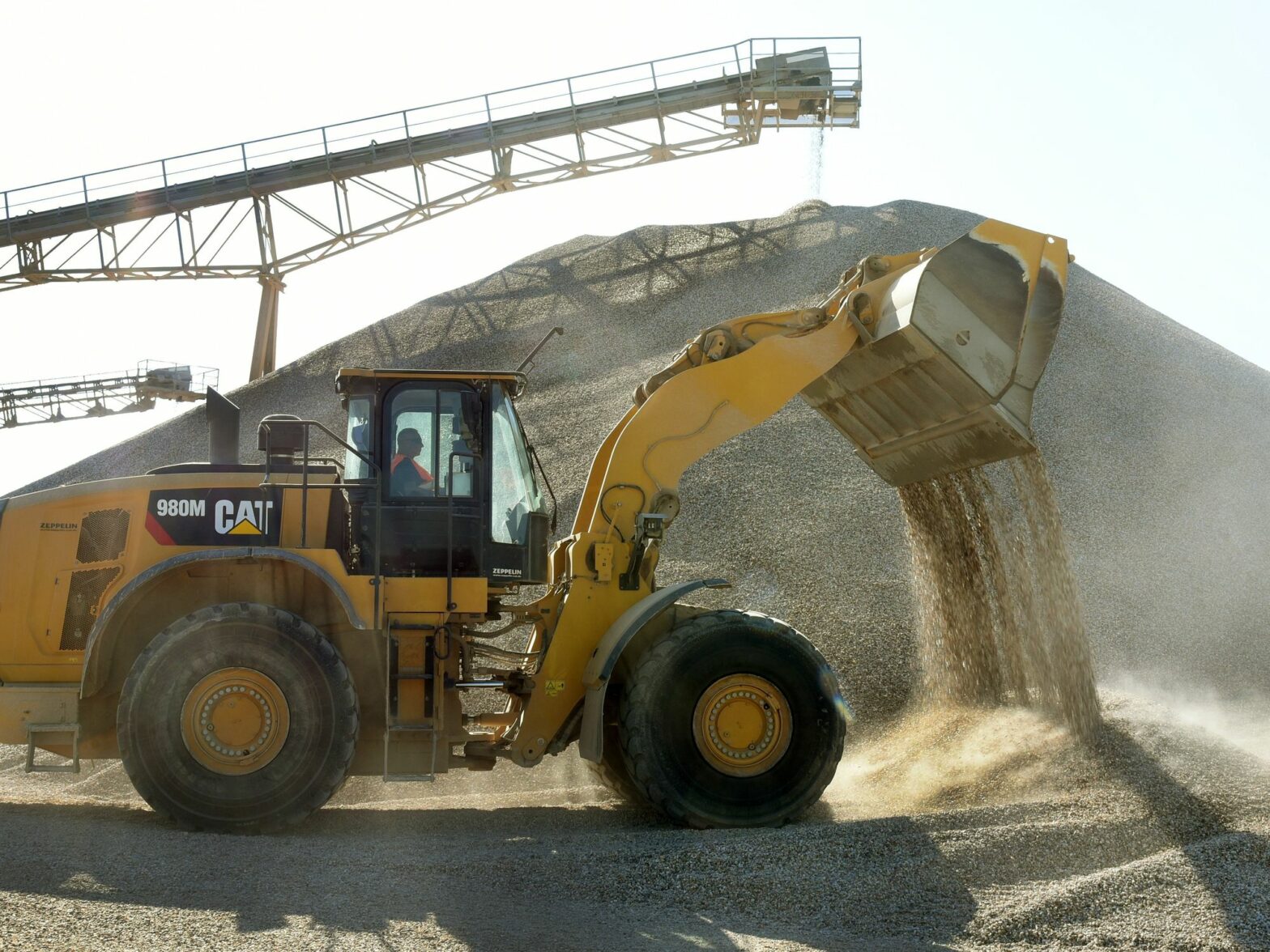
Global sand consumption has tripled in 20 years, to the point where the United Nations has called for countries to rethink their use of this “strategic resource” that is fueling tensions between states.
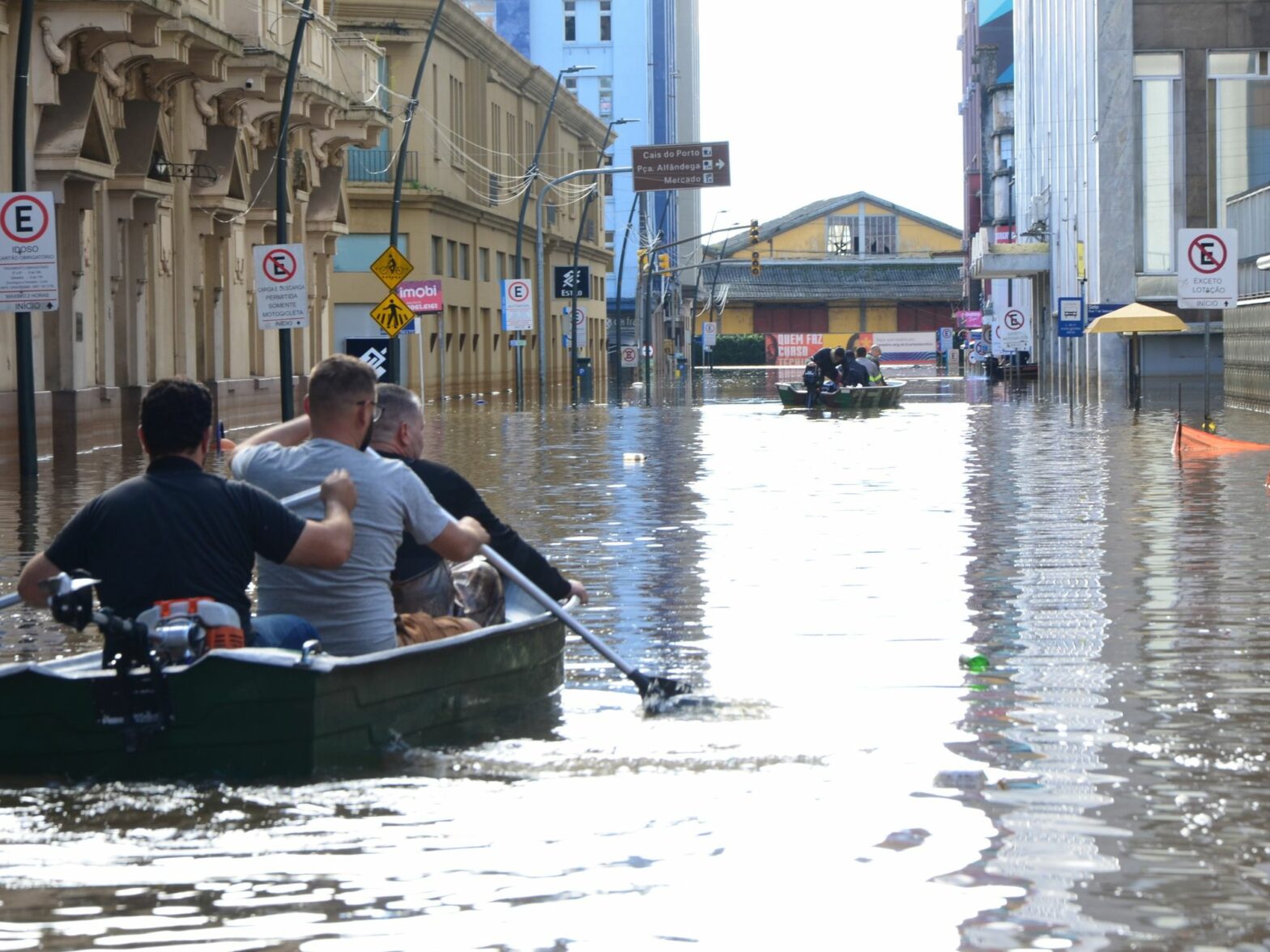
Similarities have been drawn between the cases of New Orleans, after Hurricane Katrina in 2005, and Porto Alegre, which last month the worst flooding in 80 years. But the U.S. reconstruction was an enormous failure, and Brazil should not look at it for solutions.
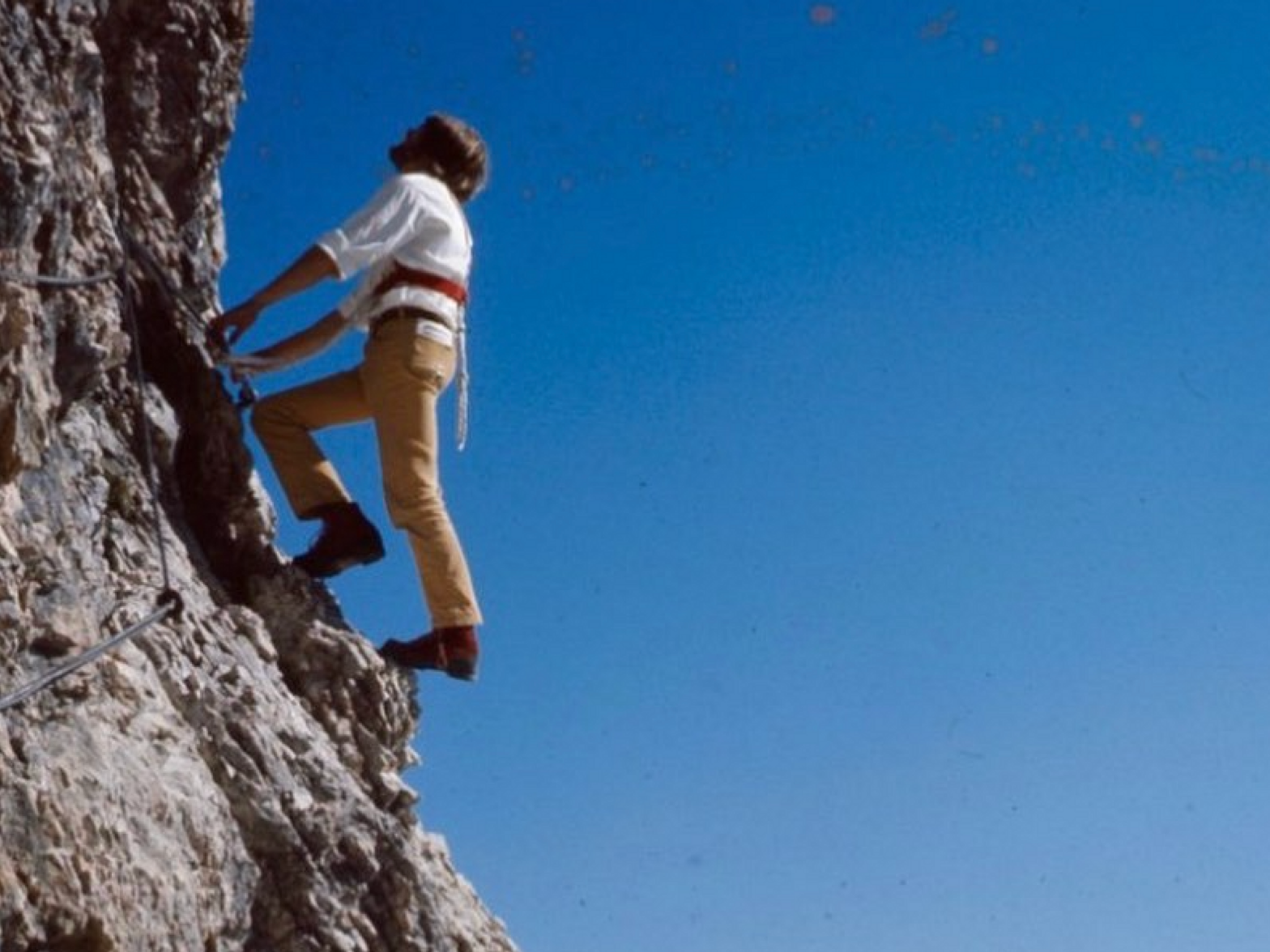
At the age of 79, the Italian-born, German speaking Reinhold Messner is a climbing legend, who was the first climber to ascend all fourteen peaks over 8,000 metres (26,000 ft) above sea level — without supplementary oxygen. Today he keeps moving, and thinking.
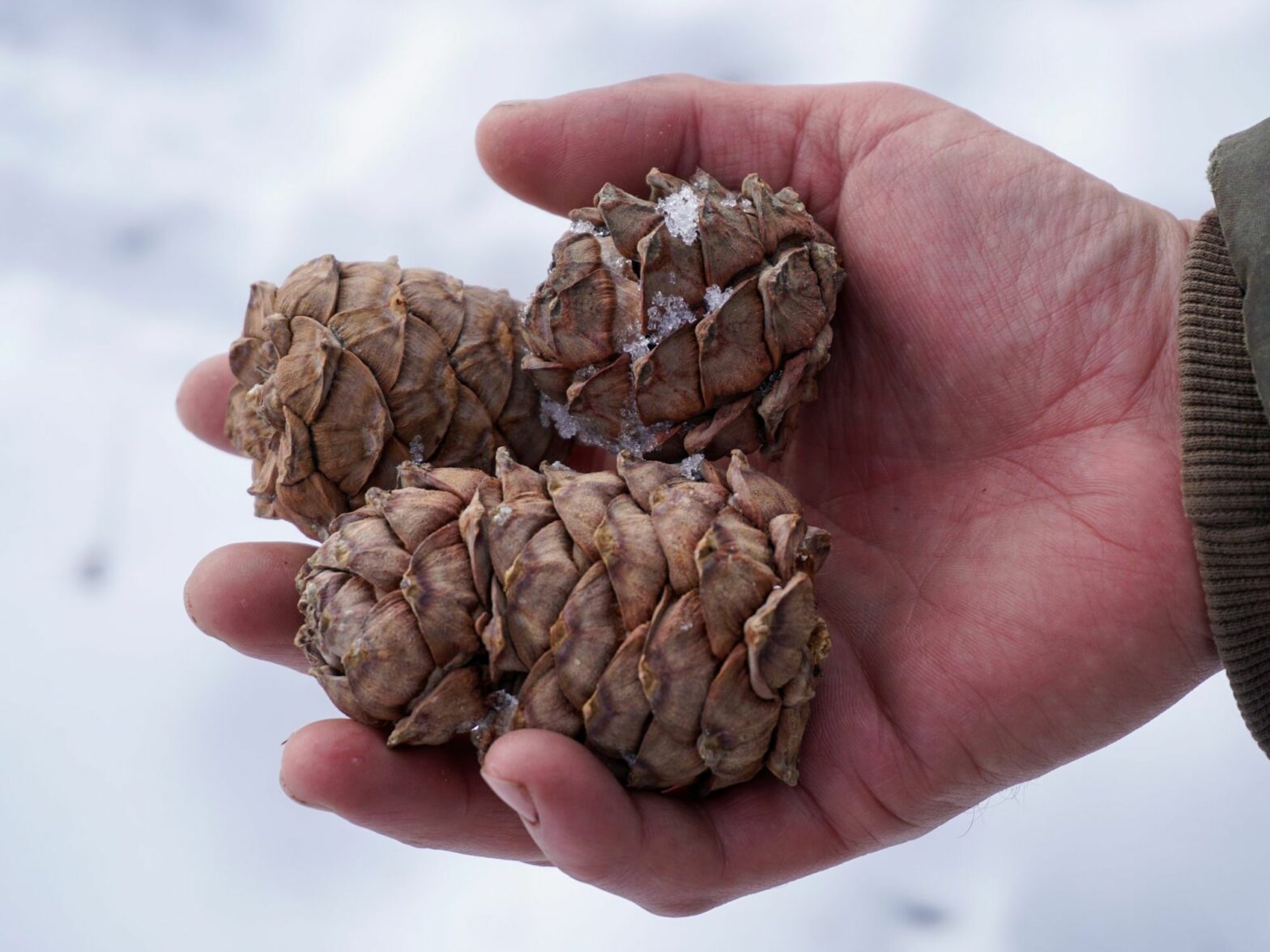
Cedar trees across Mongolia bear the wounds of an illegal market for their prized nuts.
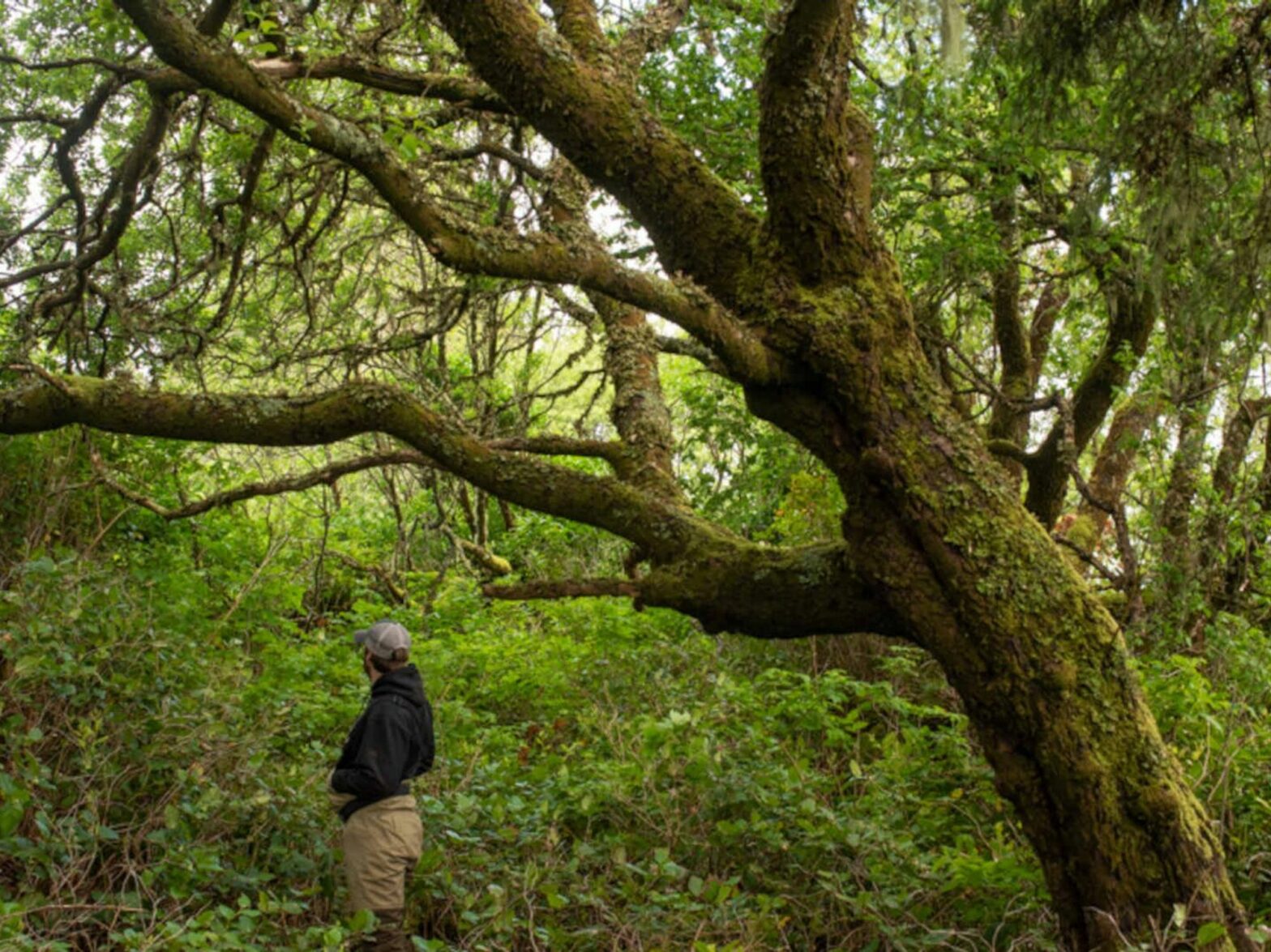
For 3,000 years, the Sts’ailes Nation cultivated and nurtured plants for survival. Now researchers’ work about those forest gardens is being used to support a legal land claim by Canada’s Sts’ailes Nation against the province of British Columbia.
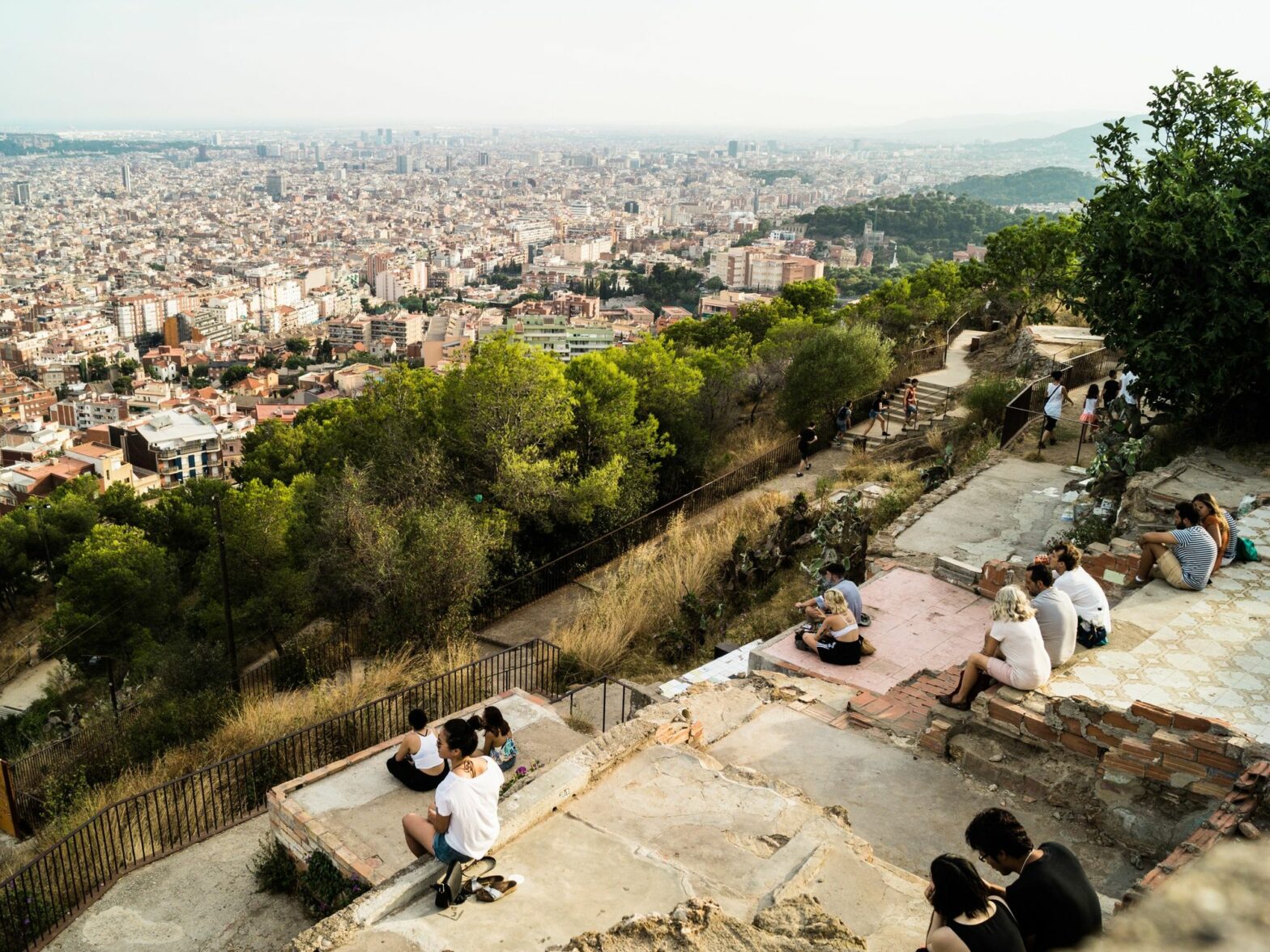
Pollution and climate change have prompted some cities to convert into more sustainable and liveable spaces. But these same policies can widen social inequality. How can cities fix this paradox?
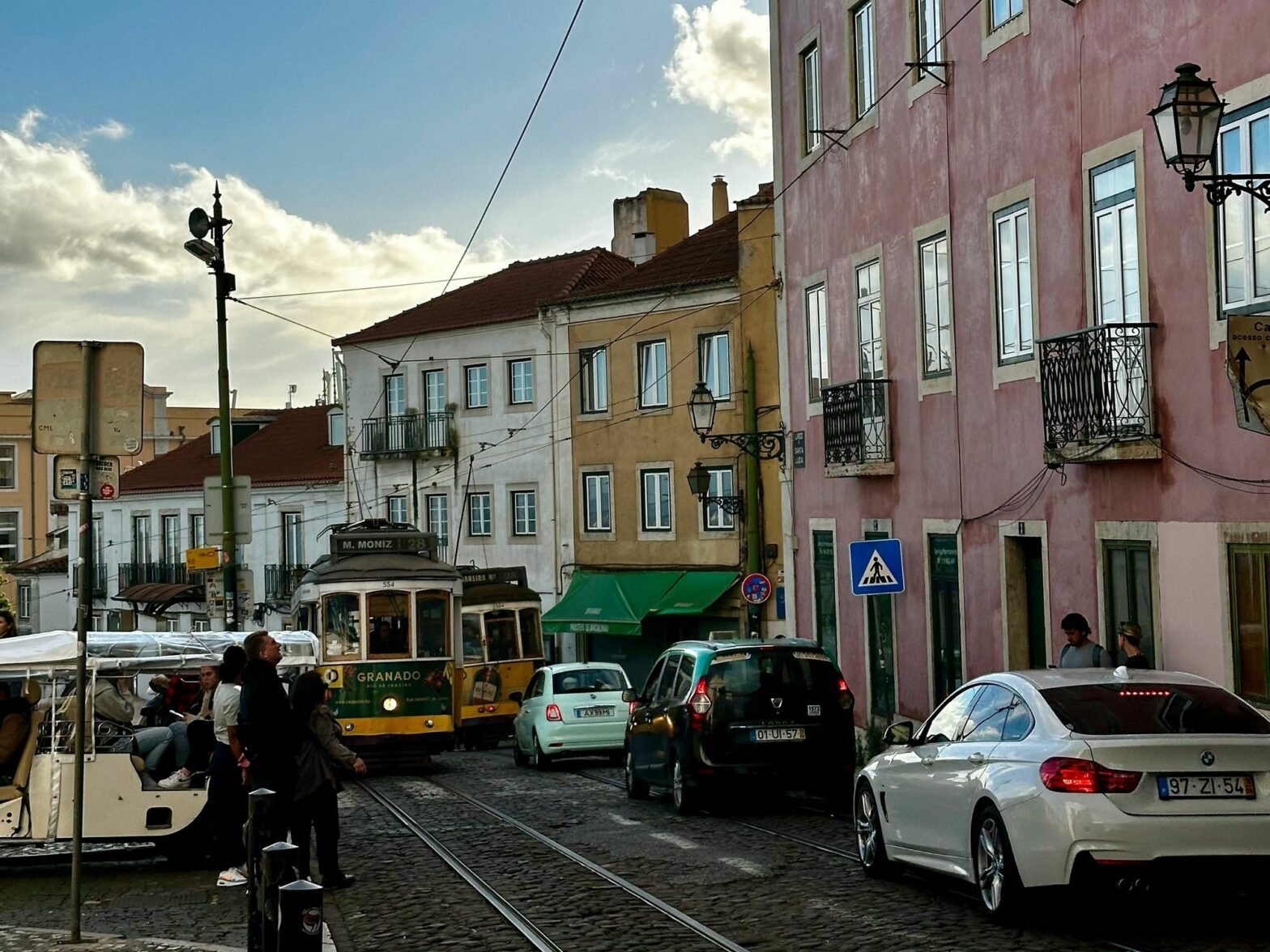
The construction of parking spaces is an obligation in new urban building projects. But increasing the supply of parking in the city center doesn’t necessarily improve mobility. It may be just the opposite.

The story of food is a story of coexistence with nature and of memory. A publishing trend focuses on how the food we eat impacts the planet, and how we can find new recipes and ways of consuming food that are more climate conscious.
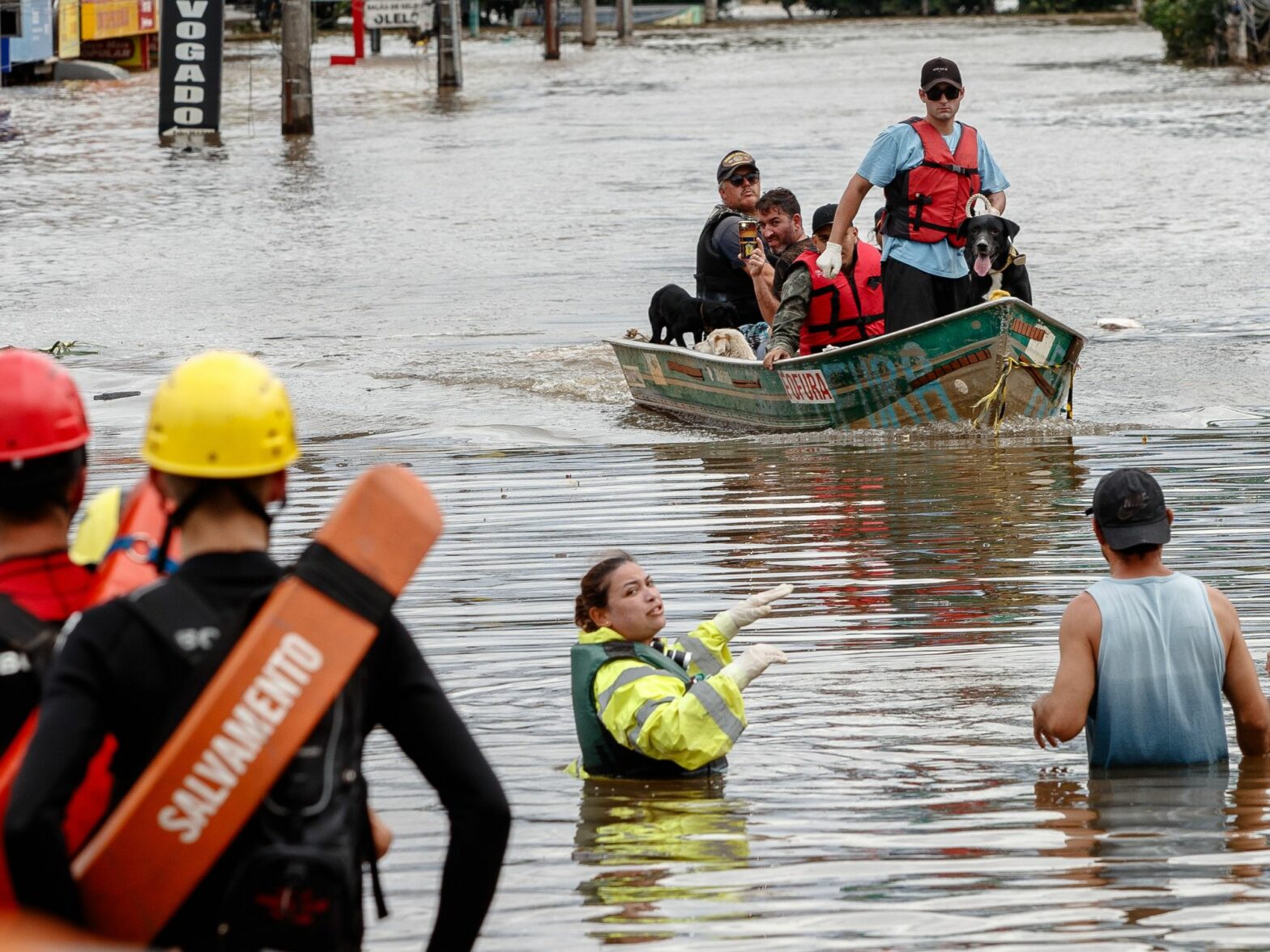
The deadly floods in southern Brazil are unprecedented but not unexpected. Ahead of the October local elections, Brazilians must remember that politicians have ignored scientists’ predictions and weakened legislation that could have helped deal with climate change.

While Paris aims to host the greenest Olympics this summer, the French company Rebond is working to make soccer balls, typically pumped up with petrochemicals, more environmentally friendly by using bio-sourced and recyclable materials.

Presented at Madrid’s Matadero cultural center until late July, “Climate Fitness, Rituals of Adaptability” features five works that invite visitors to question the social and economic structures that have led to the climate crisis and consider other possible futures.
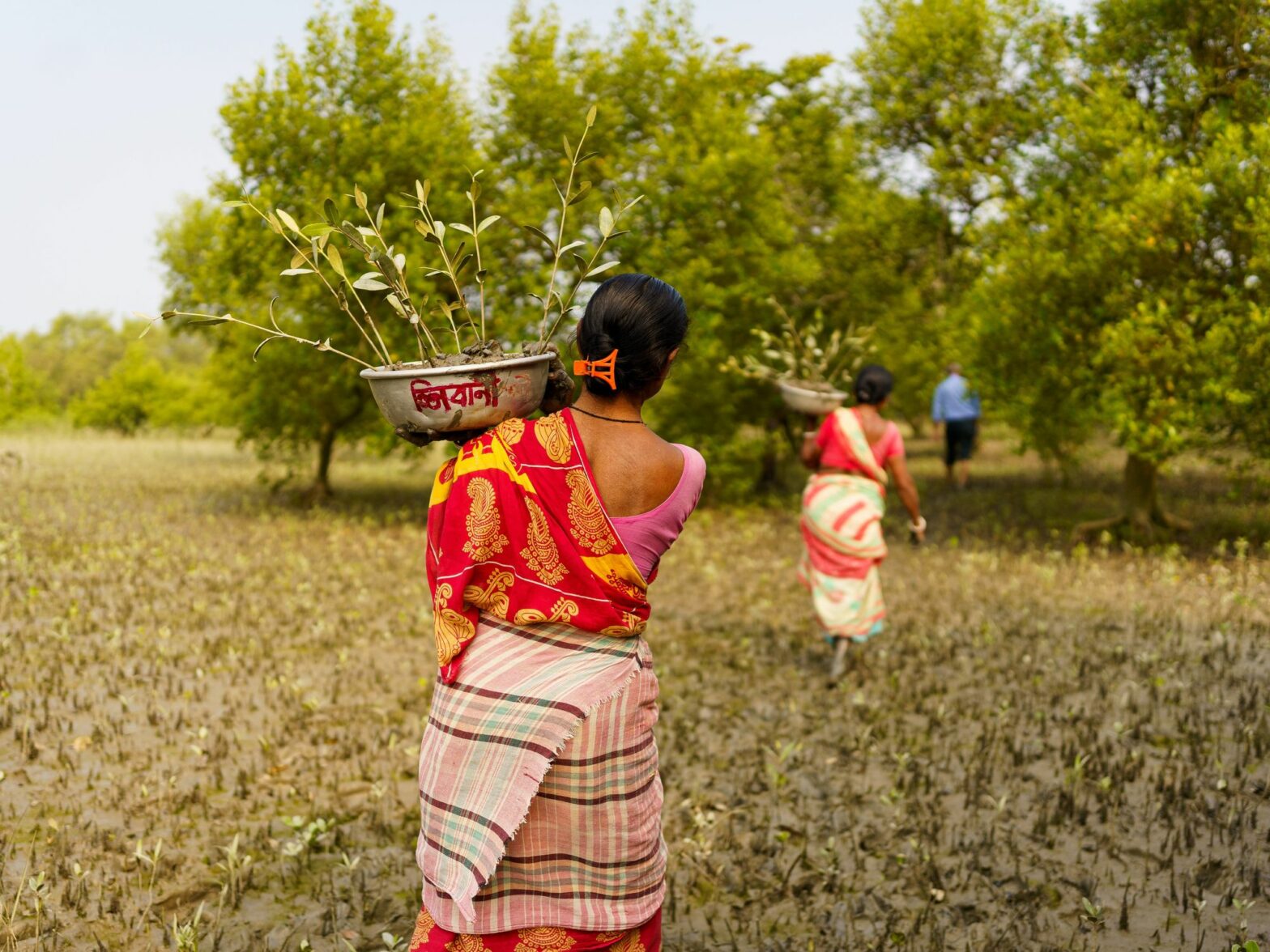
All informal workers face climate change and it impacts their livelihood — reduced income as well as reduced hours of work. Workers talk about fatigue and dehydration, excessive sweating, and general mental stress and anxiety.

Light pollution in Chile’s Atacama Desert, home to crucial star-gazing infrastructure, is threatening the future of astronomy. Can a new nationwide lighting standard make a difference?
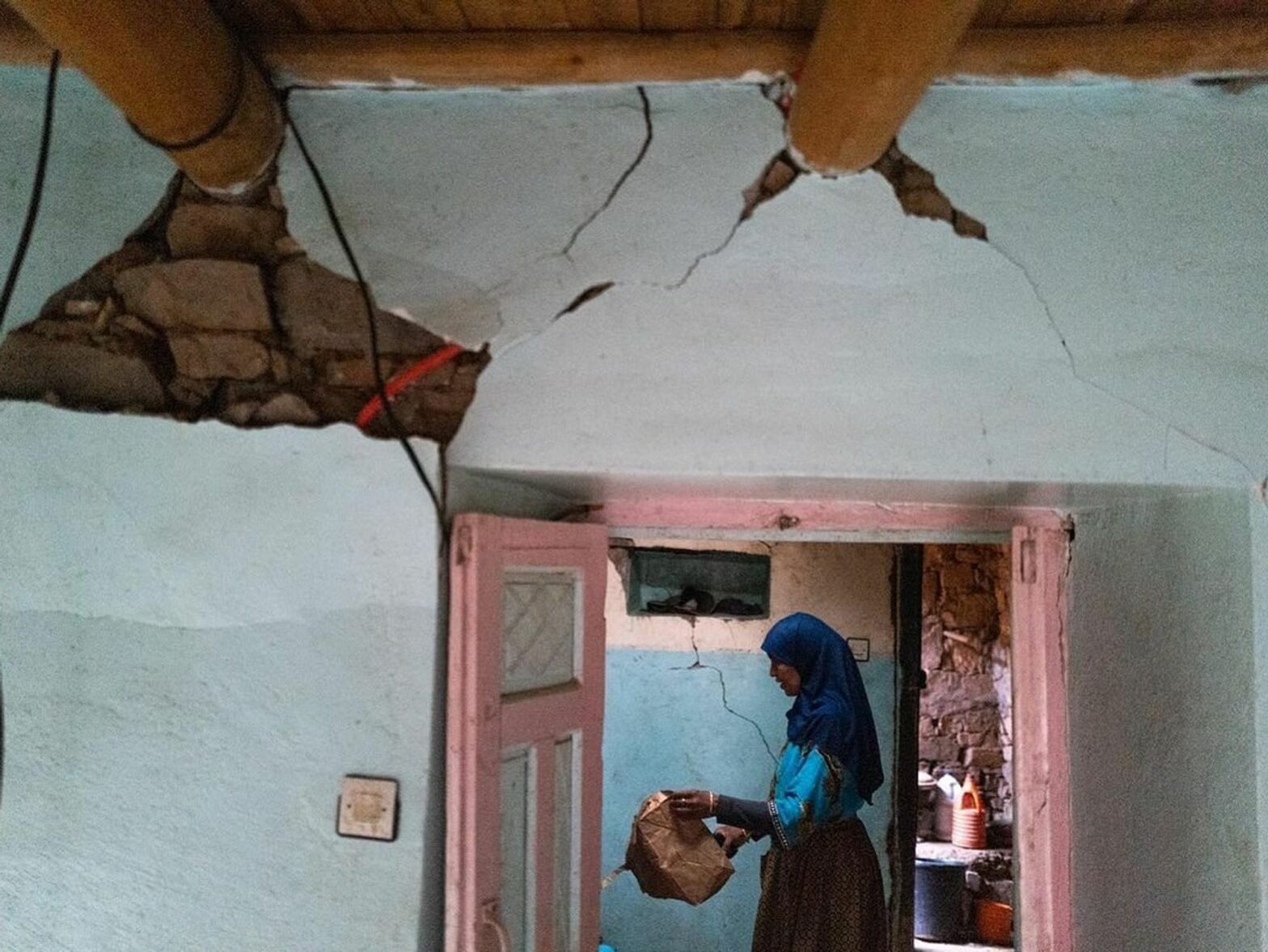
When a violent earthquake rocked the High Atlas in 2023, traditional earthen buildings resisted the seismic shocks better than other more modern ones. Yet despite its resilience and sustainability, this valuable cultural heritage is the victim of misperceptions and risks abandonment.
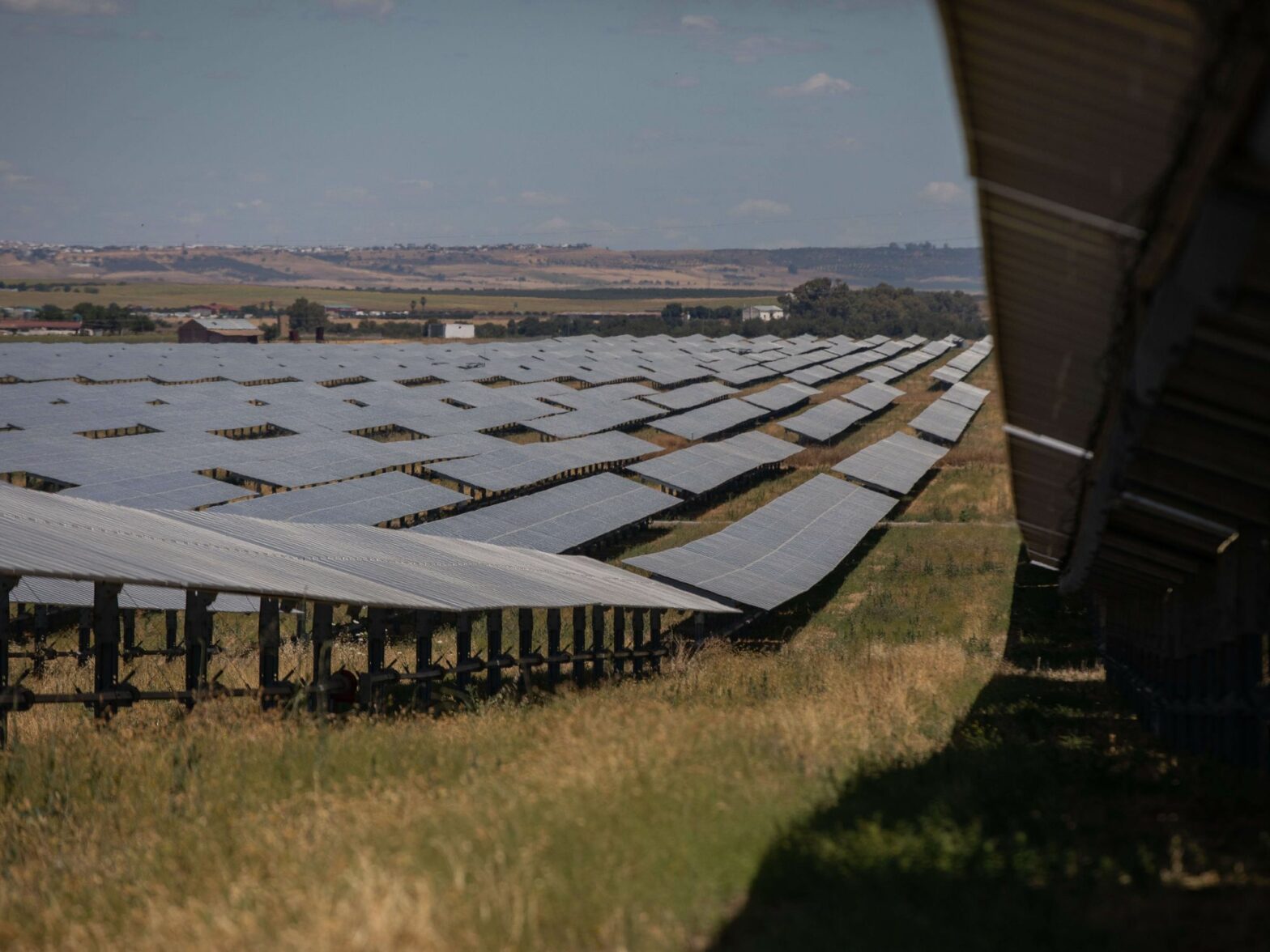
An investigation reveals that the company does not own any of the three renewable power plants it claims to operate in Spain — as well as a scheme allowing Amazon to dodge full regulatory oversight of its projects.
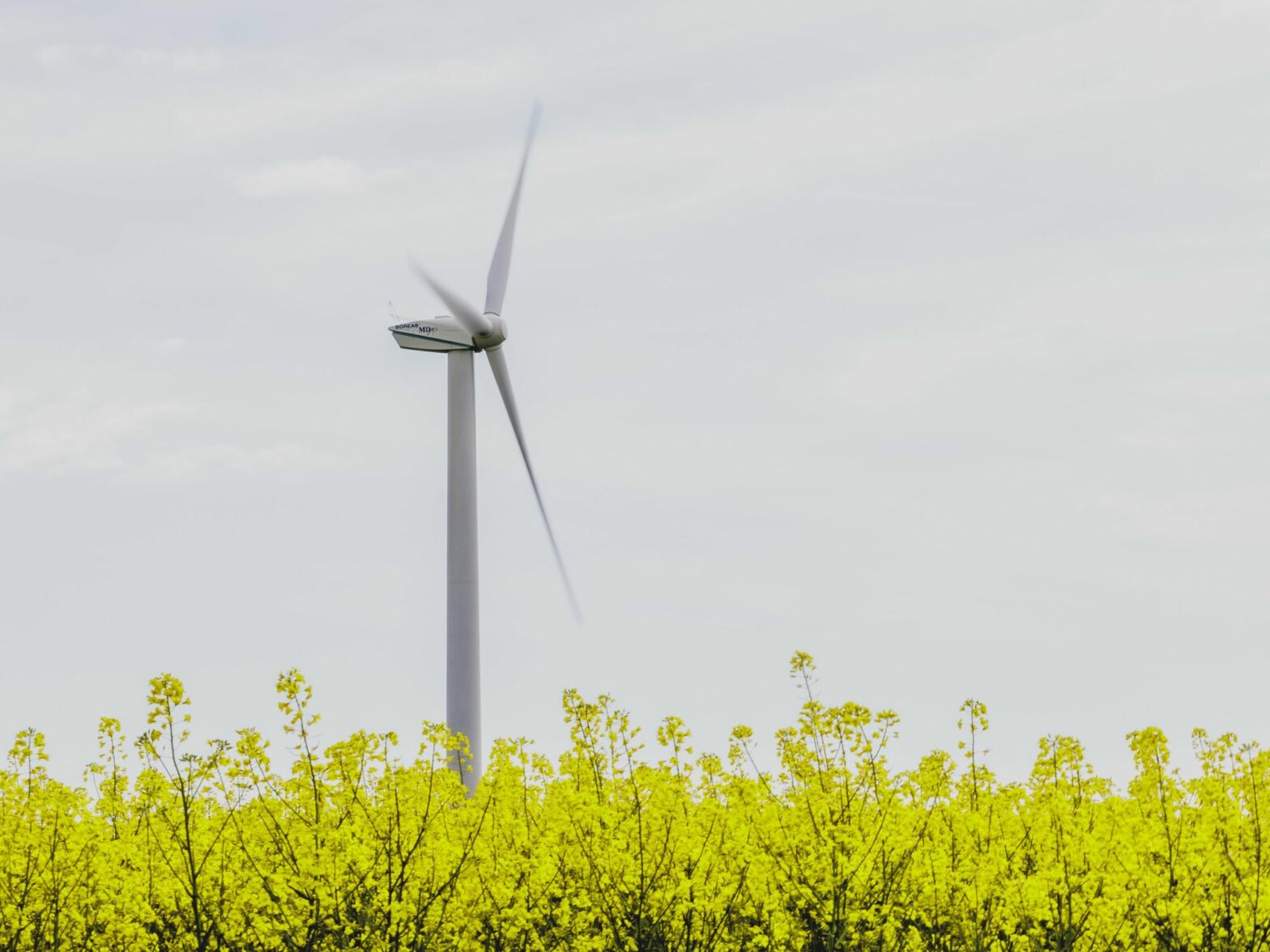
Scholars are increasingly pointing to ways that an overwhelming focus on emissions reduction — what has become known as carbon tunnel vision — can get in the way of holistically addressing the many sources of environmental decay.
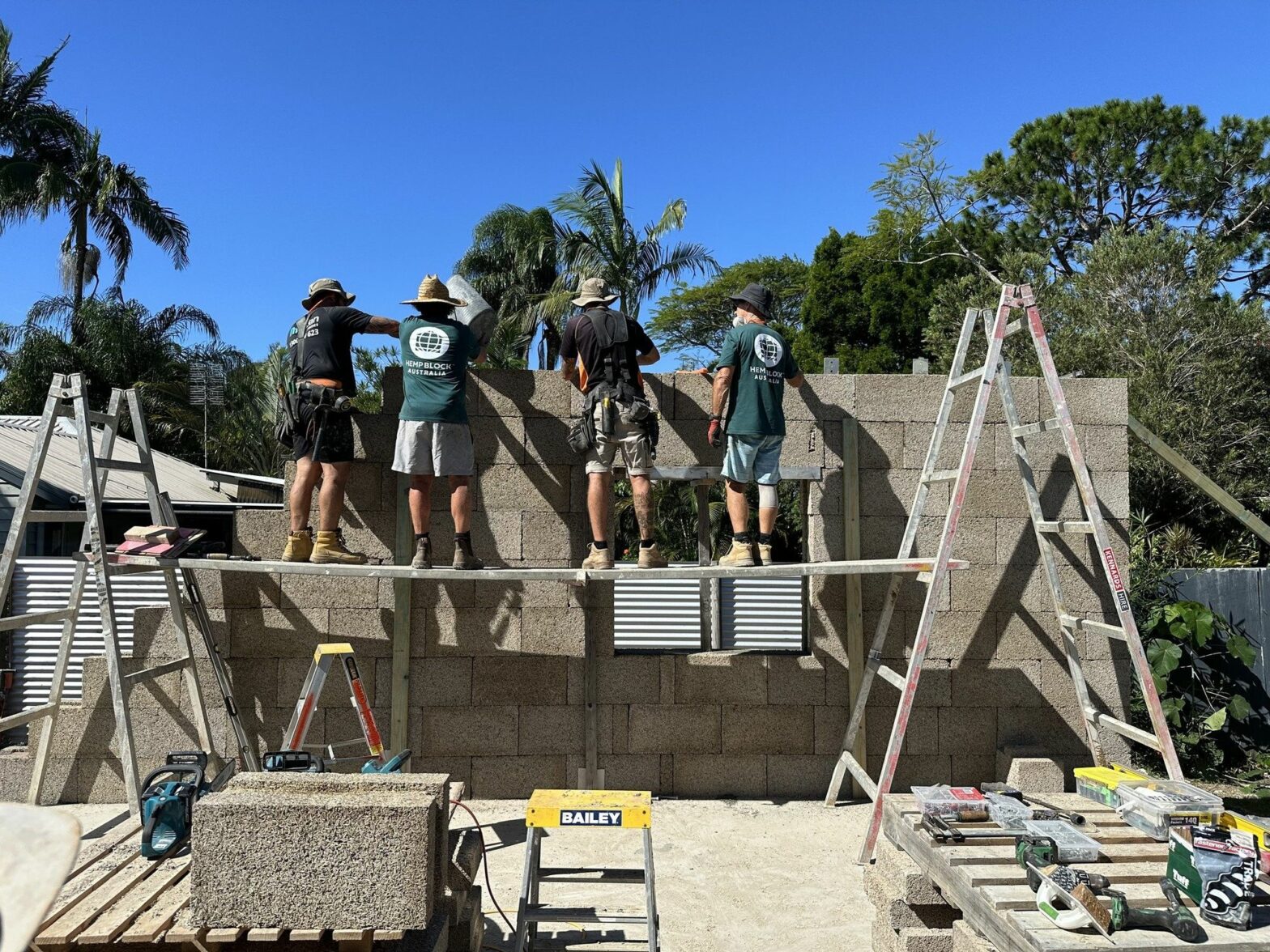
Hemp has long had more uses than getting high. The plant is now increasingly being used in the construction of houses, with huge benefits for the climate. The only issue is growing enough to meet surging demand.