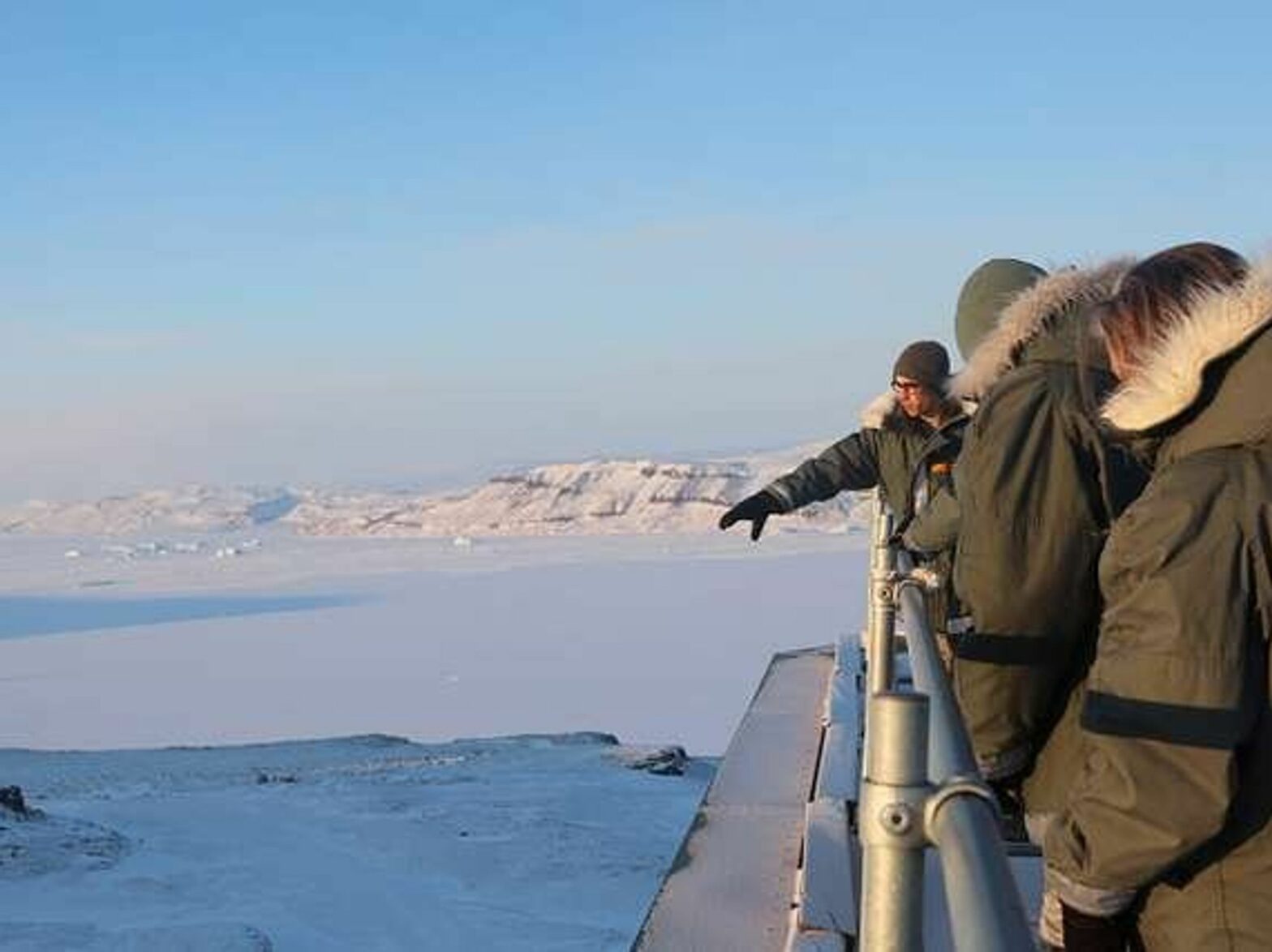
The newly inaugurated U.S. president is missing the real strategic and economic value of the island, which is ultimately linked to world’s ability to reduce global warming.
 Worldcrunch
The newly inaugurated U.S. president is missing the real strategic and economic value of the island, which is ultimately linked to world’s ability to reduce global warming.
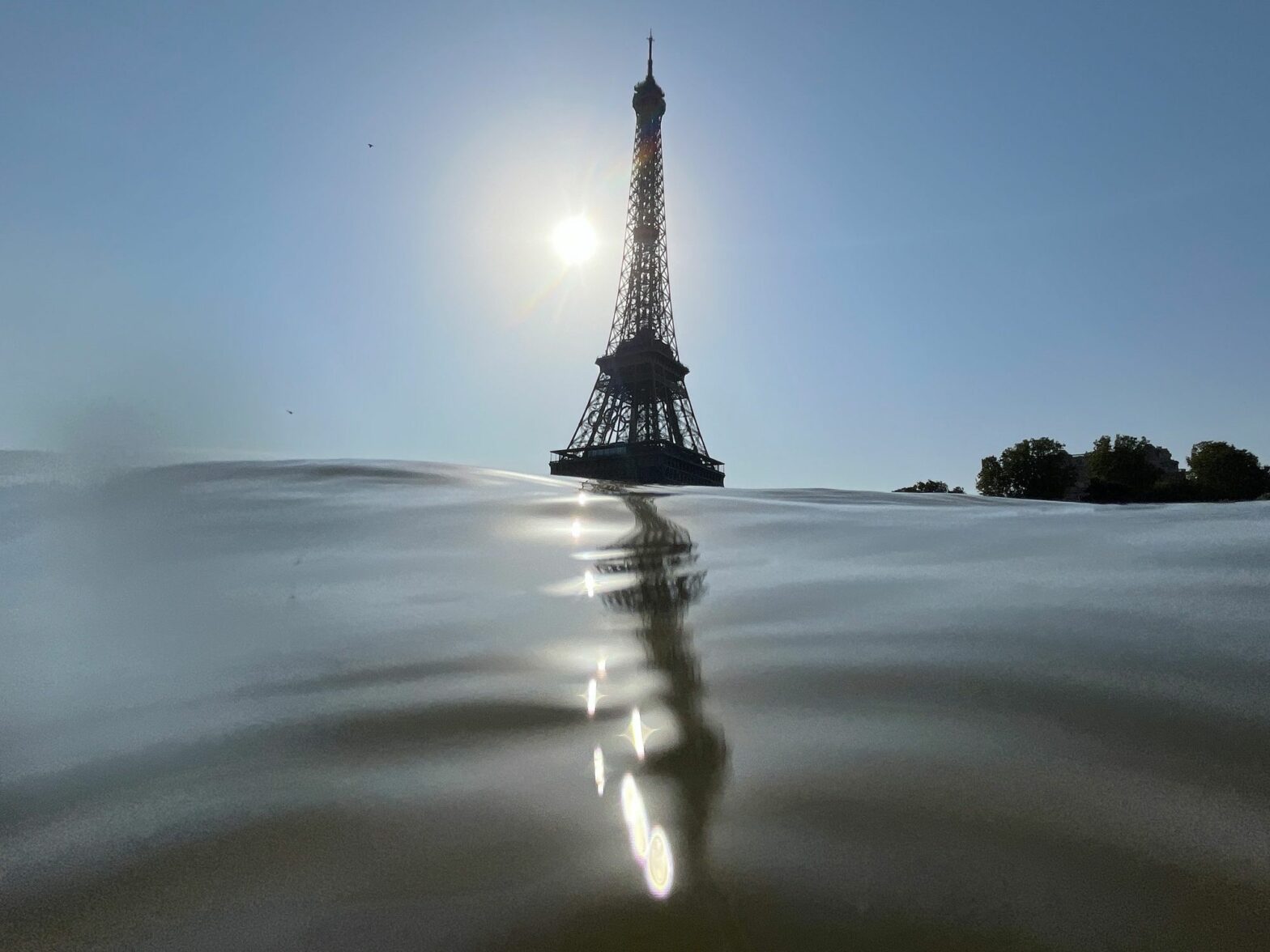
The photos of athletes swimming in the Seine during the Paris 2024 Olympics seem to have convinced some that the river could become a swimming pool for Parisians. But as the Mayor of Paris’ office considers protecting the “rights of the Seine,” French chemist and academic Bernard Meunier argues that the Seine is above all a navigable waterway.

Having your own car means unlimited freedom. Right? A study shows that yes, it can increase life satisfaction. But freedom is a myth, and dependency on your vehicle will reduce overall happiness.
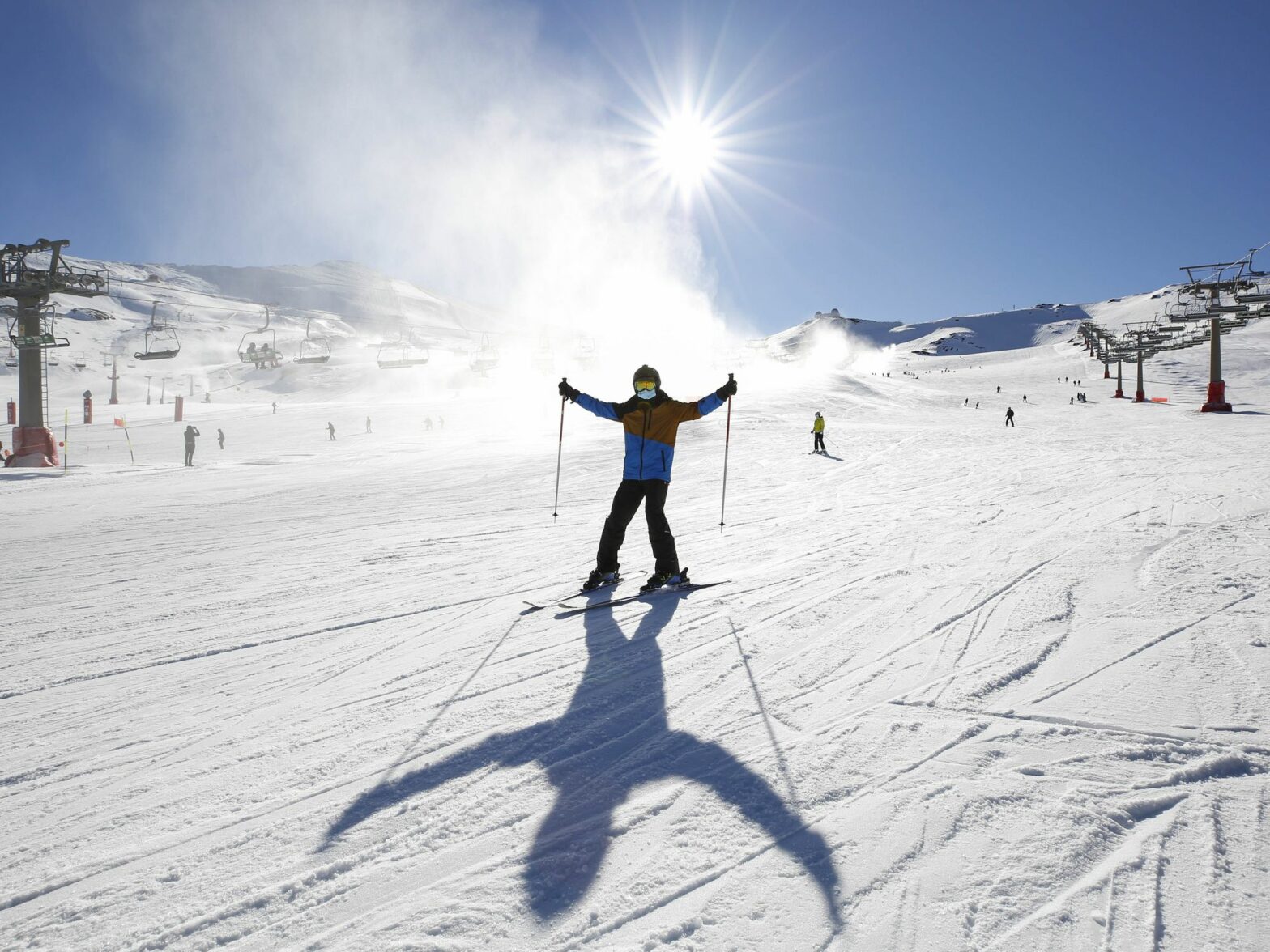
As ski seasons grow increasingly shorter and irregular, the Cetursa company and Andalusia Regional Government are asking to extract twice as much water from the Monachil River to produce more artificial snow for the Sierra Nevada resort. The official argument is that this will have no environmental impact. Experts disagree.
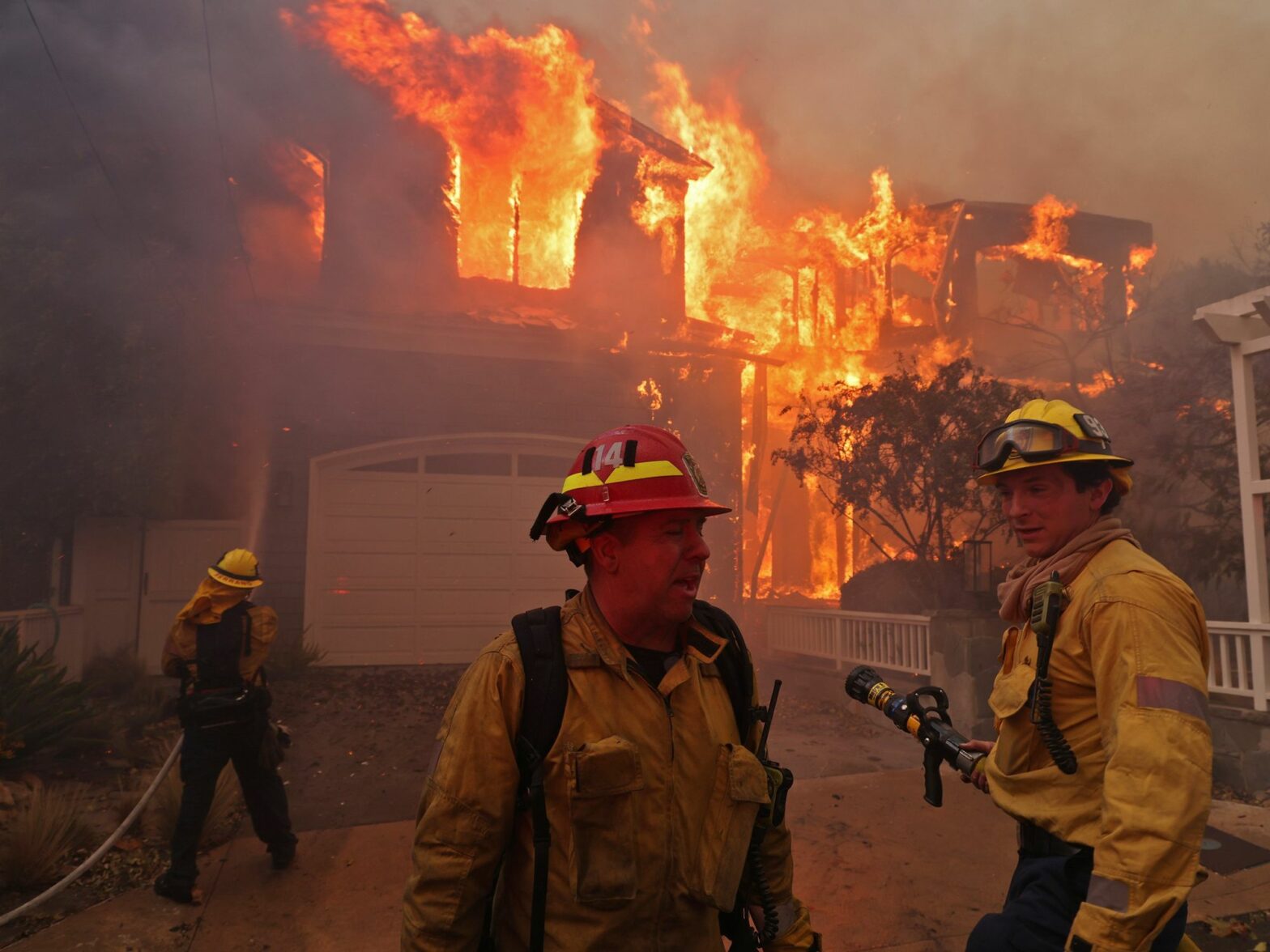
In 1998, urban historian Mike Davis published Ecology of Fear, exploring the consequences of Los Angeles urban development on the increase of natural disasters. Almost three decades later, his book is still relevant.
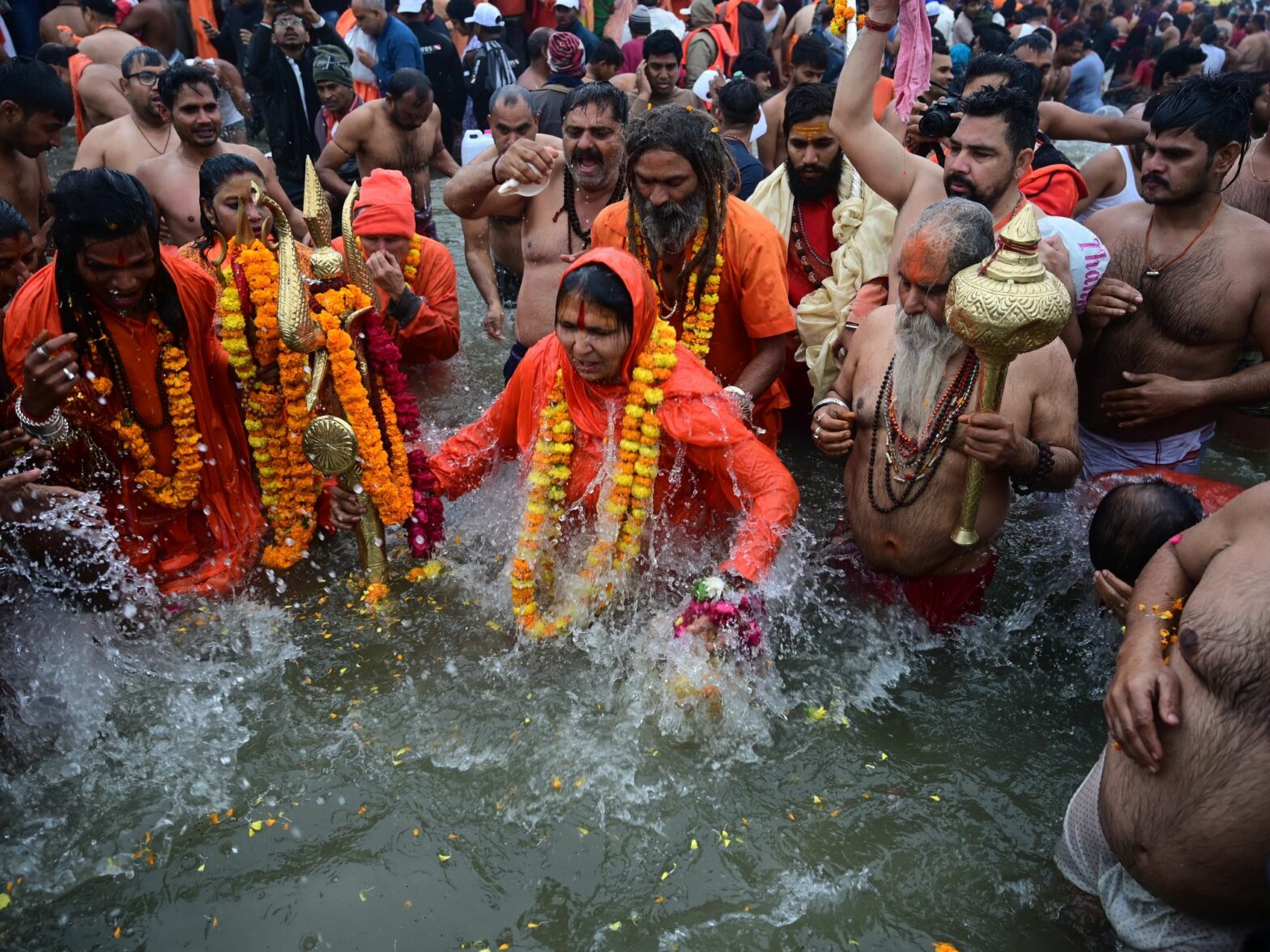
The Indian river risks not being able to heal or nourish anyone for very long after the Kumbh Mela festival in Prayagraj.

A new French research laboratory was recently opened on the University of Rennes campus. The experimental facility, equipped with boreholes that reach 300 feet deep, focuses on studying soils and the microbiology of the underground.
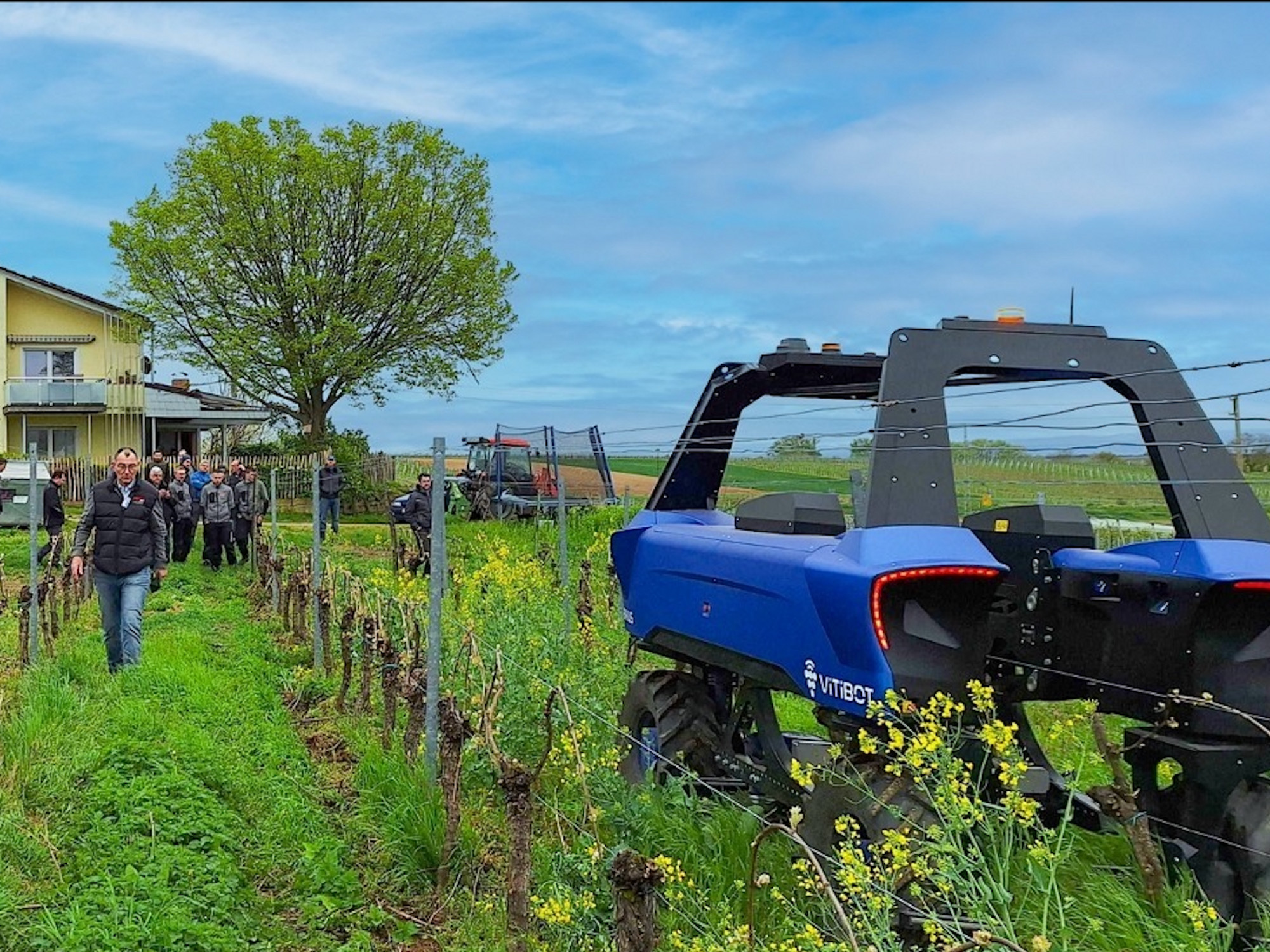
The vineyards around Bordeaux are known for preserving the region’s traditions. But they are also on the cutting-edge among French winemakers, leading the way in using new technologies, such as electric robots and AI monitoring, which allow them to reduce CO2 emissions and solve labor shortages.
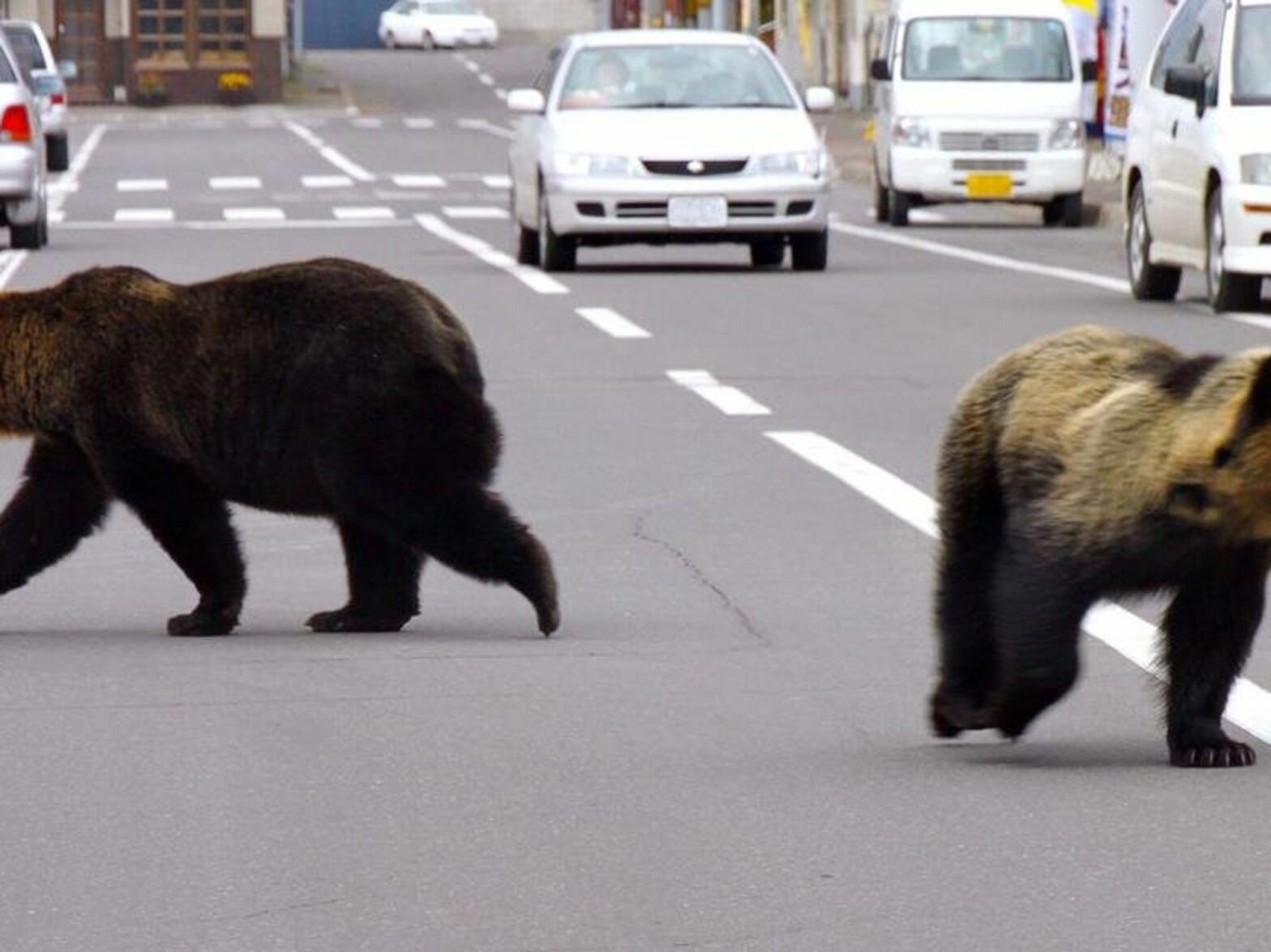
Climate change and demographic collapse have driven bear attacks to reach a record high in Japan. In both the countryside and the cities, bears and other animals are taking back territory from humans. Should locals learn to live with them or take extreme measures?
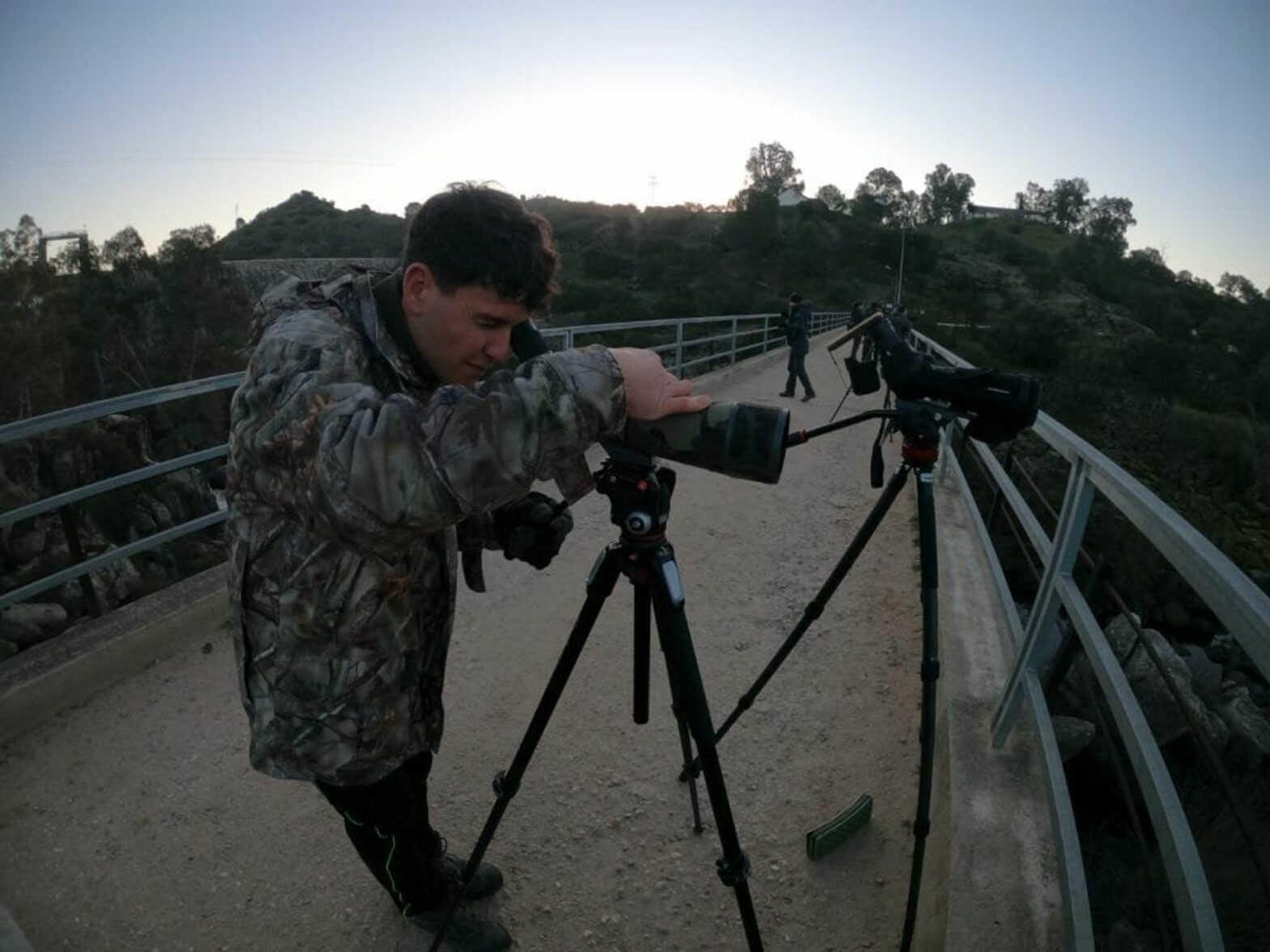
Thanks to the many citizen science projects that exist today, all of us who make up the social fabric can actively contribute to scientific knowledge and sustainable development.
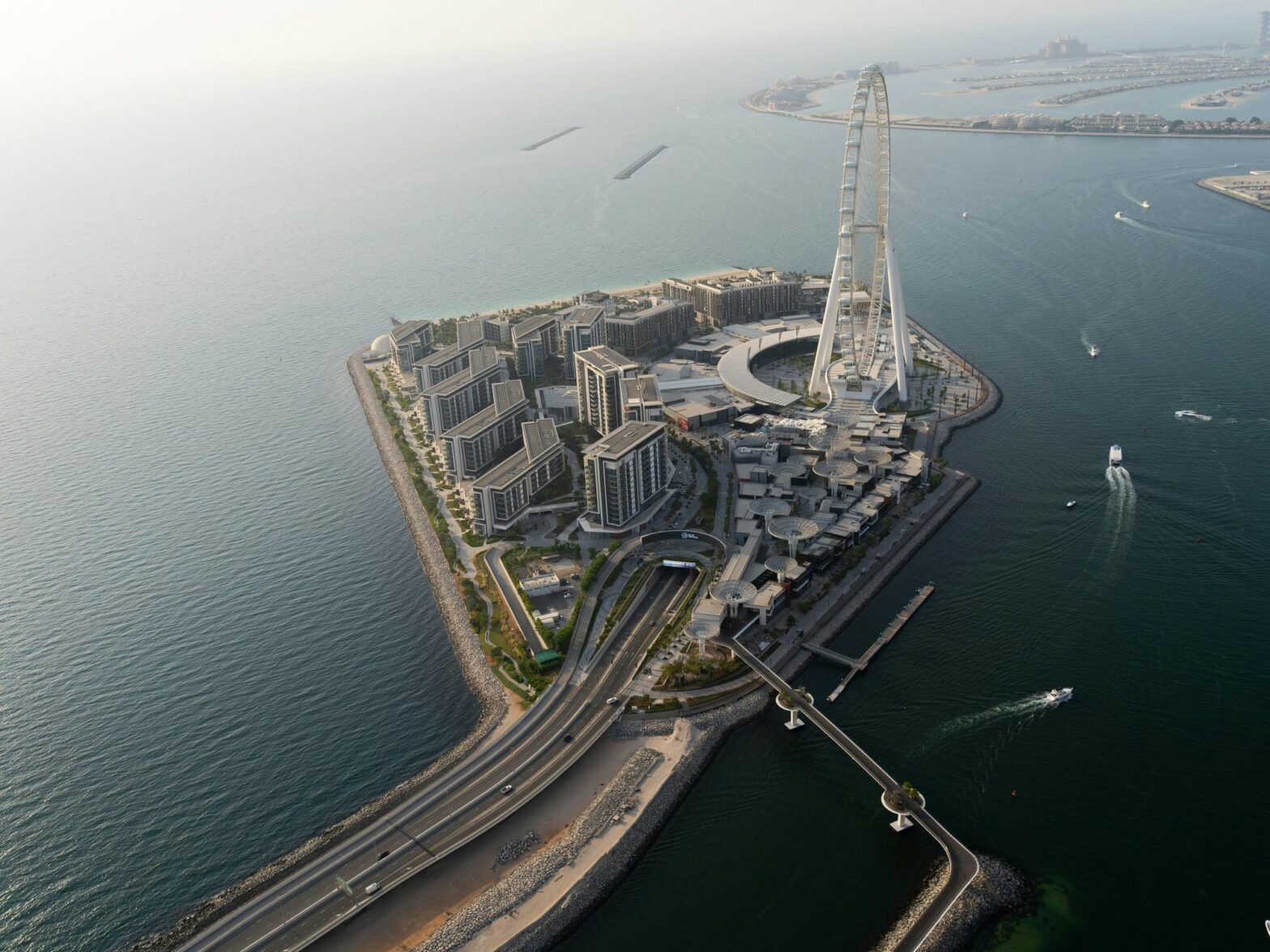
Used as military bases, airports, residential areas, or platforms to drill for resources, artificial islands are growing — despite warnings that sea levels are rising. A deep dive into the phenomenon of why we are building more islands — and what an islander mentality is.

Europe’s electric car battery dreams are crumbling. From halted construction to creditor protection filings, the once-promising industry is on the brink of collapse. Meanwhile the incoming Trump administration says it plans to undo Biden-era policies supporting electric vehicles and emissions standards.
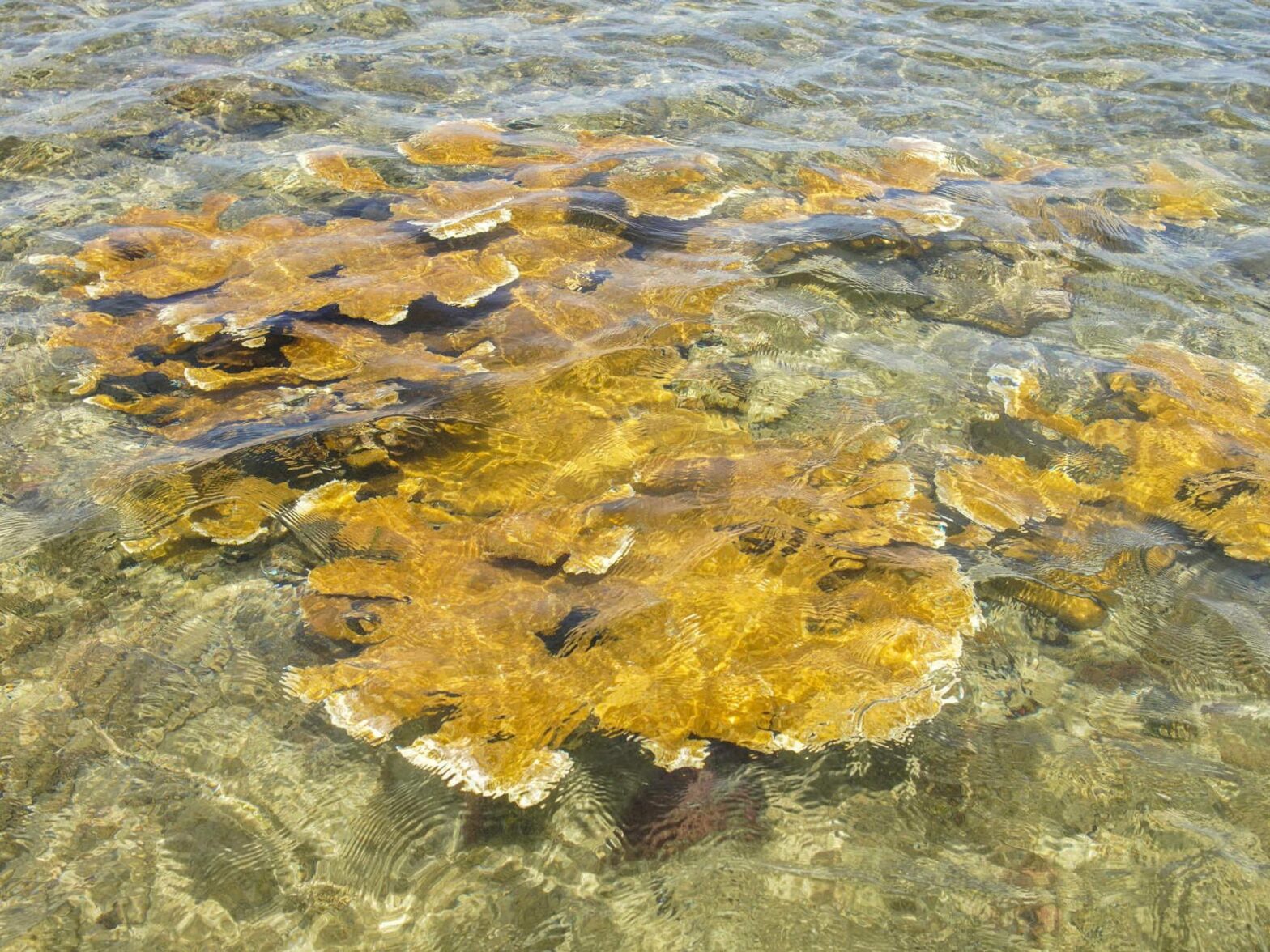
At El Eco reef, scientists are gathering clues about elkhorn coral’s resistance to rising temperatures.
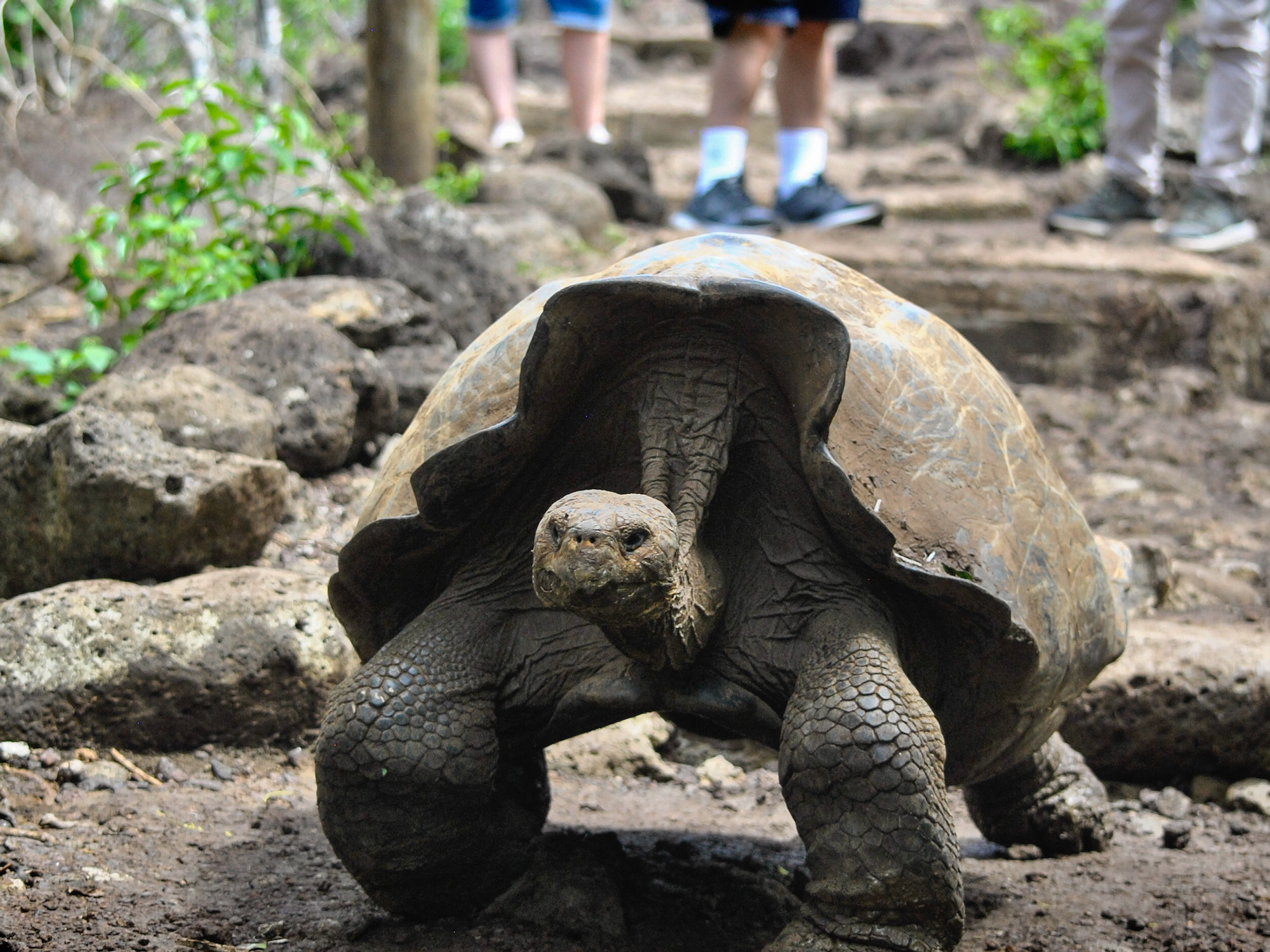
Ecuador’s exceptional Galapagos archipelago has been at the heart of an ambitious decades-long preservation policy to protect its unique fauna from too many visitors. Could it serve as a model for others for how to resist overtourism?

Increasingly widespread across France, these alternative currencies are emerging as a new tool for promoting short supply chains, local economies and ecological transition.
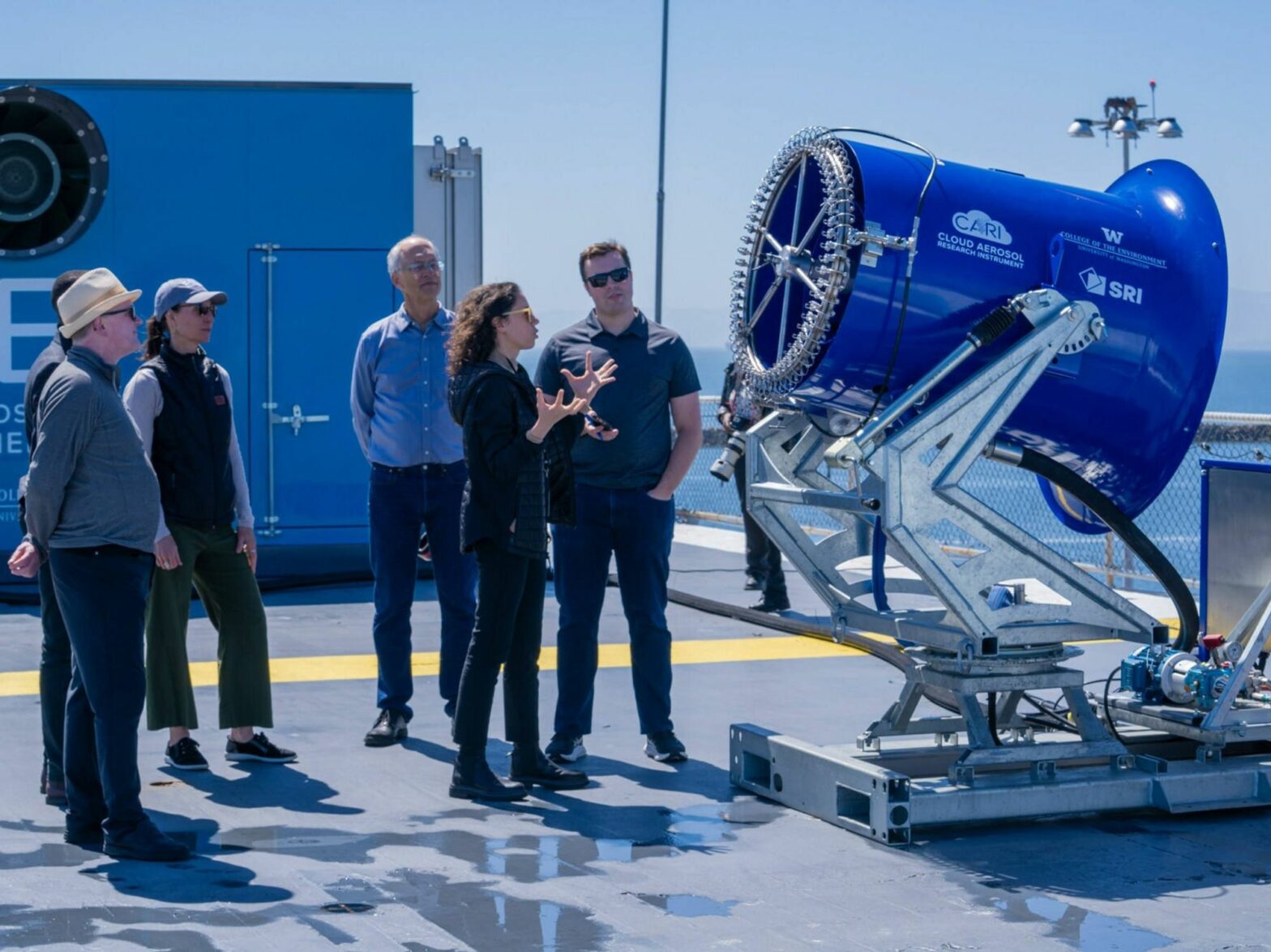
Scientists and companies increasingly support blocking some sunlight to avoid the worst impacts of global warming.
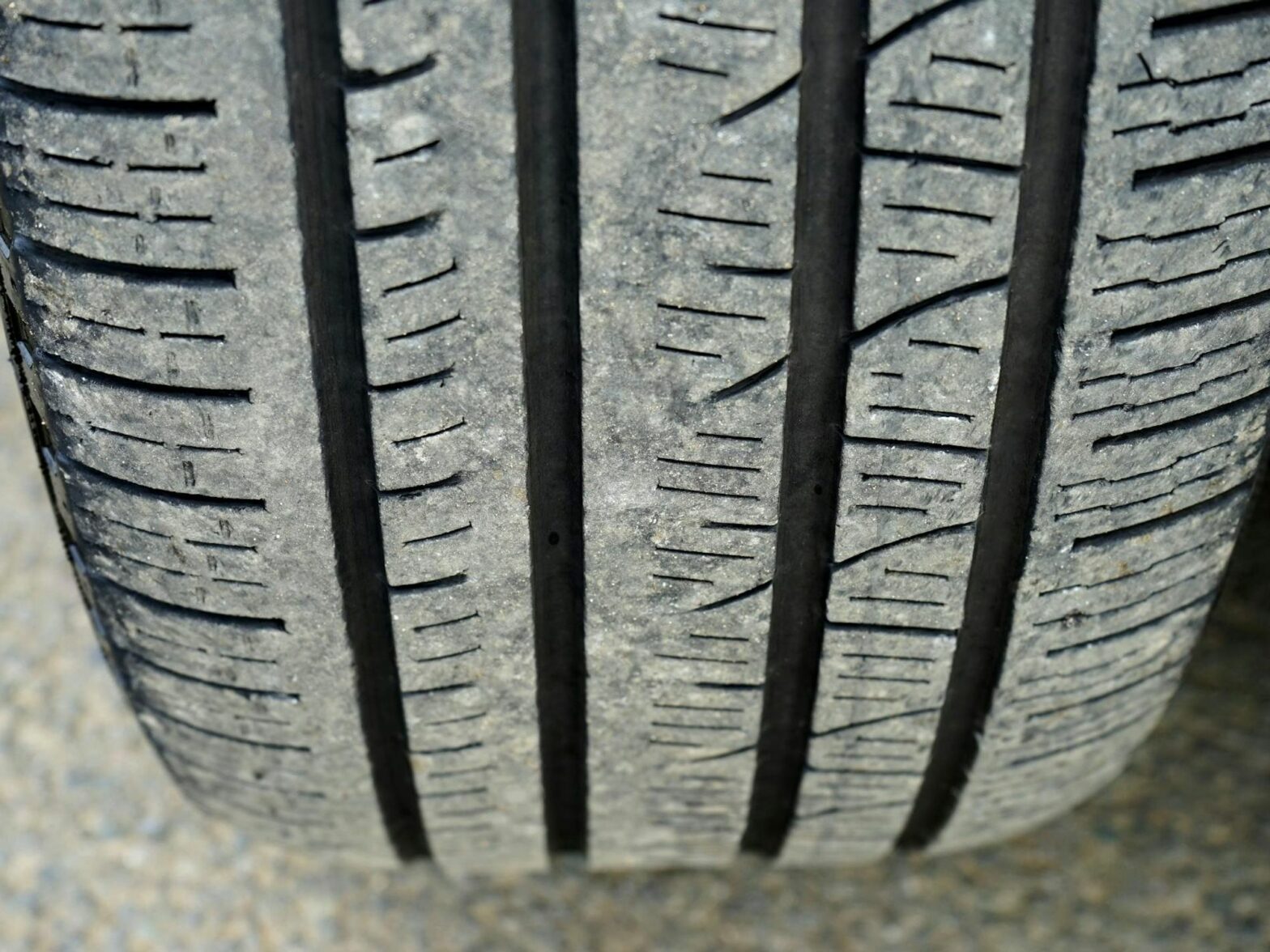
Tire particles contribute significantly to global microplastic pollution, affecting soil, water, and wildlife. Despite their growing impact, they remain largely unaddressed in environmental policies and solutions.
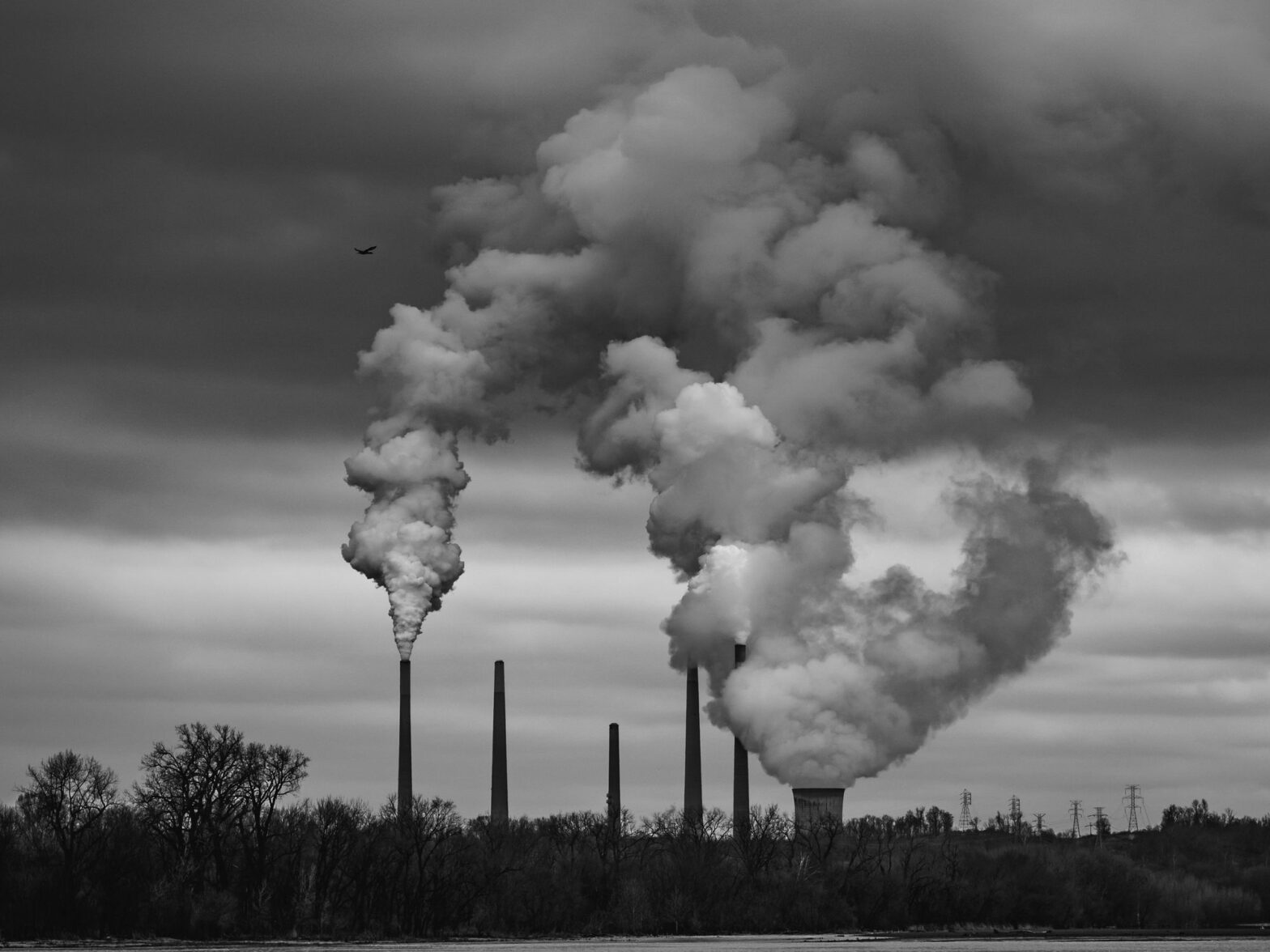
On paper, carbon trading should help finance environmental projects and fight climate change, but years of debate and blurry standards have turned the initiative into a pollution enabler for the richest countries.
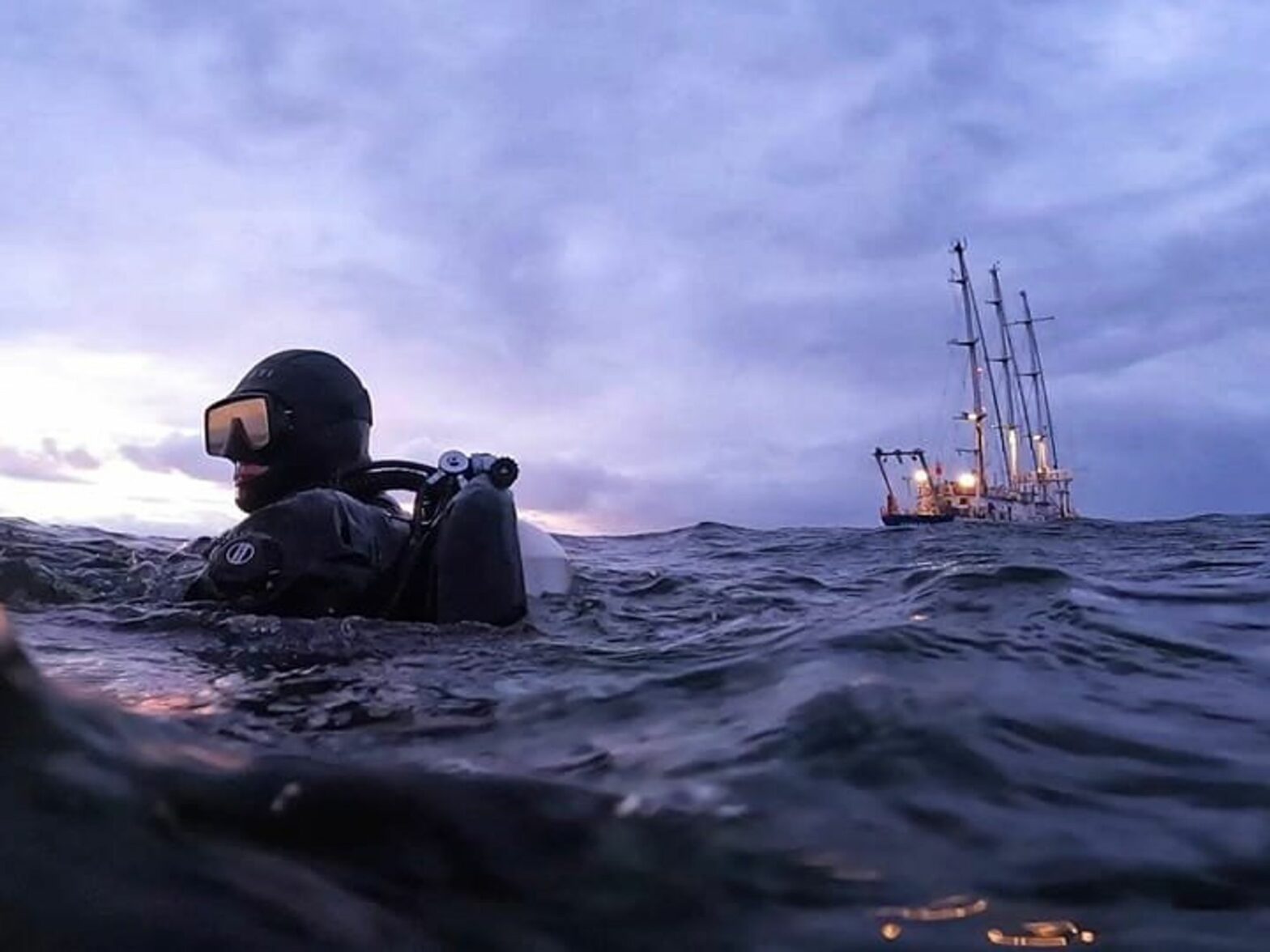
Russia’s invasion of Ukraine and fears of westward escalation have already led many European countries to up their own defense strategies. But instead of the latest technologies, rockets, and fighter jets, the true key to fighting back may lie in studying the polar region, critical for world stability.
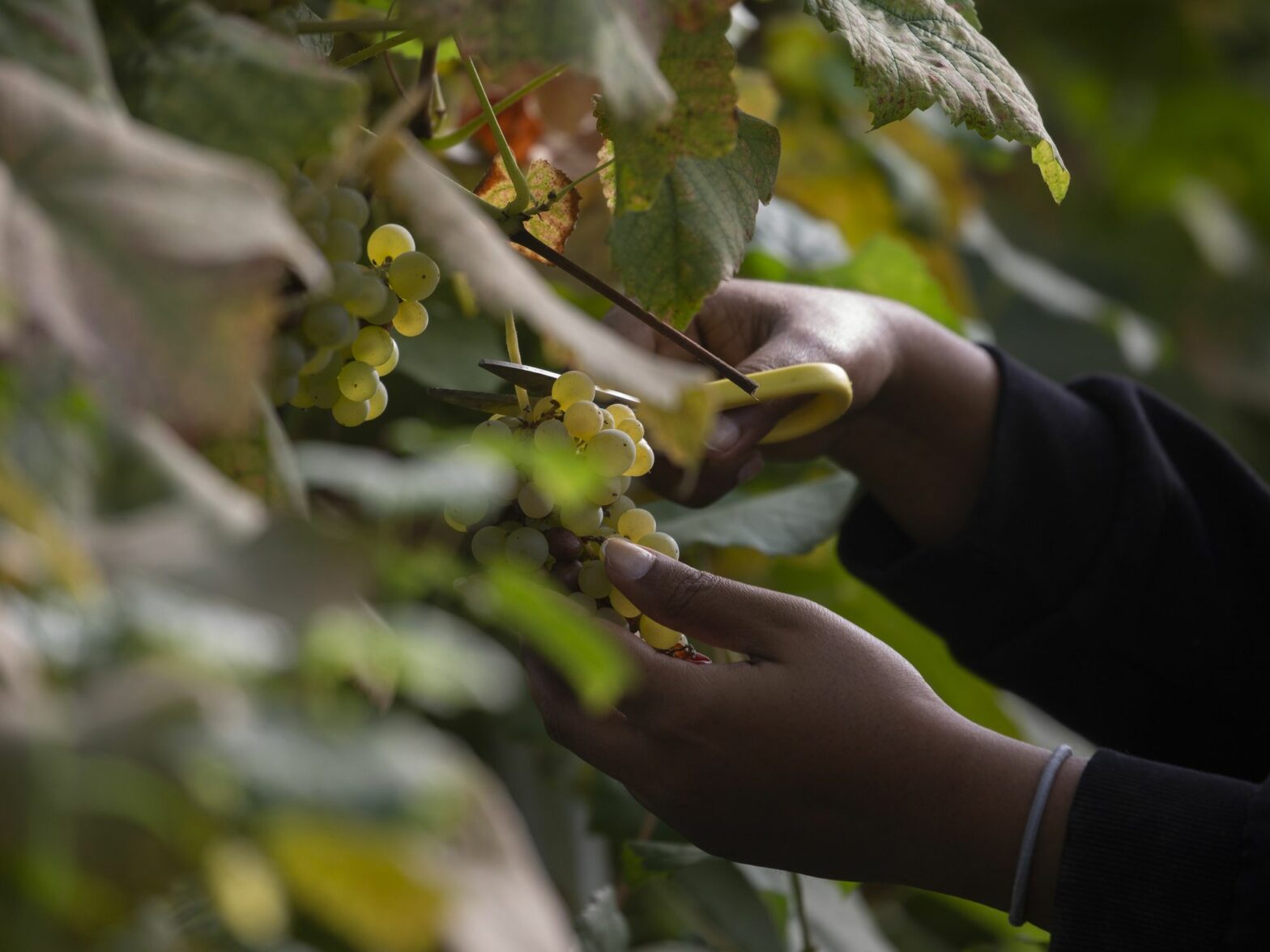
Over the past two decades, global warming has allowed the wine industry to grow in unexpected latitudes. In Sweden, some winemakers are experimenting with hybrid grapes, while others are giving a chance to traditional grapes, and taking advantage of a more stable climate.
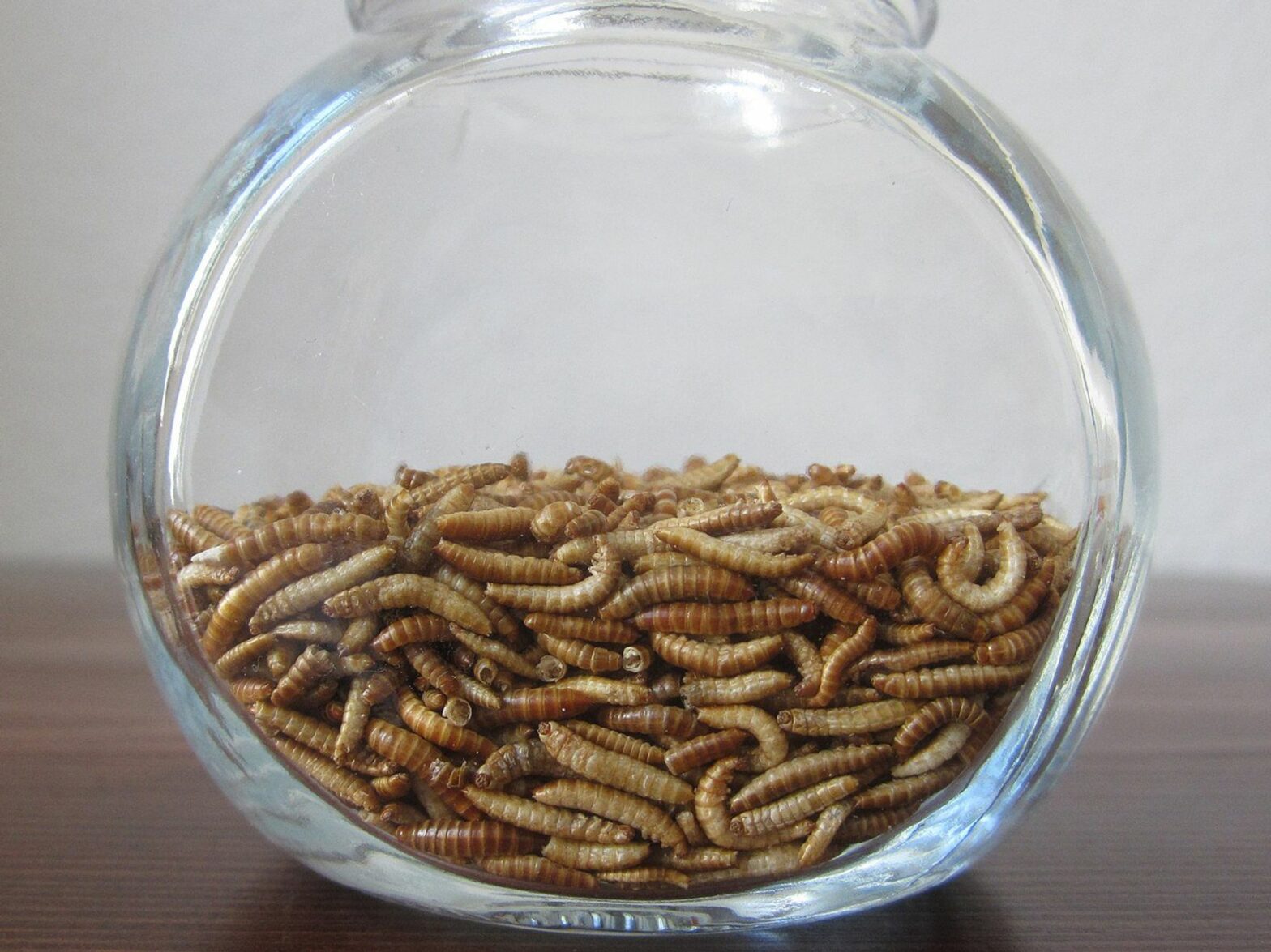
Scientists in Nairobi have discovered that the larvae of the Kenyan lesser mealworm are capable of consuming polystyrene and now hope to create new tools that help get rid of plastic waste faster and more efficiently.
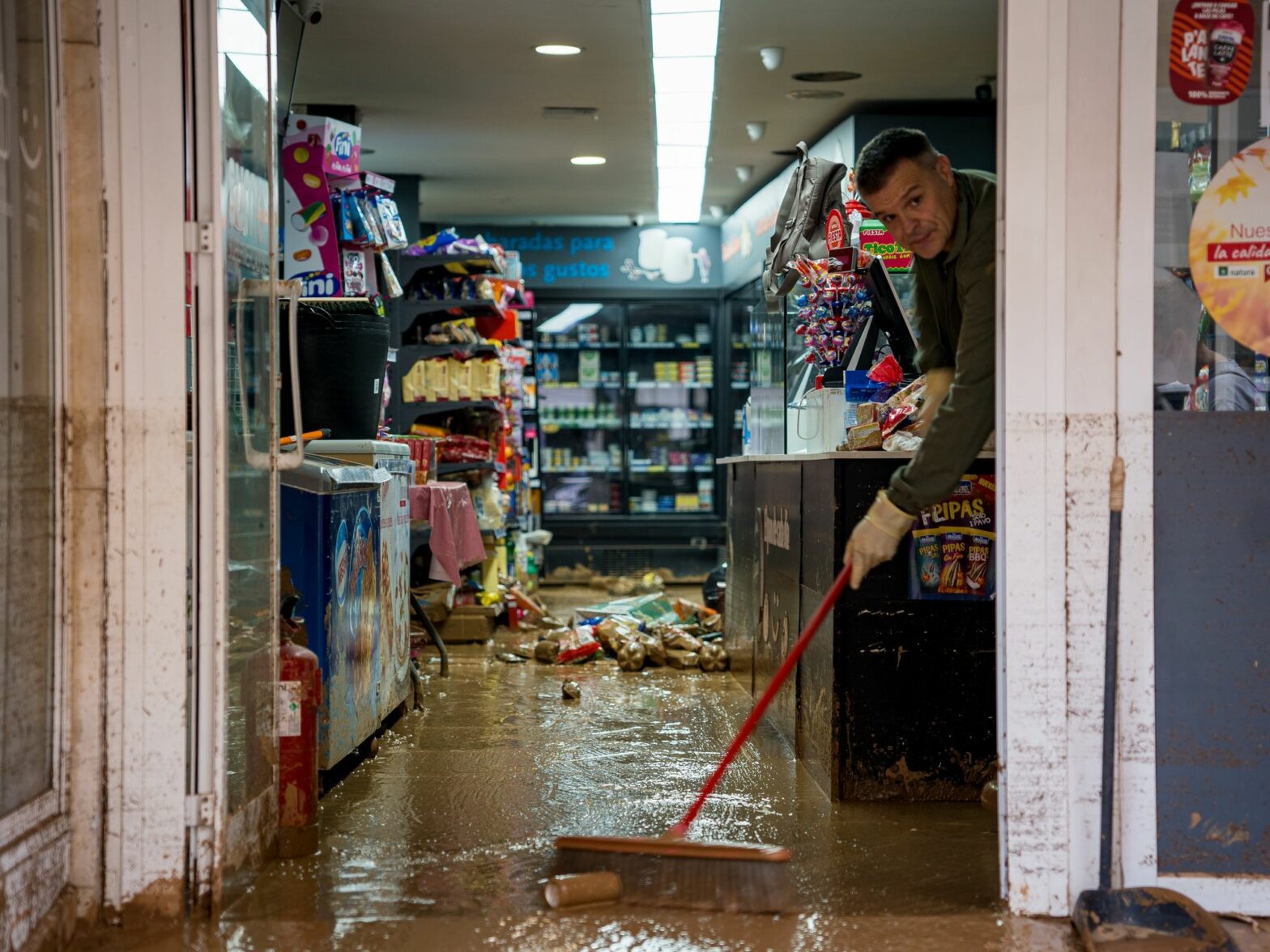
The city of Valencia has not been affected by the natural disaster that caused more than 200 deaths in eastern Spain, but the region’s capital city is not the same. And the population is struggling to find a new balance.

The International Festival of Performing Arts Temporada Alta is hosting the Spanish premiere of this European project that explores our links with nature and the landscape.
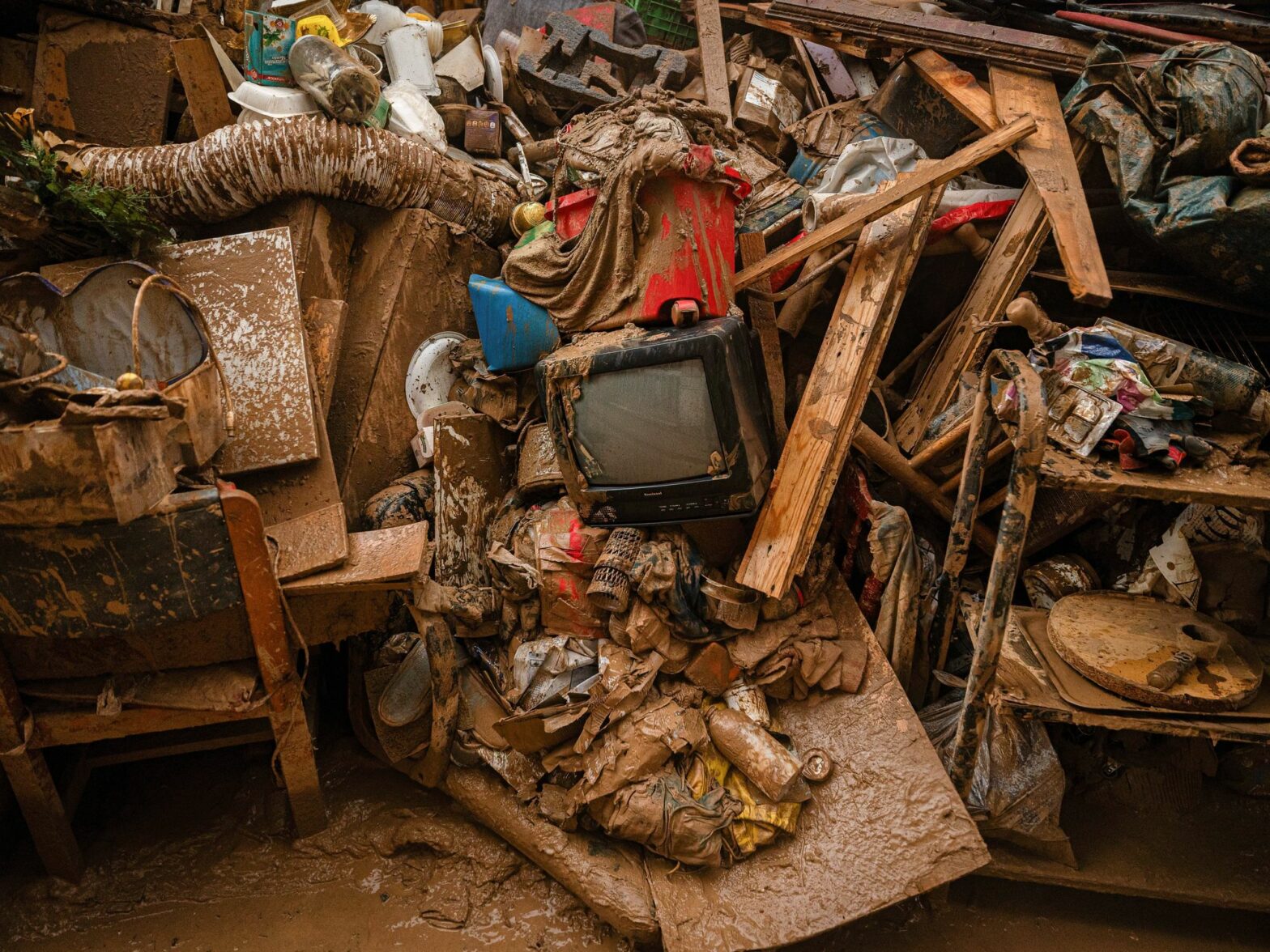
The natural disaster in Valencia is the reflection of a great societal failure, the result of the lack of public policies in organizing a sustainable and balanced model of life.
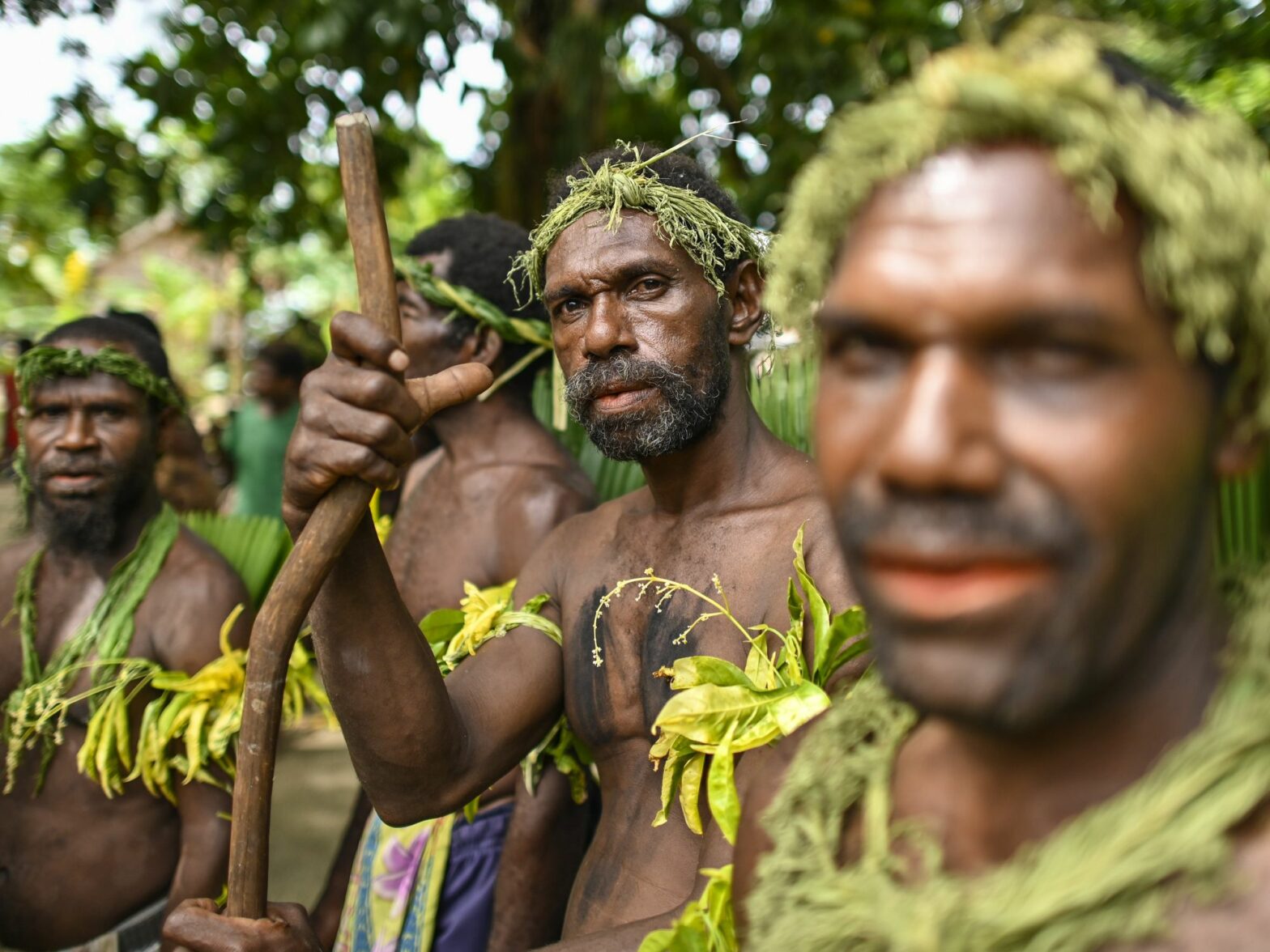
From combating invasive species in New Zealand to dealing with melting ice in Alaska, Indigenous peoples are on the front lines of climate change adaptation — yet often overlooked in international initiatives.
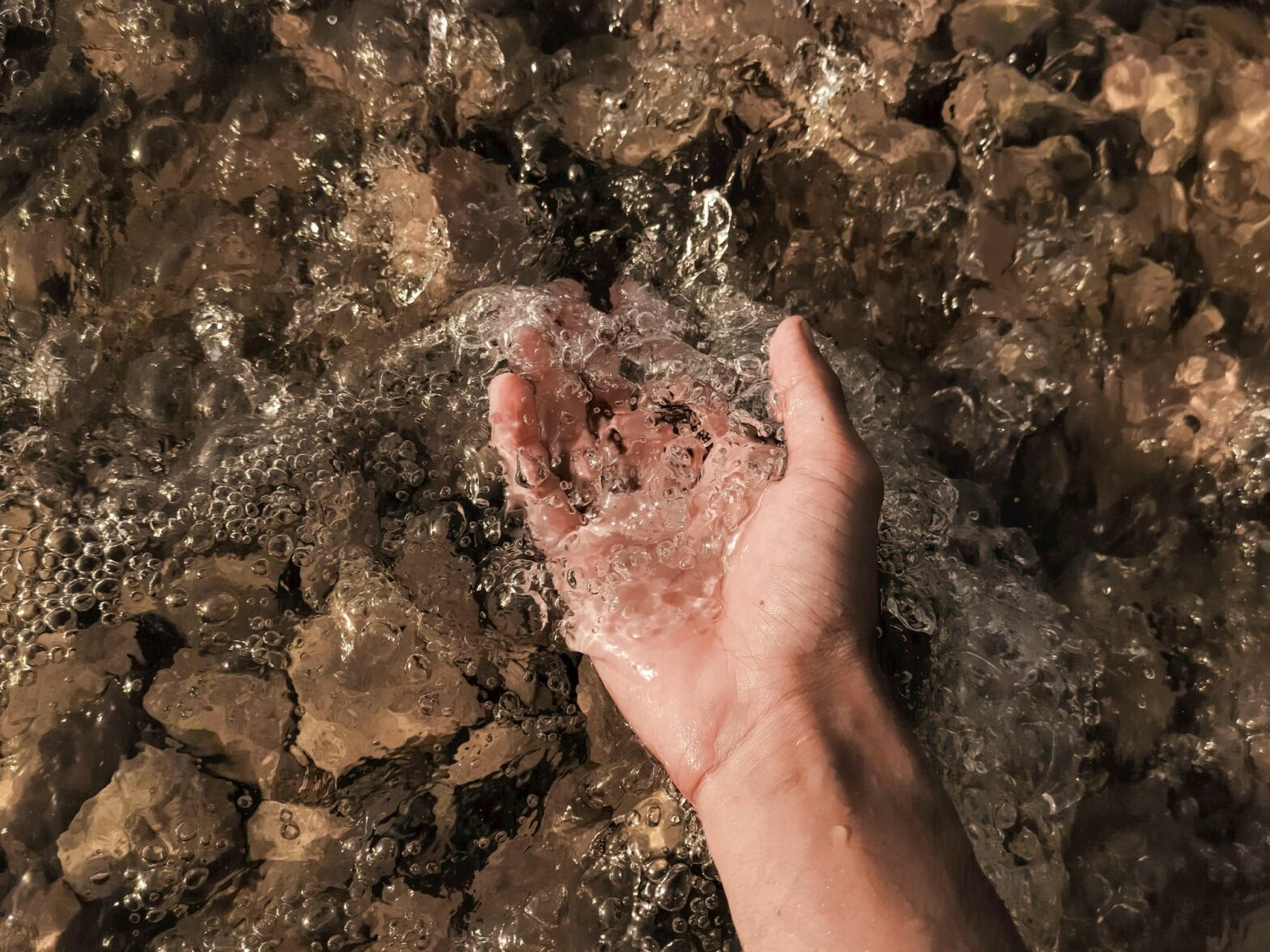
The Vilcabamba, the Atrato or the Whanganui have achieved recognition as living entities with rights. More and more rivers are achieving this type of legal protection (and respect). In Spain, the Tins was the first river to have its rights recognized.

A $2.4 billion project to exploit lithium deposits in Serbia’s Jadar Valley could cover 90% of Europe’s current lithium needs. But the plan has sparked protests across the country and created an unlikely coalition of opposition, which President Aleksandar Vučić’s government has sought to suppress.
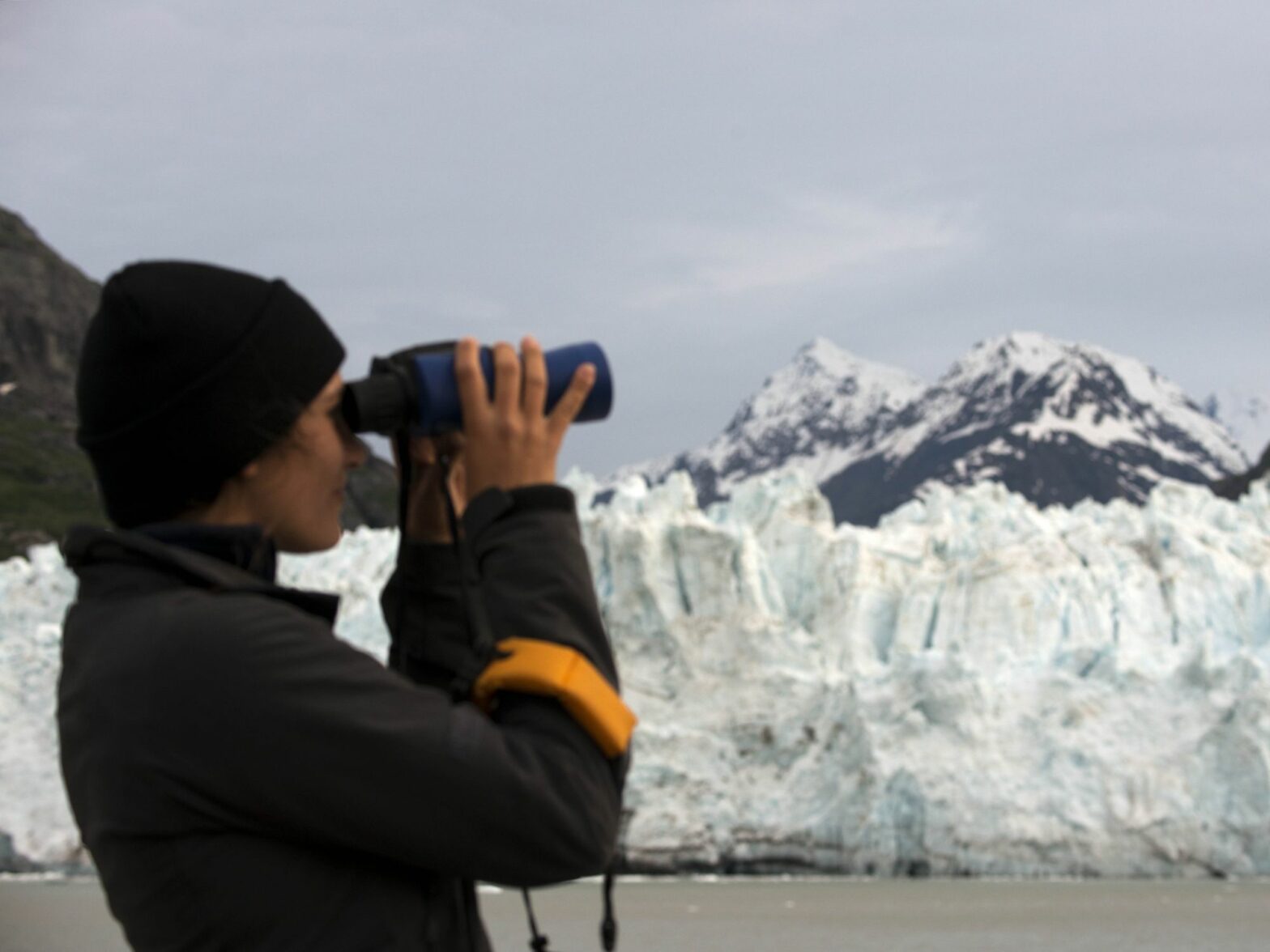
A research project is collecting ice cores from glaciers and icefields before they melt way. The aim is to study both the past and possible future of humanity’s impact on the world’s climate.
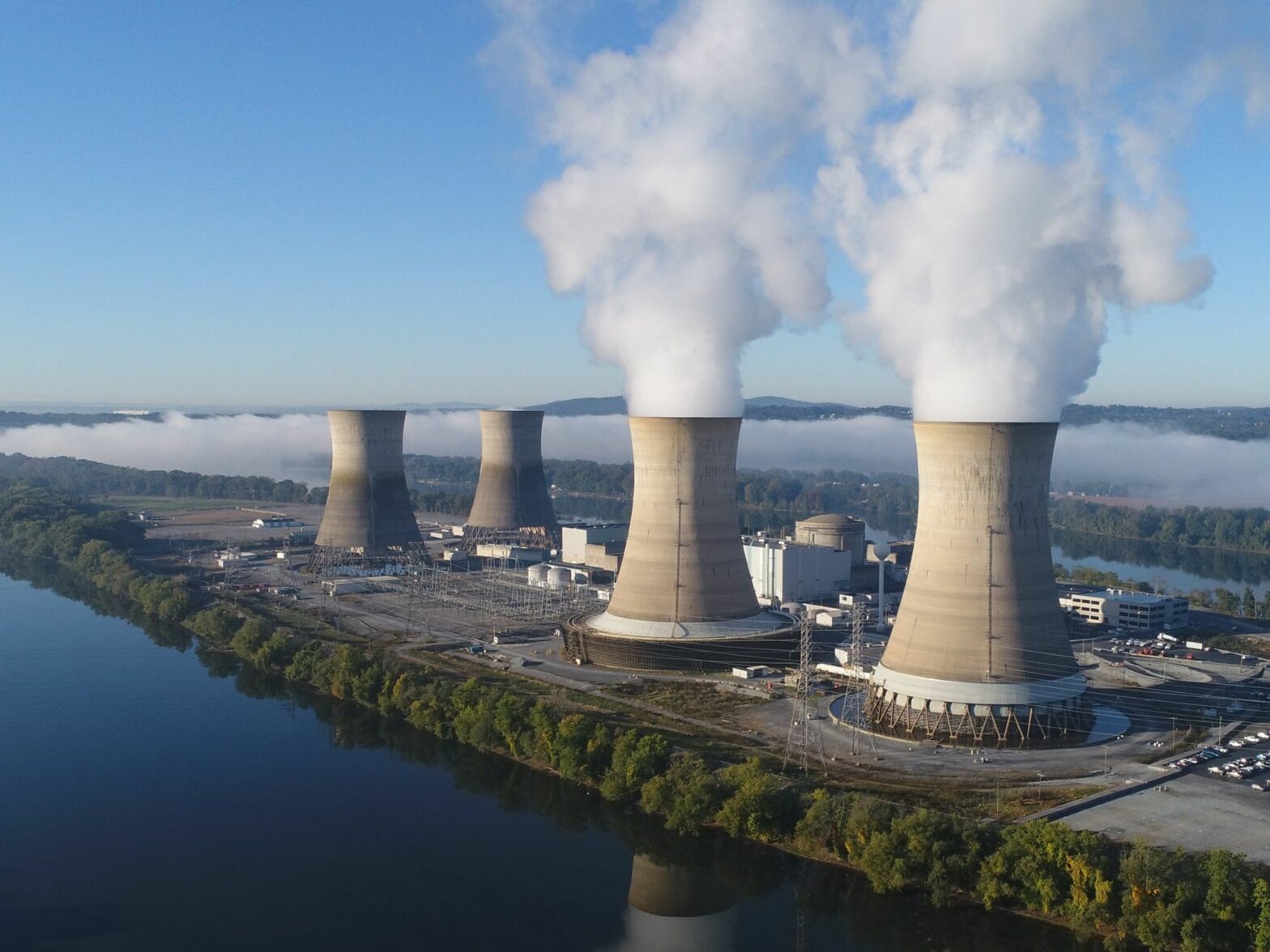
Should the U.S. revive nuclear power to satisfy the growing electricity demands of artificial intelligence? The Three Mile Island nuclear power plant offers a cautionary tale of technology outpacing expertise.

Eco-disaster fiction has changed since Soylent Green, one of Hollywood’s first eco-disaster films, came out in 1973; there has been an evolution from catastrophic fatalism to a certain optimism, with TV series like The Last Of Us.
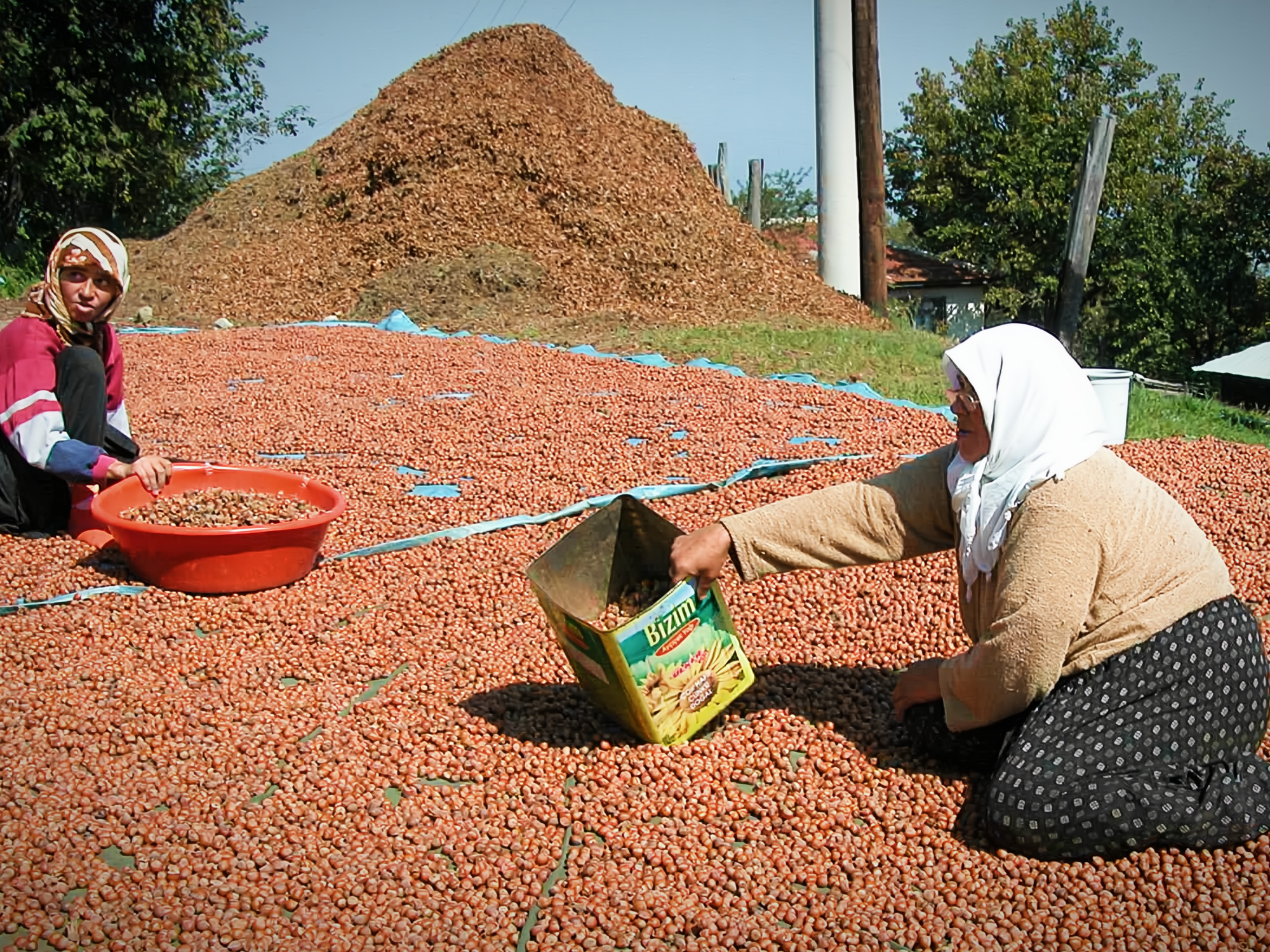
Turkey is the top world producer of hazelnuts. Yet, very little trickles down to its producers, and to Turkey in general. One Italian company, in particular, reaps the rewards of its harvest.

Climate change, accelerating conflicts and altering operational conditions, will not spare the armed forces. These factors combined will alter the conditions under which armies around the world have to operate. Paris-based daily Les Echos looks at how France’s armed forces are working to adapt as well as reduce their carbon footprint.
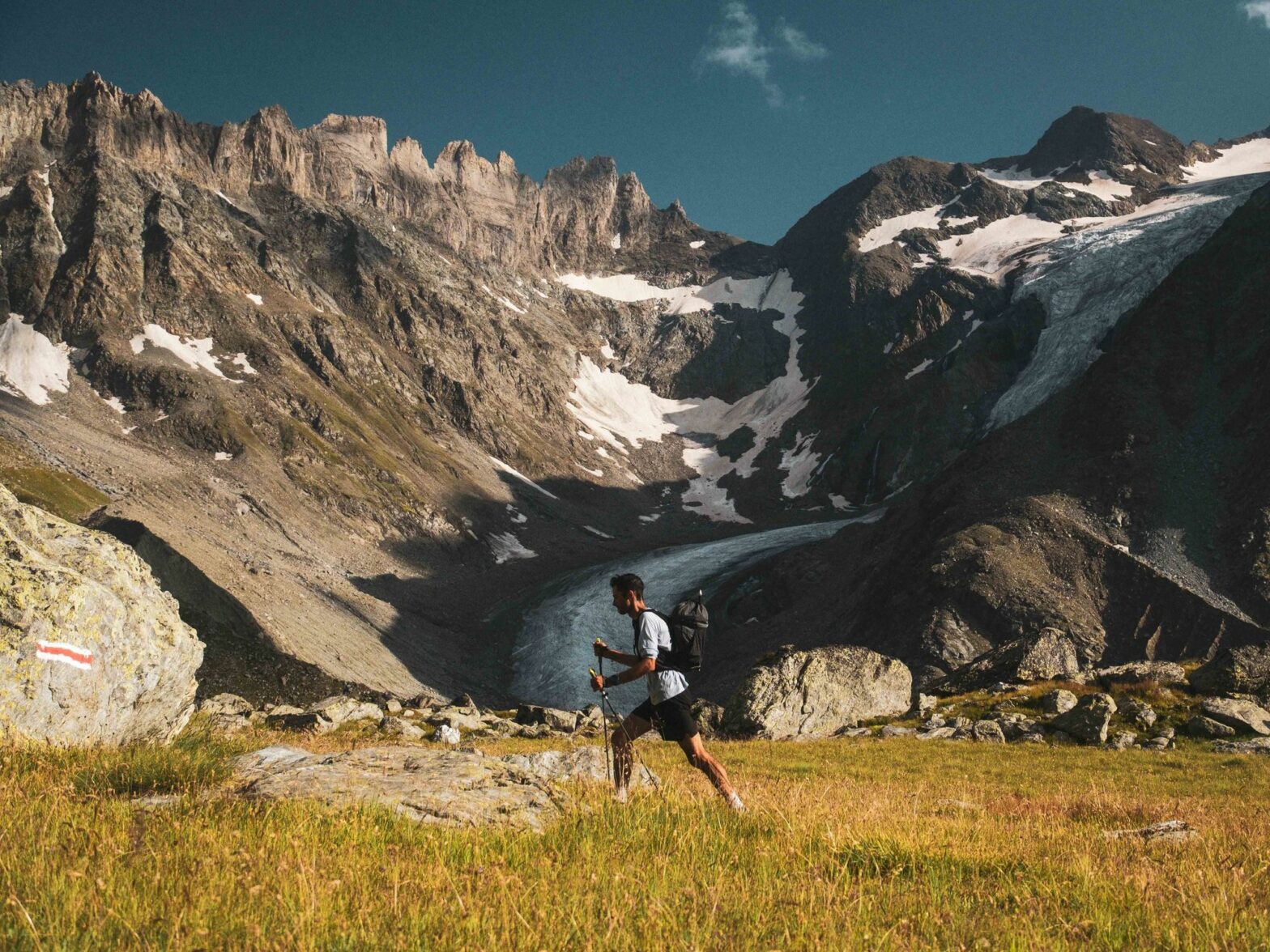
Setting mountaineering speed records is a way for trail runners to add their names to history books to stay in the spotlight now that almost all the world’s mountains have already been climbed. But this desire to push limits is not ecological — even for a man who recycles or foregoes airplane travel.
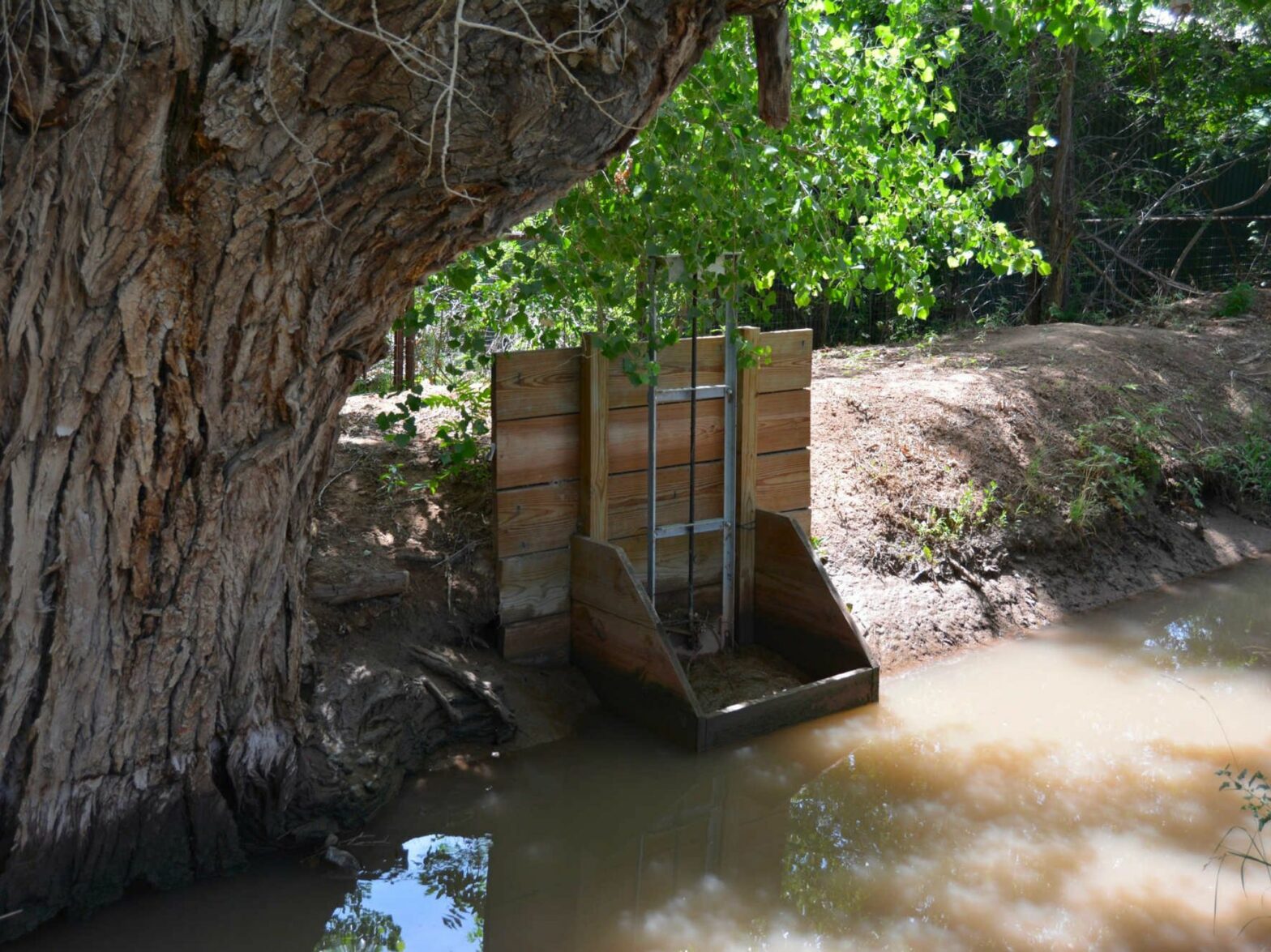
Traditional irrigation canals could help balance the water supply during droughts — but only if they are protected.

In a race against time, scientists are exploring new ways to restore natural systems. Alongside traditional methods such as planting trees, reducing pollution and reintroducing native species, a surprising new tool is emerging: sound. Ecologists can harness sound to bring life back to degraded ecosystems.
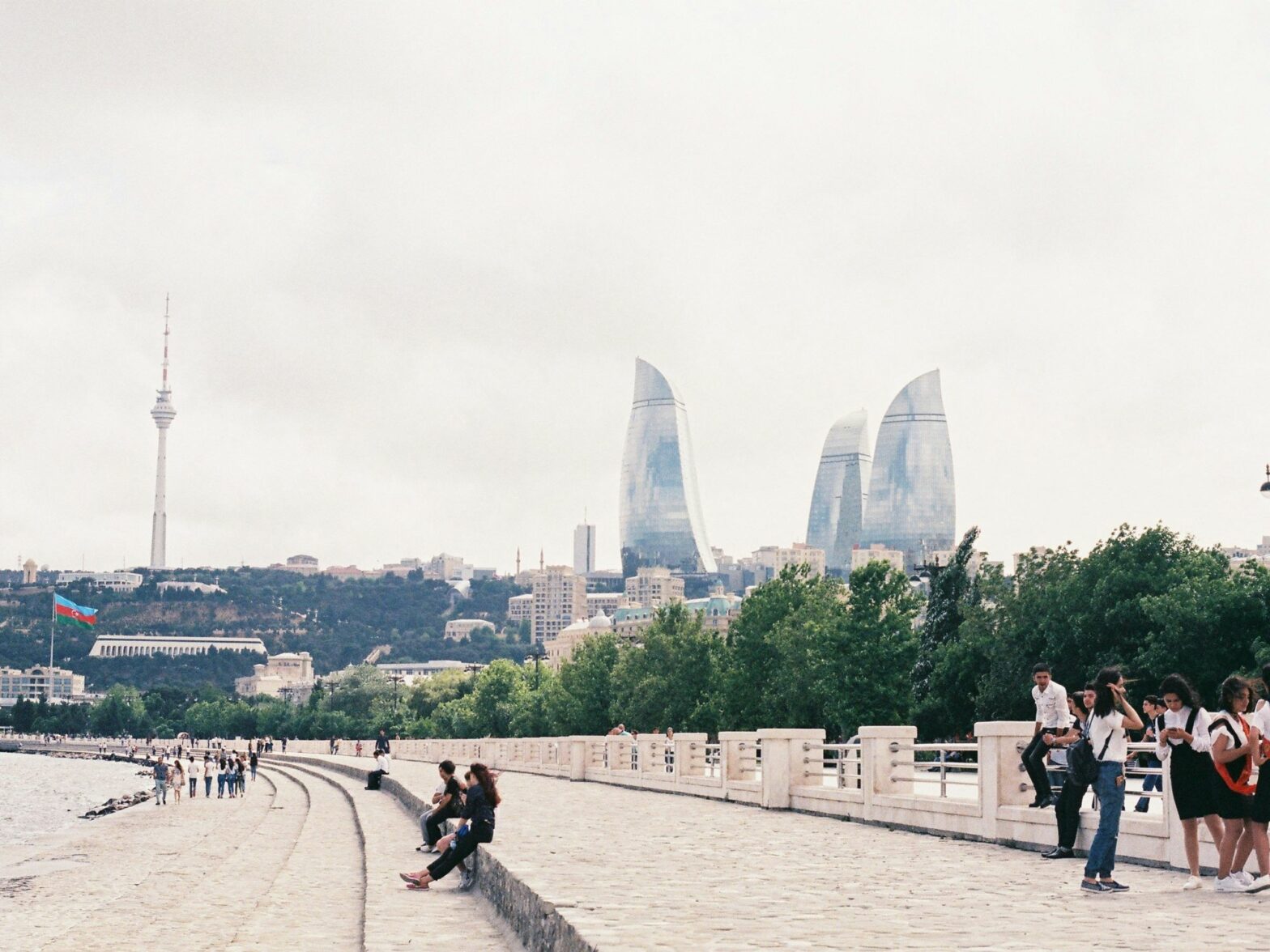
As the host of the next UN climate summit, Azerbaijan is positioning itself as a peacemaker, calling for the end of conflicts that “worsen climate change.” But this stands in stark contrast to the country’s commitment to increase gas and oil production and its record of military aggression against Armenia.
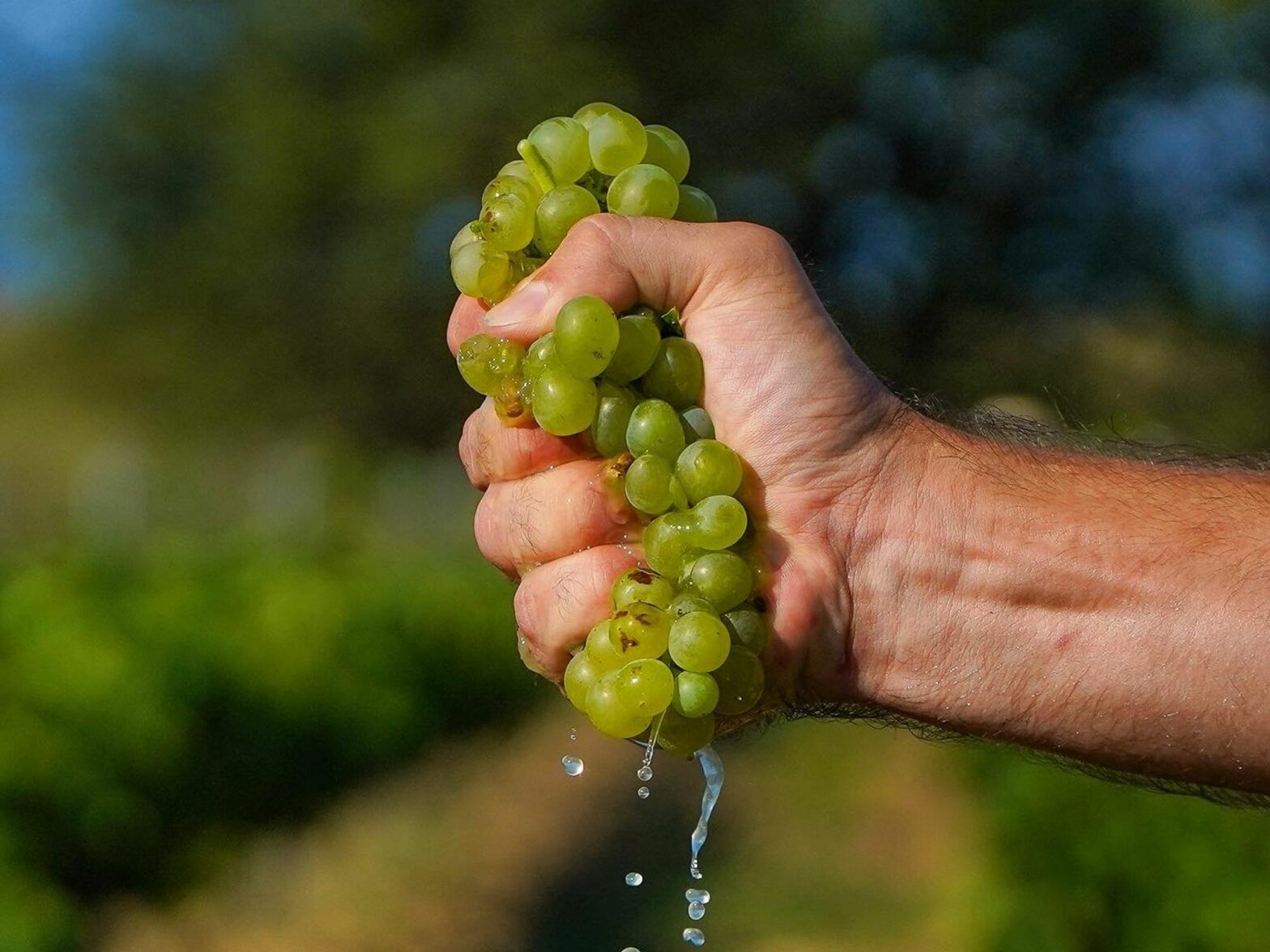
While wine consumption is declining and operating costs increasing, winegrowers also face increasingly frequent and extreme climatic hazards. Is this the last straw? As the sector is preparing for a new uprooting plan, some winemakers are looking into ways to adapt to the new market needs and climatic conditions.
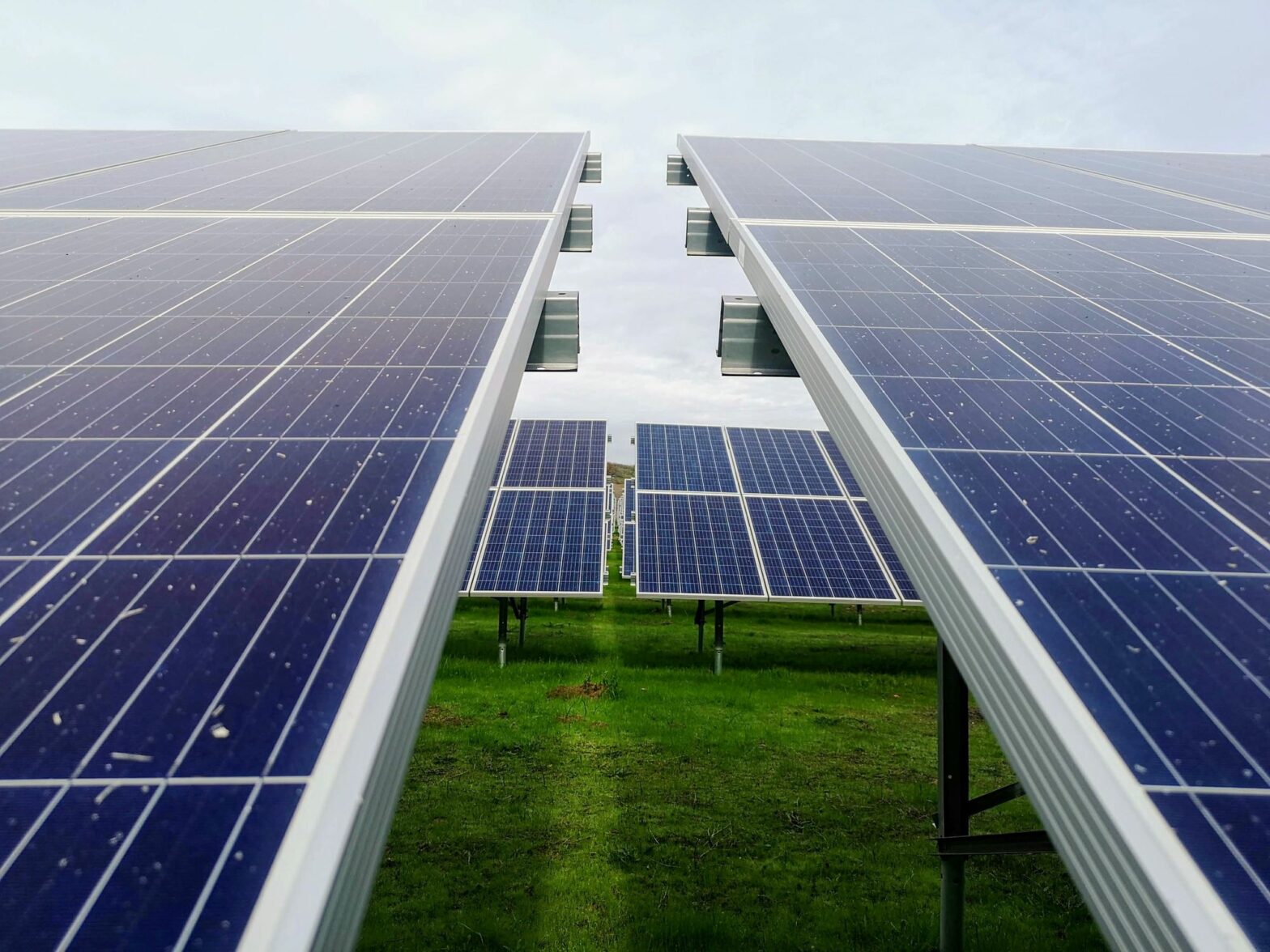
Data shows solar energy is booming worldwide. Is humanity about to have energy in abundance for the first time in its history?
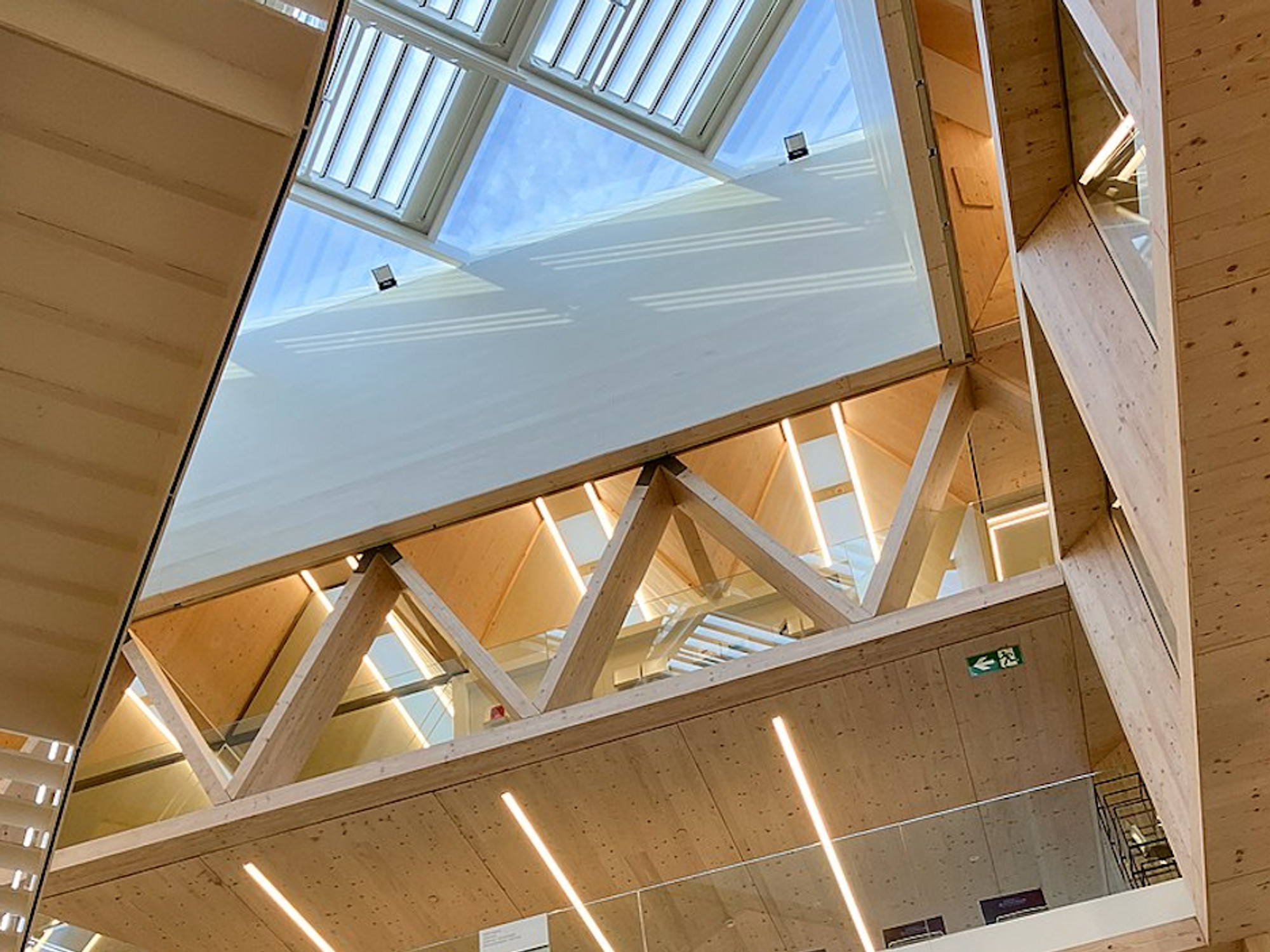
The prize-winning García Márquez library in Barcelona has joined the ranks of the Catalan city’s designer buildings, showing with its runaway popularity the enduring appeal of civilizing, communal spaces.

The outgoing Sri Lankan government had signed an agreement in secret for the Indian conglomerate Adani to build a wind farm in the north of the country. Now the newly elected President Anura Kumara Dissanayake arrives with plans to scrap the massive project.