Vladimir Putin thought the West would wind up divided over the backing of Ukraine. Yet a year later with new survey numbers out, and more aid flowing to Kyiv, this appears to be one of the most crucial errors in launching his invasion.
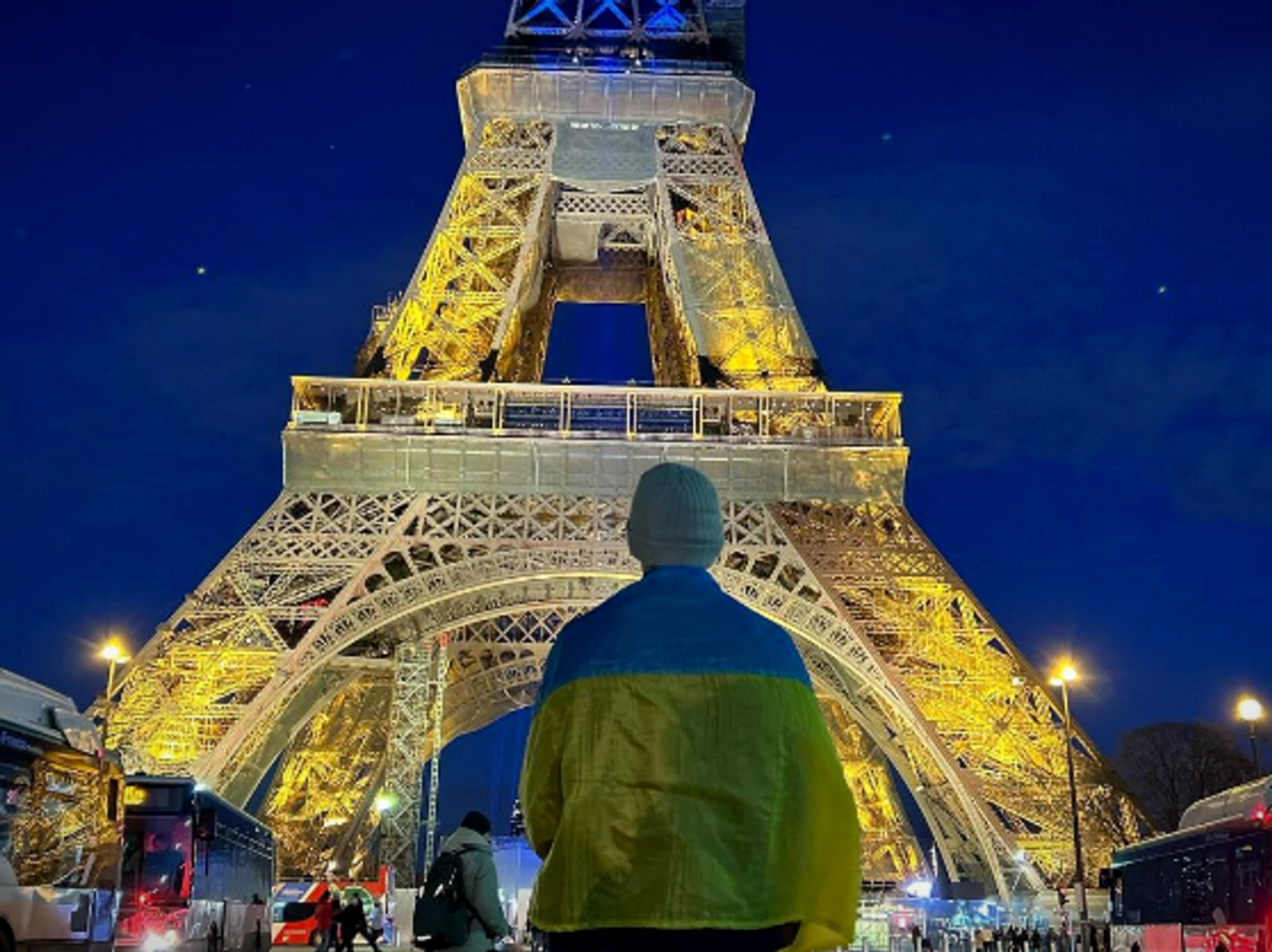
 Worldcrunch
Vladimir Putin thought the West would wind up divided over the backing of Ukraine. Yet a year later with new survey numbers out, and more aid flowing to Kyiv, this appears to be one of the most crucial errors in launching his invasion.
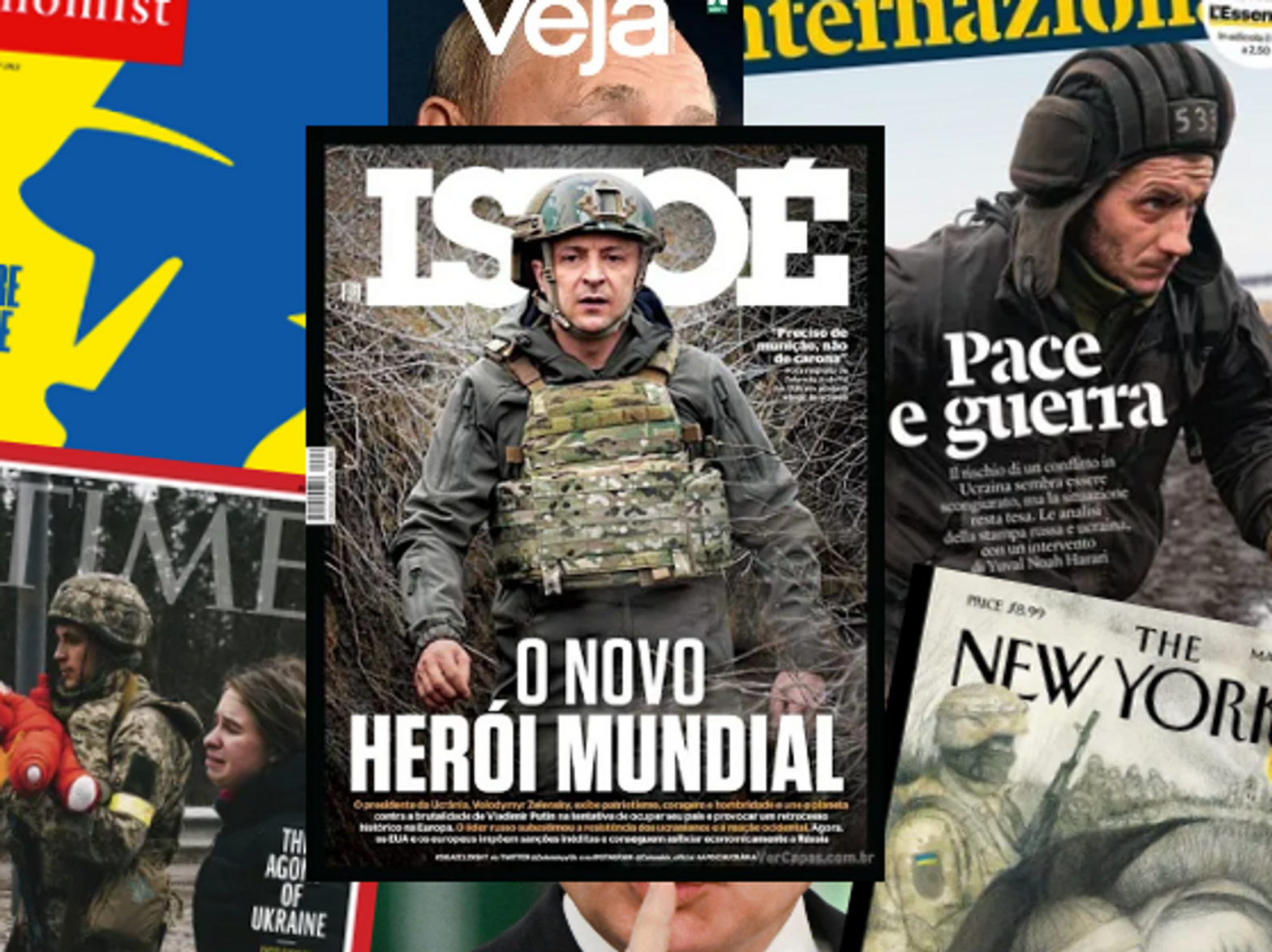
A look back on some of the most striking magazine covers published this past year across the globe, marking the milestones in a bloody conflict that is entering its second year.
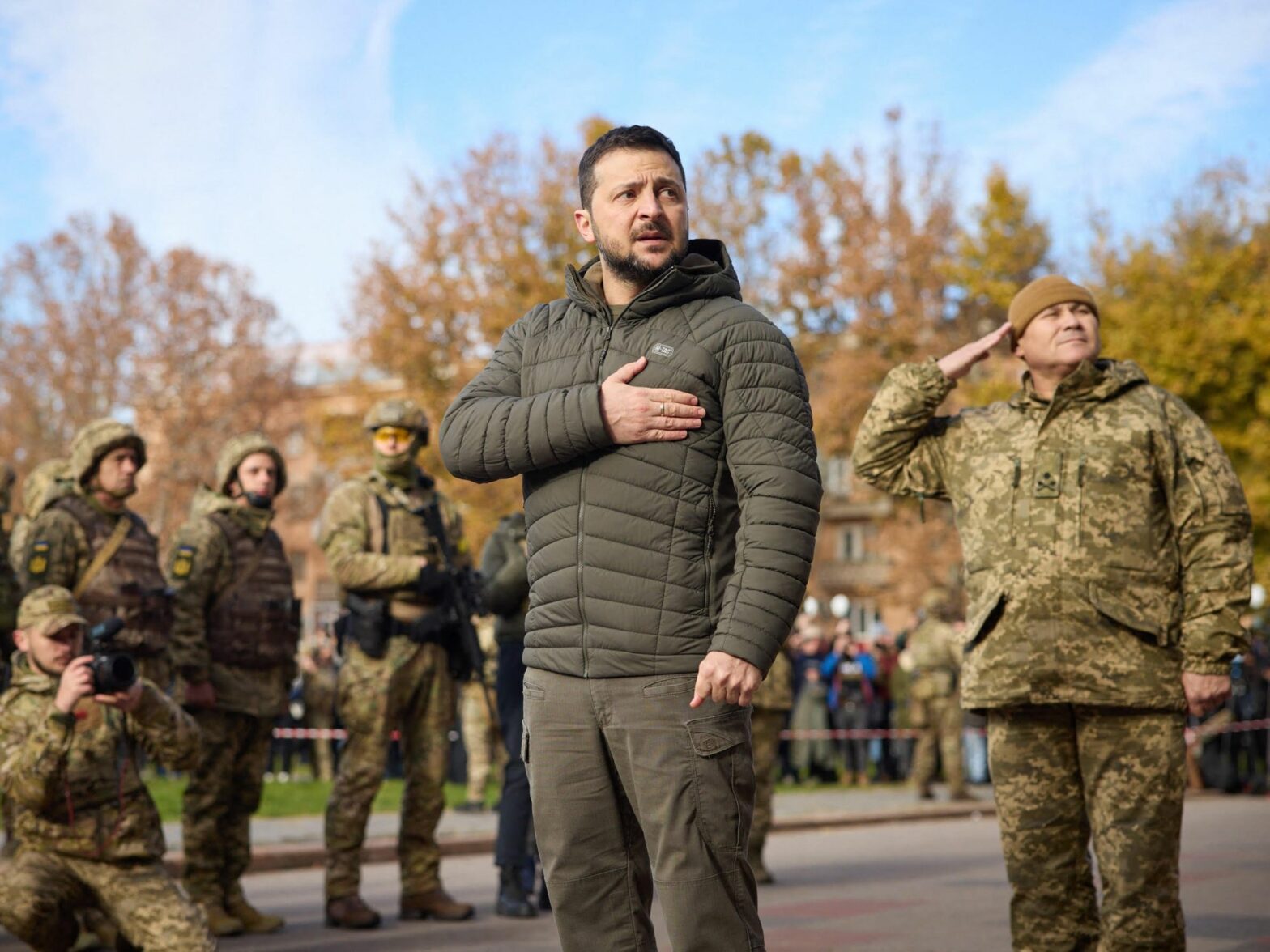
On the eve of Vladimir Putin’s invasion, Volodymyr Zelensky was not a particularly popular figure in Ukraine. In the year since, he has achieved virtually universal support at home, and hero status abroad. What will the onetime anti-corruption crusader do with this political capital?

The public version of the Artificial Intelligence-driven chatbot is not yet fully plugged into the real-time internet. But there was an enlightening conversation going back to 2014, when the conflict in Ukraine actually started. ChatGPT’s hedging responses may help explain why the world wasn’t prepared for Putin’s invasion a year ago.
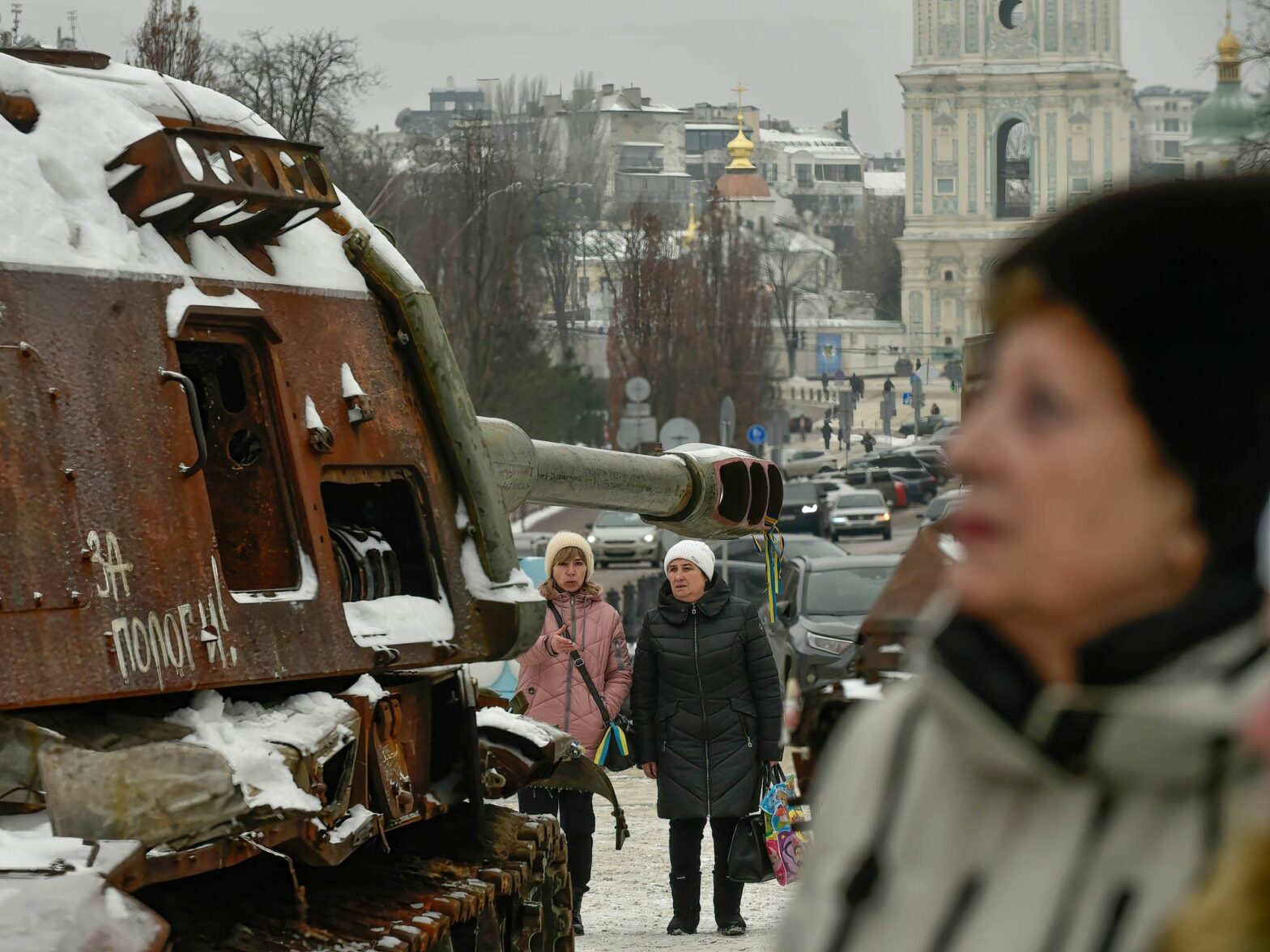
One year after the Russian invasion, Kyiv has become an international symbol of resistance, also in the way that ordinary life continues, despite air raids and bomb blasts.
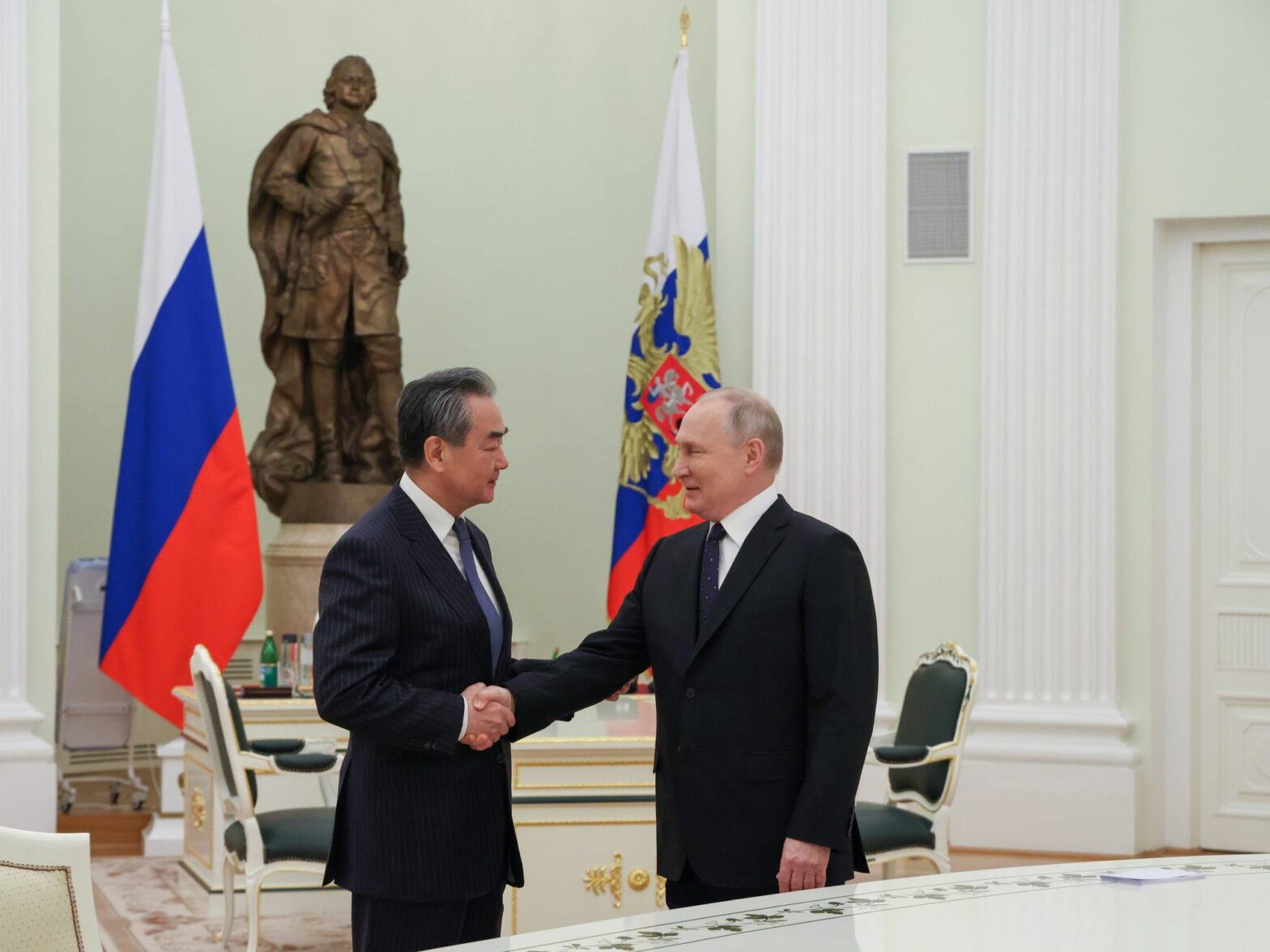
One year since Russia’s invasion, the global stakes of the war in Ukraine have come more fully into focus. It’s a battle over fundamental questions of sovereignty and democracy, but also the very meaning of power.
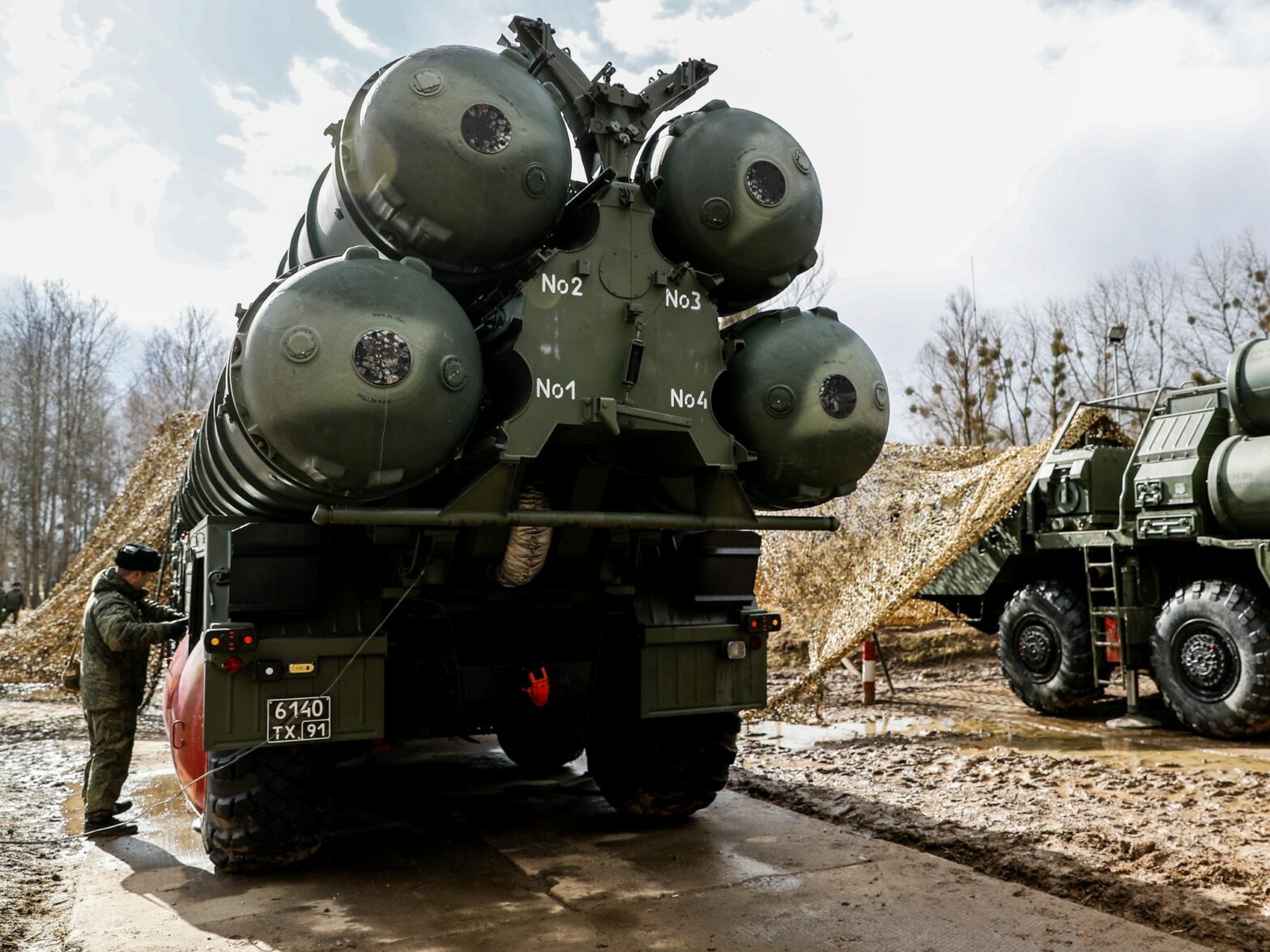
Russia has announced its withdrawal from a post-Cold War nuclear arms control treaty it signed with the U.S. The decision risks re-launching a global arms race.
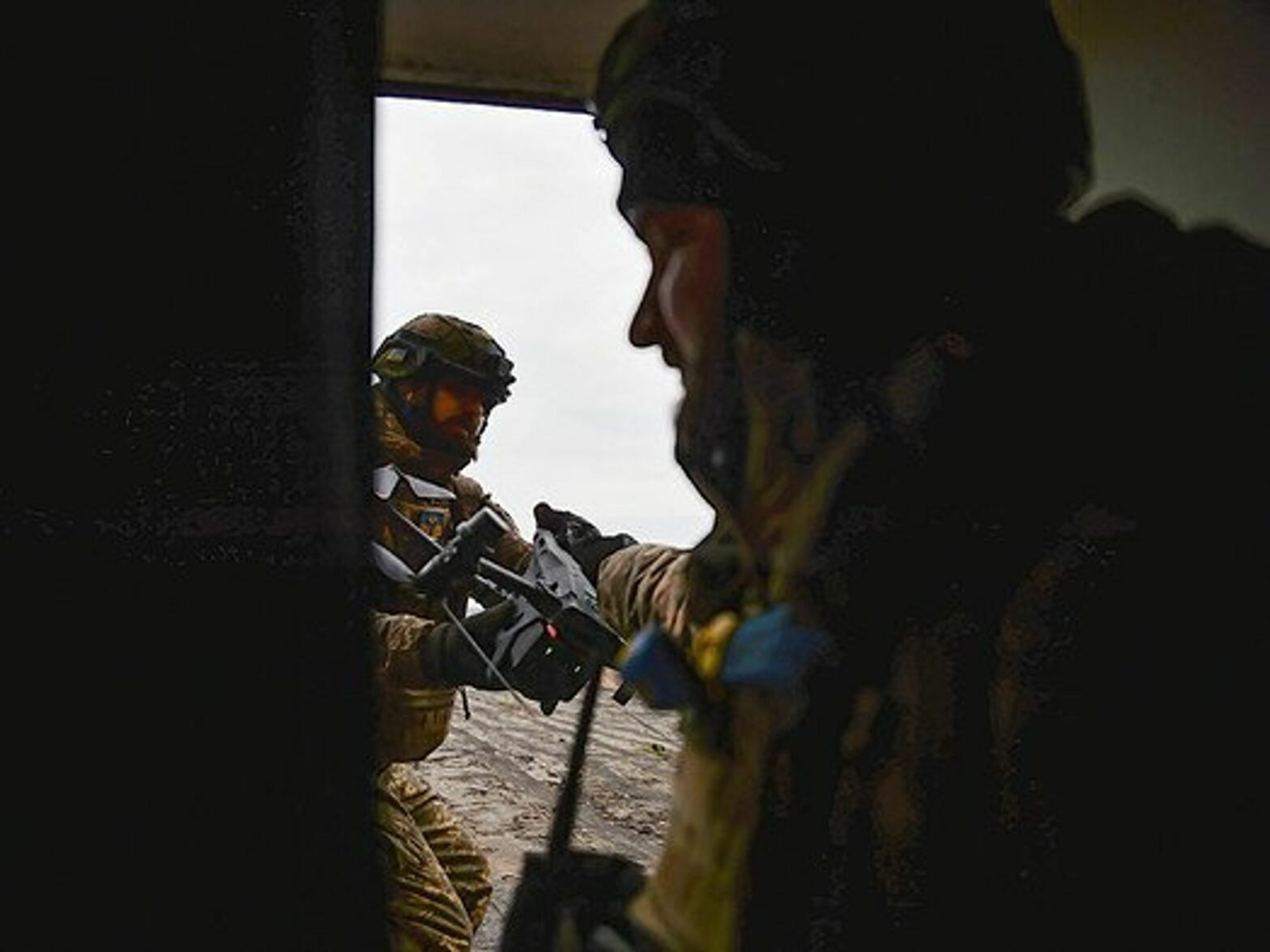
Bakhmut in eastern Ukraine has been the site of some of the fiercest and bloodiest battles since Russia’s invasion. As the human toll mounts, Ukraine must decide between symbolism and strategy in a fight against waves of untrained Russian civilian troops.
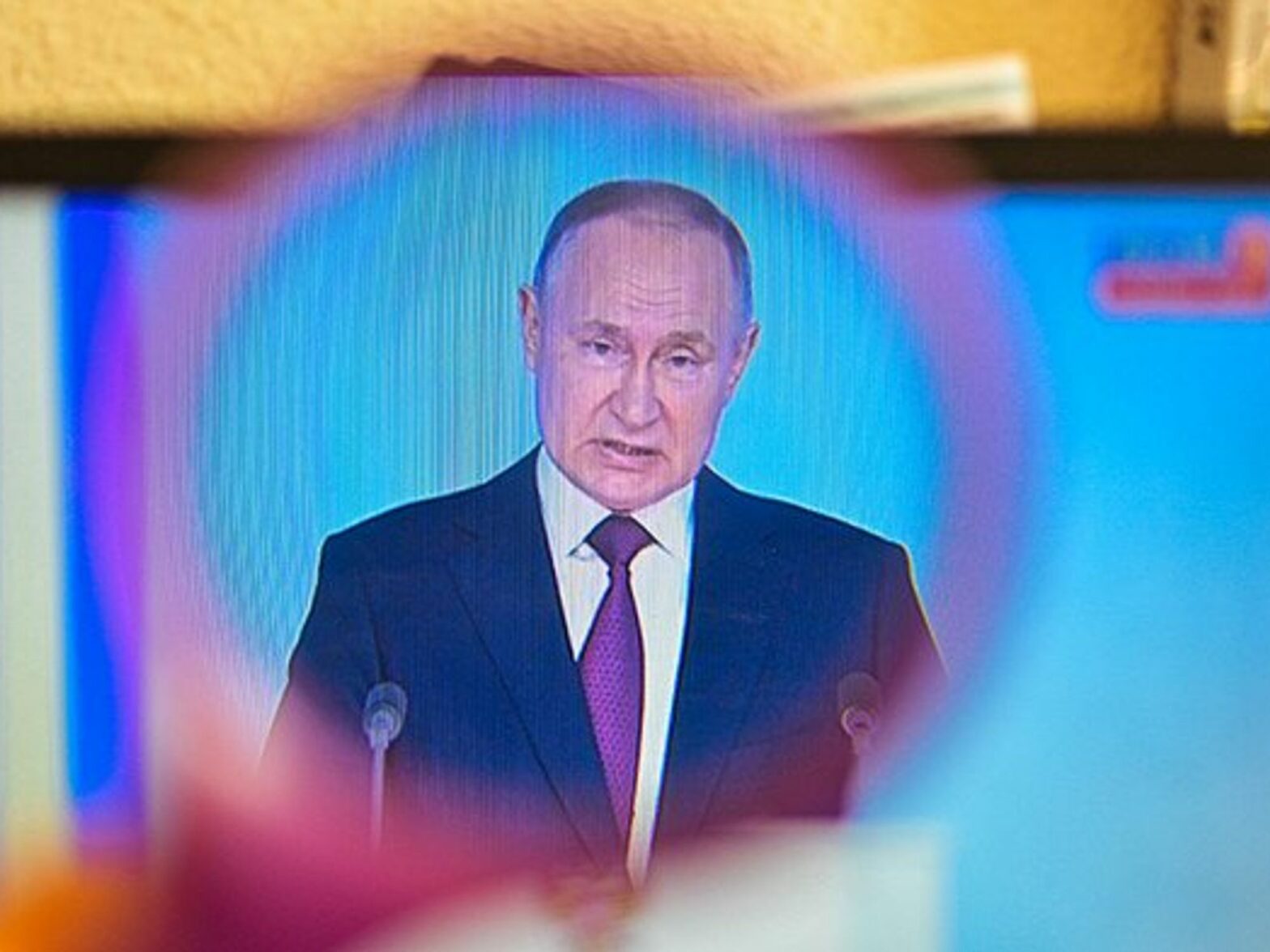
From the first fake news reports that Zelensky had fled to Putin’s latest speech Tuesday that blamed the war on the West, Russia’s attempts to manipulate opinion have wound up leaving Moscow itself as the prime victim of its own lies.
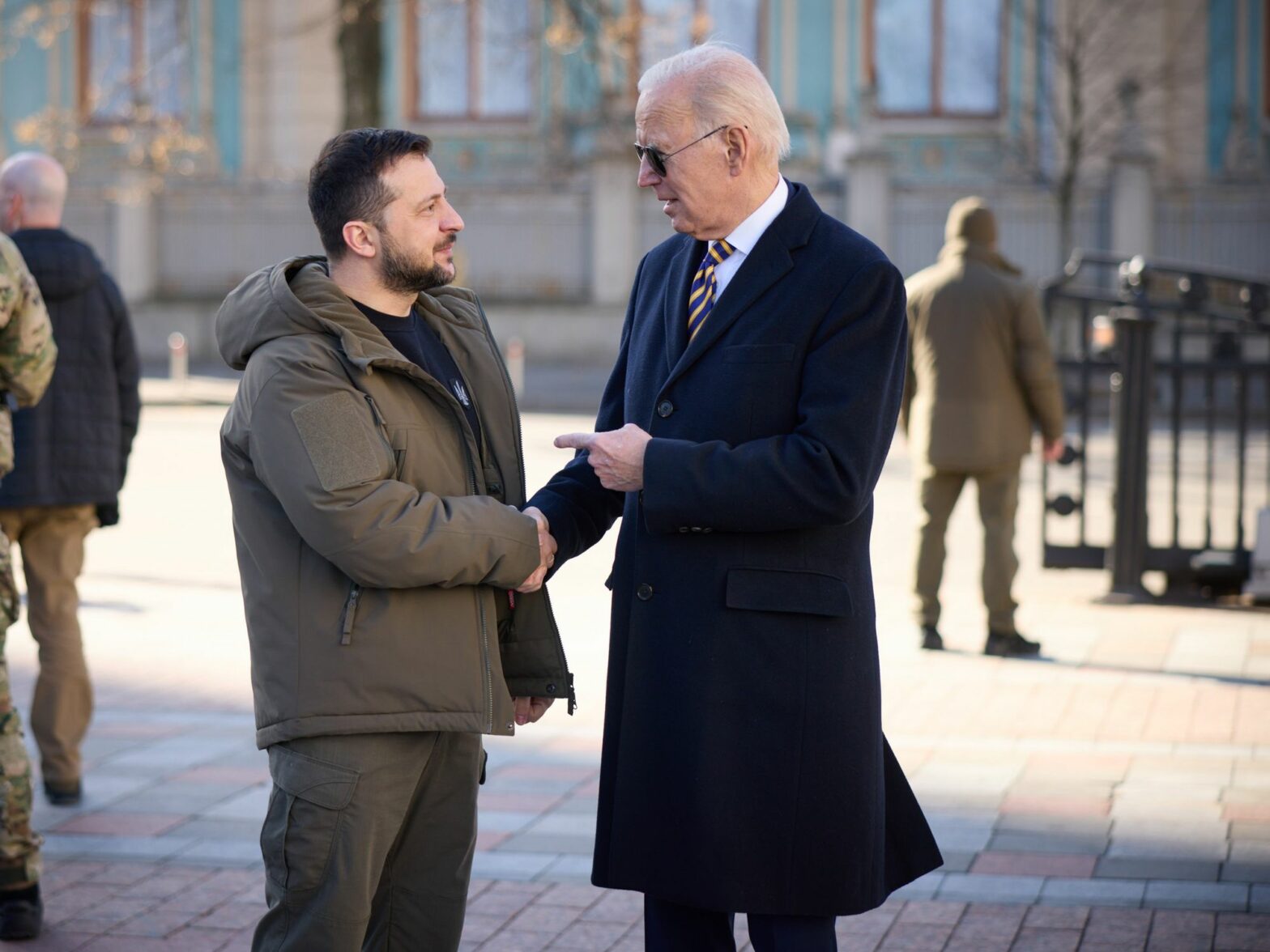
In the inevitable race for symbolic victories on the eve of the Ukraine invasion’s first anniversary, Joe Biden scored a major victory with his surprise visit to Kyiv. Meanwhile, one year on, Vladimir Putin has yet to visit his own country’s troops on the front line.
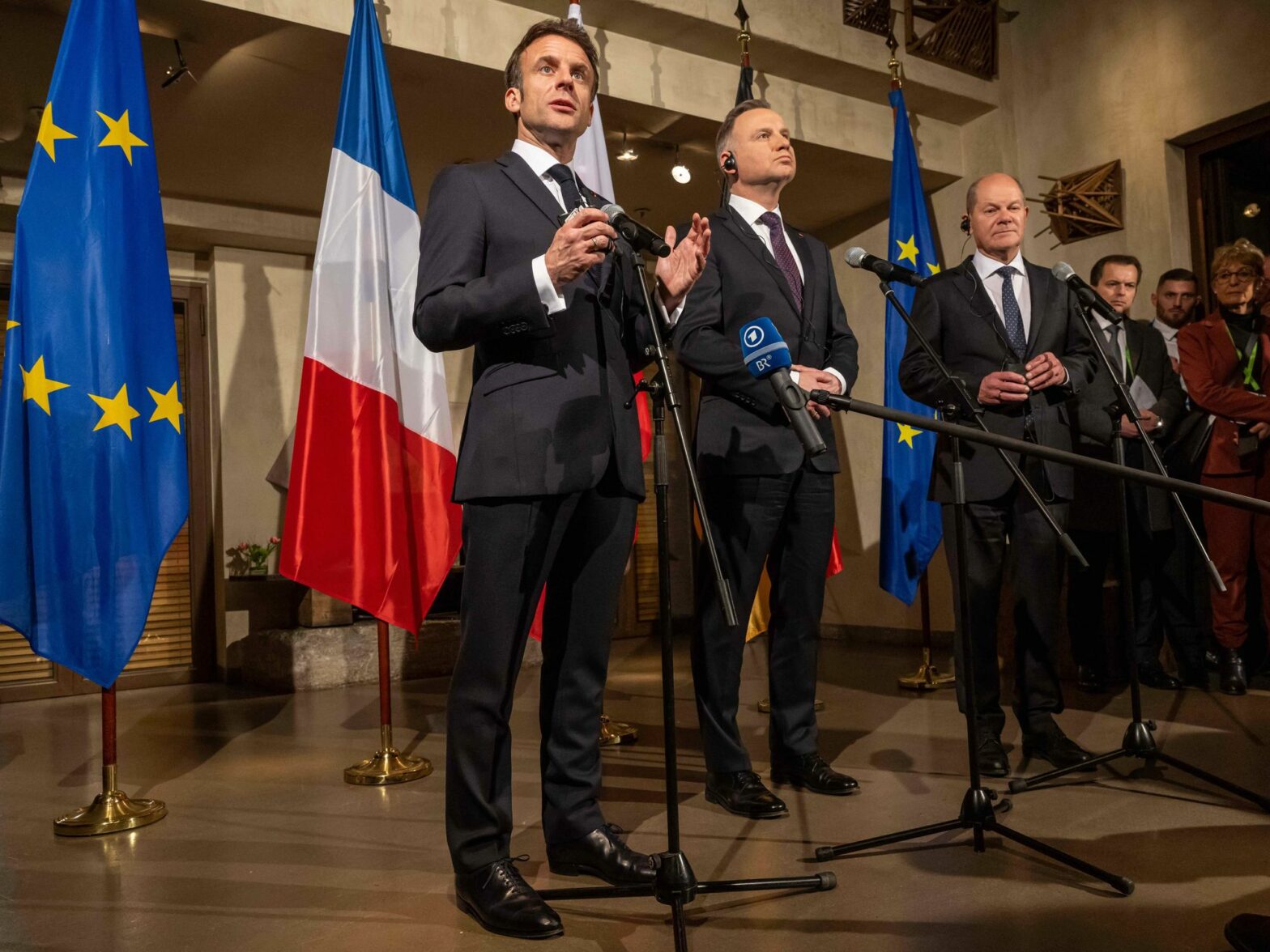
Returning from this weekend’s Munich Security Conference, French President told France Inter public radio: “I do not think that Russia should be defeated completely, or attacked on its soil. These observers want above all to crush Russia. This has never been the position of France and it never will be.”
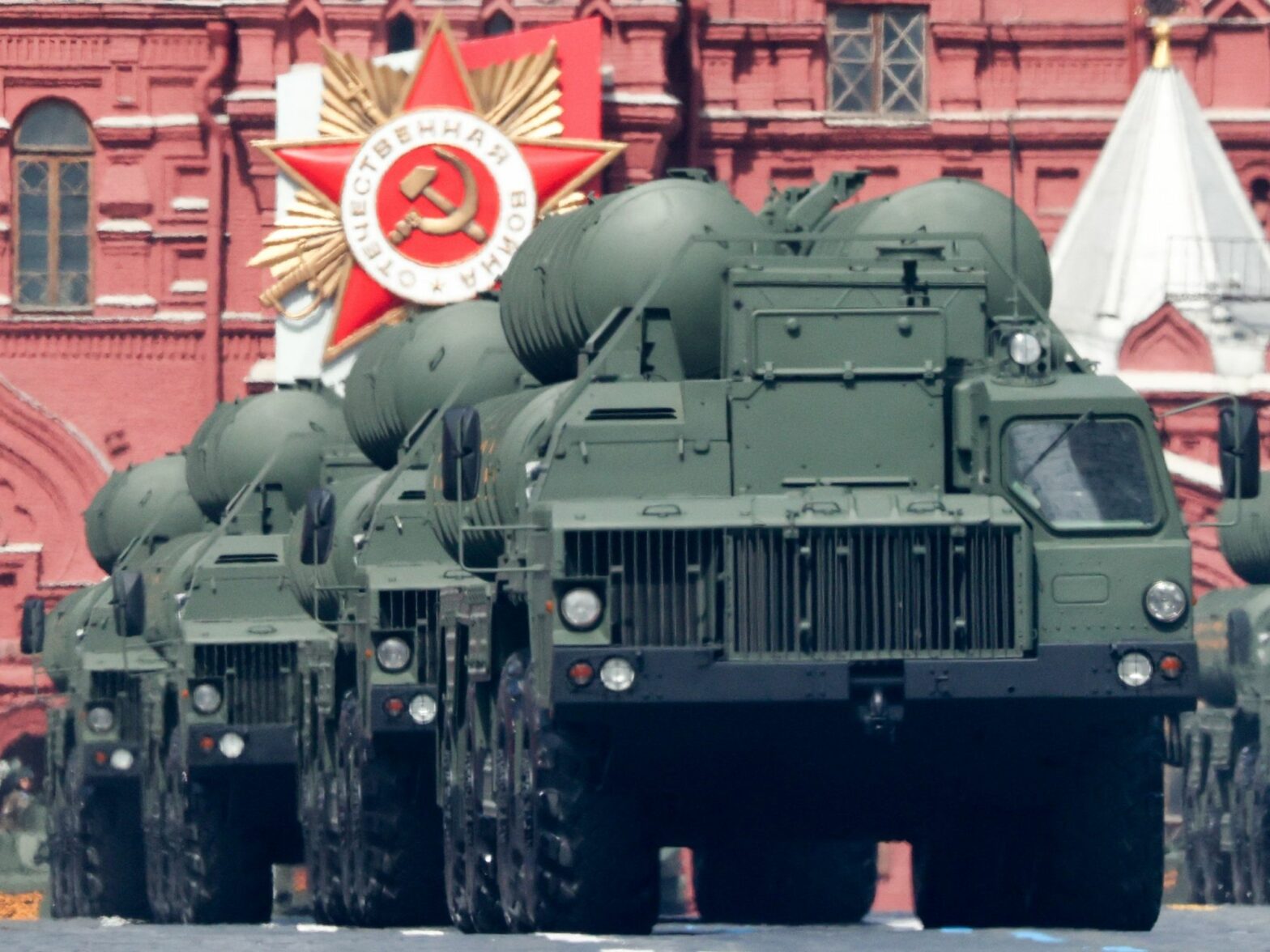
A healthy dose of cynicism and short cuts allows parts for weapons and other technology to still make their way into Russia. Independent Russian-language media Vazhnyye Istorii traces the way both Moscow and much of the rest of the world circumvent export bans.
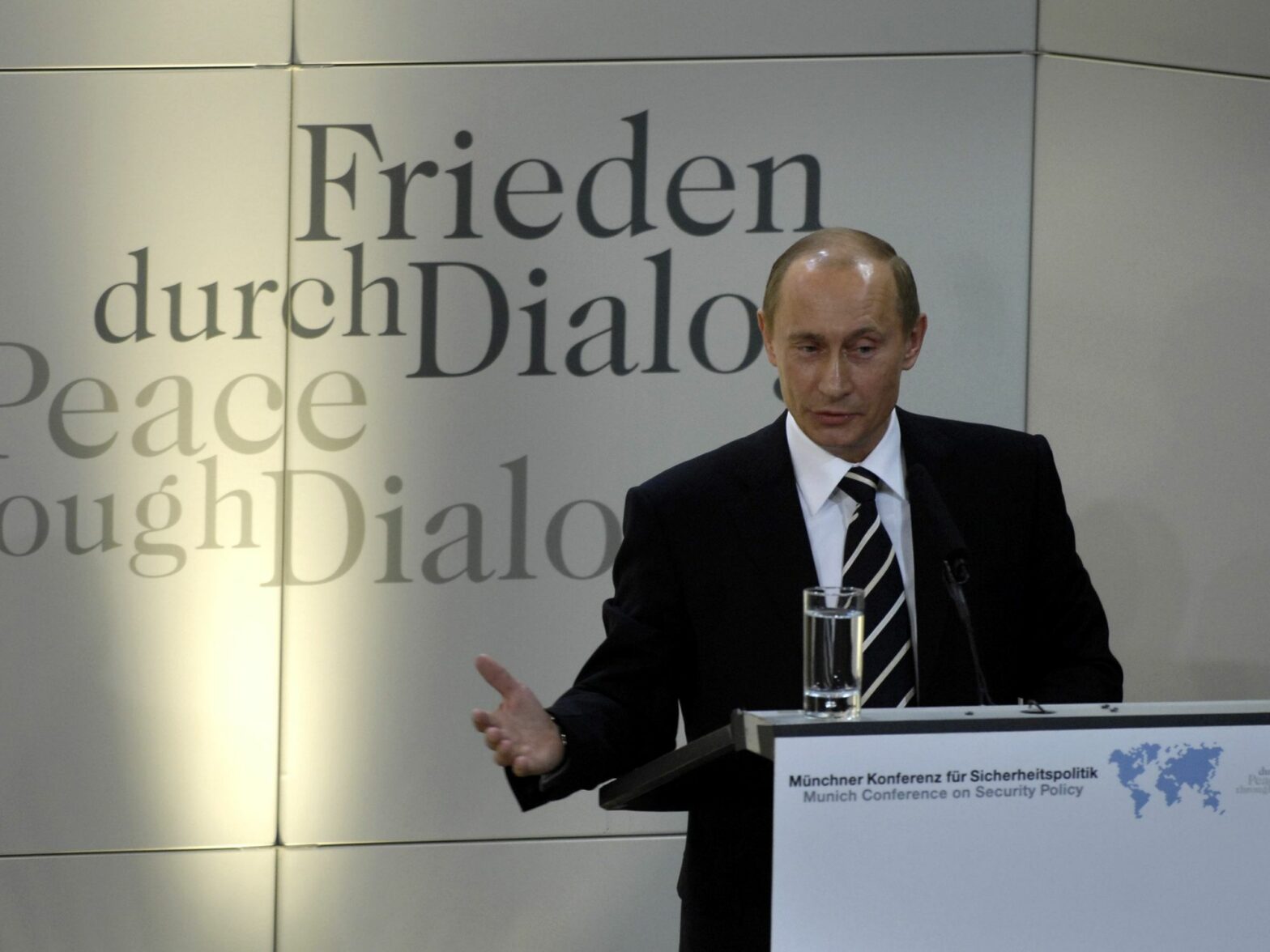
The Munich Security Conference of 2023 takes place this weekend. The 2007 edition was a turning point for the world, where Vladimir Putin made his intentions clear — and today it all looks destined to arrive at the invasion of Ukraine.
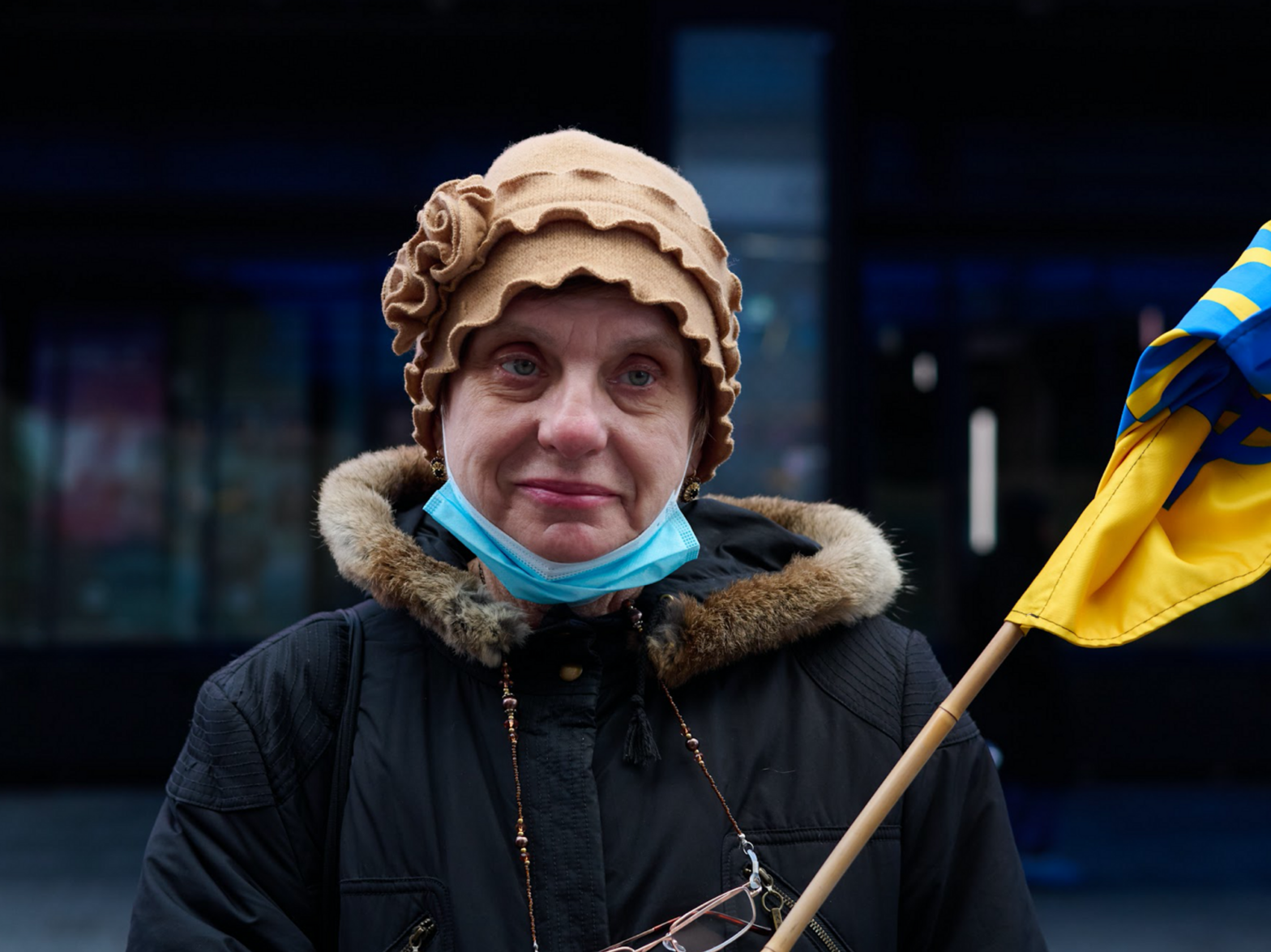
One Ukrainian writer looks back on a year of international support for her nation, and what happened when the world’s attention shifted to the earthquake in Turkey and Syria.
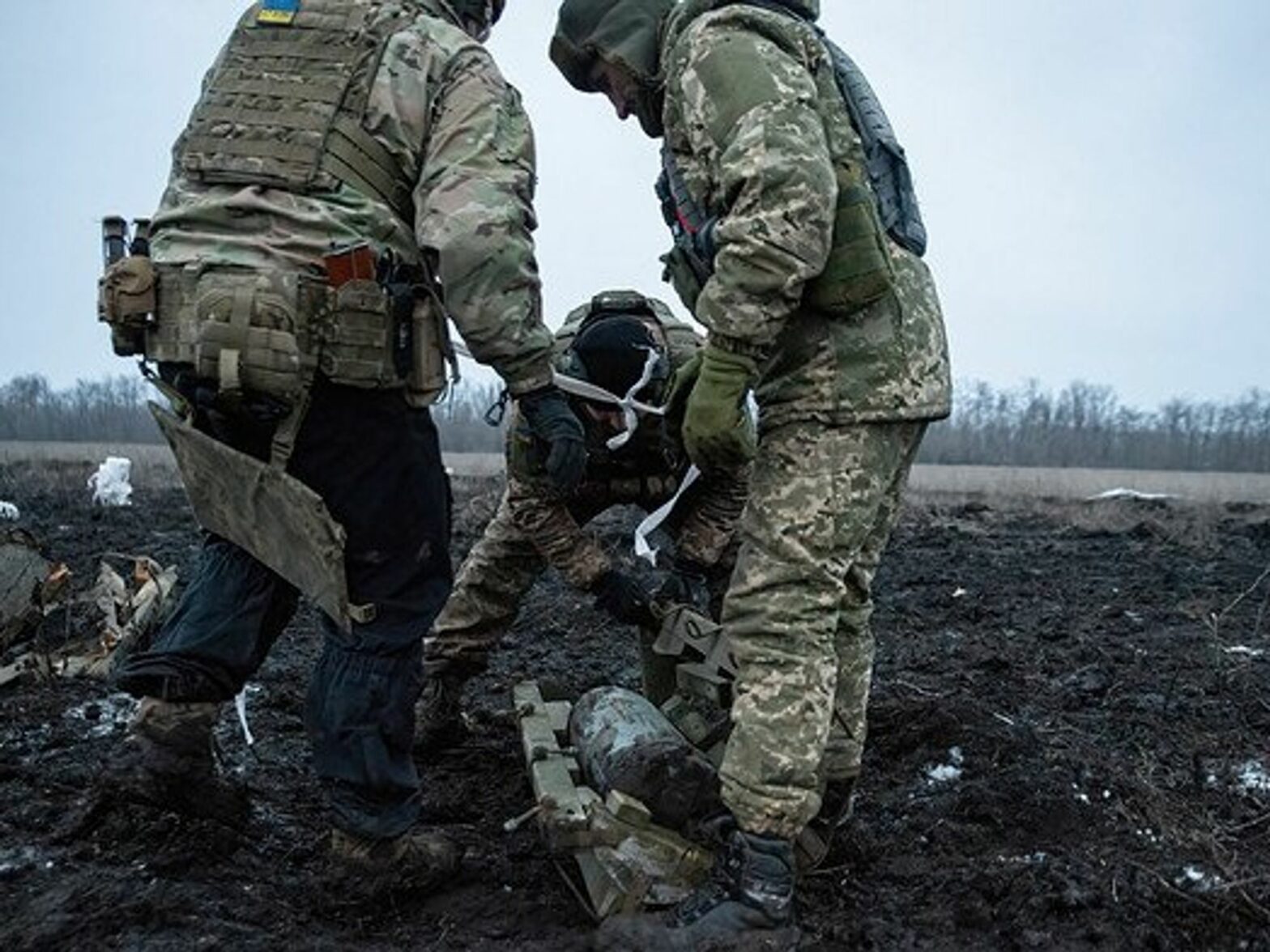
Tech billionaire Elon Musk has long been considered one of Ukraine’s key supporters, but he has just announced restrictions on the Ukrainian military’s use of his Starlink satellites. Die Welt spoke to soldiers on the front lines in Bakhmut who are already feeling the effects.
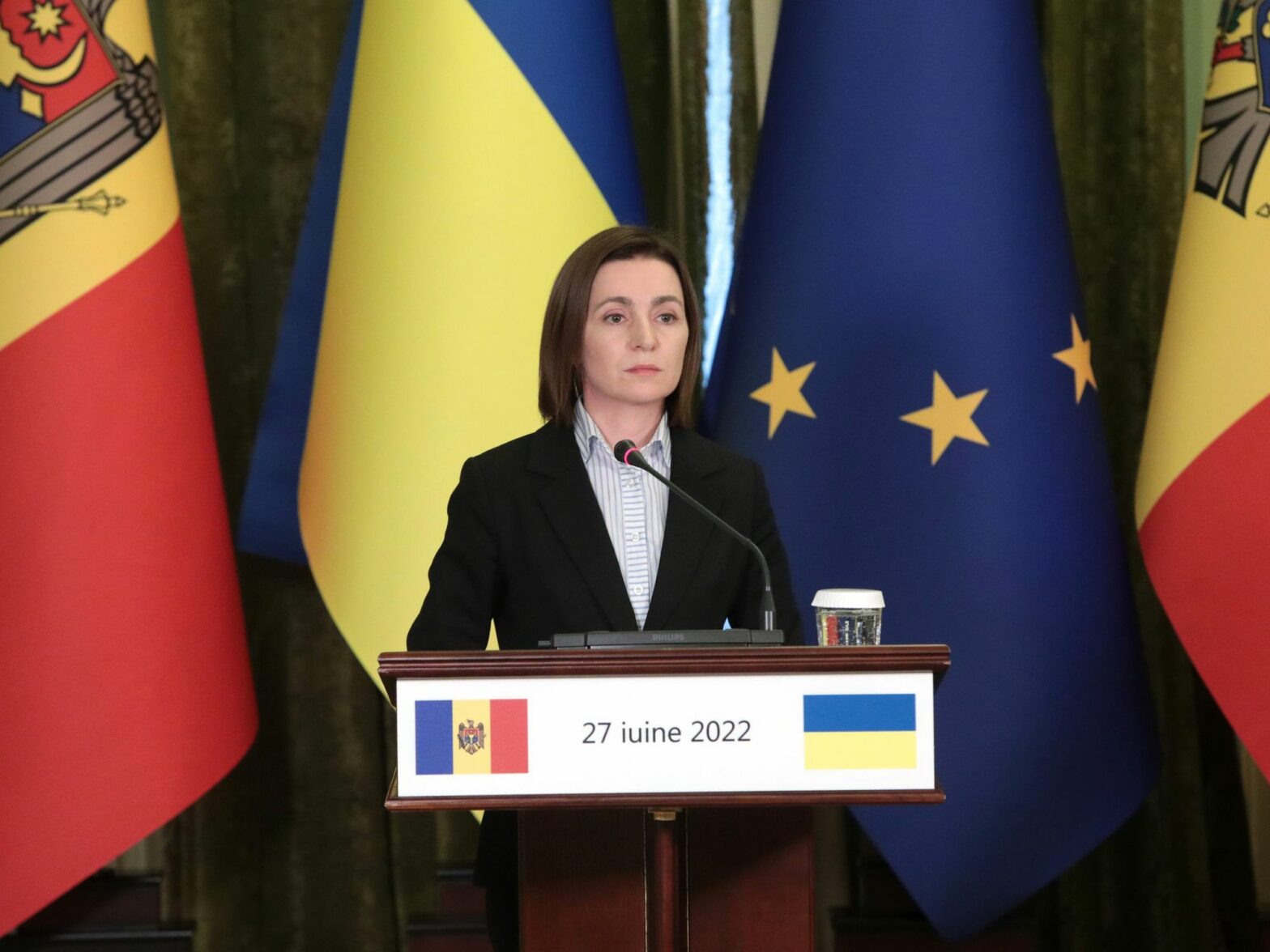
Moldovan President Maia Sandu has warned that Russia aims to install a pro-Kremlin leadership in the former Soviet country across the border from Ukraine. Vladimir Putin has both the means and desire to do so.
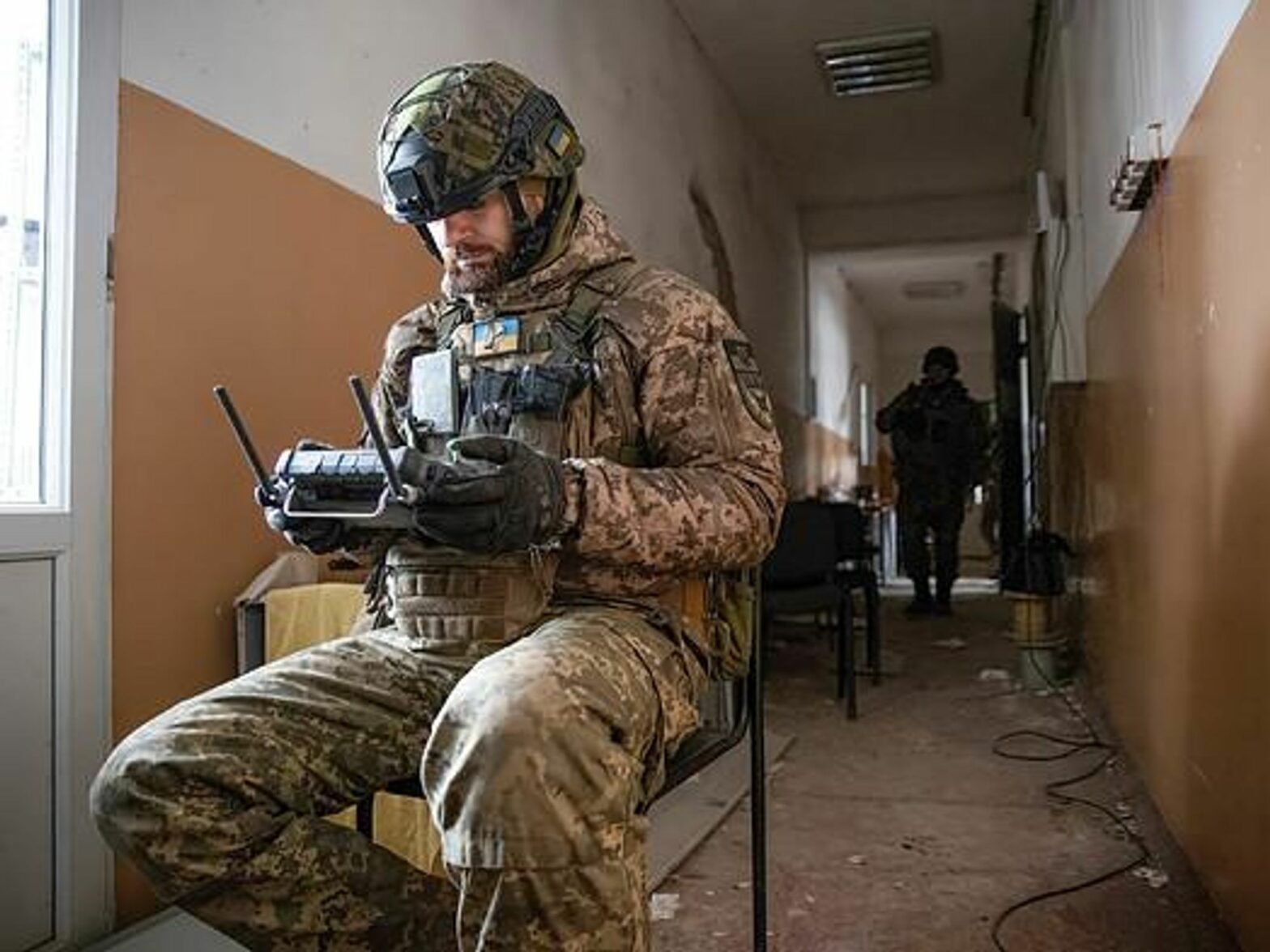
Russians who oppose the war in Ukraine face a tough moral question: How far are they prepared to go? Around the world, a group of Russians are organizing and raising money to send much-needed drones to help Ukrainian forces fight the Russian invasion.
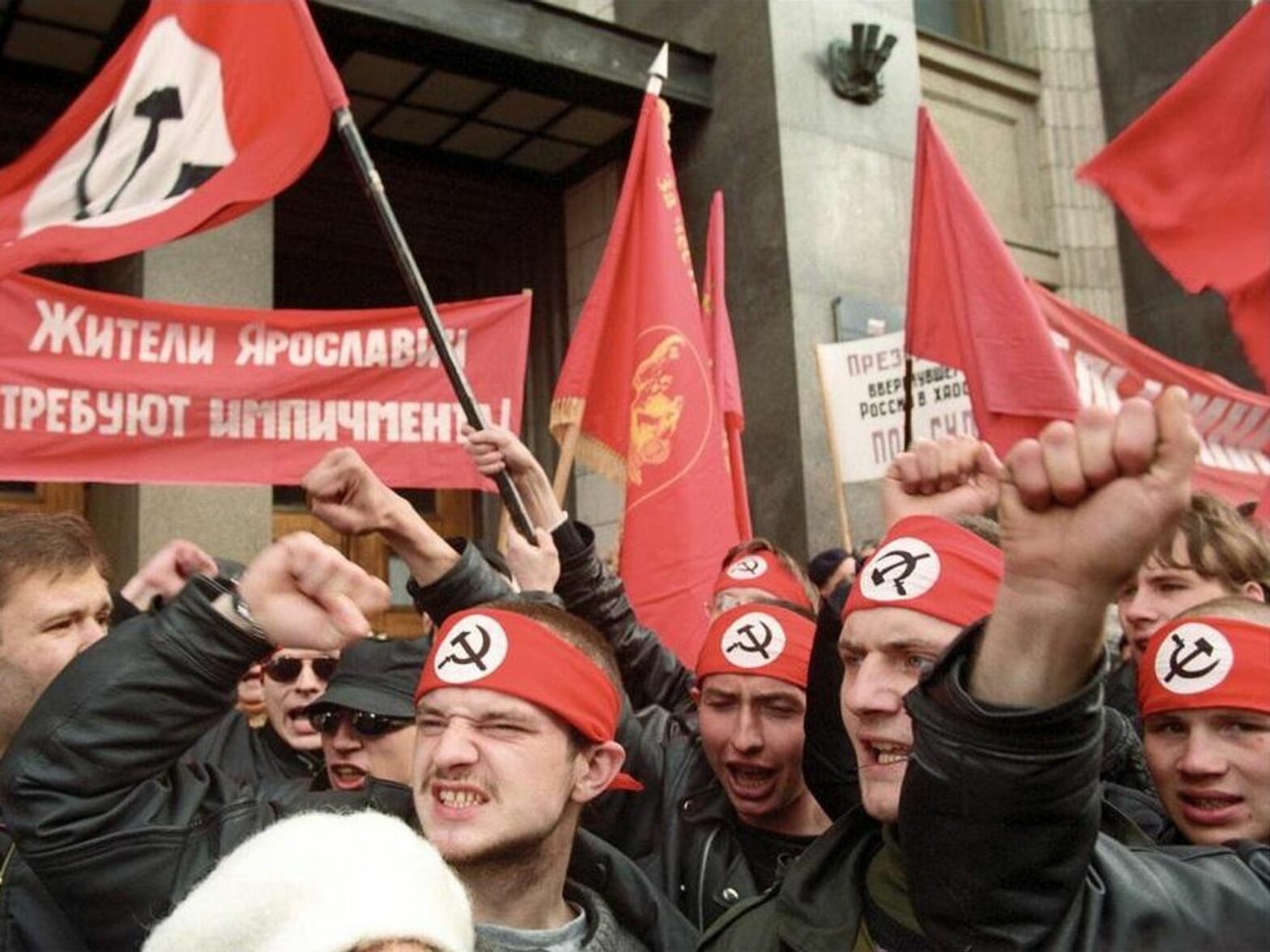
It is a mistake to attribute the construction of authoritarianism in modern Russia to Putin alone. Serhiy Gromenko, an expert at the Ukrainian Institute for the Future, explains the evolution for how Russia wound up an authoritarian state, and why Putin isn’t the only one to blame.
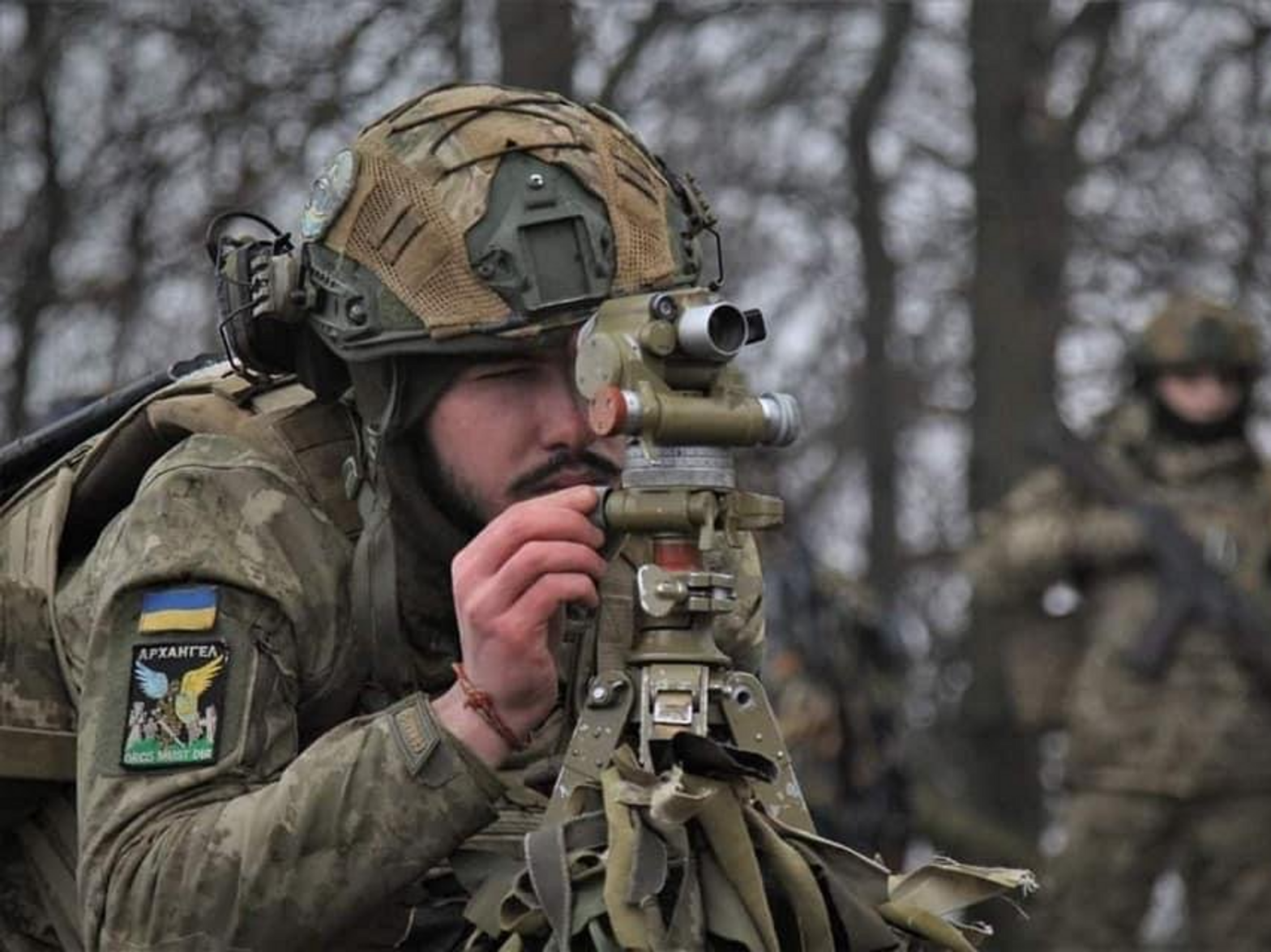
Latest reports show that Russia is stepping up its operations in eastern Ukraine, with a major offensive looking to be imminent. But international military strategists and tactical experts think that instead of sealing Kyiv’s fate, this rushed assault could precipitate the demise of Vladimir Putin and his war.
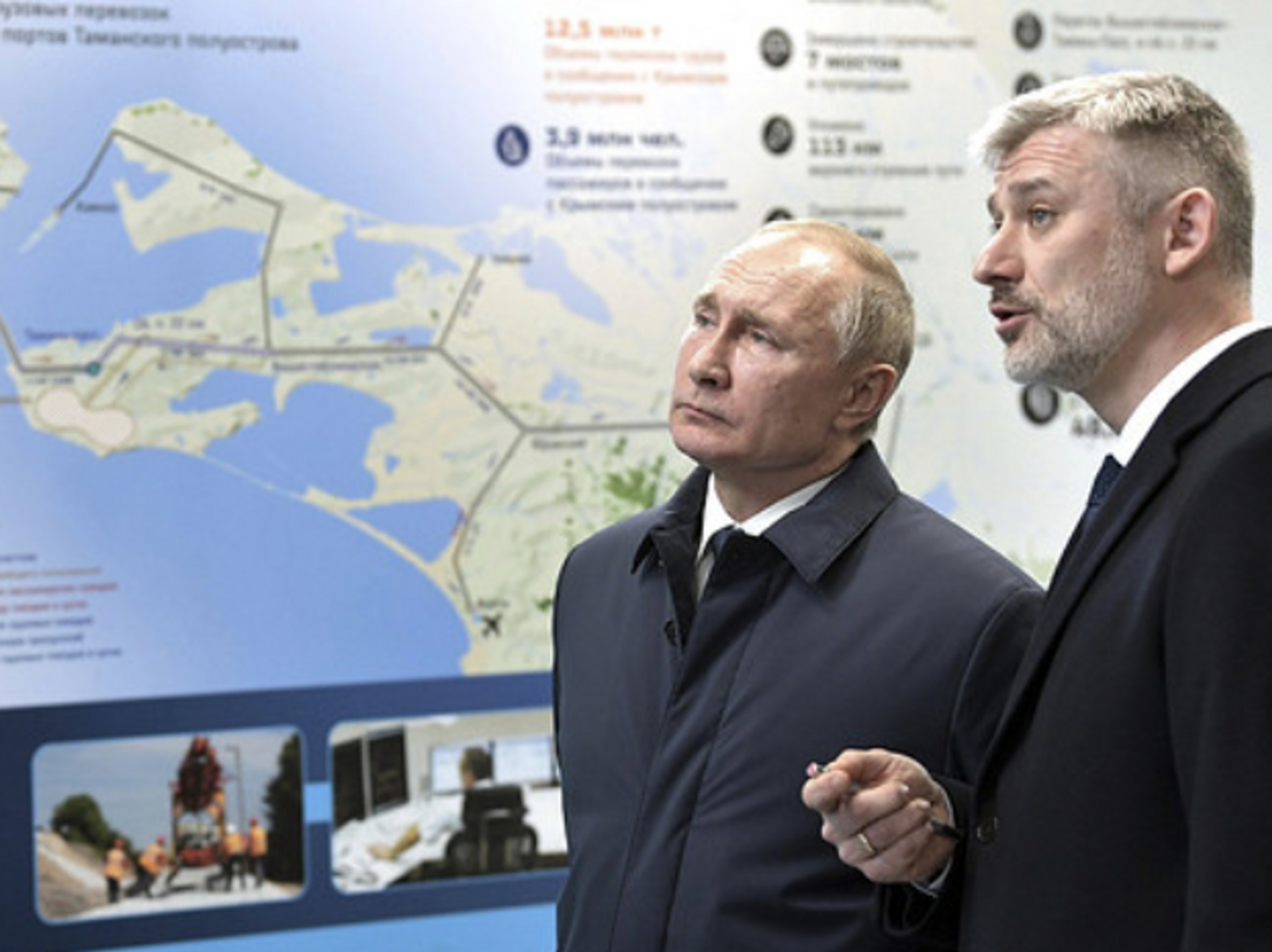
After the annexation of Crimea, the peninsula’s prized resources were identified and distributed among Russian oligarchs with connections to the Russian President, handing out everything from wine vineyards to hockey clubs to steelworks.
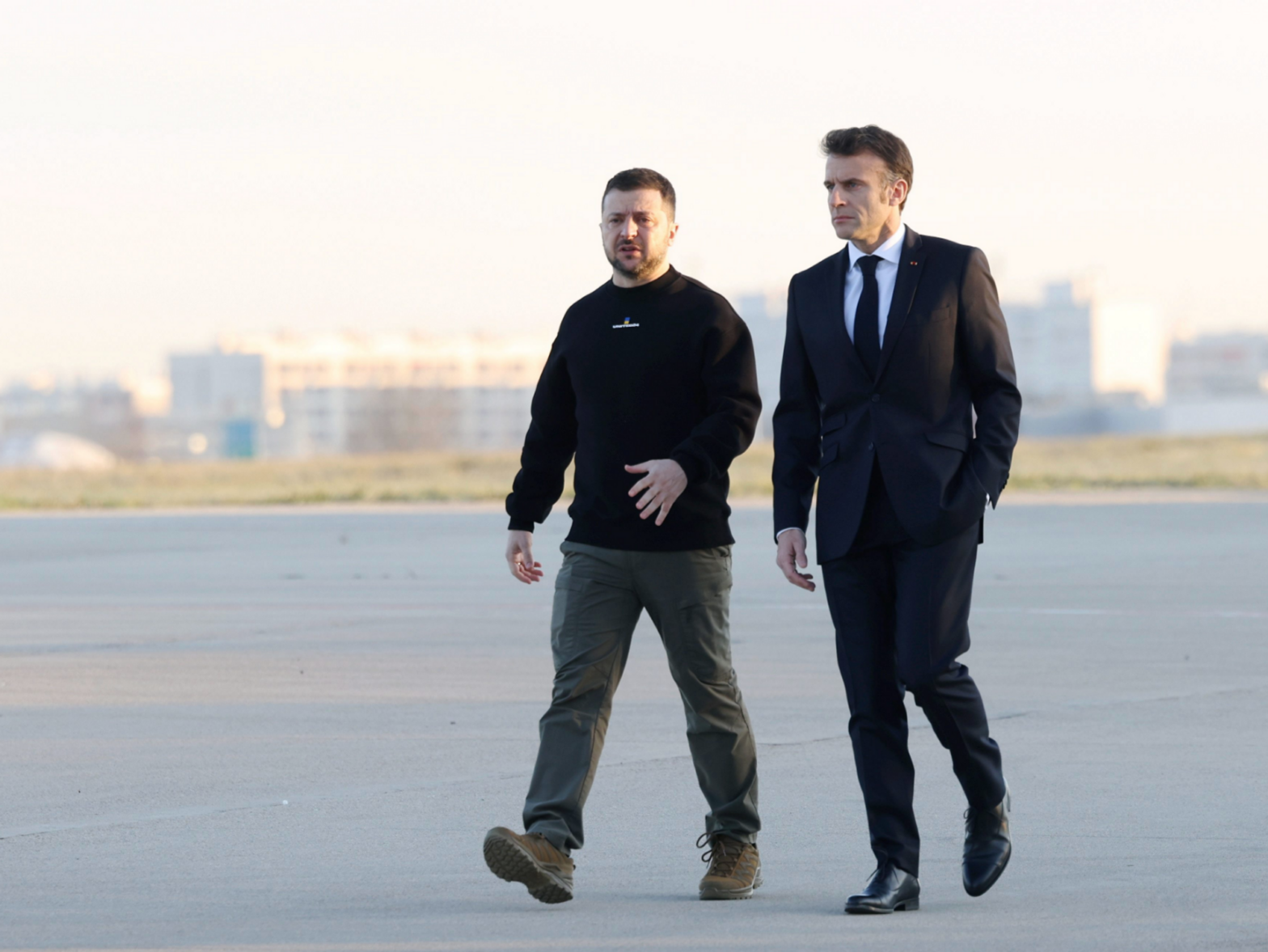
Volodymyr Zelensky’s visits this week to London, Paris and Brussels reinforce the intertwined fates of Europe and Ukraine. And for Kyiv that will ultimately mean more weapons support.
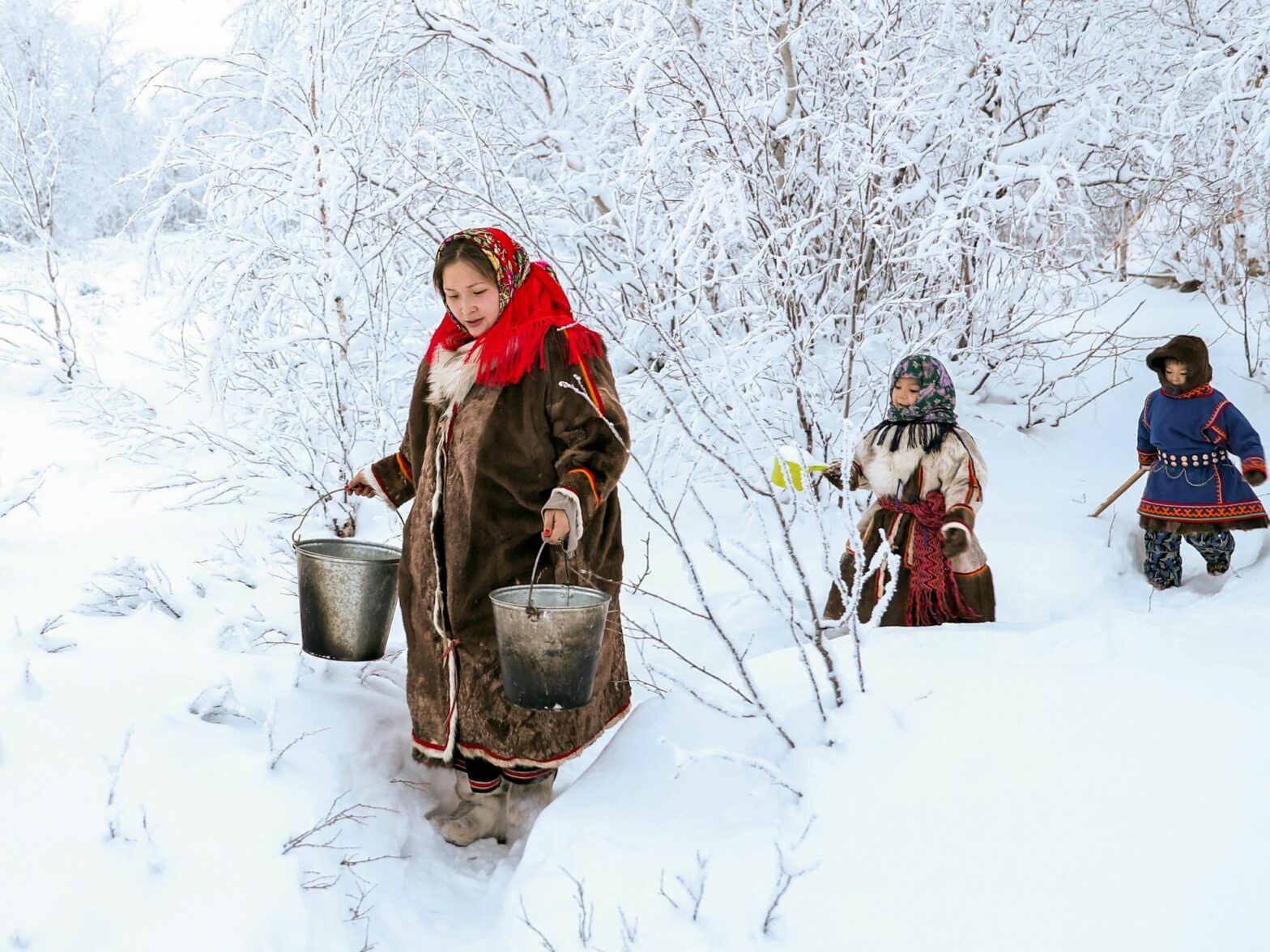
The number of indigenous people in Russia has been declining for decades, but the war in Ukraine has accelerated the trend. Already vulnerable, indigenous groups are more likely to be mobilized and bear the brunt of Western sanctions.
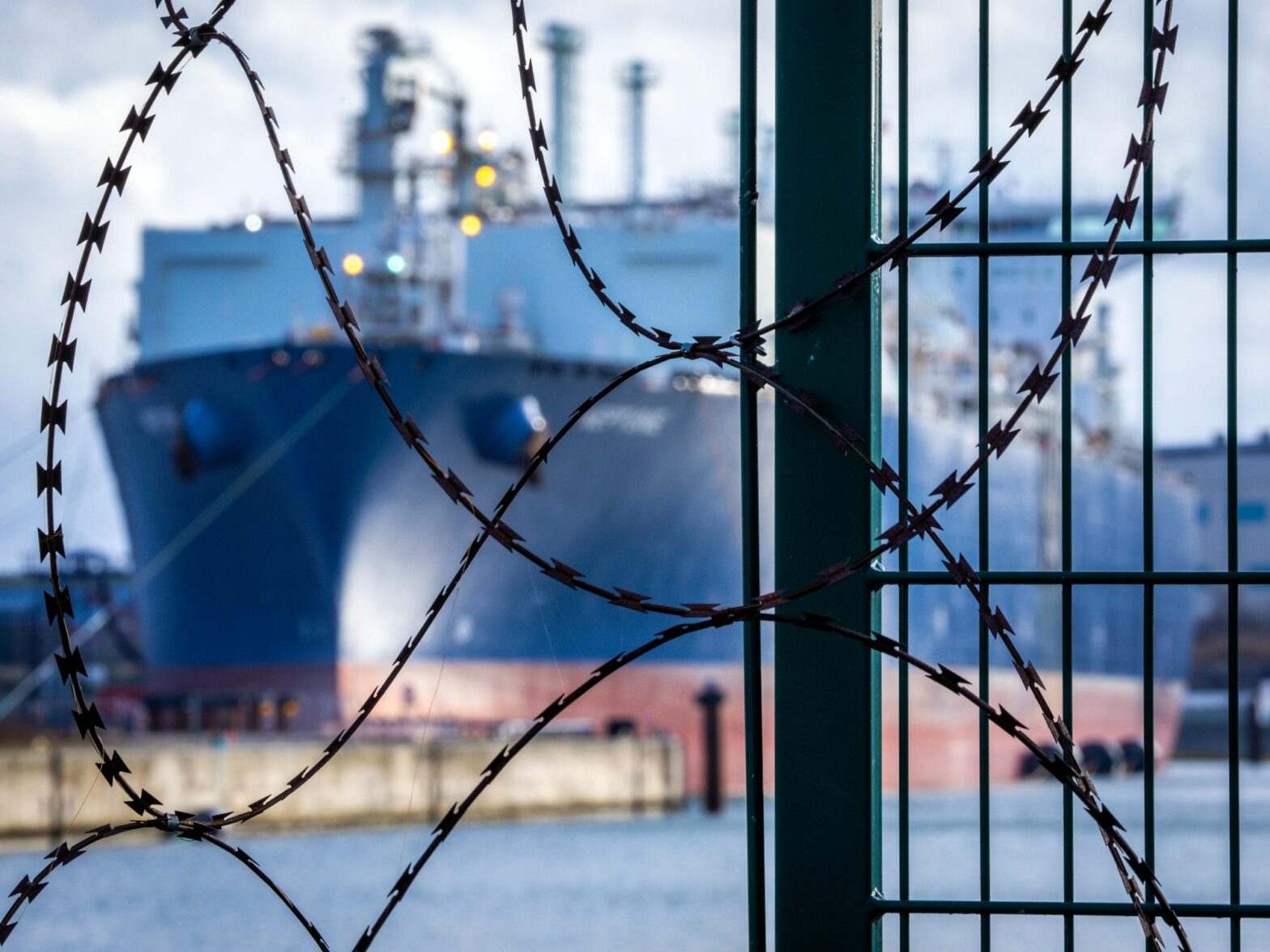
Petro Poroshenko, the Ukrainian businessman and politician, who served as the fifth president of Ukraine from 2014 to 2019, believes more can be done to defeat Putin, by truly crippling the Russian economy:
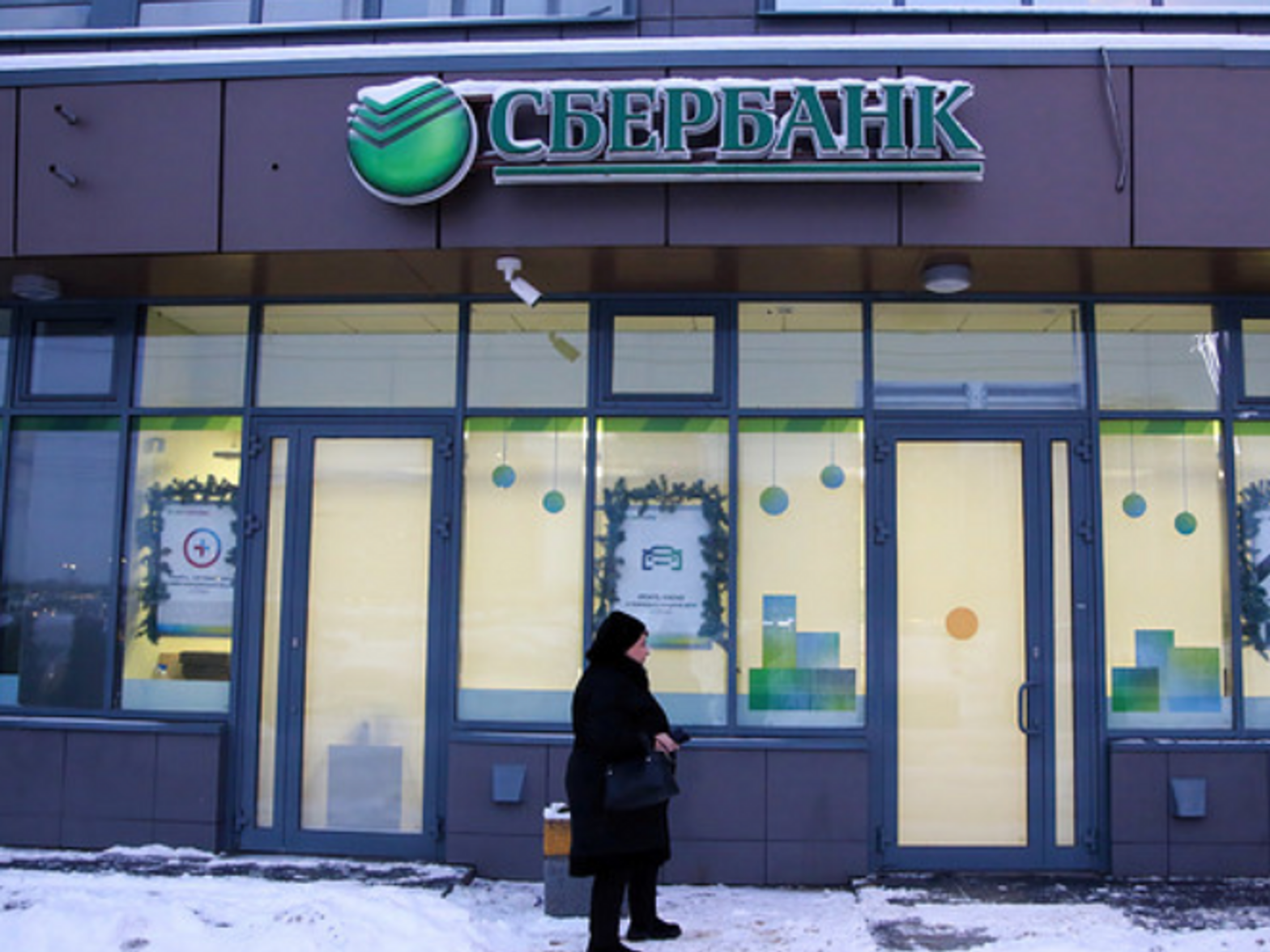
Russians fled the war to neighboring countries, bringing with them billions of dollars worth of wealth. The influx of money is both a windfall and a problem.
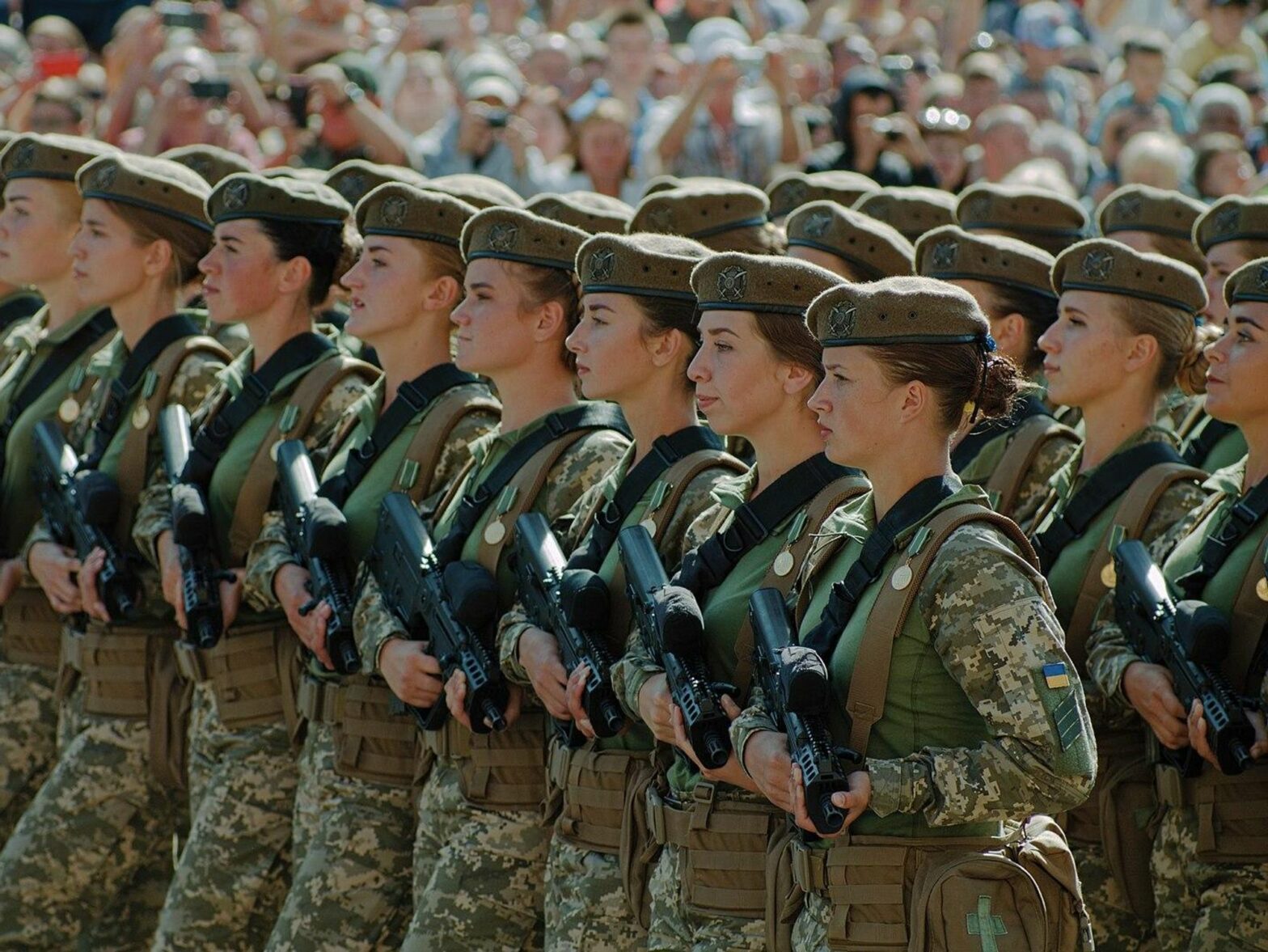
Almost a year ago, a well-known lawyer, Yevhenia Zakrevska, became a soldier in the Ukrainian Armed Forces and now serves as an aerial reconnaissance officer. She tells her story to Ukrainian news media Livy Bereg.
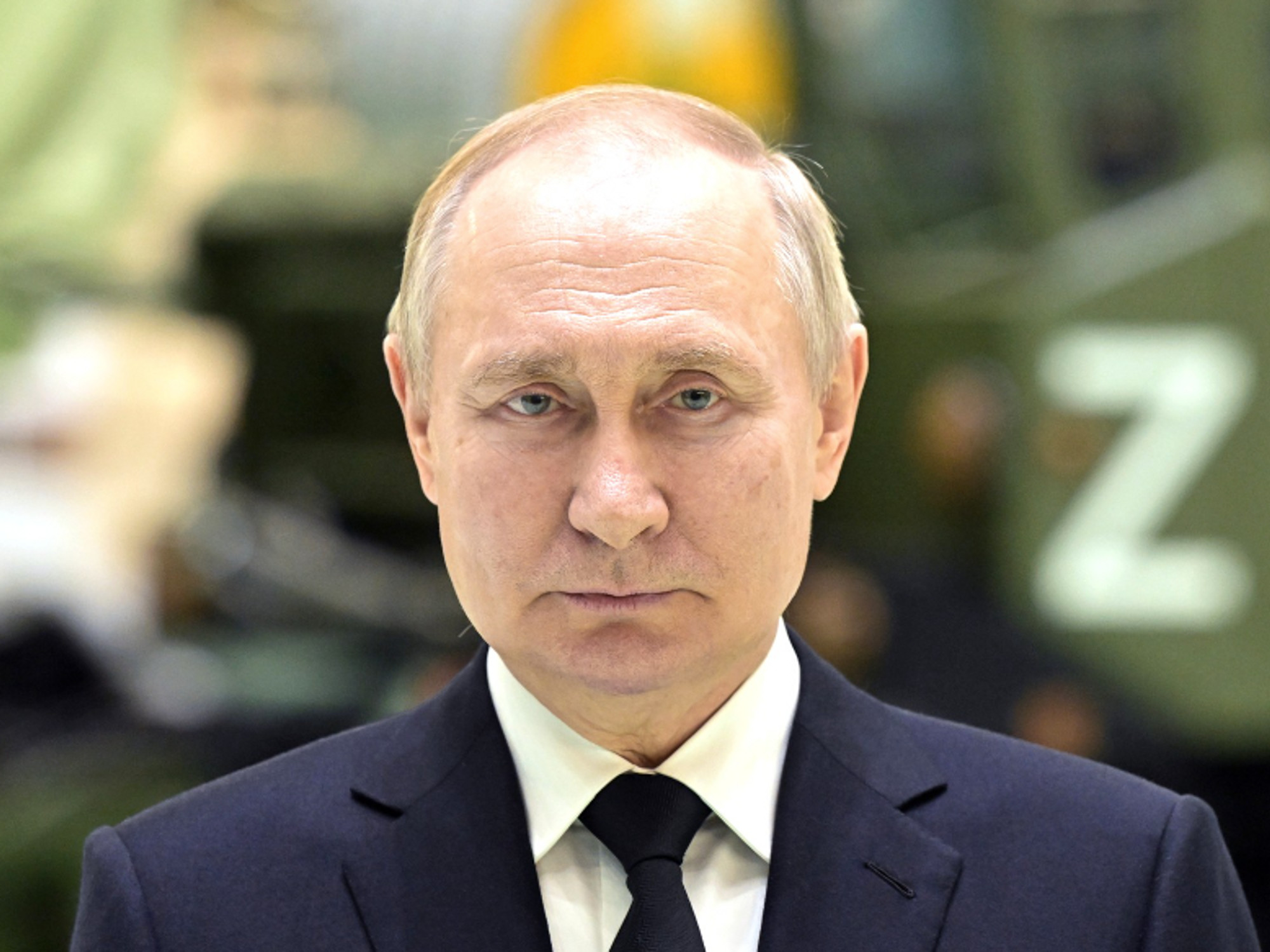
The Russian army is fighting fiercely for every kilometer in the Donbas, amid reports of new masses of troops arriving in Ukraine. By most accounts, it looks like Putin has moved up the calendar on a major assault that was originally planned after the winter thaw.
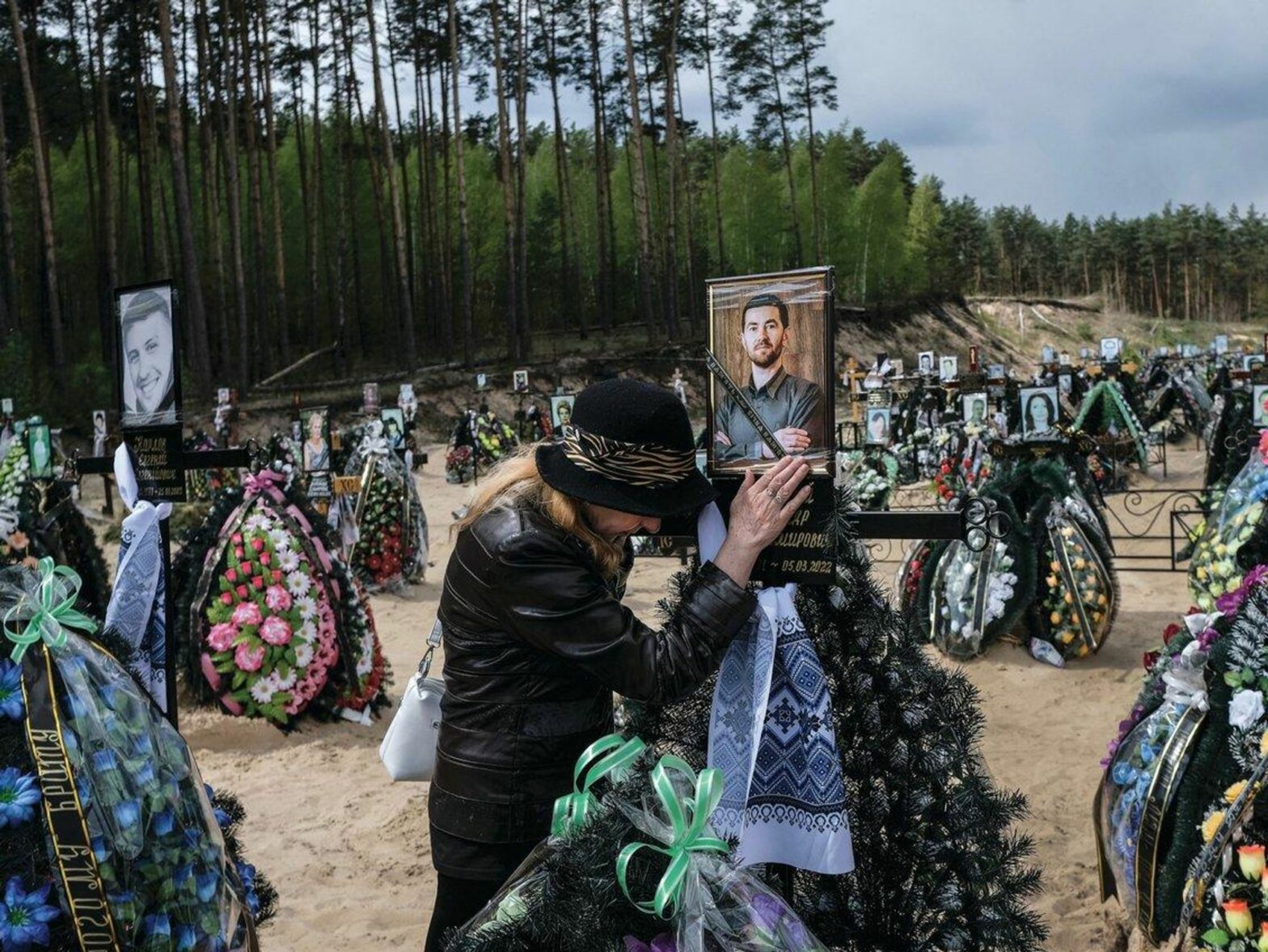
It’s hard to admit, but every day, the chance of a Ukrainian victory moves further away. Kyiv is running out of troops and equipment. The enemy is better prepared and has significant reinforcements at its disposal. It’s no surprise, then, that the talk among Western diplomats is of a truce.
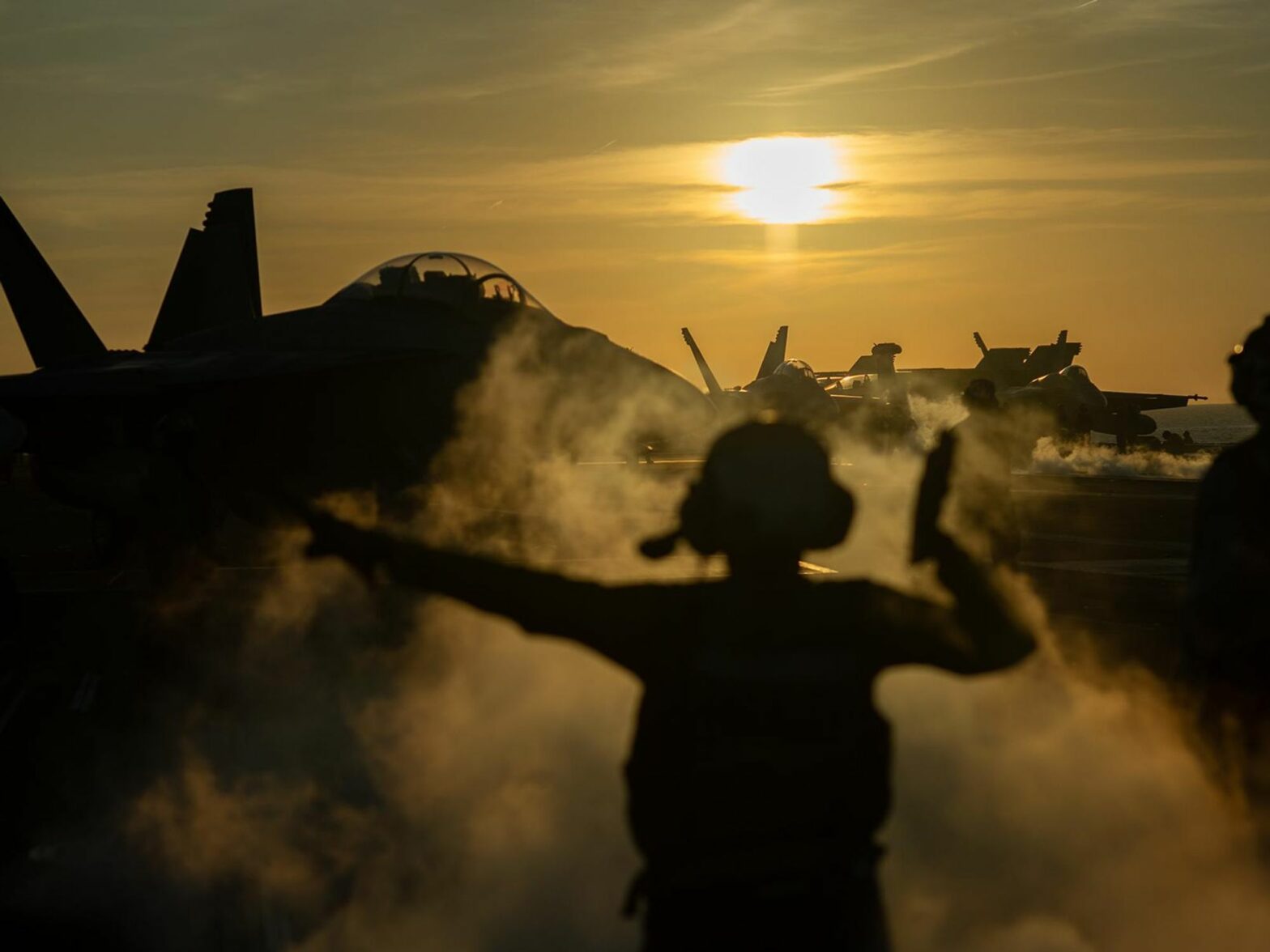
The open debate on weapon deliveries to Ukraine is highly unusual, but Kyiv has figured out how to use the public moral suasion — and patience — to repeatedly shift the question in its favor. But will it work now for fighter jets?
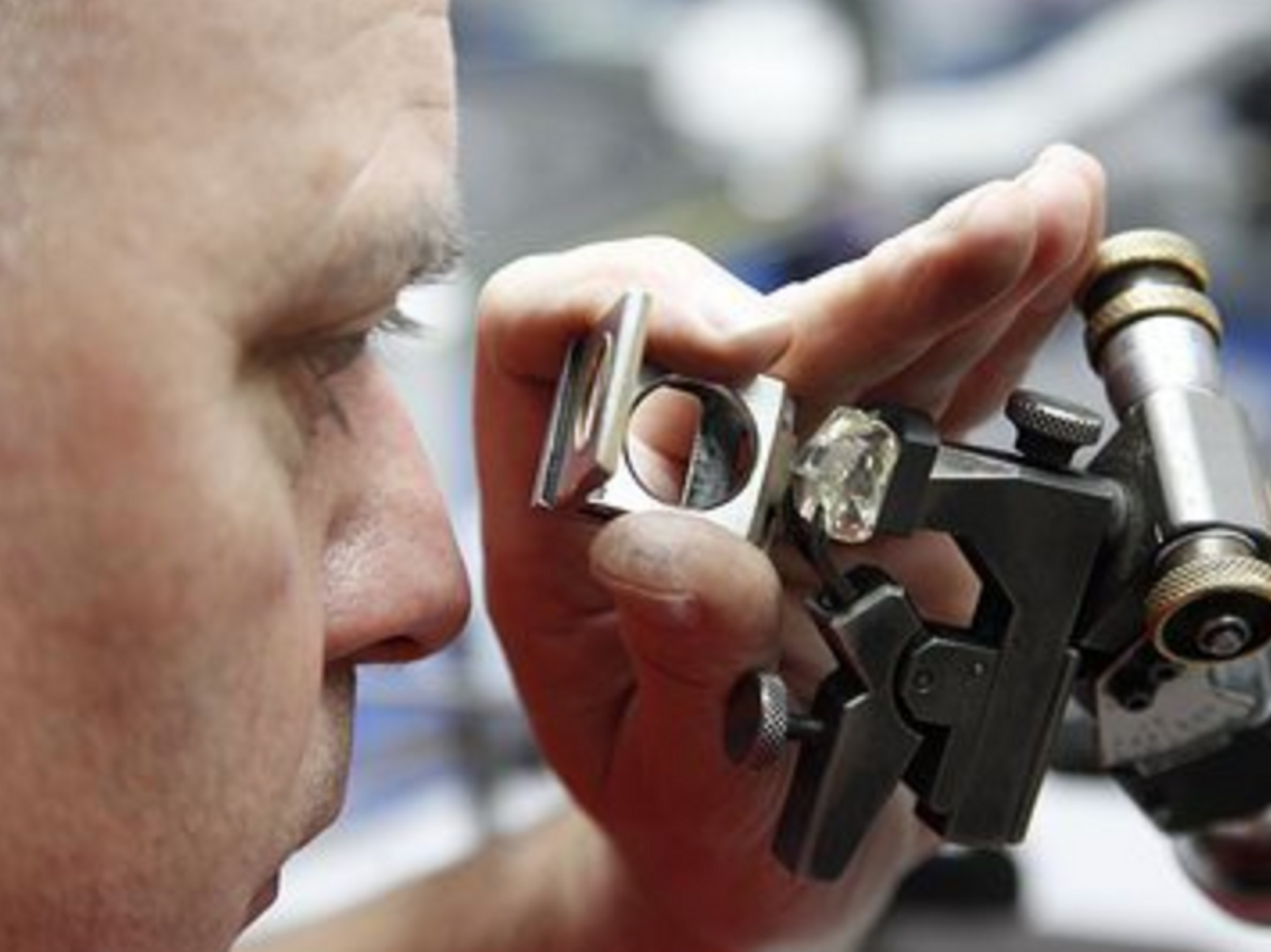
Belgium has lobbied hard for the past year to keep Russian diamonds off the list of sanctioned goods. Indeed, there would be a huge impact on the economy of the port city of Antwerp, if Europe finally joins with the U.S. and others in banning sale of so-called “blood diamonds” from Russia. But a 10th package of EU sanctions arriving this month may finally be the end of the road.
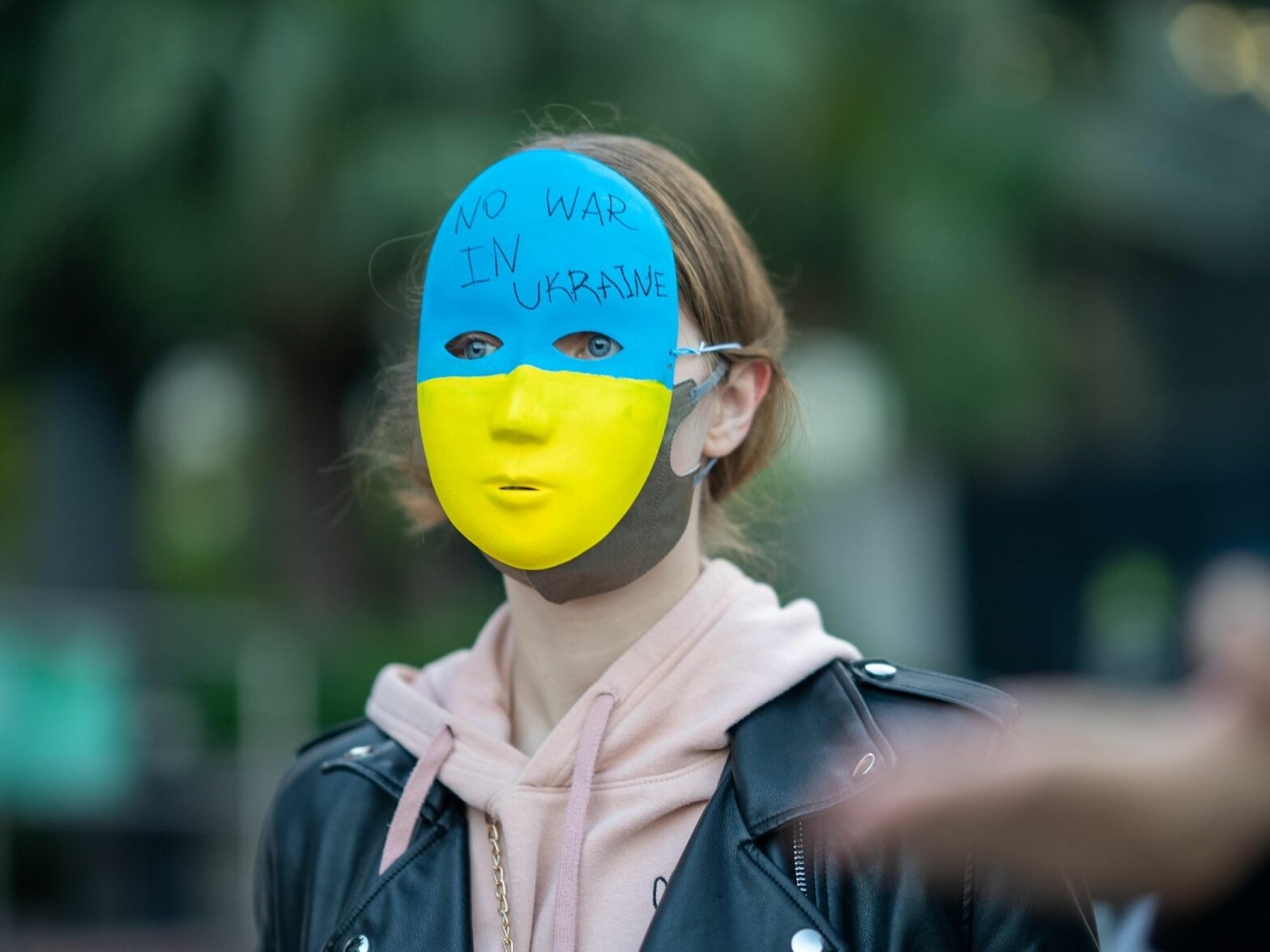
Russia’s 2021 census showed a record drop in the number of Ukrainians living in Russia. But the cleansing of everything Ukrainian, including language and culture, started long before Putin’s invasion.
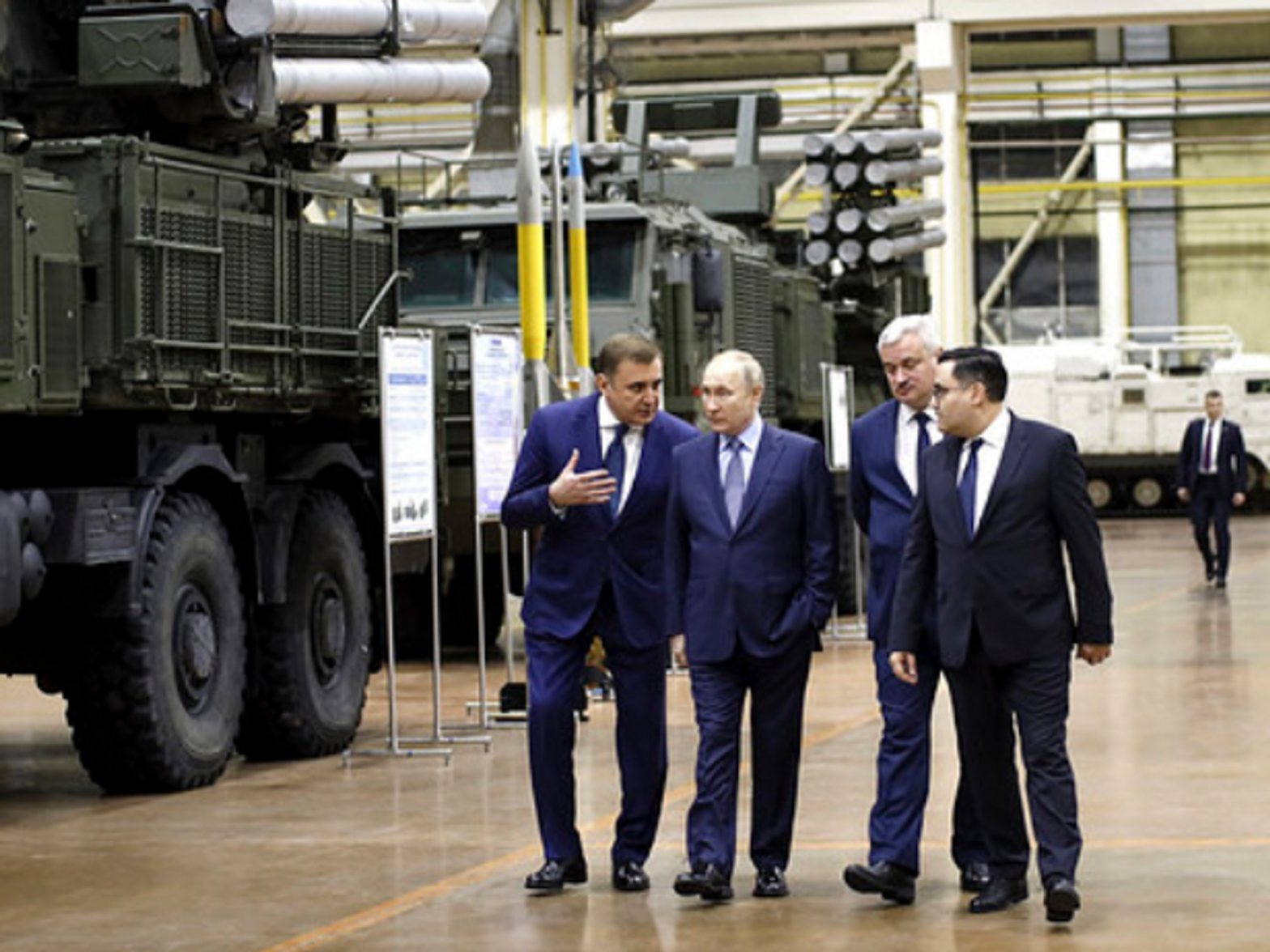
By putting the economy on a war footing, Putin risks returning Russia to the days of Stalinist totalitarianism, where there will be no oligarchs or businesses left, only loyal administrators.
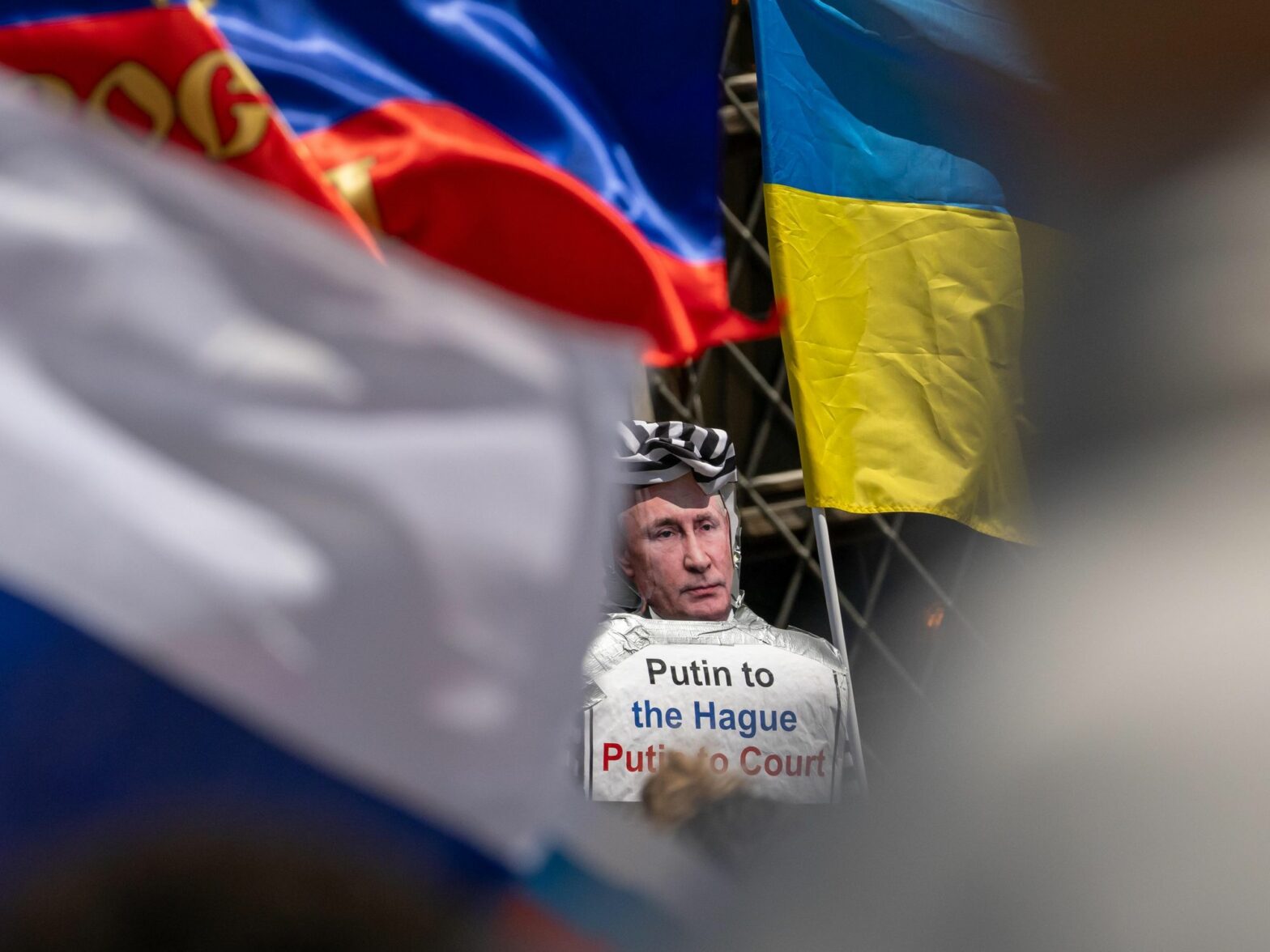
Consider the inverse of “collateral damage.” Envision Russia’s defeat and the triumph of a democratic coalition offers reflection on the most weighty sense of costs and benefits.
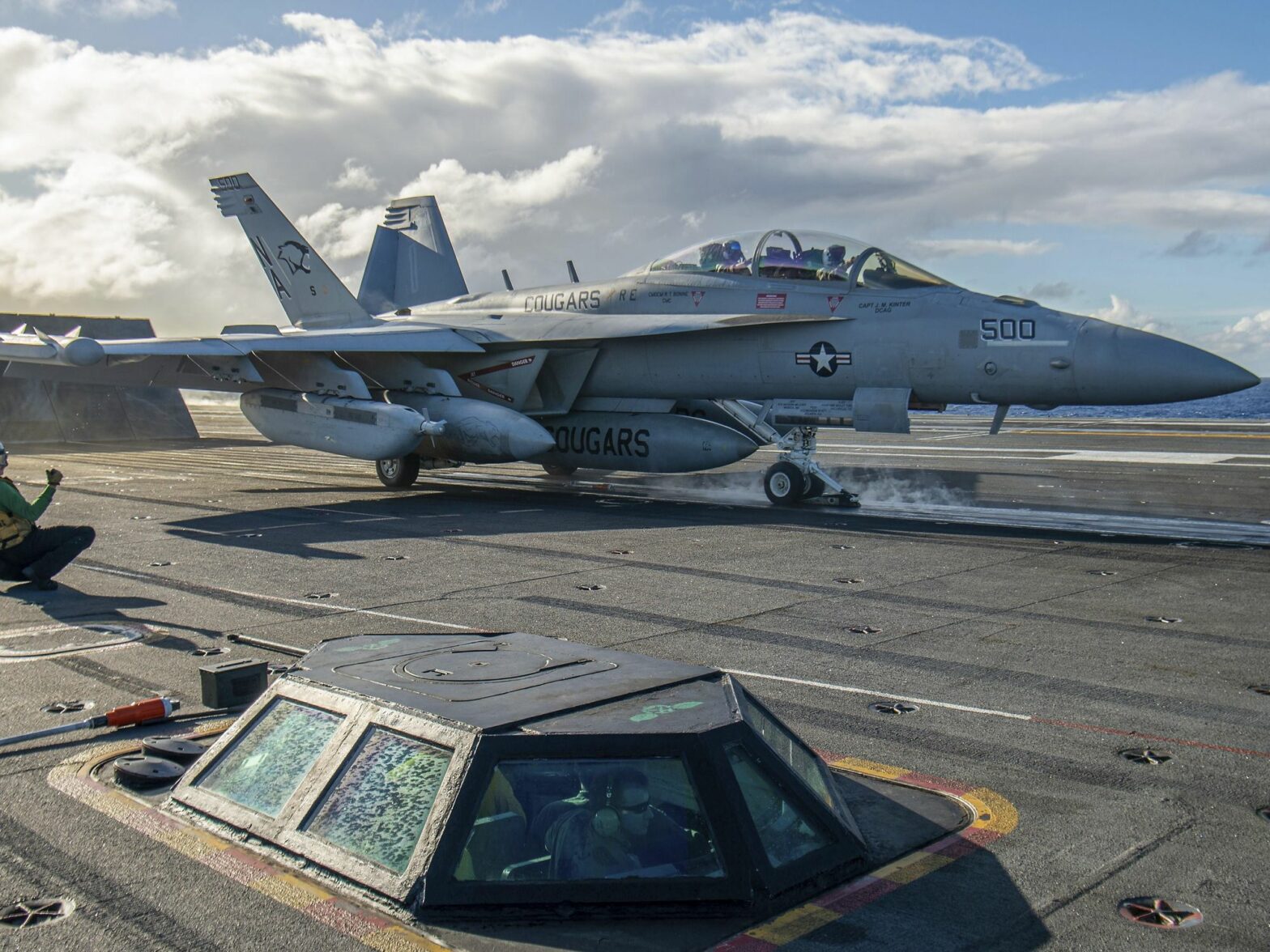
After Germany and the U.S. finally approved sending heavy combat tanks, Kyiv now eyes fighter jets. Who could ask them to do otherwise? And does the West really have a choice but ensure Russian defeat?
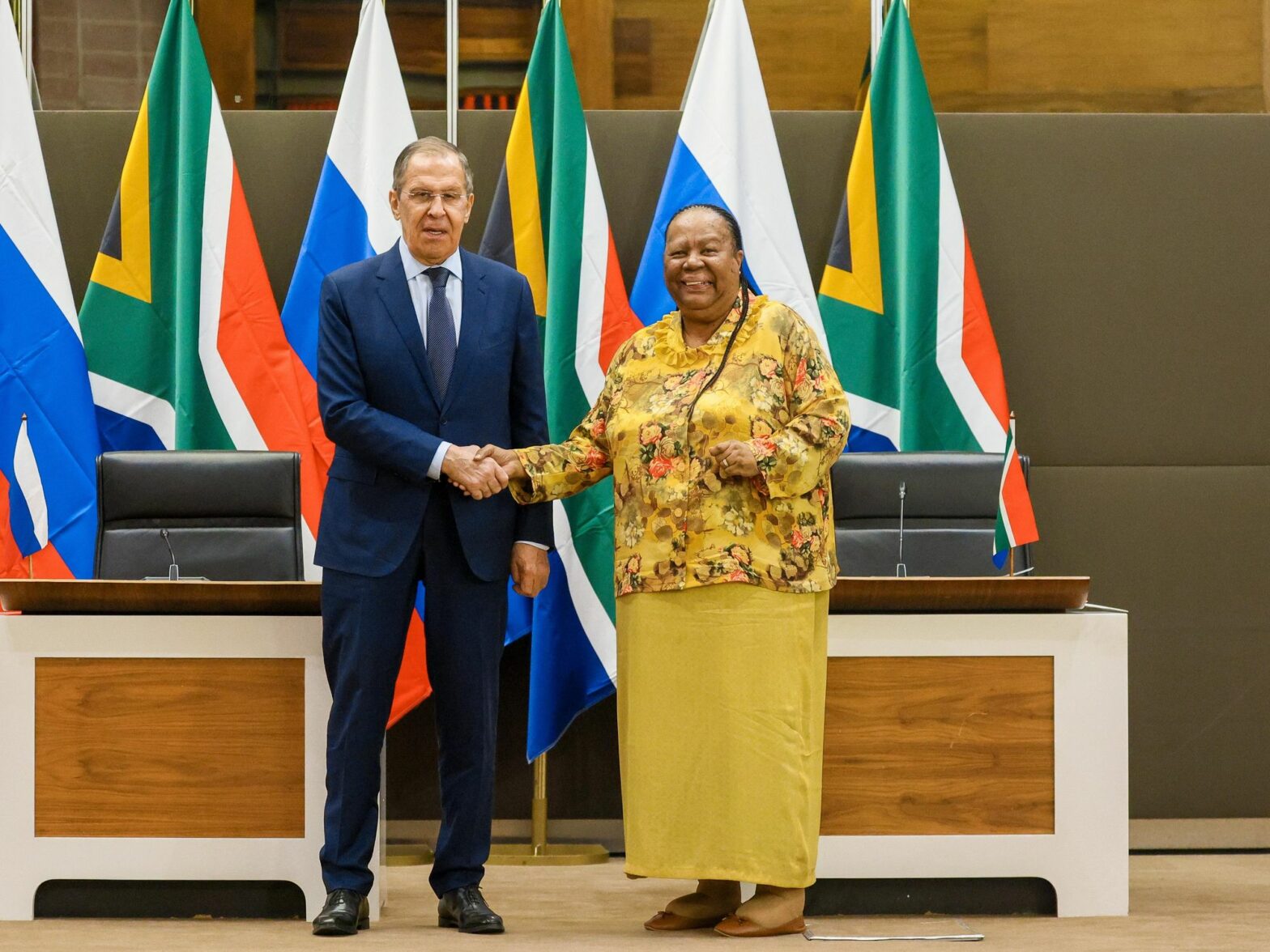
Russia’s Foreign Minister is in South Africa for the second time in a year. In spite of the West’s best efforts, Vladimir Putin’s delegation is still welcomed in large parts of Africa, which still harbors colonial resentment toward Europe.
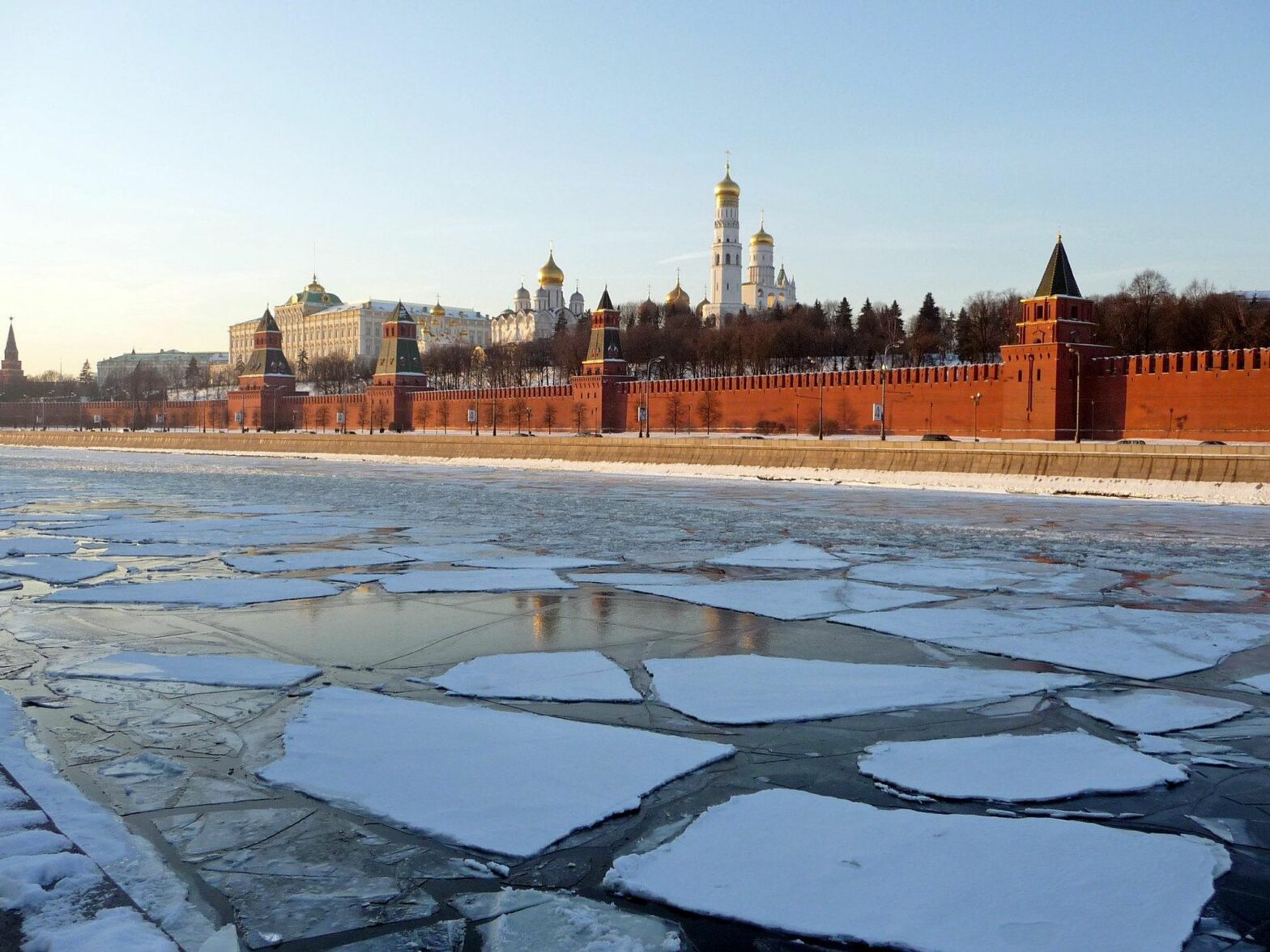
Russia is increasingly concerned about security from the sky: air defense systems have been installed on rooftops in Moscow’s government quarter. Systems have also appeared in several other places in Russia, including near Vladimir Putin’s lakeside home in Valdai. What is the Kremlin really worried about?
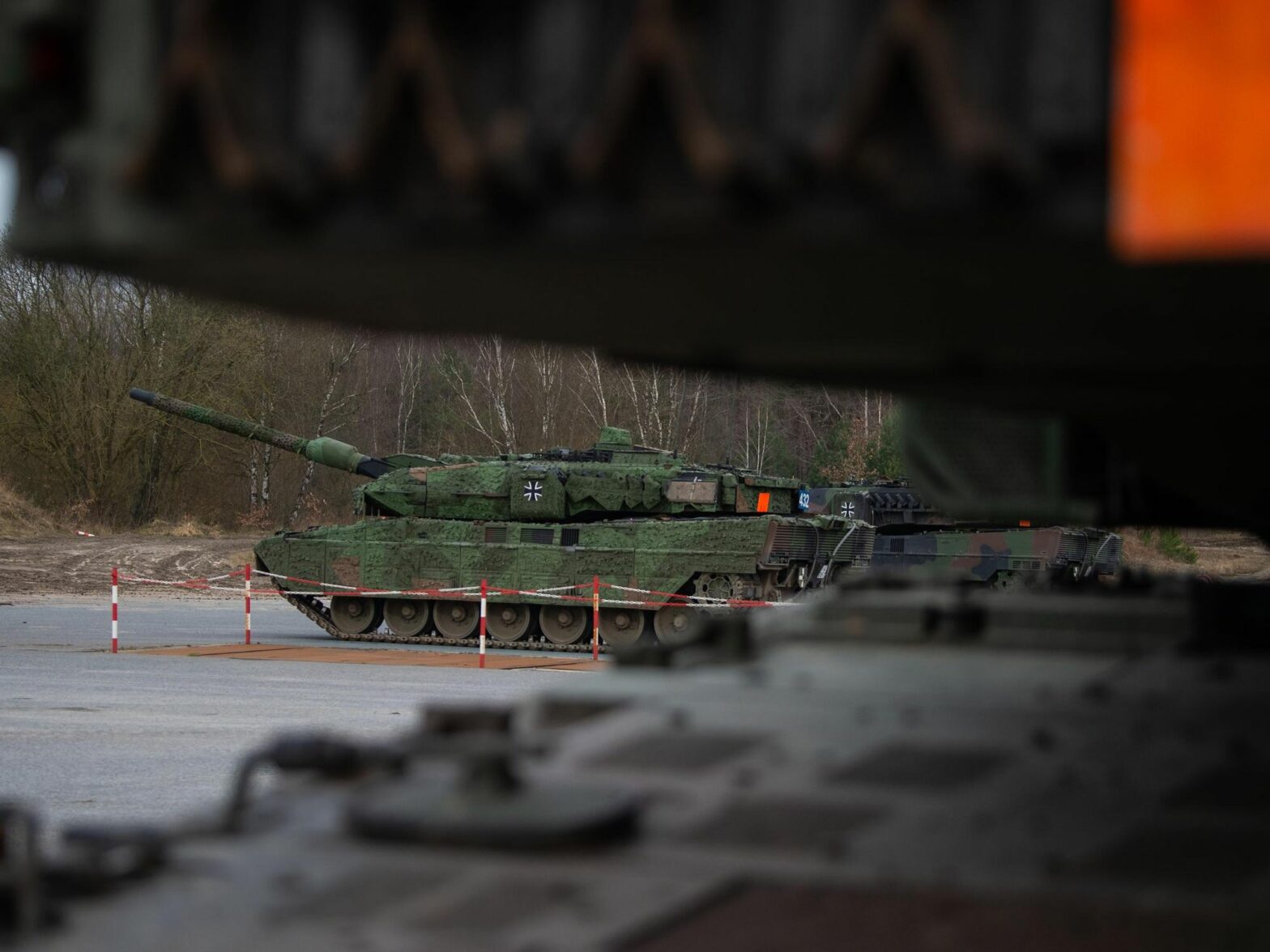
A retired German general spells out in clear language what the choice is for Chancellor Olaf Scholz, and what the long-term consequences of half-hearted support for Kyiv as it battles for survival against the Russian invasion.
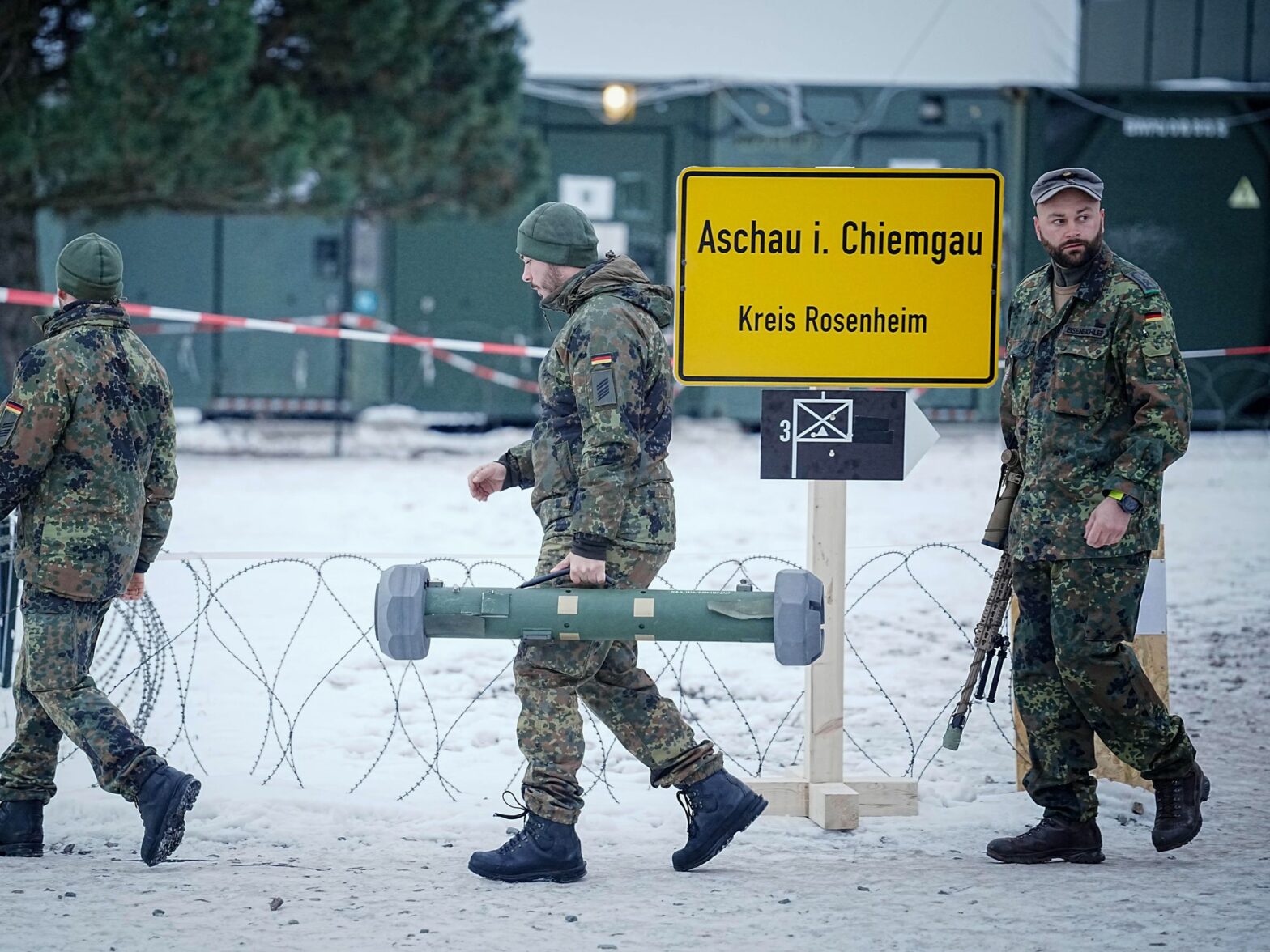
A new future is unfolding in real time, one that leaders in France, Germany and beyond could not have envisioned even a year ago.

It remains unclear whether Belarus’ strongman Alexander Lukashenko will join Russia’s invasion of Ukraine. Yet as popular support for the war remains low, many in the country are actively fighting back by sabotaging the rail network.
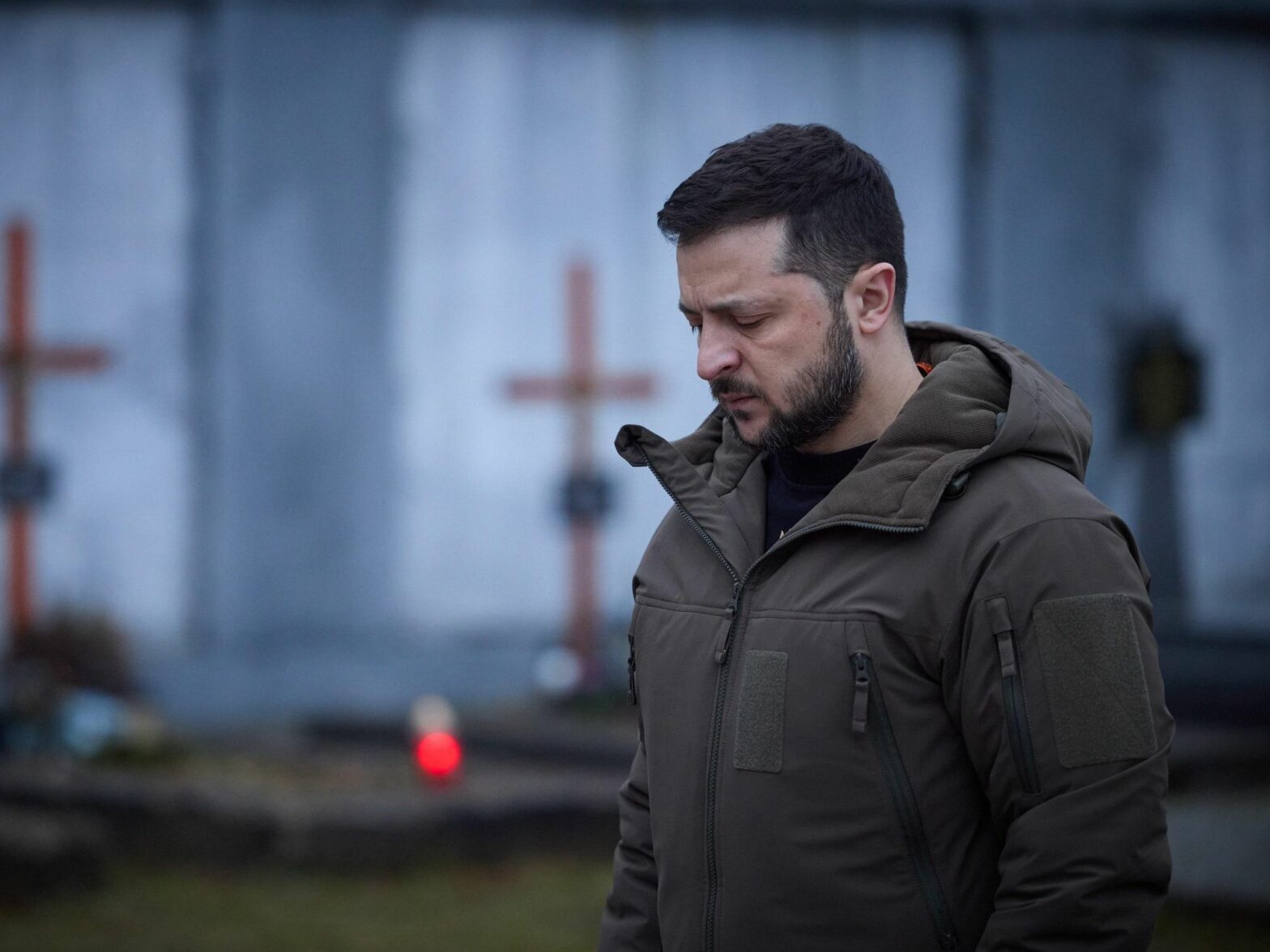
Ukraine’s Minister of Internal Affairs Denys Monastyrsky was killed Wednesday in a helicopter crash. The cause is still unknown, but the high-profile victim could just have well been President Zelensky instead. It raises the question of whether there are indispensable figures on either side in a war of this nature?
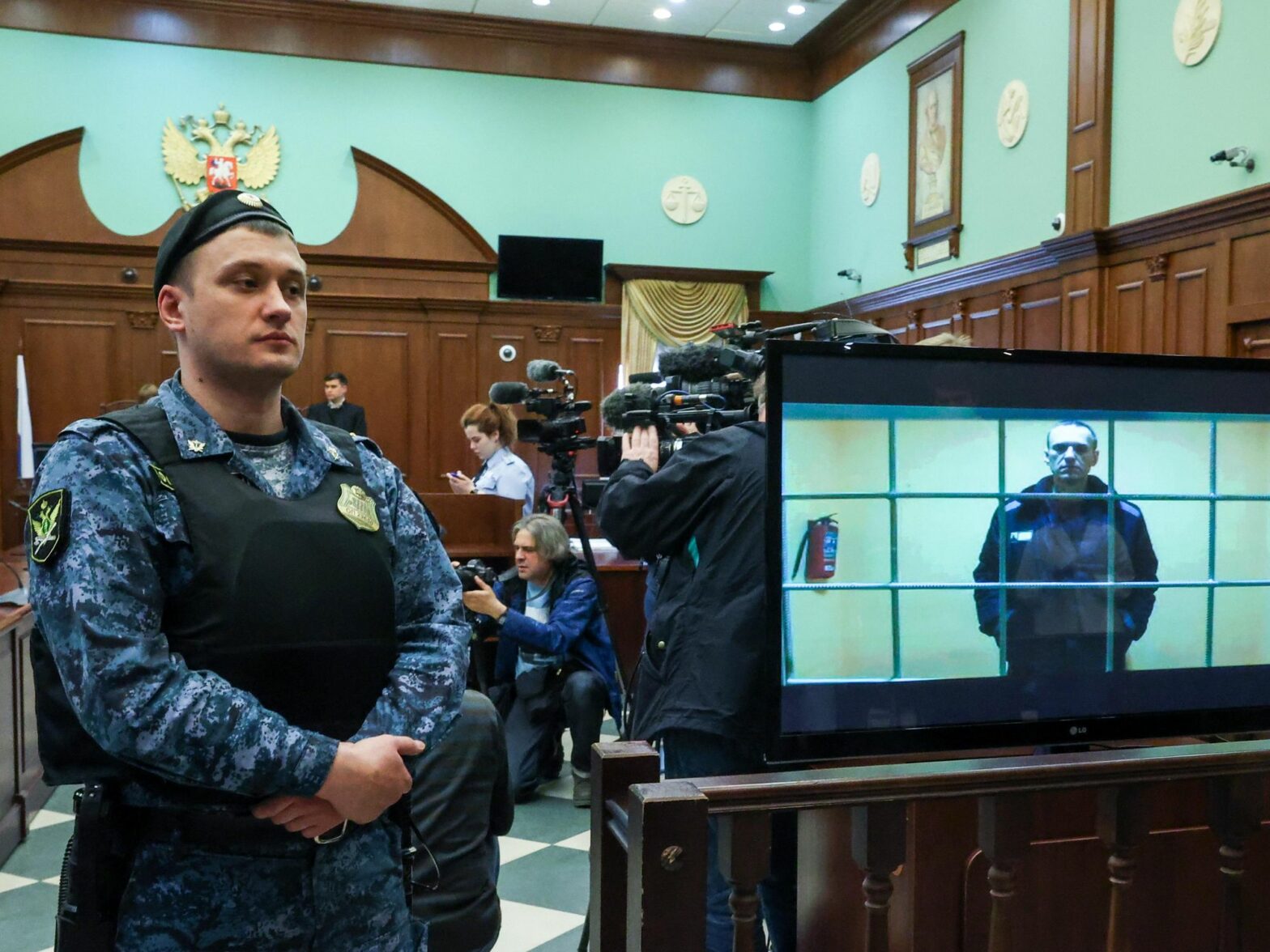
Two years ago, Vladimir Putin’s most prominent critic Alexei Navalny was jailed. Much has and hasn’t changed since then, but Putin’s invasion of Ukraine means that Russia has put itself on a course of no return.