No significant breakthroughs, growing skepticism about optimistic claims, and a war with no end in sight add to the psychological struggles of Ukrainians already facing the prospect of energy and heat shortages.
 Worldcrunch
No significant breakthroughs, growing skepticism about optimistic claims, and a war with no end in sight add to the psychological struggles of Ukrainians already facing the prospect of energy and heat shortages.
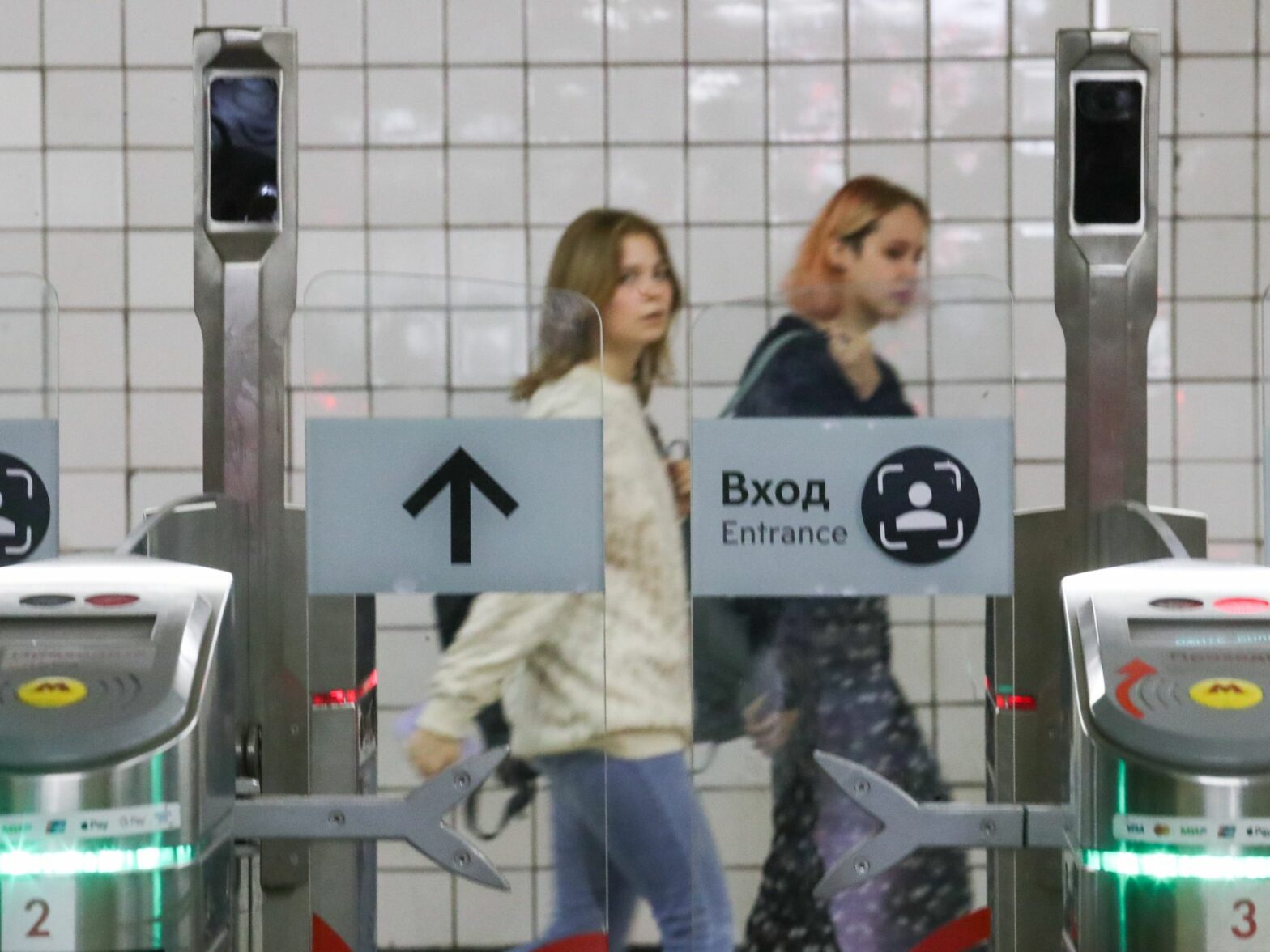
Trailing only China in the widespread use across the nation of security cameras equipped with facial recognition technology.
The war is far from over, but on the other side of the Atlantic, preparations are already underway to ensure American businesses access to this promising market. In Europe, no one is making such necessary preparations, worries Jacques Attali.
Western leaders must take a more resolute stance in addressing terrorism and its hybrid forms, and see the connection with the tactics and strategy of Putin’s Russia.
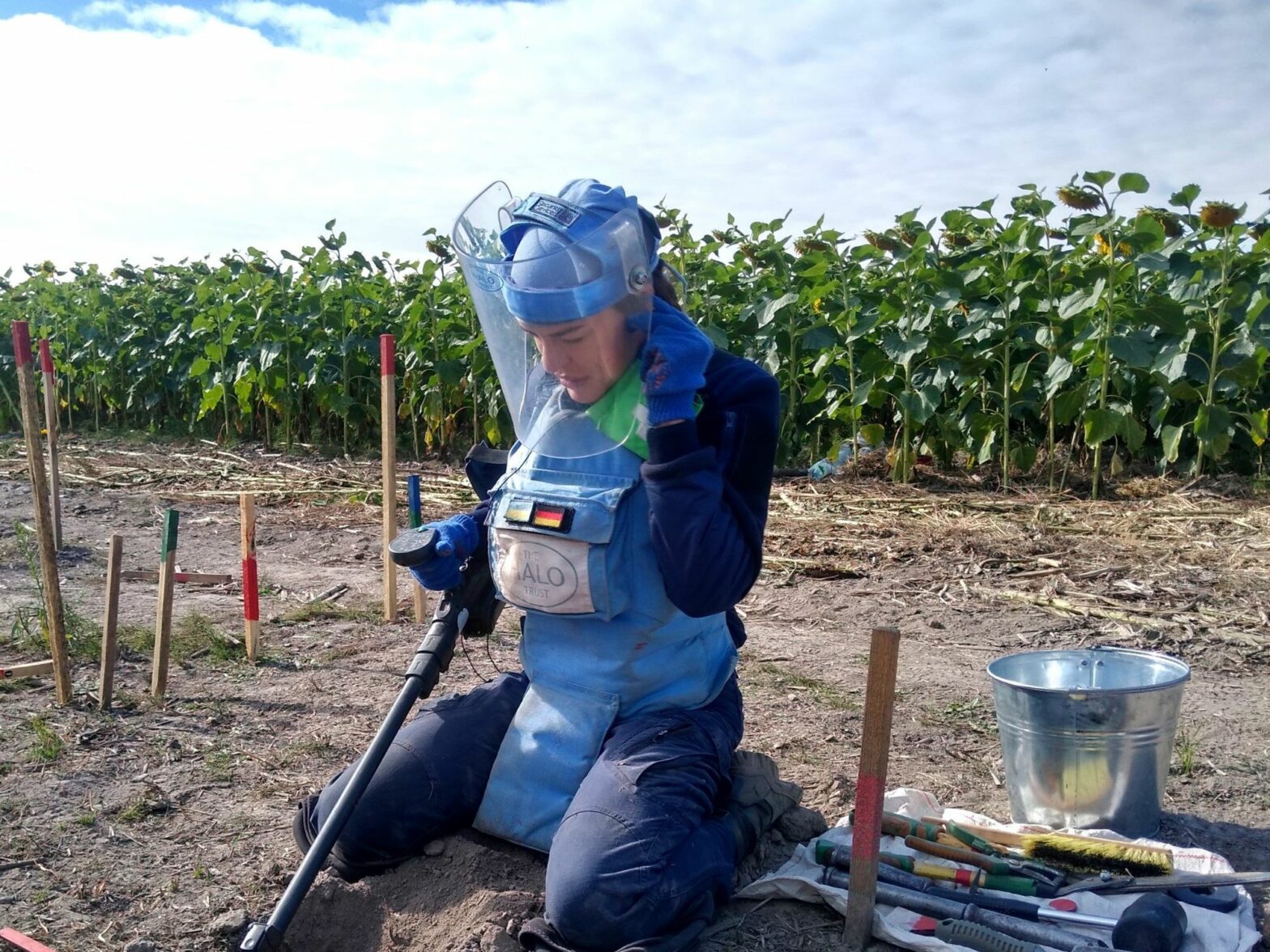
Leading Austrian daily Der Standard has been following Ukrainian teams braving constant danger to clear the largest minefield in the world.
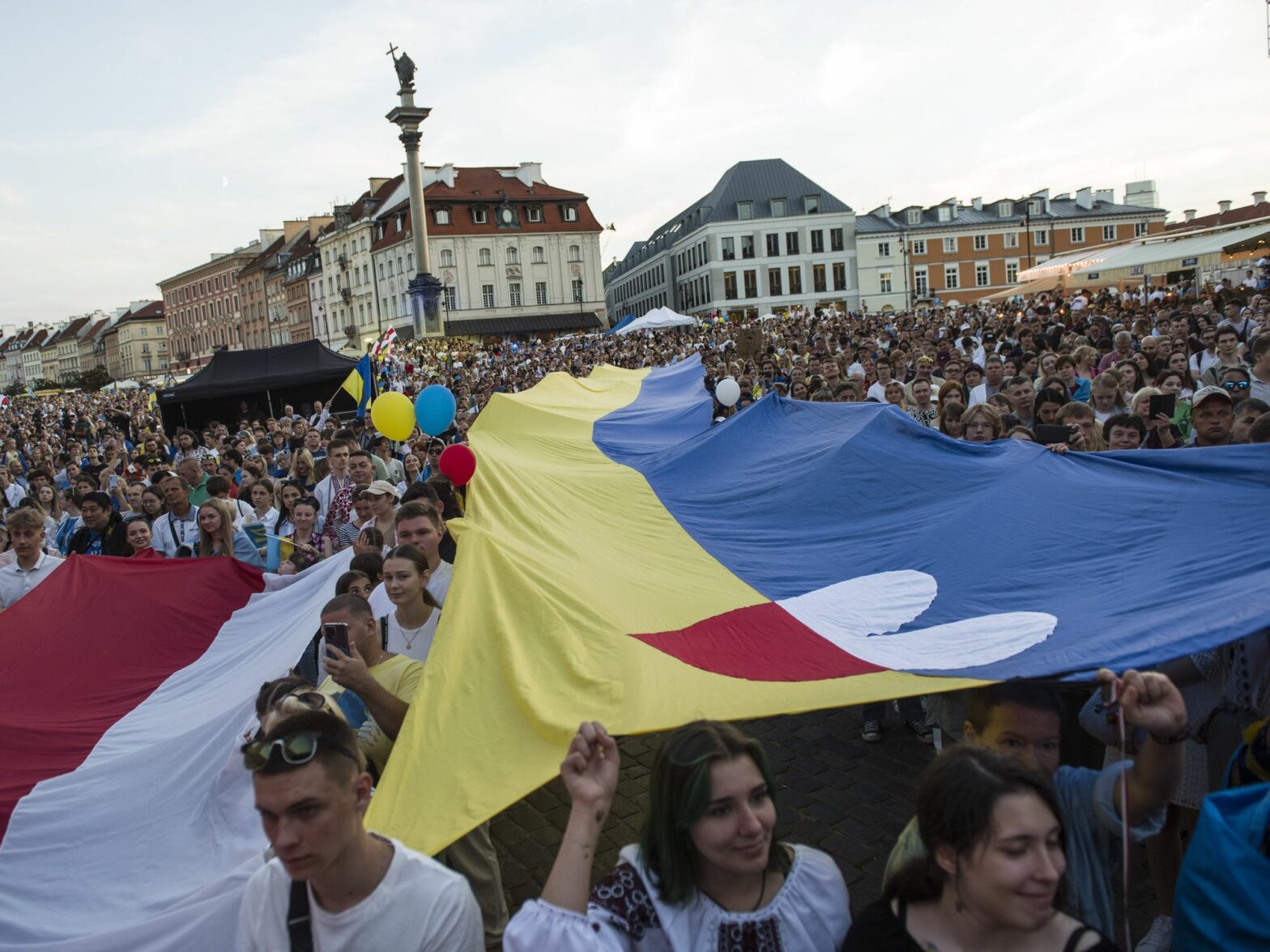
The recent Polish parliamentary elections have ushered in a significant shift in the country’s political landscape, which includes promising outlook for its neighbor Ukraine that could be essential in shoring up support across Europe as the war with Russia heads into its third winter. But Kyiv shouldn’t take the amity of Donald Tusk and his centrist coalition for granted.
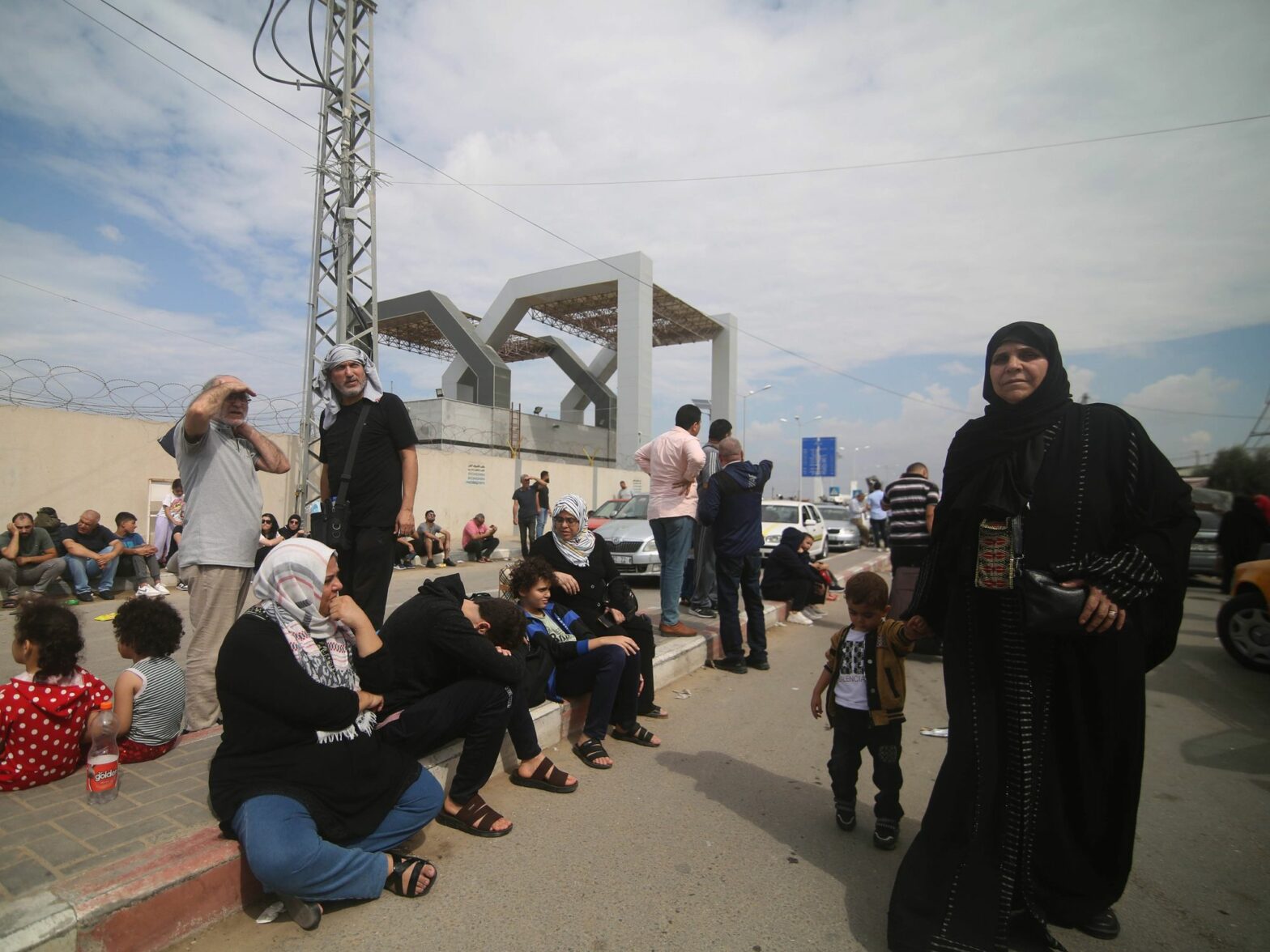
Dozens of families from Gaza are now stranded in Egypt’s North Sinai, after they tried to cross into Egypt through the Rafah crossing. They tell Mada Masr about watching Israel’s brutal siege for afar — and their wish to go back home, in spite of the risks.
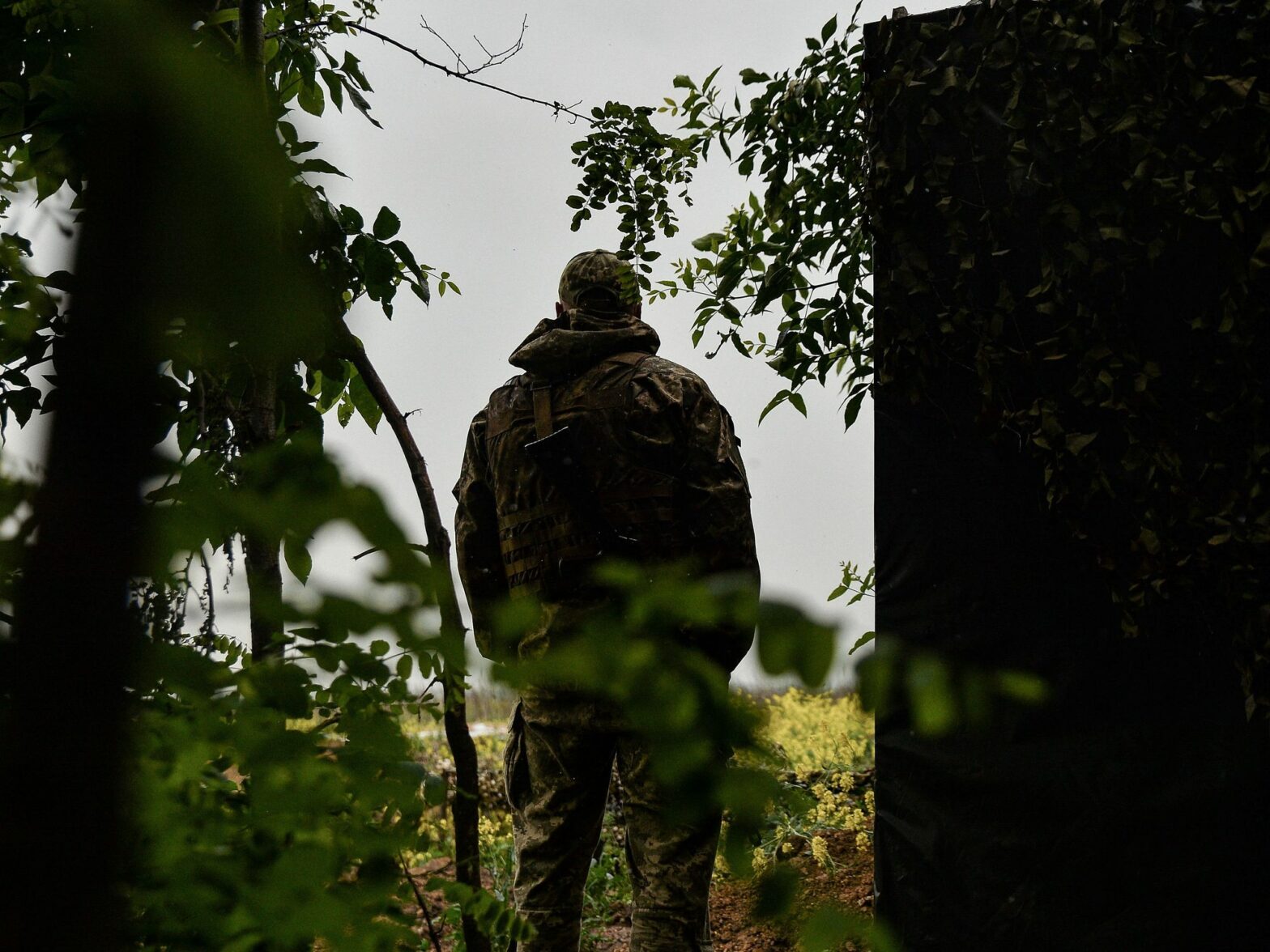
Oleksandr Solonko, a military trooper and aerial scout, played an active role in combat operations in Bakhmut and later on the Zaporizhzhia front near Robotyne, where Ukraine is securing its breach of Russian defenses.
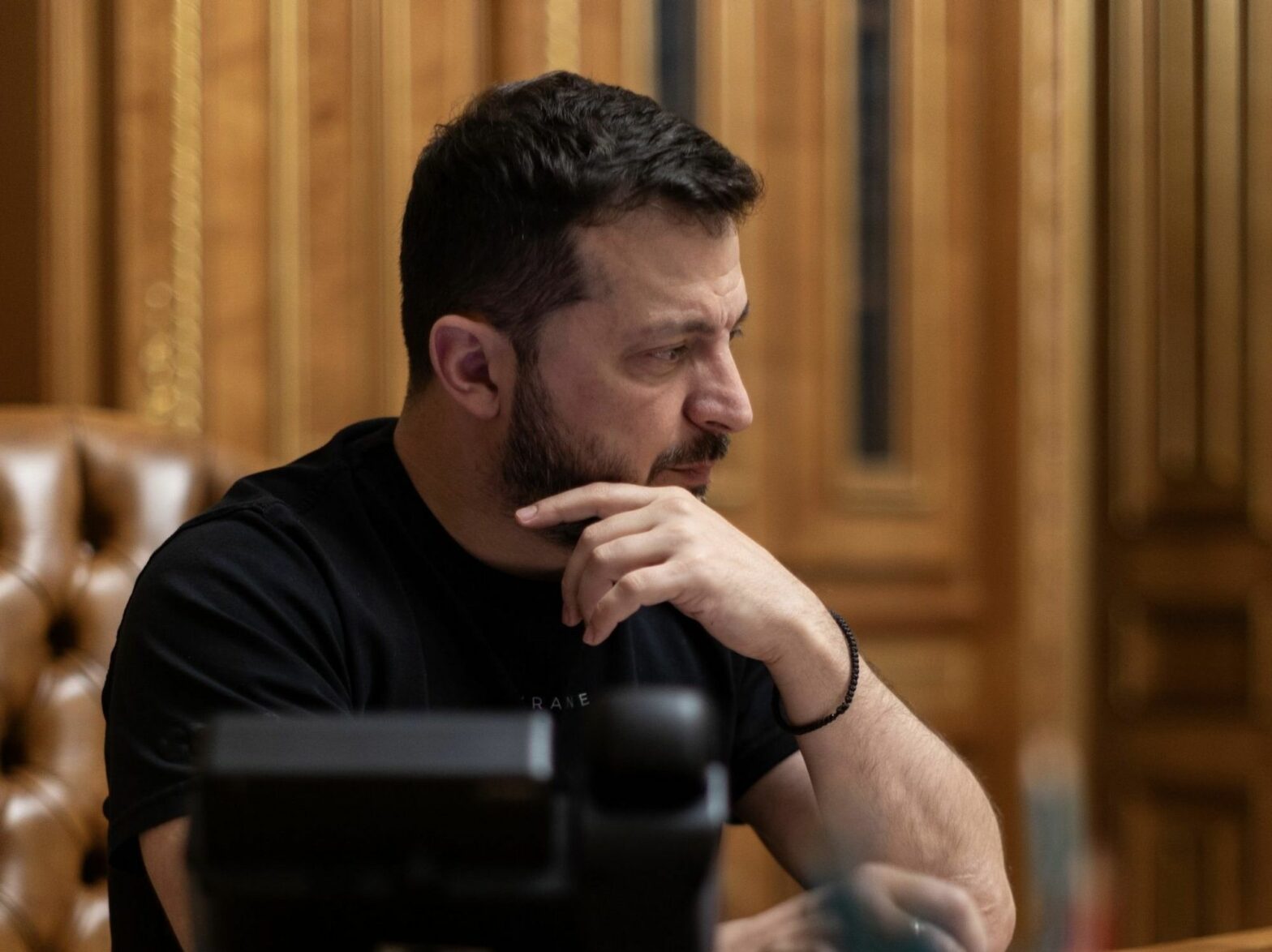
Equating the Hamas attack on Israel with the Russian invasion of Ukraine is a way to keep attention, and aid, coming for his nation’s war. But the situations are quite different, and Zelensky’s clear stance on the side of Israel risks losing both attention and support.
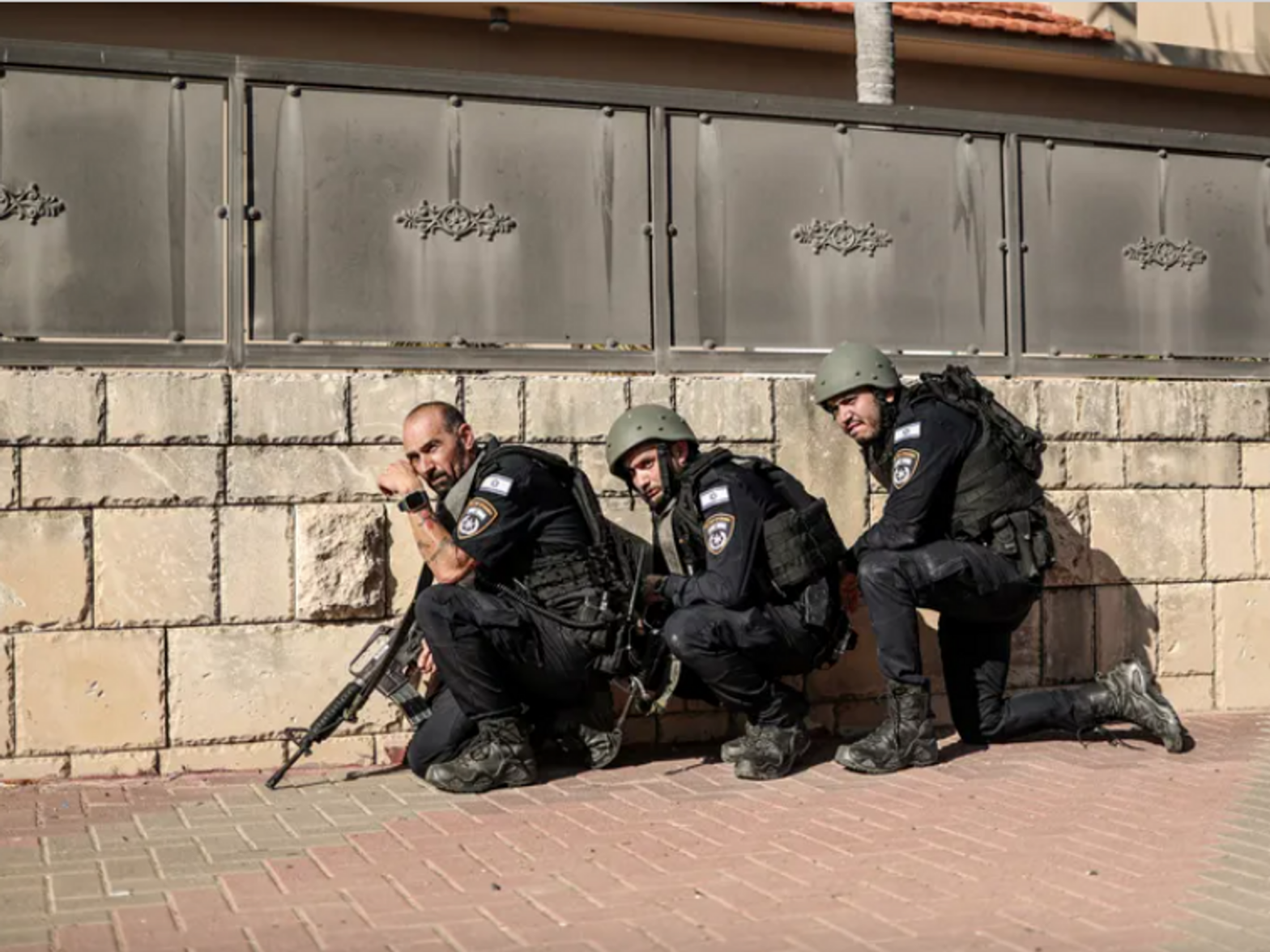
From preparing for the complexity of urban warfare to addressing technological vulnerabilities and gaining self-reliance in military production, the unfolding crisis in Israel has a number of critical messages for Ukraine.
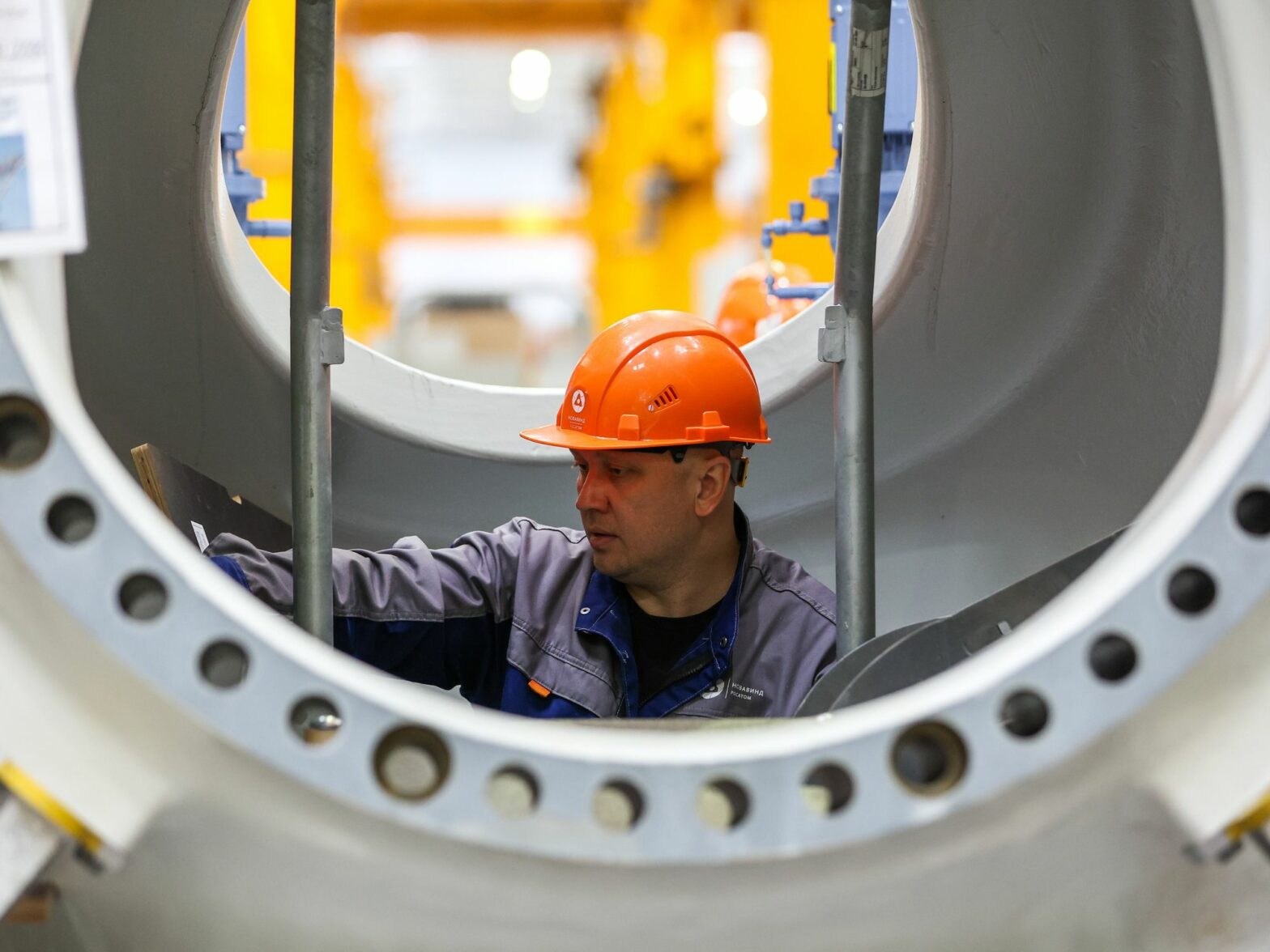
The Russian economy has proven remarkably resilient to Western sanctions, a phenomenon largely driven by Russia’s expanding military-industrial complex and increased trade with India and China. One challenge remains unsolved however: a lack of young working-aged men ready for hire in the country’s industrial and white collar sectors.
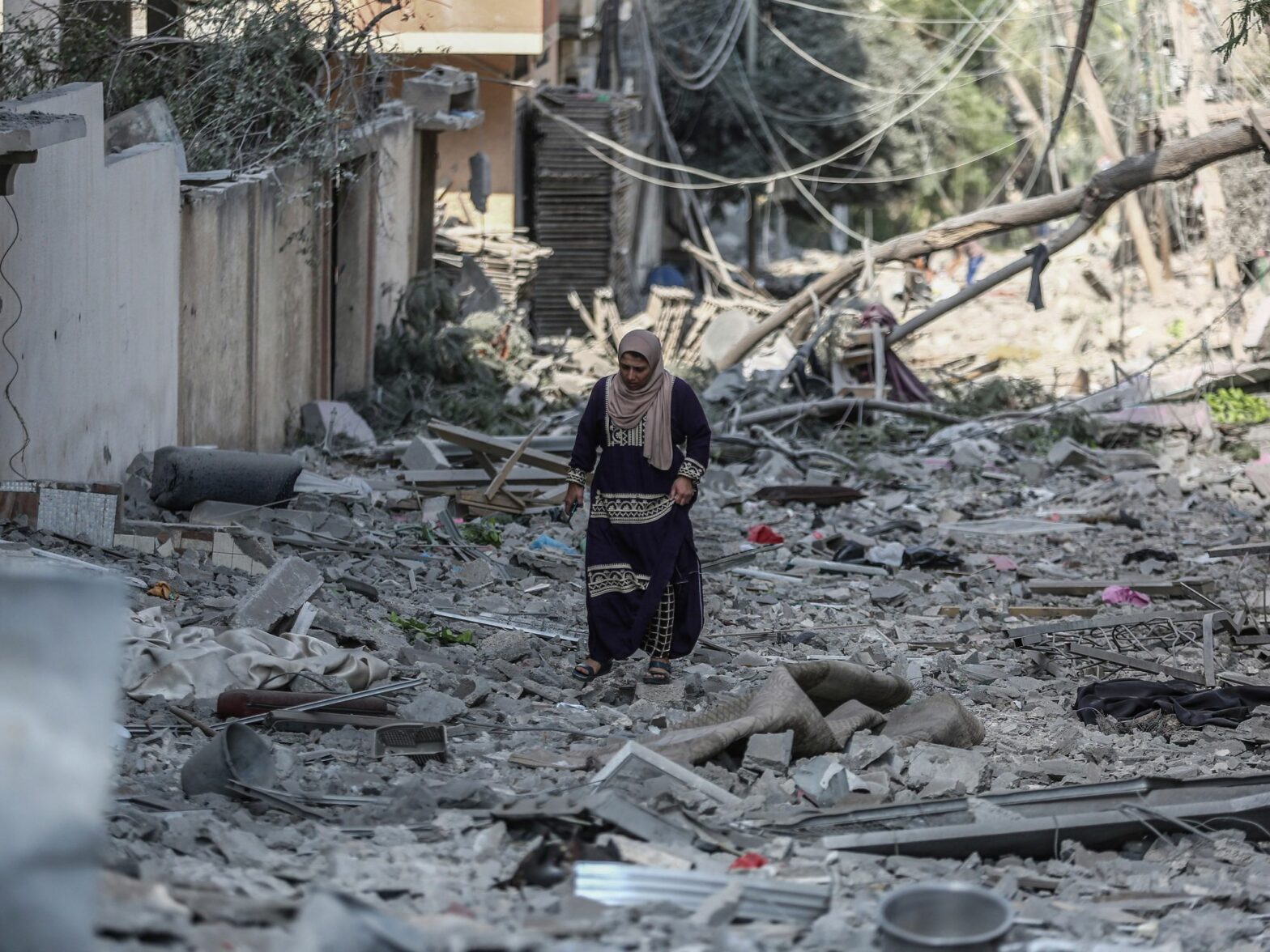
The West has largely been united in clear condemnation of Hamas and support of Israel. For the rest of the international community, even if Hamas has very little backing, most countries have preferred an ambiguous neutrality. It’s part of a deeper shift in geopolitics where the so-called Global South, and elsewhere, no longer tolerate what they see as Western “double standards.”
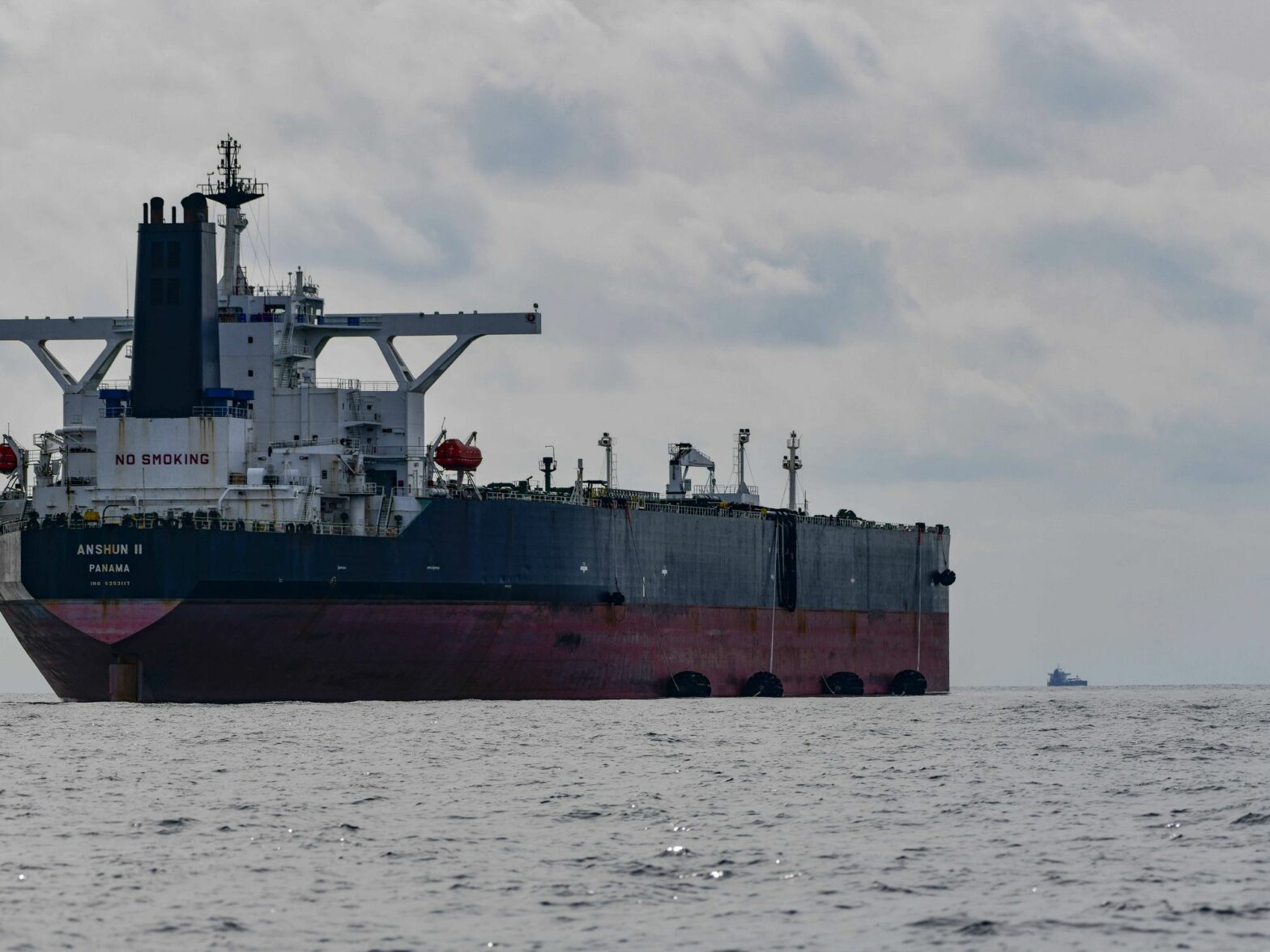
Russia has become the most sanctioned country in the world since its full-scale invasion of Ukraine began in 2022, but data show that the country has mobilized a fleet of off-the-books ships to continue selling oil around the world.
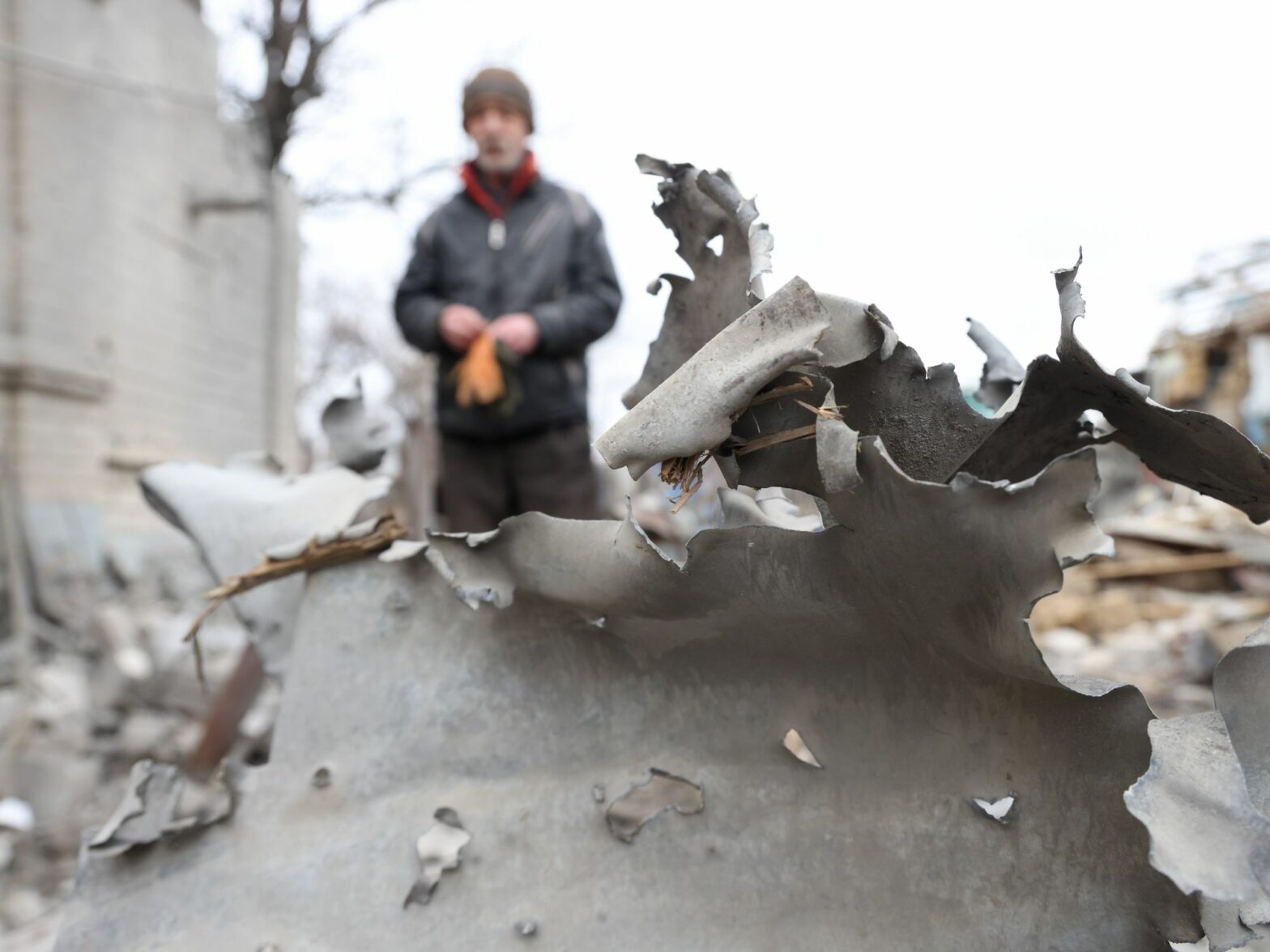
Melitopol, Ukraine has been occupied by Russian forces since Feb. 2022, and the occupiers have set up prisons where residents are routinely tortured. Russian independent news site Vazhnyye Istorii/Important Stories spoke with people who have escaped these nightmarish prisons.
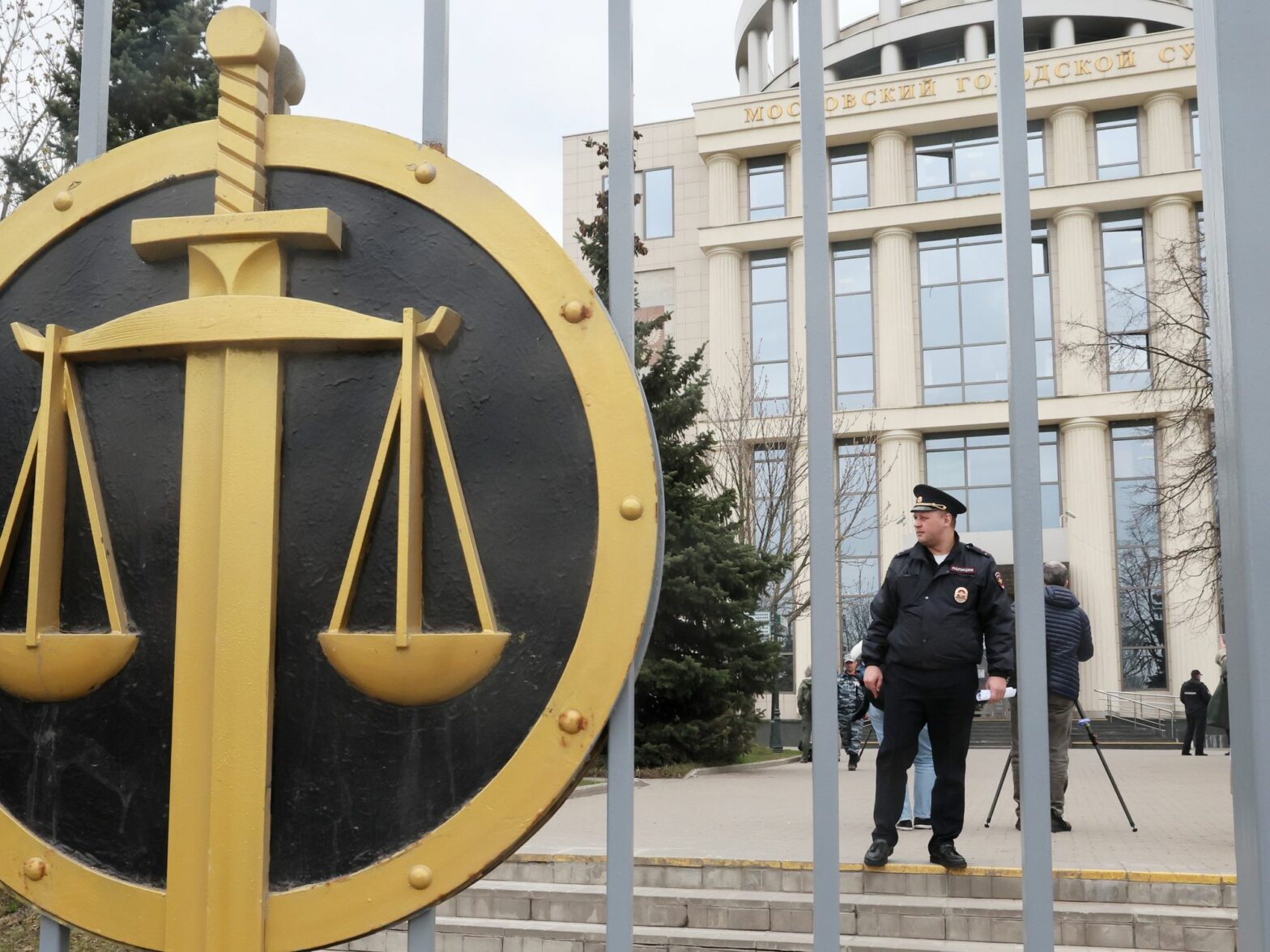
An investigation by the Russian publication Agents Media finds that a number of Russian criminals who were granted amnesty in exchange for fighting in Ukraine have returned home and have been implicated in violent crimes — including more than a dozen murders.
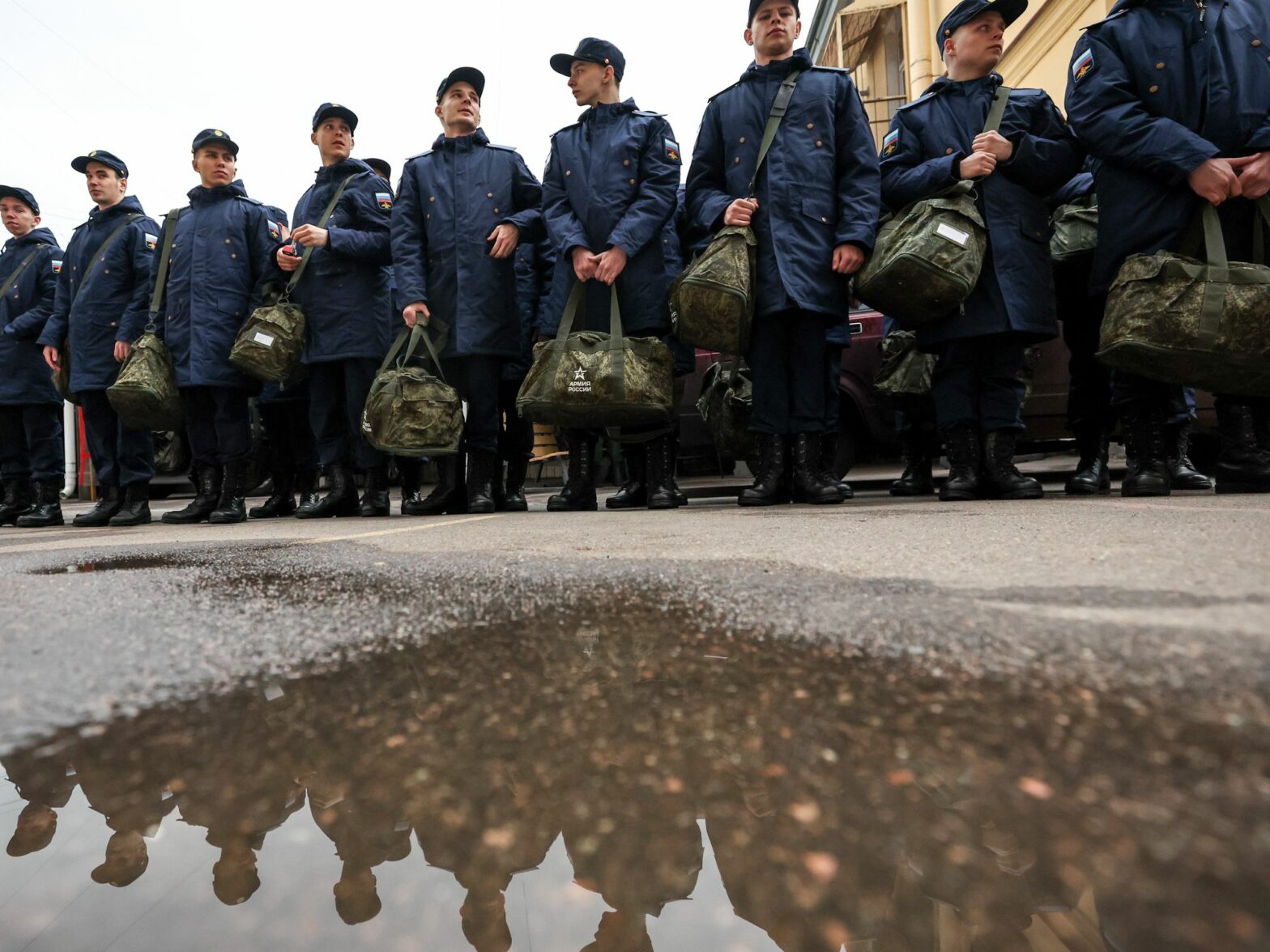
A year has passed since Russian President Vladimir Putin declared a partial mobilization of military reservists on Sept. 21, 2022. As rumors of a second wave of mobilization continue to circulate on social media, the independent Russian news site Vazhnyye Istorii (Important Stories) and the Conflict Intelligence Team found how the Russian draftees were largely treated as cannon fodder for the Ukraine war.
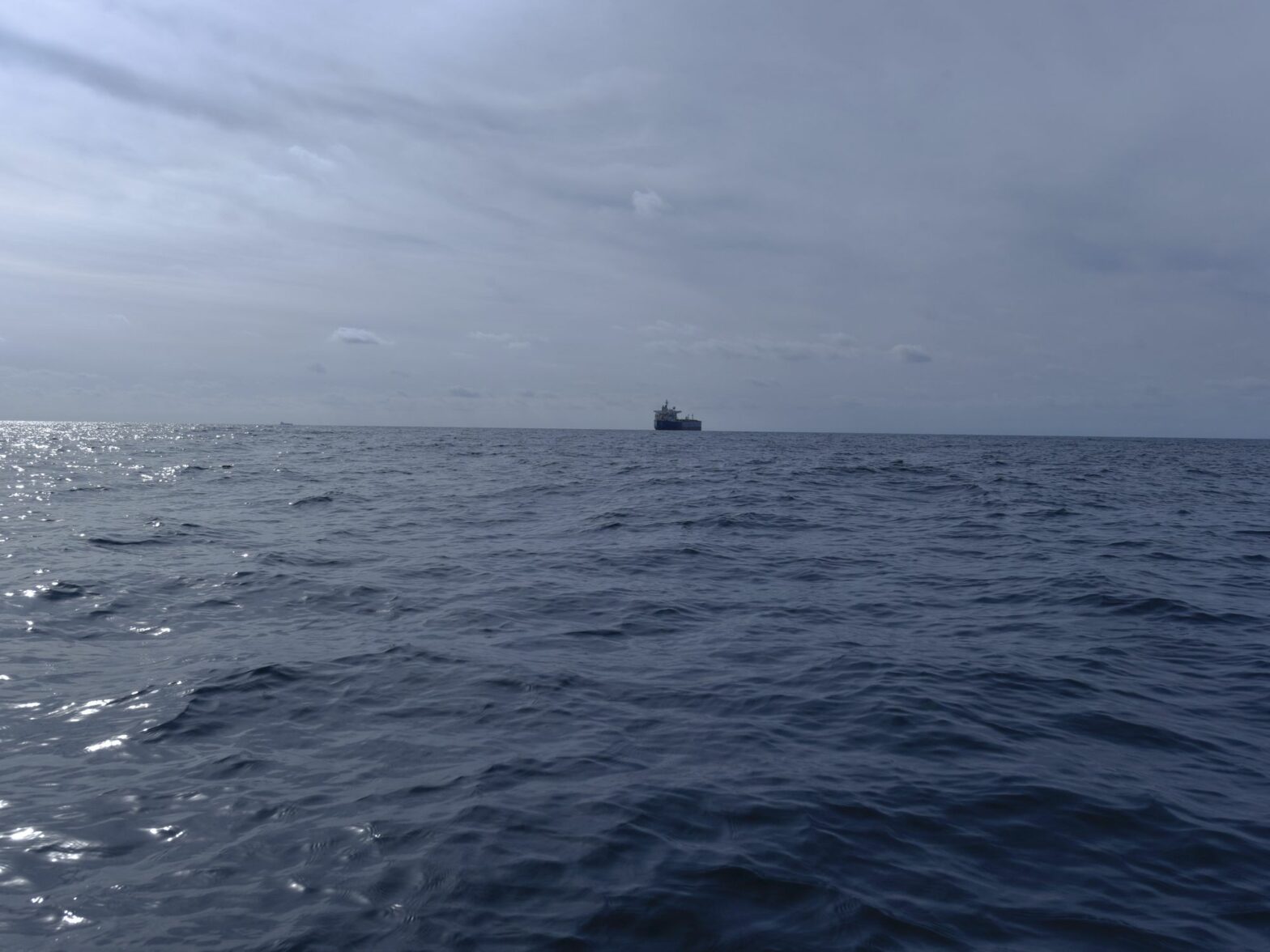
This is a tale of a Ukrainian special forces operator who wound up surviving 14 hours at sea, staying afloat and dodging Russian air and sea patrols.
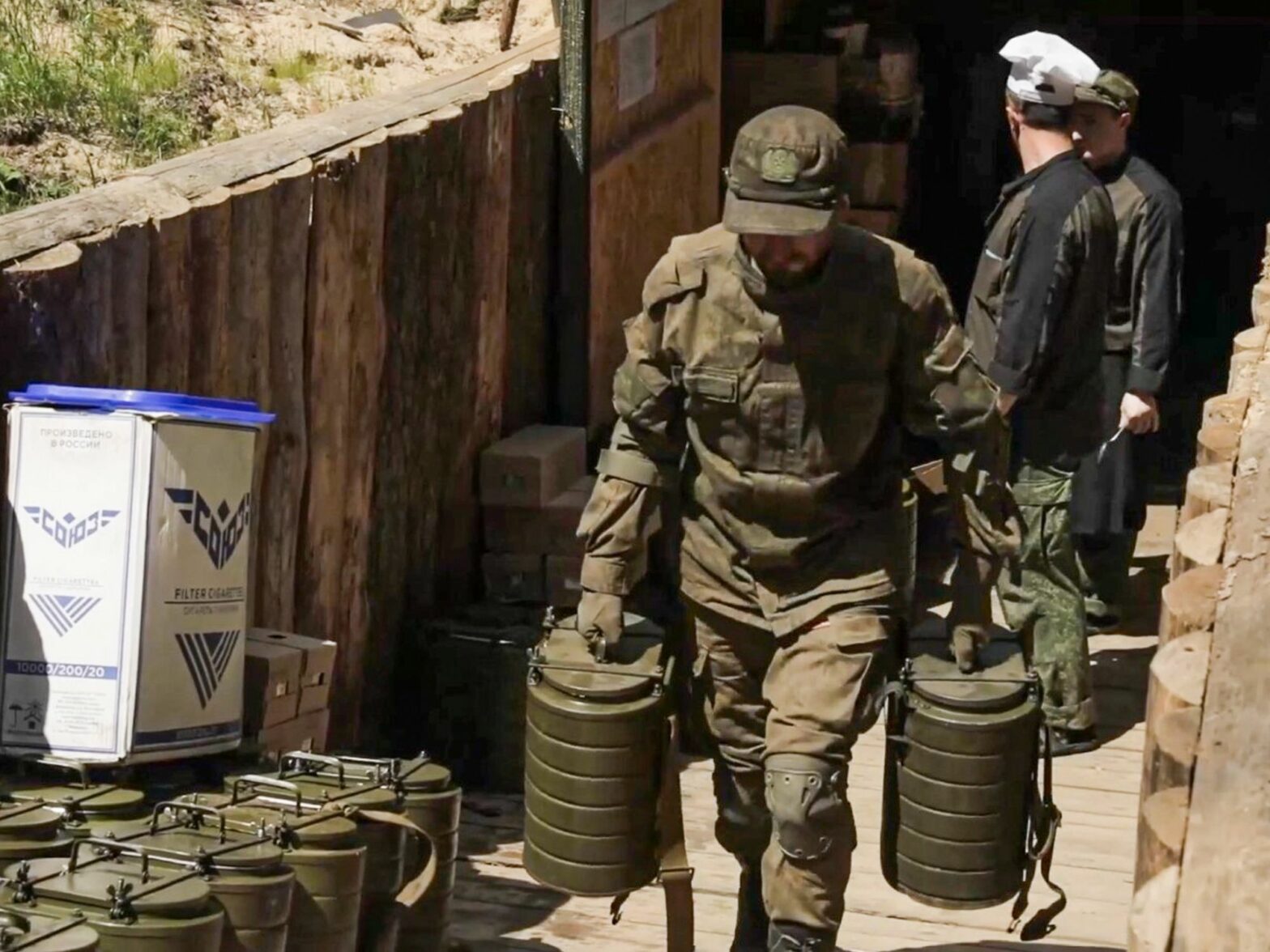
The history of war shows that the losing side tend to lose ground as they are cut off from supply lines to replenish troops with weapons, food and material. Independent Russian publication Important Stories reports why this appears to be the dynamic at play right now for Russian troops in southern regions of Ukraine.
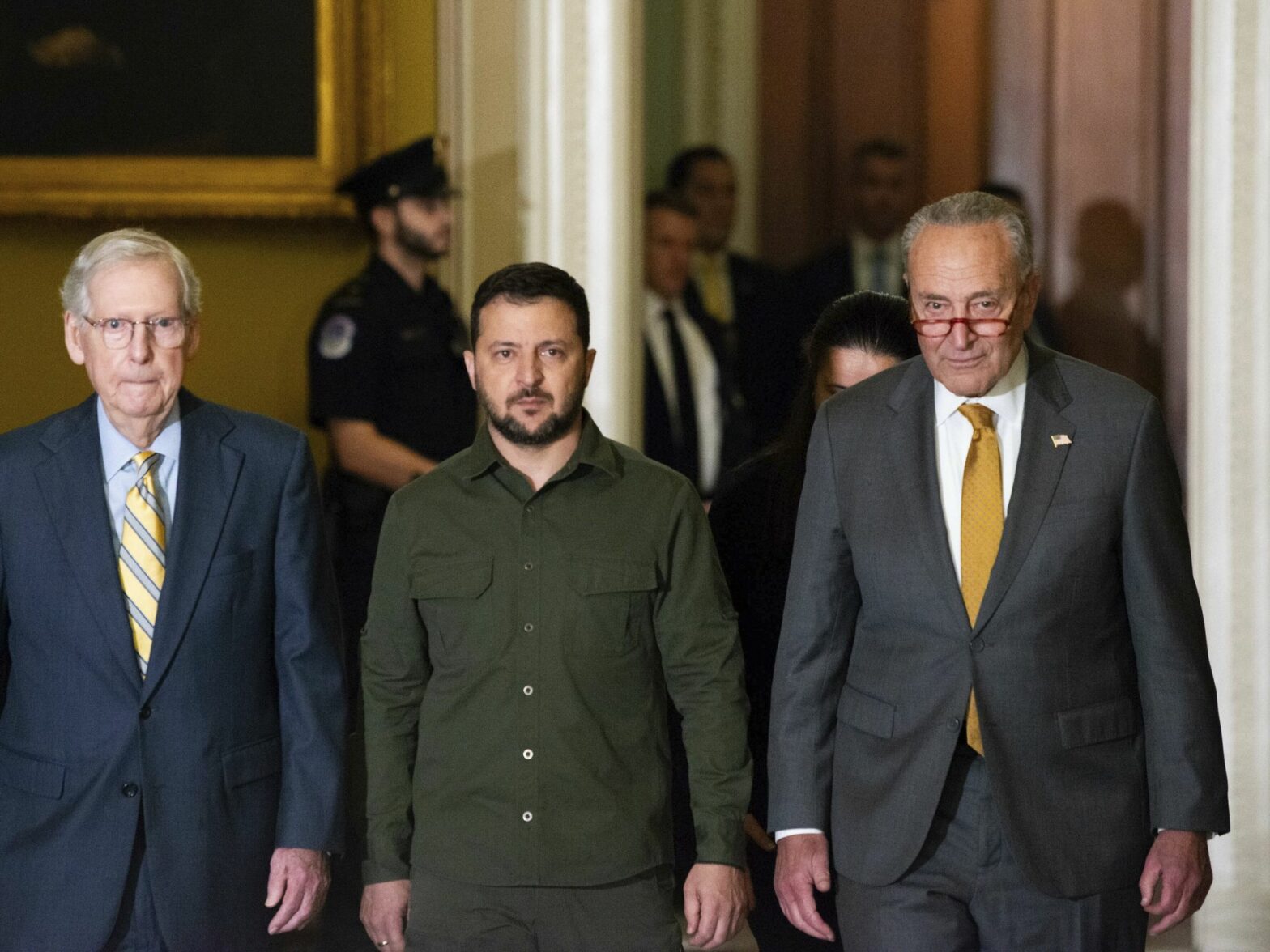
Congress and President Biden averted a shutdown, but thanks to a temporary deal that doesn’t include new aid for Ukraine’s war effort. An analysis from Kyiv about what it means, in both the short and long-term.
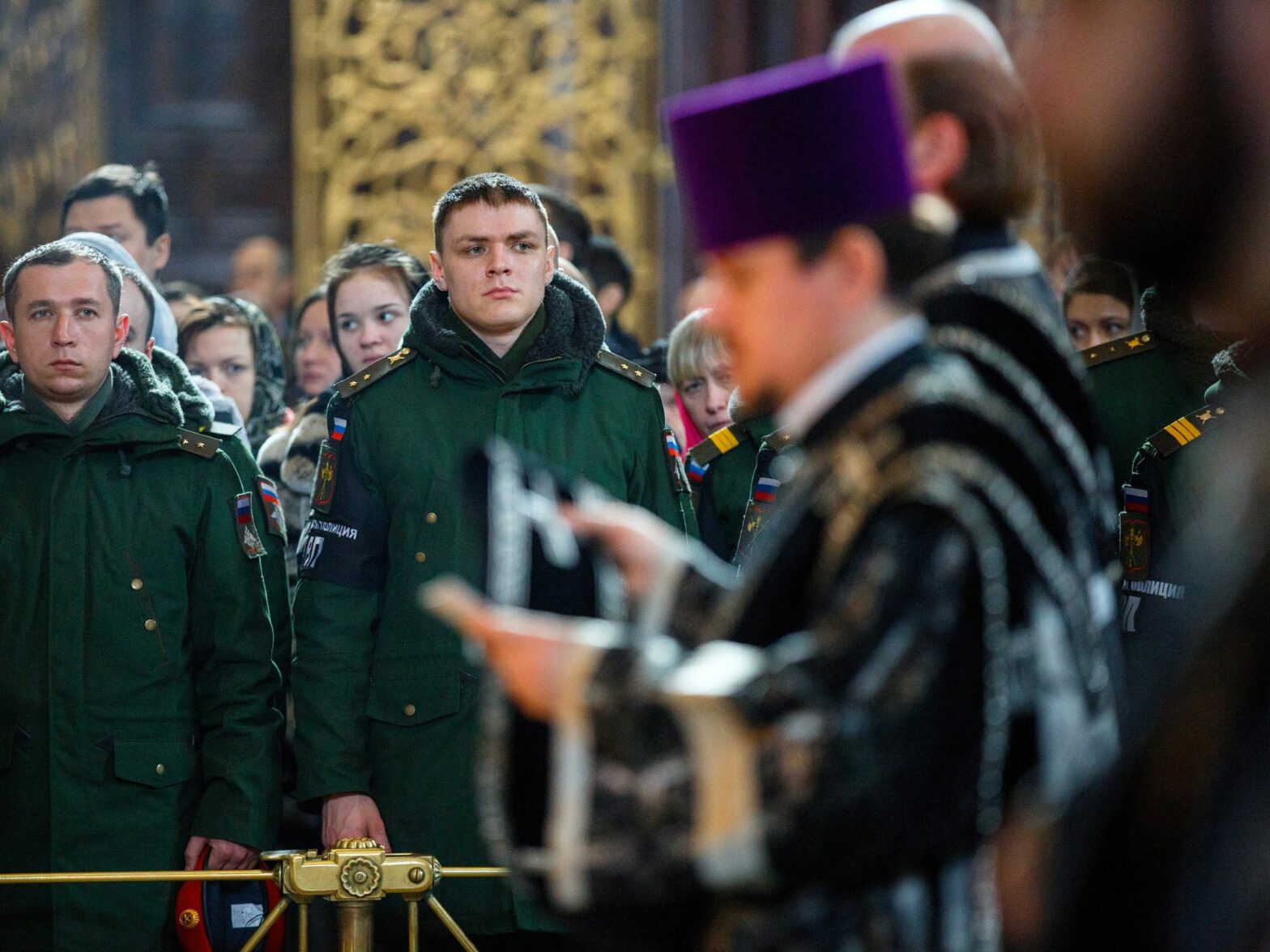
The Russian Orthodox Church has long supported Russia’s ongoing war effort in Ukraine. Now, clergy members in other countries are suspected of collaborating with and recruiting for Russian security forces.
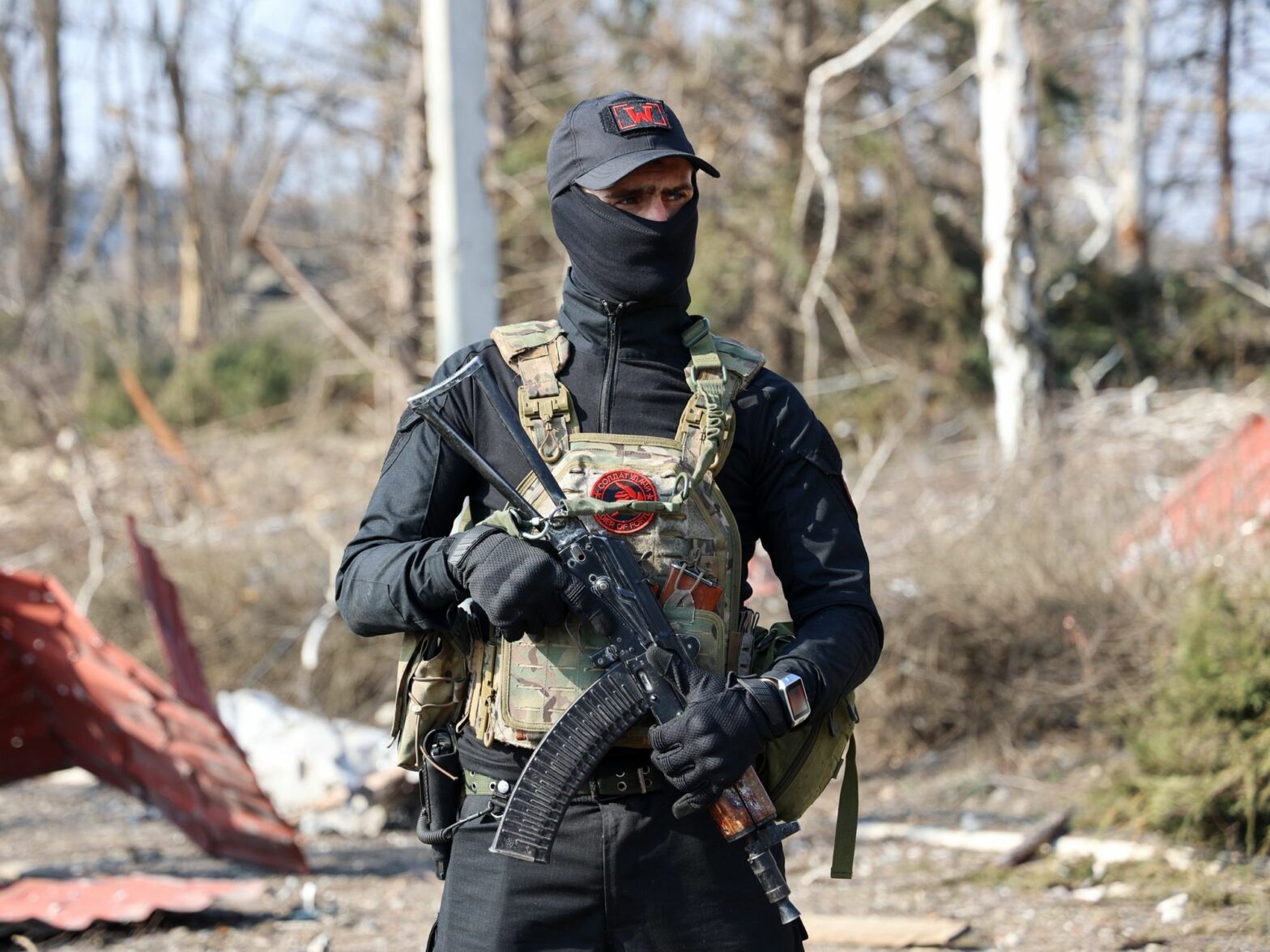
Many had predicted that the death last month of Wagner Group chief Yevgeny Prigozhin meant the demise of the mercenary outfit. Yet signs in recent days say the private military outfit is active again in Ukraine, a reminder of the Kremlin’s interest in continuing a private fighting formula that has worked all around the world.

Finding a seat on the Karmabhoomi Express is close to impossible. A closer look at why so many migrant workers travel on it, and out of Bengal, offers a grim picture.
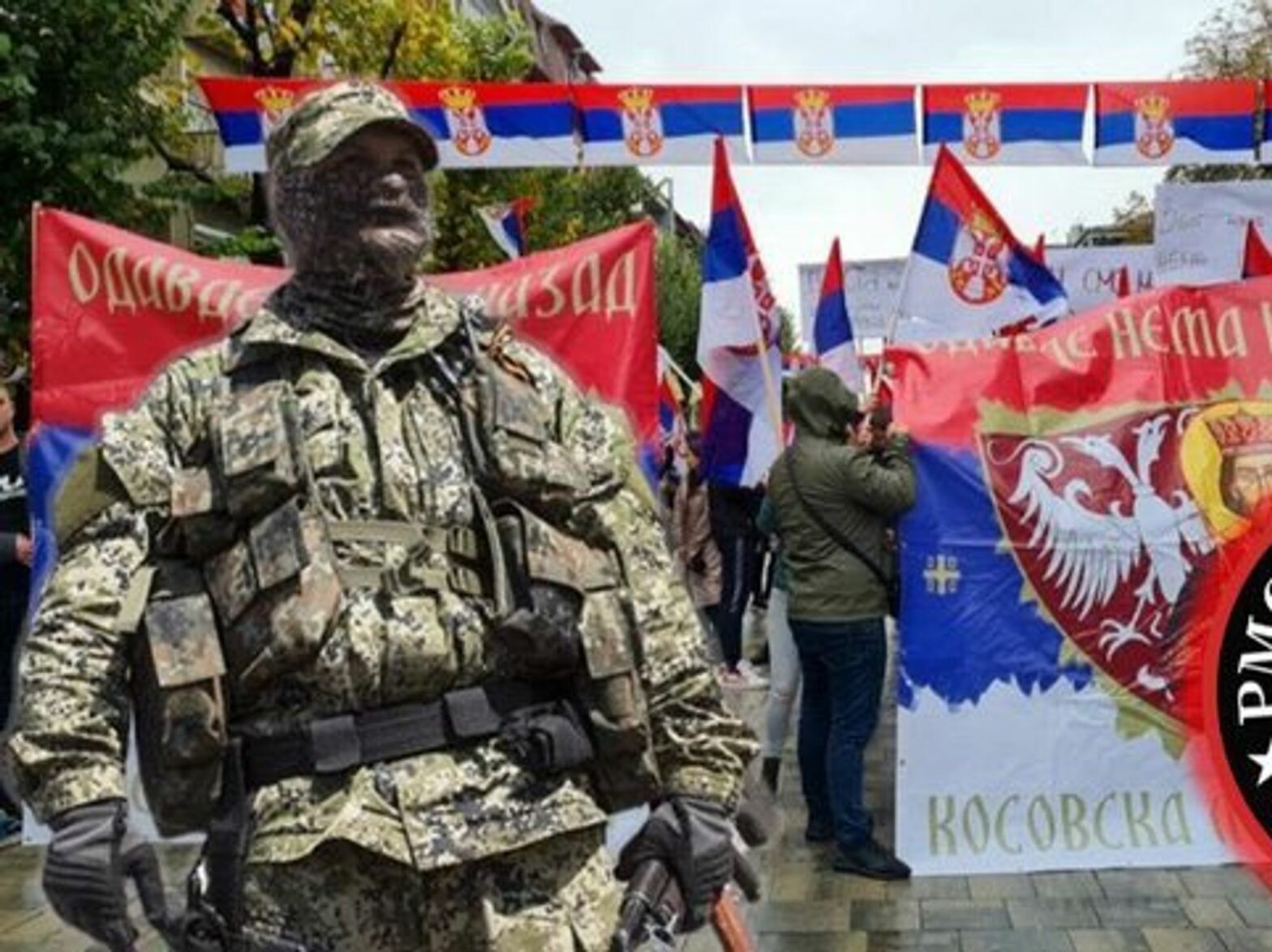
After meeting with the Russian ambassador, Serbian President Aleksandar Vučić has now demanded NATO take over security in northern Kosovo, days after a deadly shootout between Serbian gunmen and Kosovar police. The violent clash has raised tensions in the Balkan region, with some Russian authorities drawing parallels with another European conflict — the one in Ukraine.
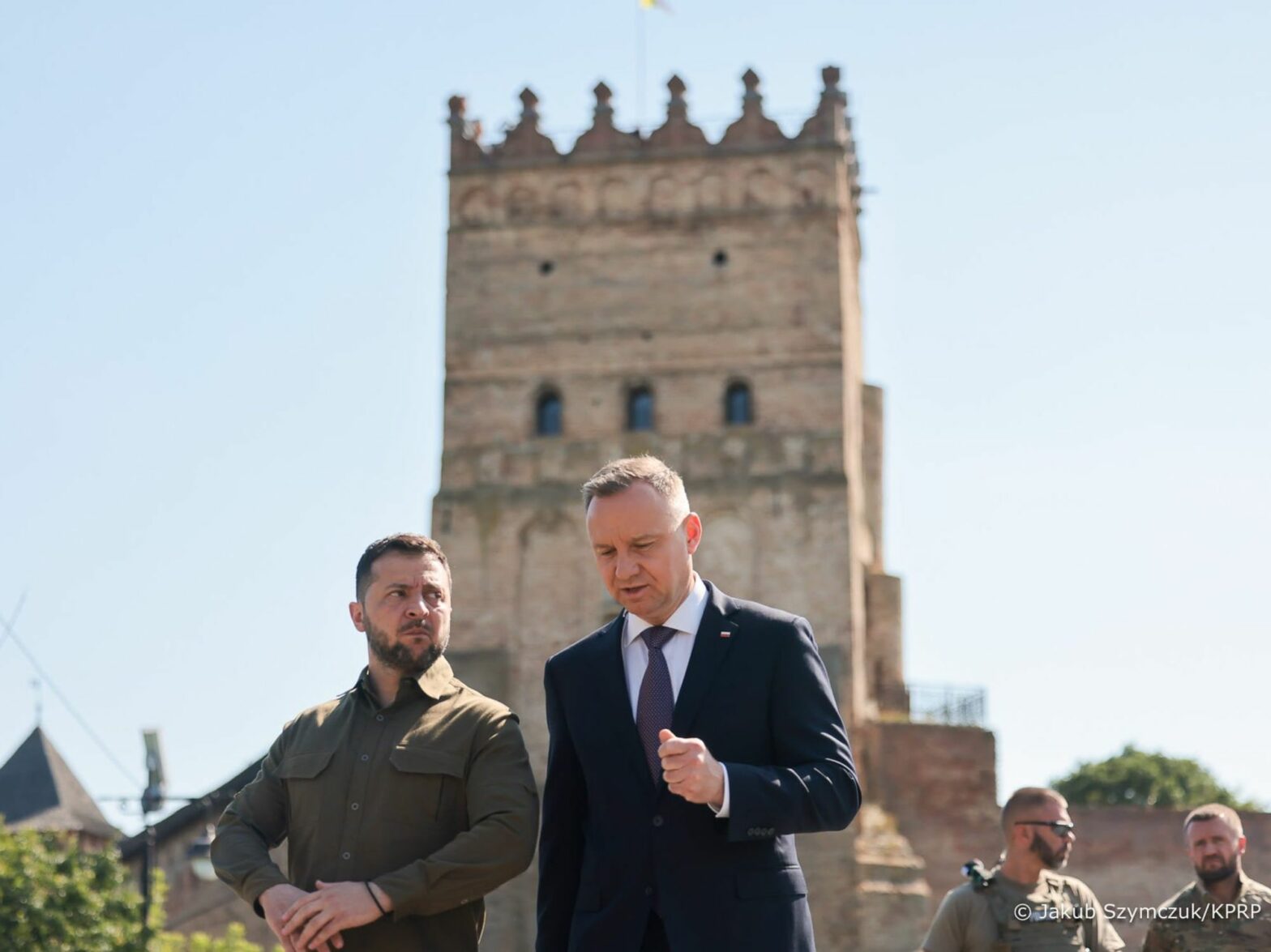
Poland’s decision to stop sending weapons to Ukraine is being driven by the ruling Law and Justice (PiS) party’s short-term electoral calculus. Yet the long-term effects on the world stage could deeply undermine the united NATO front against Russia, and the entire Western coalition.
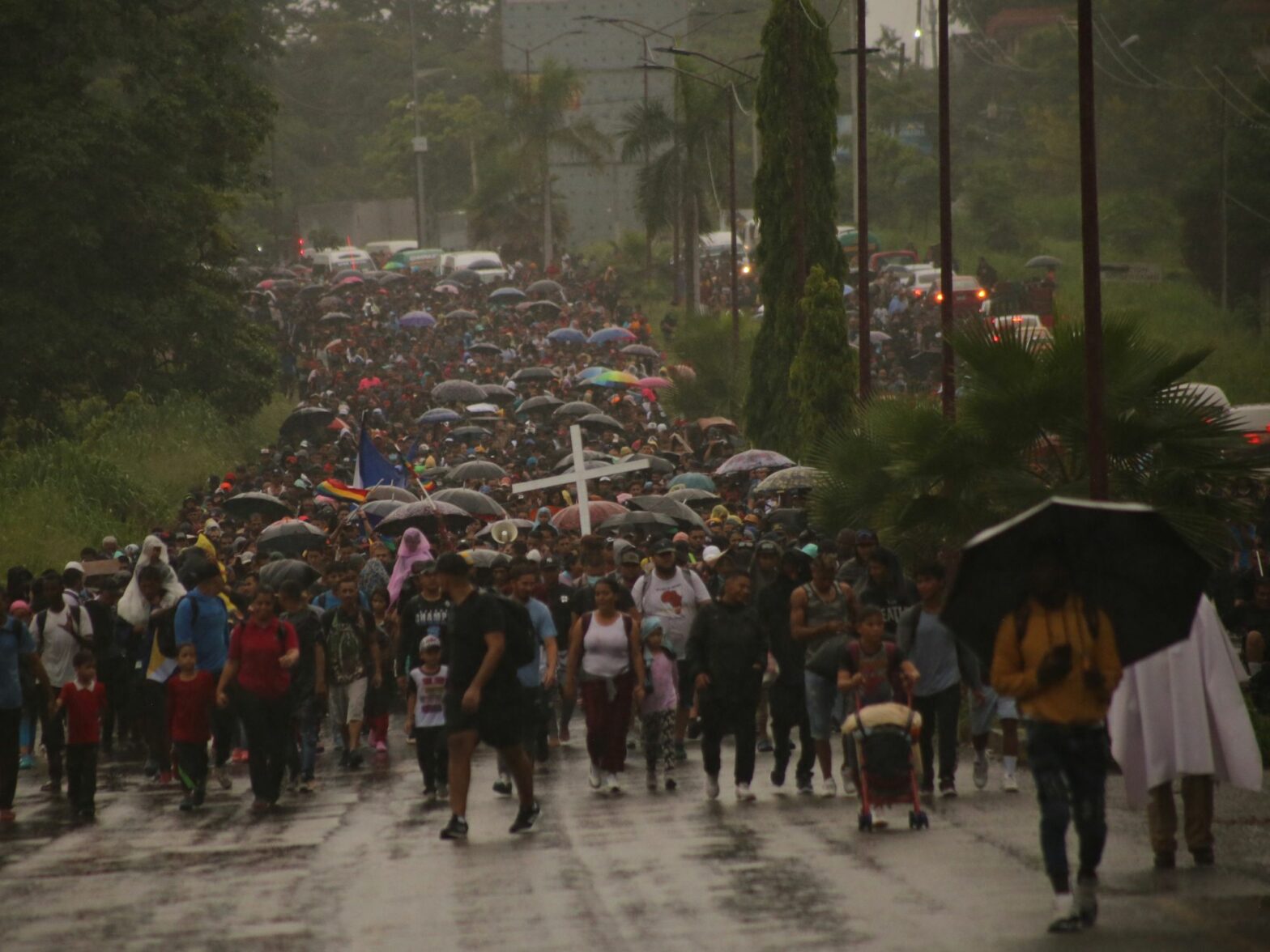
Searching for a safe home, many Latin American migrants are forced to try, time after time, getting turned away, and then risk everything again.
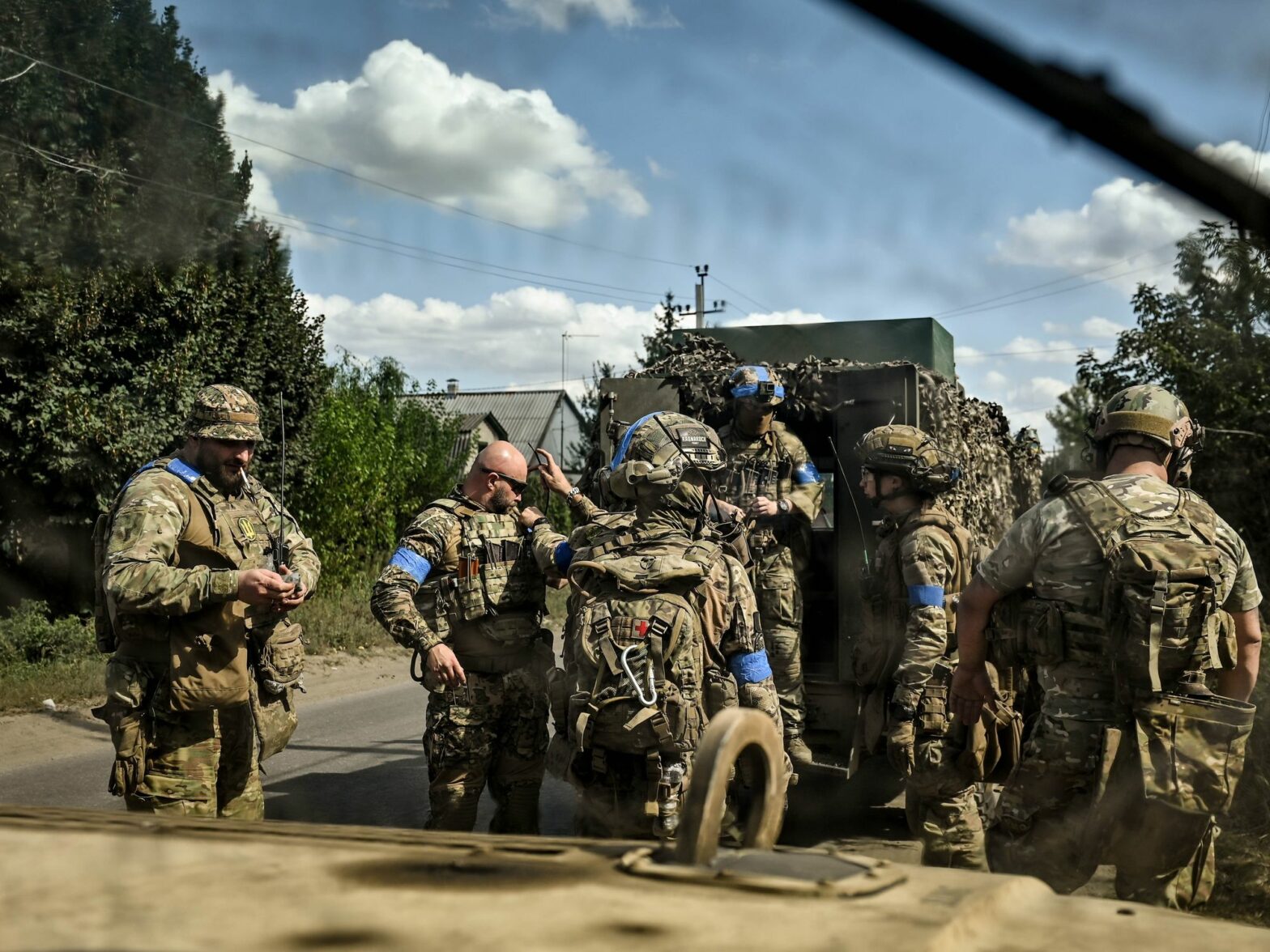
Russia is hoping that the West’s support for Ukraine will begin to falter. Kyiv knows this, and is therefore trying to obtain long-term aid agreements — which have the potential to determine their future. But the current Poland-Ukraine row is a troubling sign.
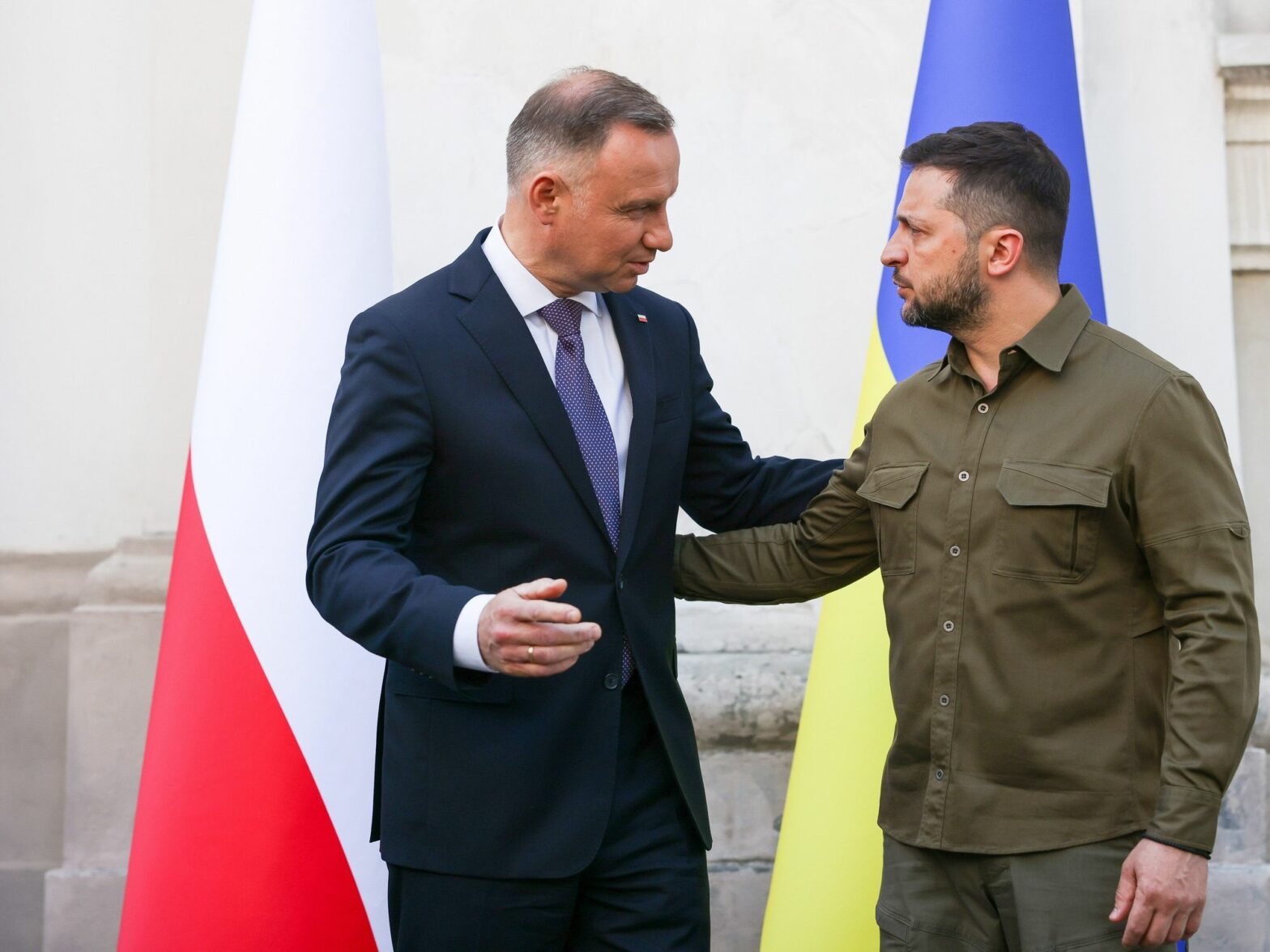
Poland has taken President Zelensky’s criticism at the UN very badly, and has decided to not supply new arms to Ukraine. One man in the Kremlin couldn’t be more pleased.
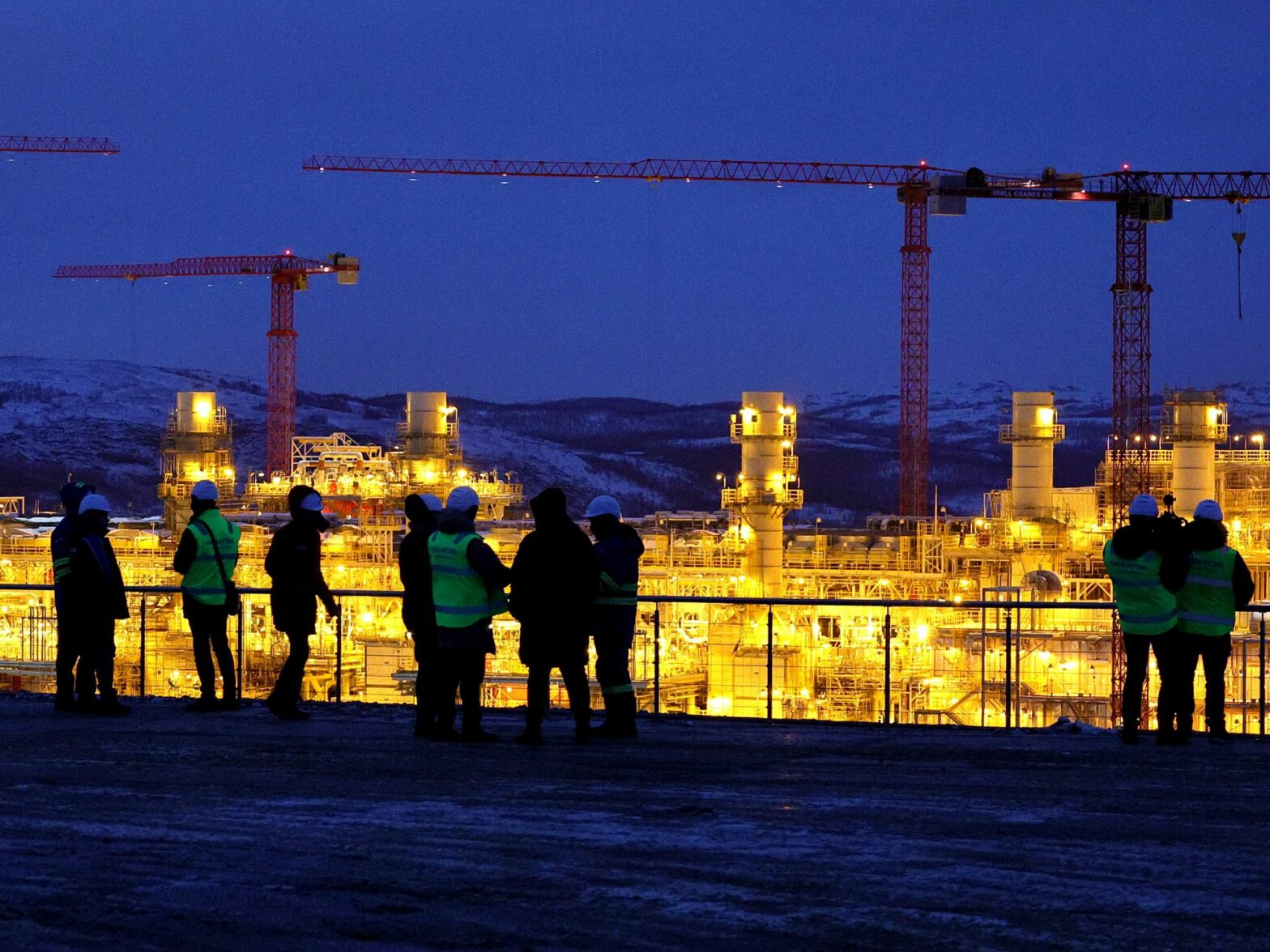
A complex compensation mechanism for fuel companies, currency devaluation, increased demand due to the war, logistics disruptions, and stuttering production growth have combined to trigger price rises and deepening shortages at home in the Russian energy market. That is a real risk for the war in Ukraine.
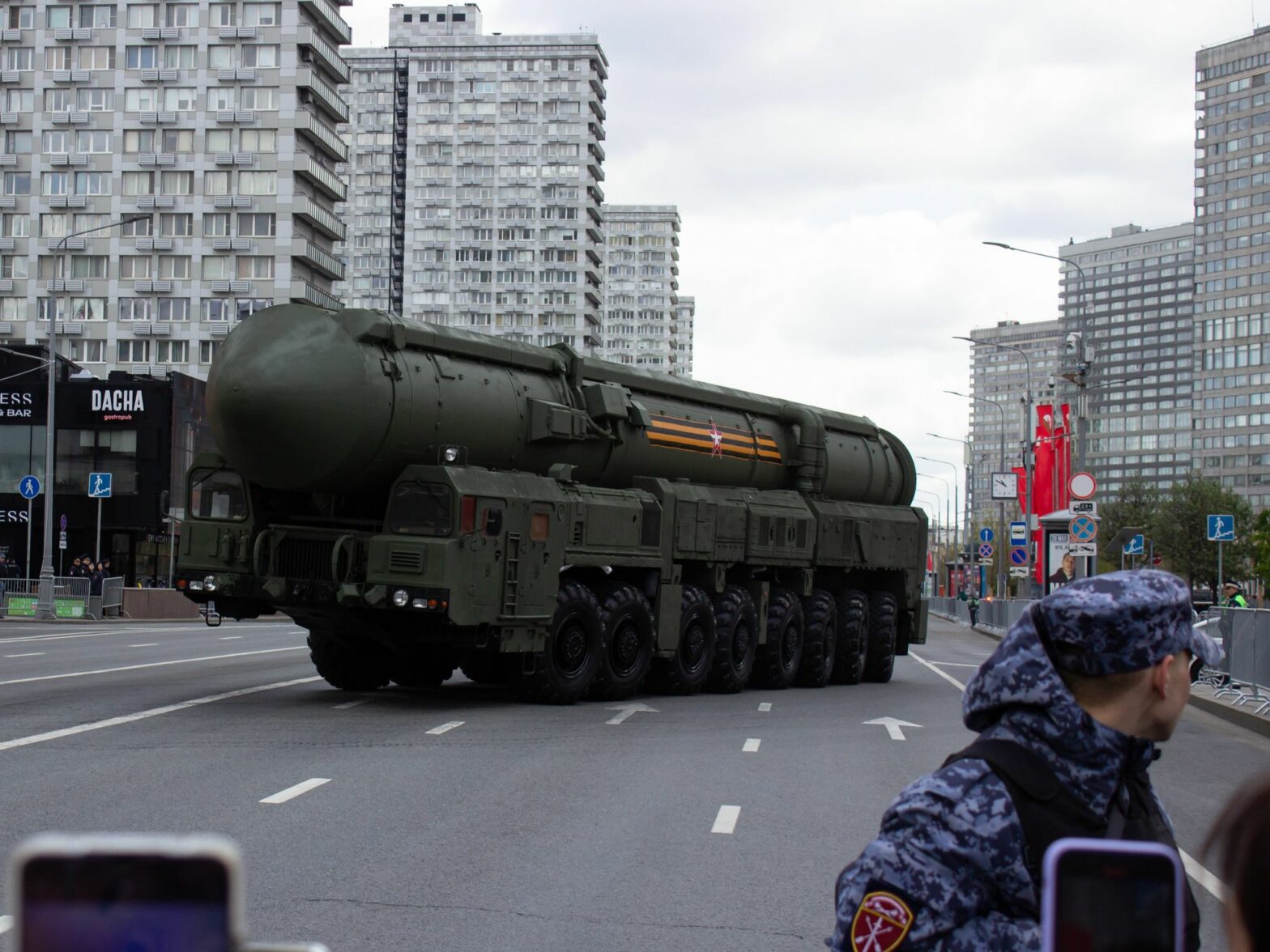
Retired Major-General Alexander Vladimirov wrote the Russian “war bible.” His words have weight. Now he has declared that the use of nuclear weapons in the war in Ukraine is inevitable, citing a justification that consigns the principle of deterrence to the history books.
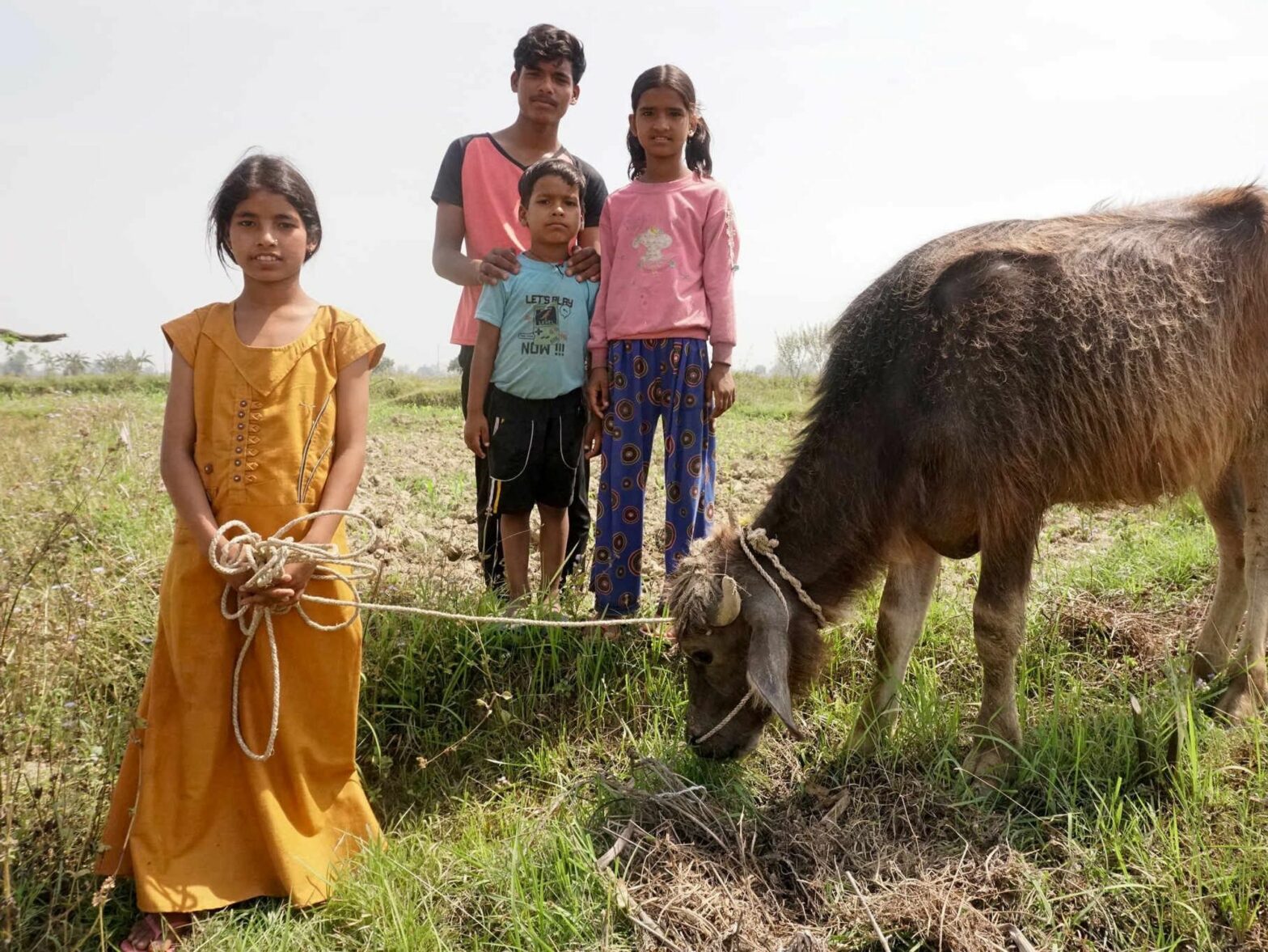
Children left to fend for themselves when their parents seek work abroad often suffer emotional struggles and educational setbacks. Now, psychologists are raising alarms about the quiet but building crisis.
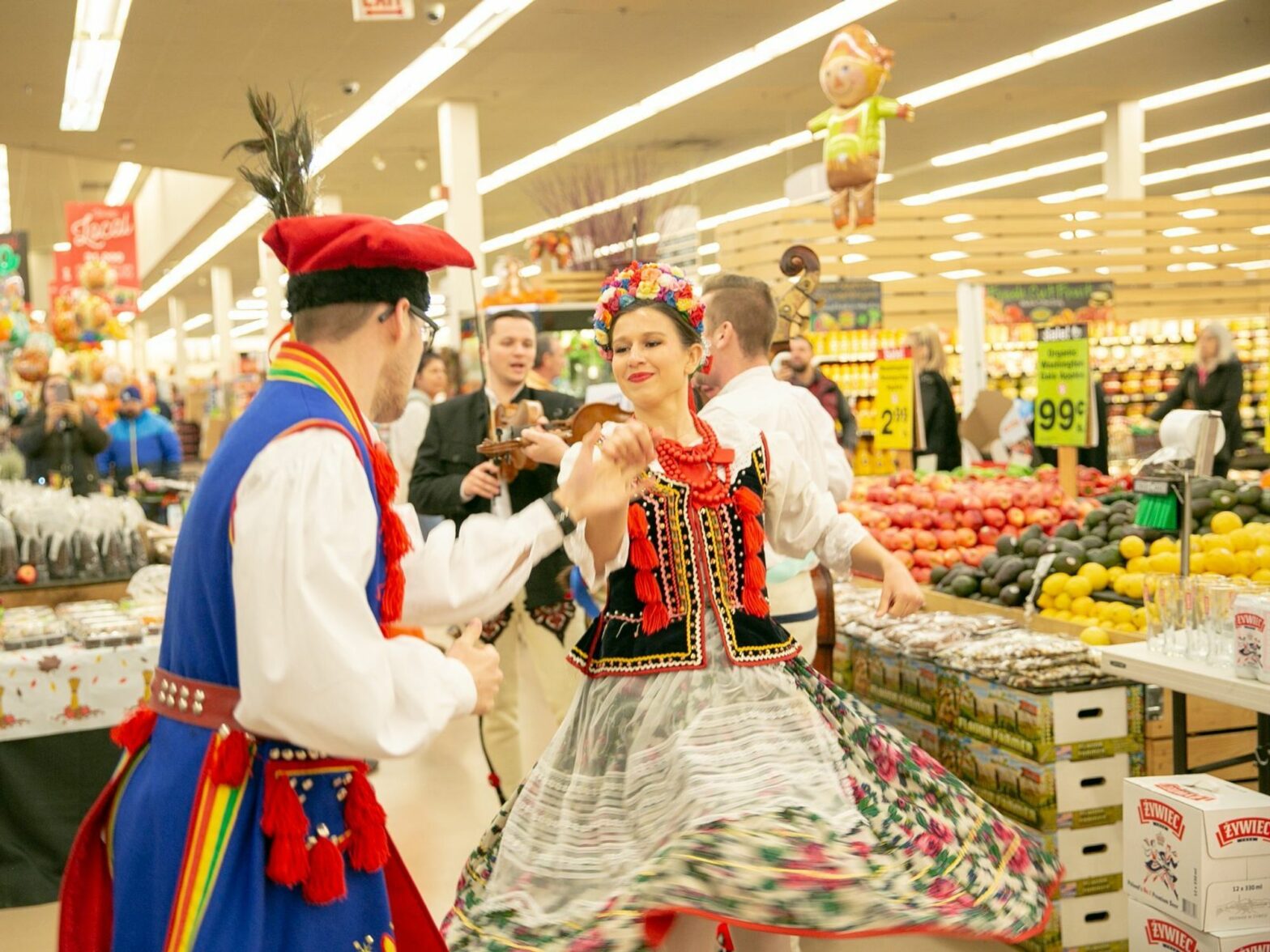
Based on conversations with author and psychotherapist Gregorz Dzedzić, who is part of the Polish diaspora in Chicago, as well as the diary entries of generations of Polish immigrants, journalist Joanna Dzikowska has crafted a narrative that characterizes the history of the community, from its beginnings to its modern-day assimilation.
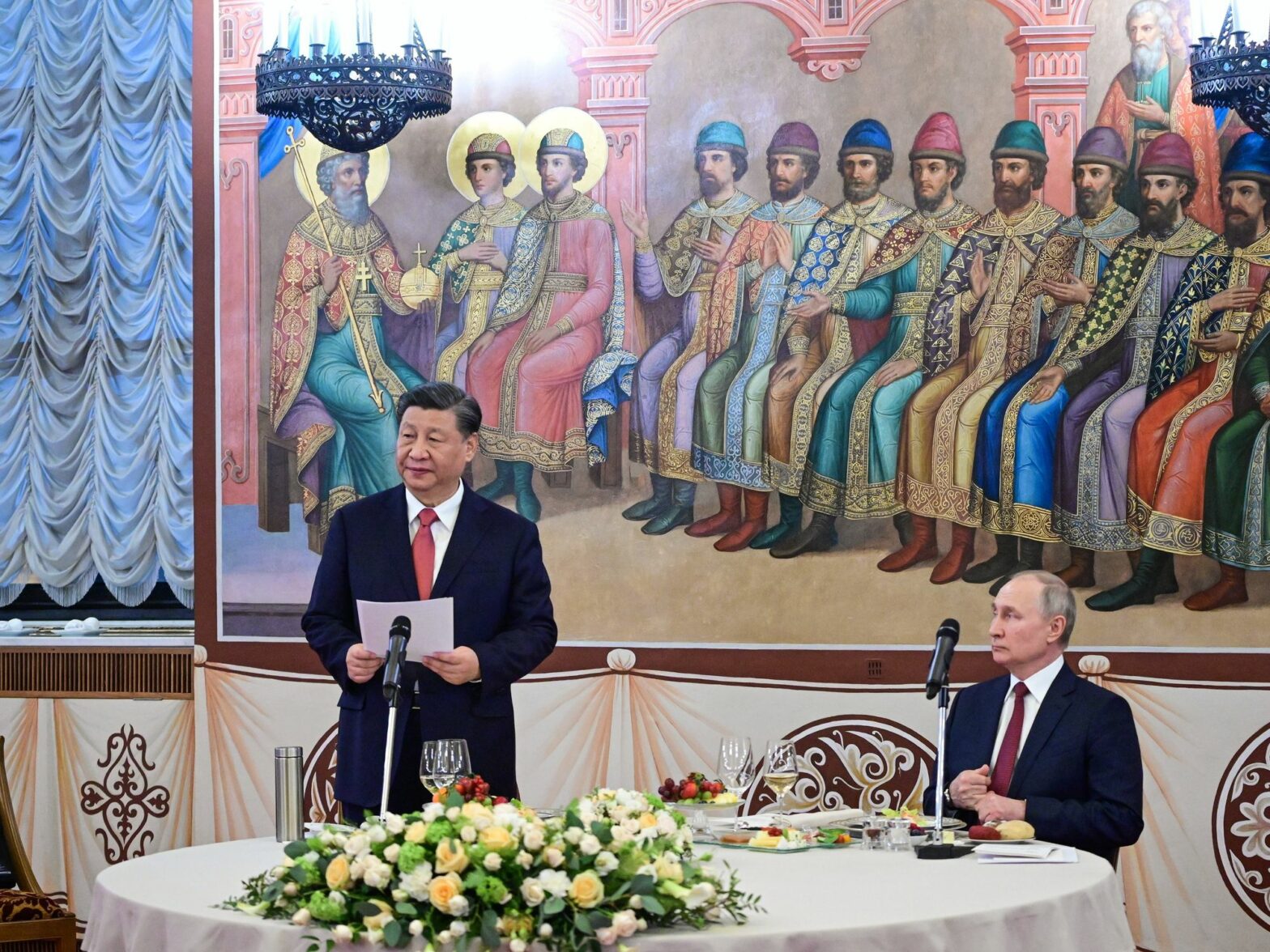
Russia is digging itself into a hole as it becomes increasingly dependent on China, as a result of international sanctions and isolation. This shifting dynamic, analysts argue, is bound to have ripple effects around the world
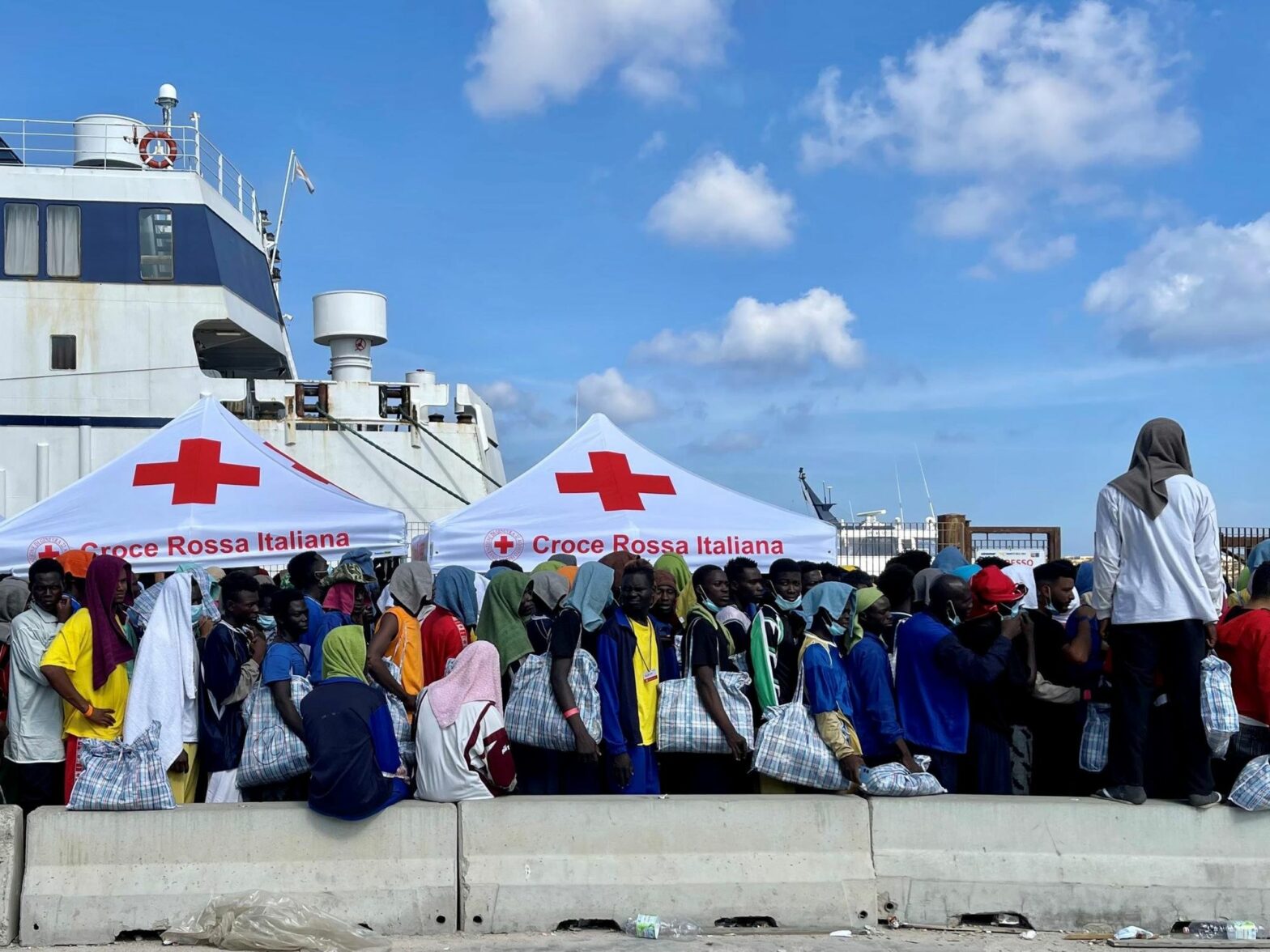
The European migrant crisis is once again making headlines, this time from the small island of Lampedusa, Italy. It exposes not only the far right’s eagerness to exploit the issue of immigration, but also the delicate balance of power in electoral terms.
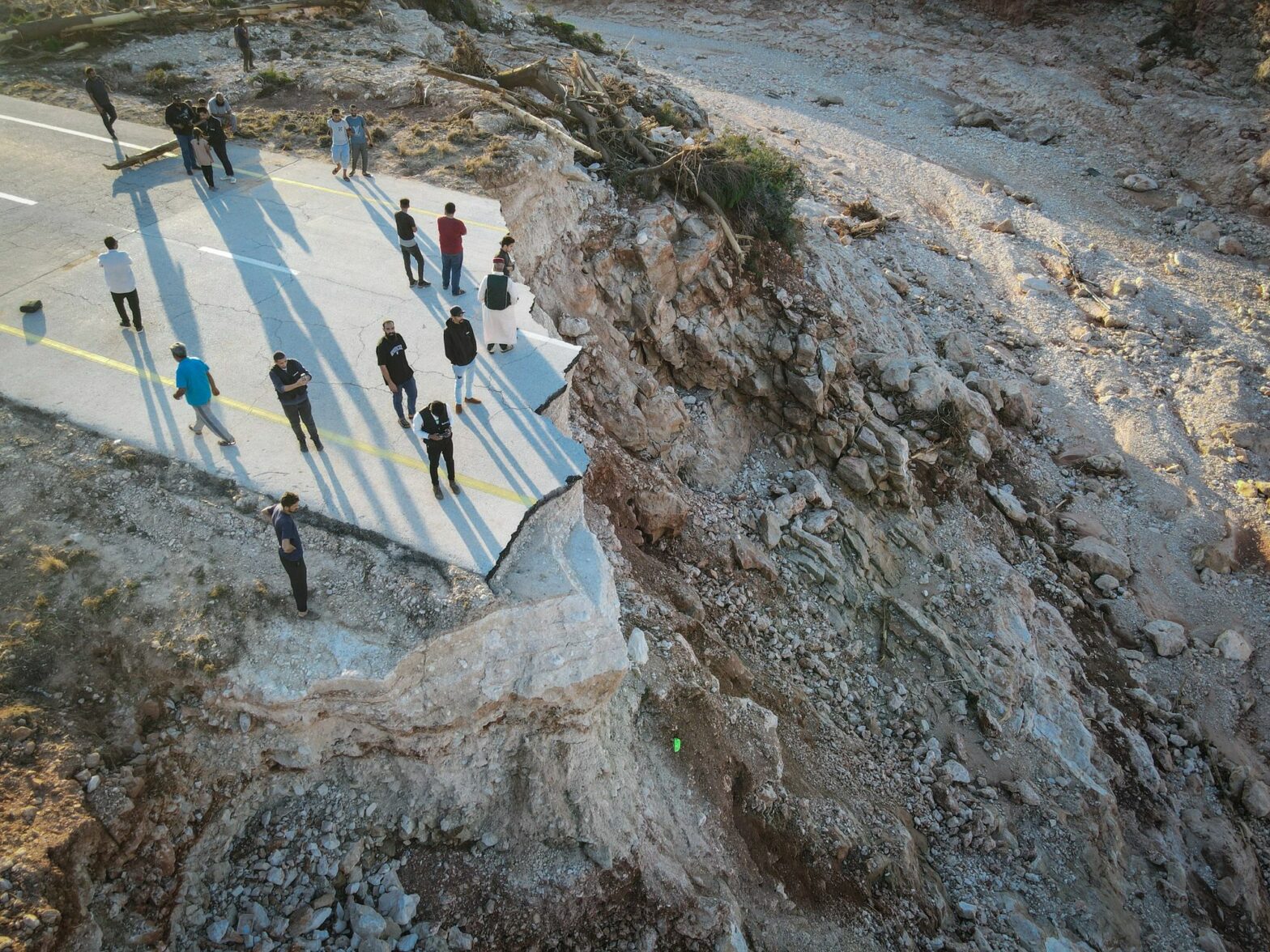
Libya’s catastrophic flood last week coincided with massive arrivals of migrants on the Italian island of Lampedusa. What look at first like two distinct stories are part of the same mounting crisis that the world is simply not prepared to face: climate migration.
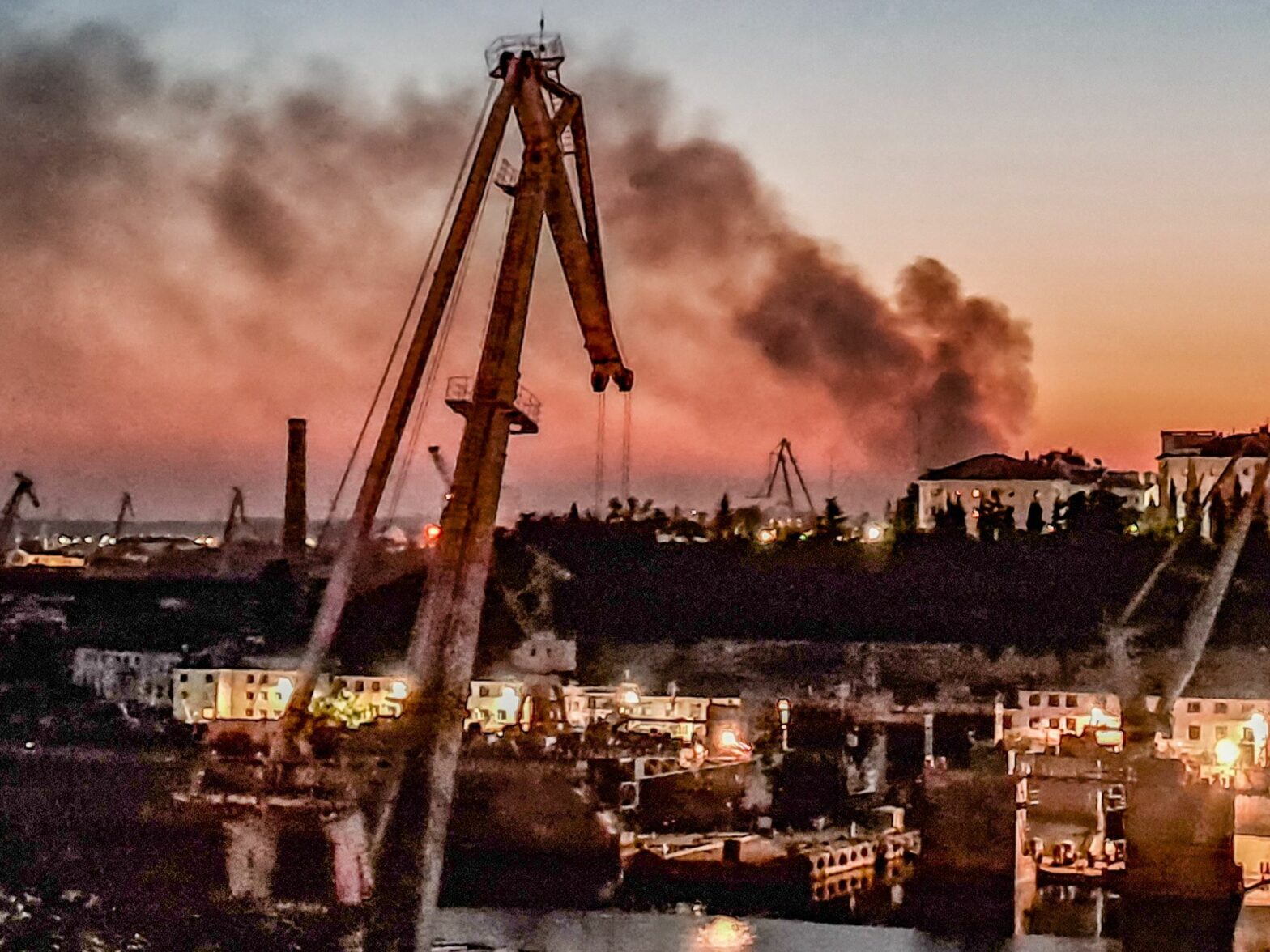
As Ukraine steps up its attacks on the Black Sea fleet and other targets in Crimea, here’s the inside story of Russia’s devastating naval defeat in April, 2022.
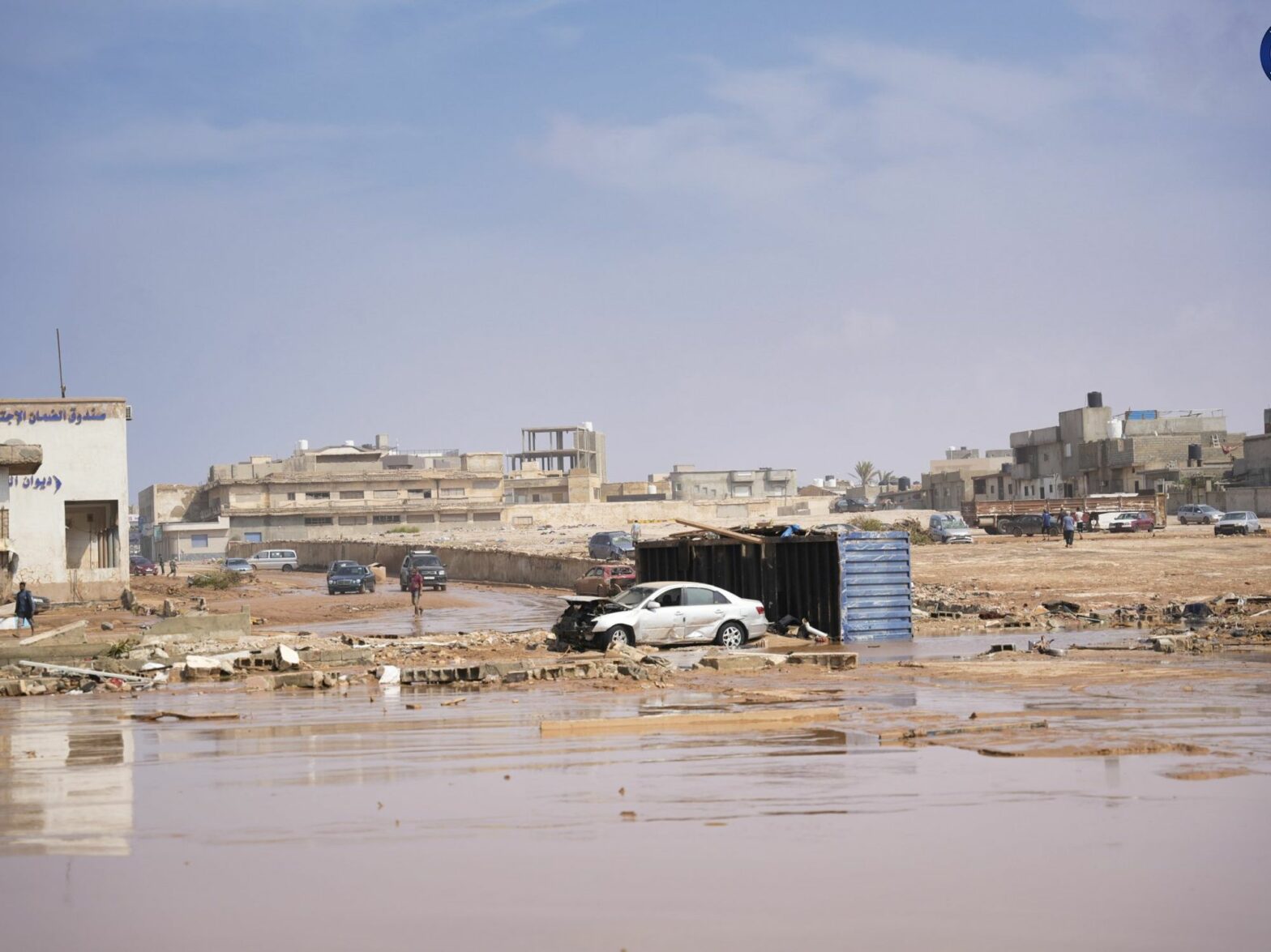
The devastating flood in Libya is the result of the climate crisis, worsened by the country’s poor infrastructure, the legacy of European colonialism. These disasters will only become more frequent.

Censoring art because of creators’ political views is nothing new in Russia — but it’s rarely acknowledged. Now, the director of the Bolshoi ballet is saying the quiet part aloud.
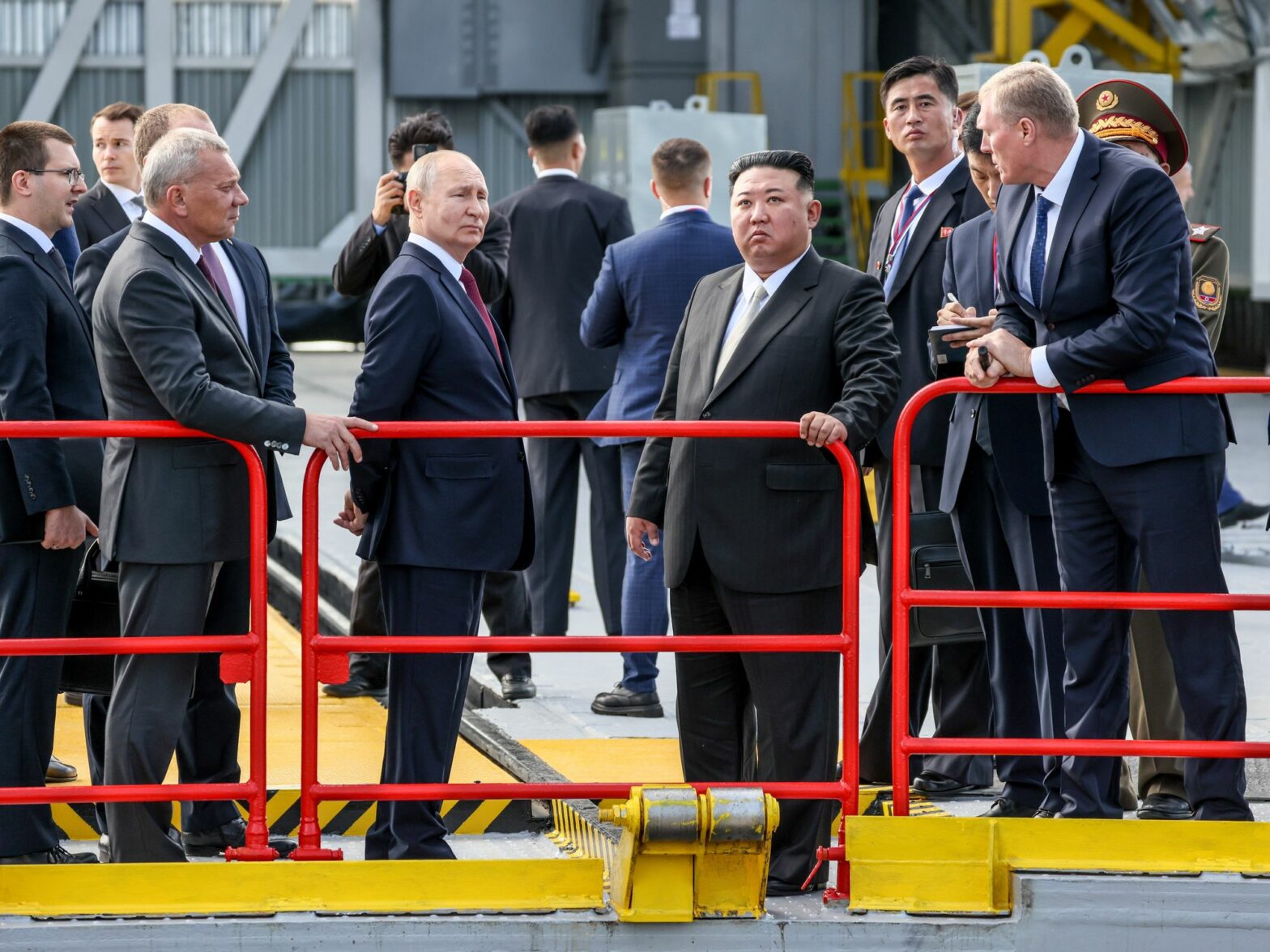
North Korea lends its full support to Russia’s war in Ukraine, and will supply ammunition to Moscow, which in return will help Kim Jong-un with his space ambitions. With the whiff of a Cold War alliance, it shows how two regimes that have become so isolated they multiply the risks for the rest of the world.
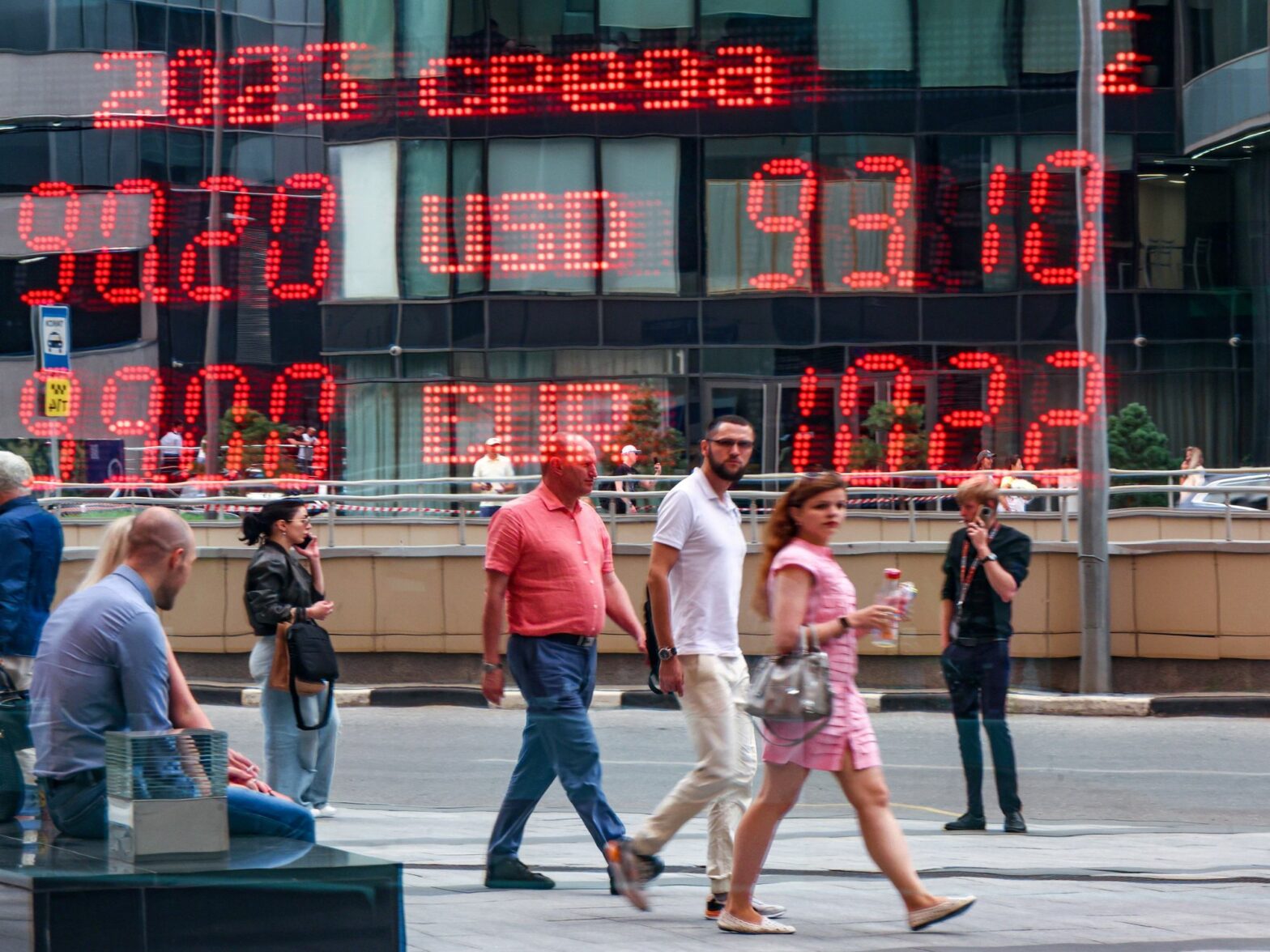
On paper, the scale of sanctions against Russia following its invasion of Ukraine is unprecedented. But opinion on the impact of sanctions remains divided in the absence of a reliable scientific foundation. A new study by Bank of Canada offers a way out.
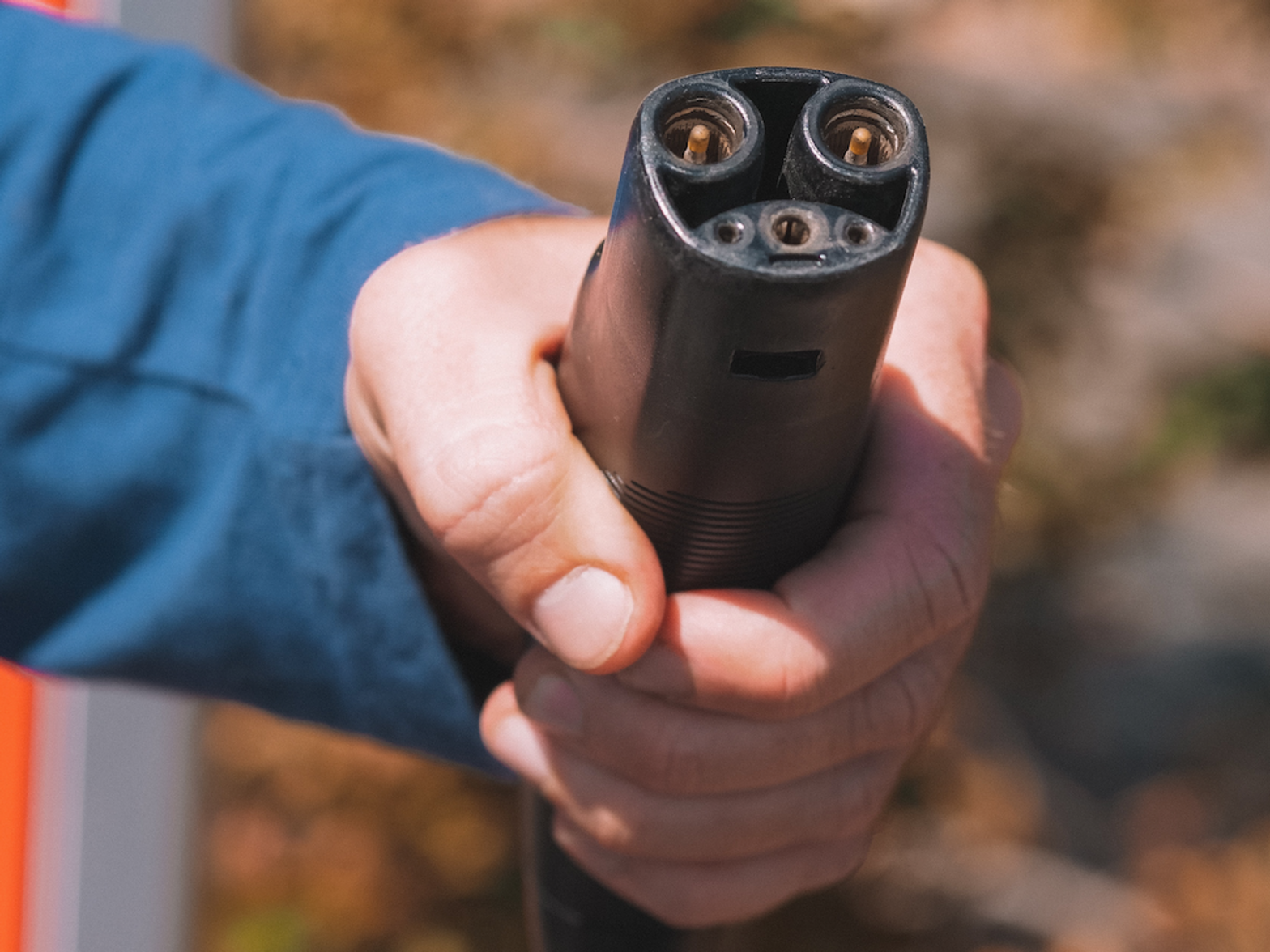
The author set off on a three-week vacation trip across Europe in an electric car. Would the charging infrastructure be enough to get all the way, or would they end up stranded without battery, far from home?