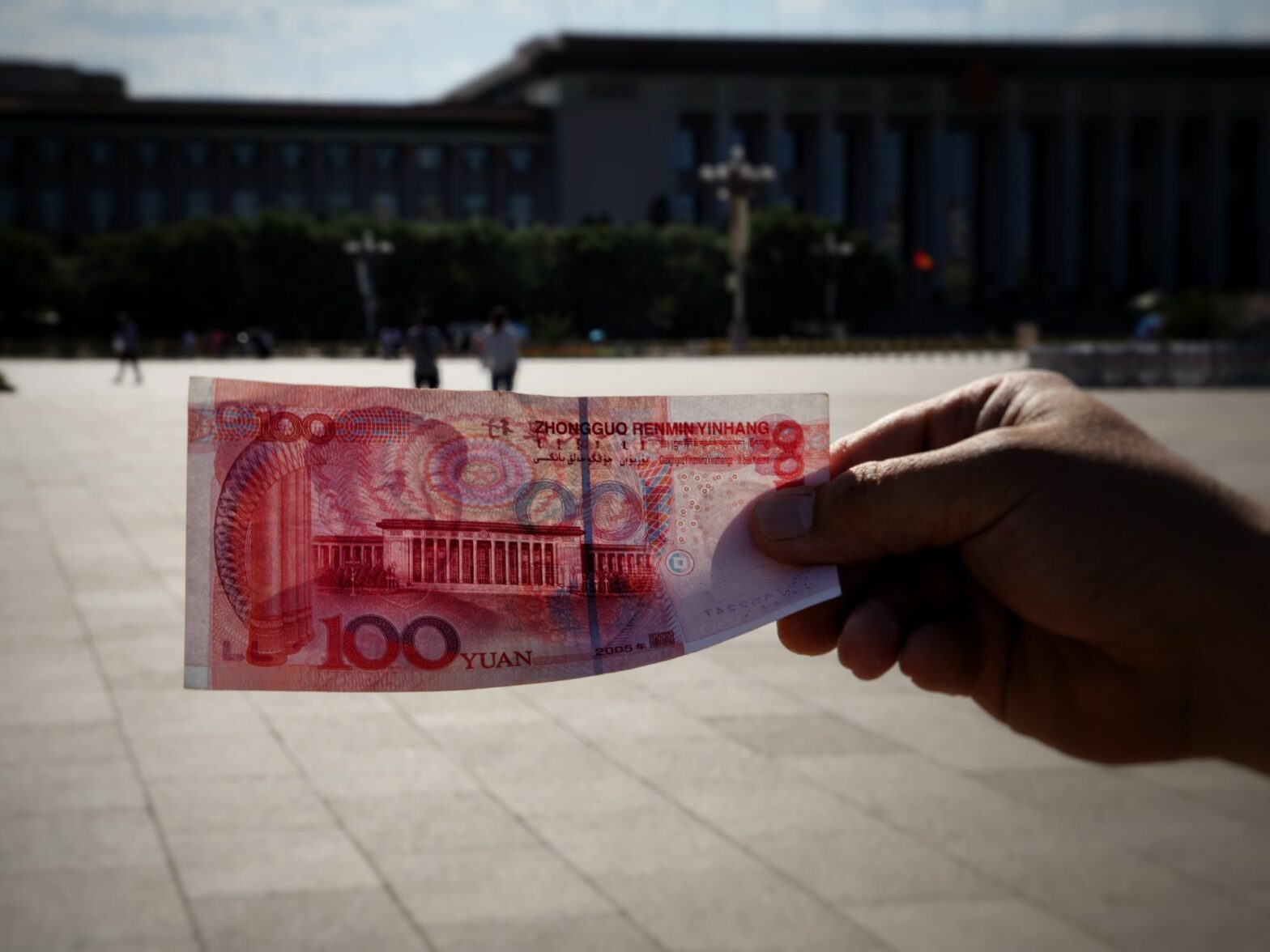
China’s economy is struggling, partly driven by a deepening economic rift with the U.S. That does not bode well for the rest of the world, particularly countries in the Global South, writes Argentine daily Clarín.
 Worldcrunch
China’s economy is struggling, partly driven by a deepening economic rift with the U.S. That does not bode well for the rest of the world, particularly countries in the Global South, writes Argentine daily Clarín.
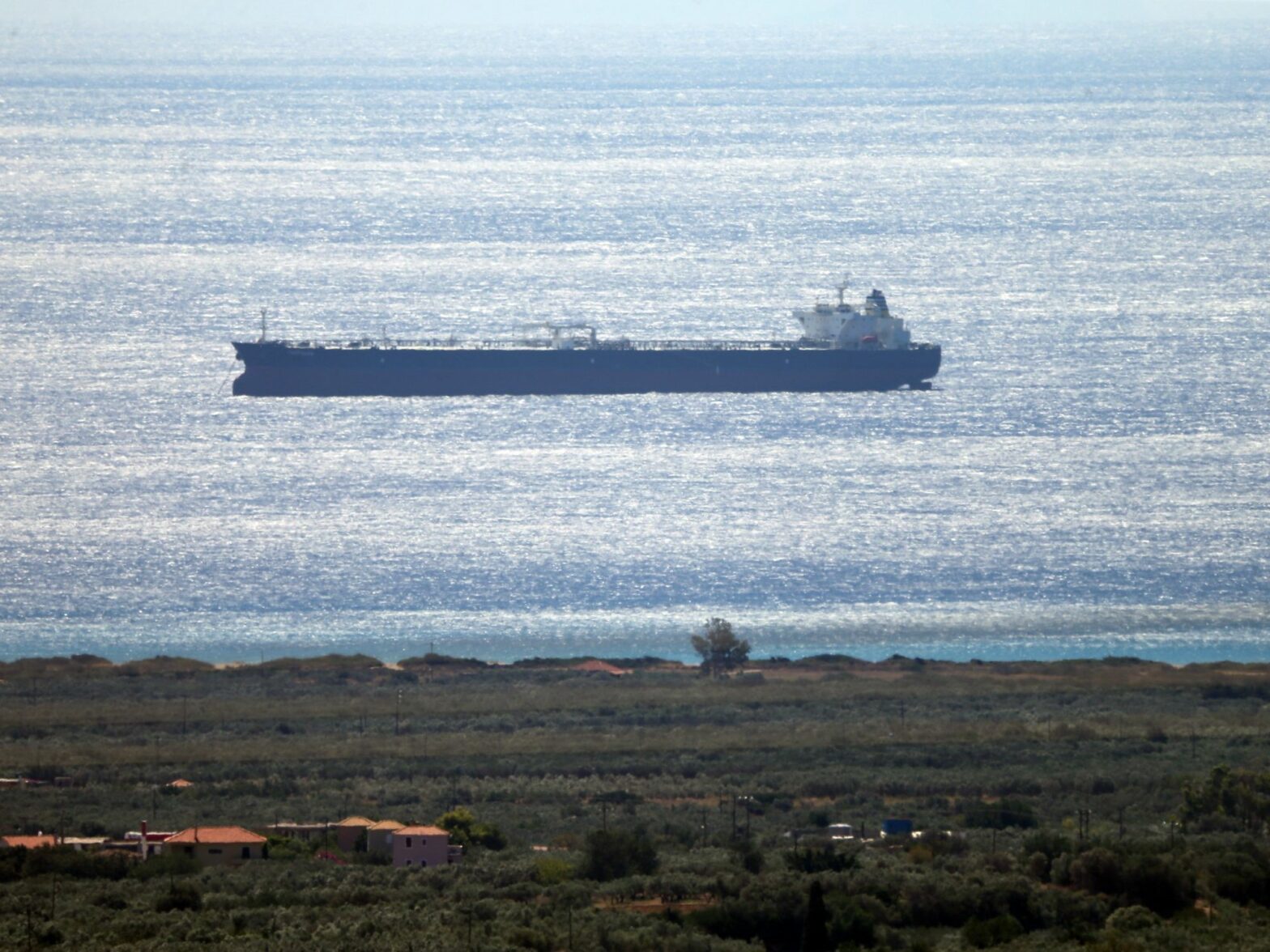
Moscow relies on international shipping companies to ship its oil, especially tankers flying the Greek flag. To protect its lucrative business, Athens is resisting tougher sanctions — and thus playing right into Vladimir Putin’s hands.
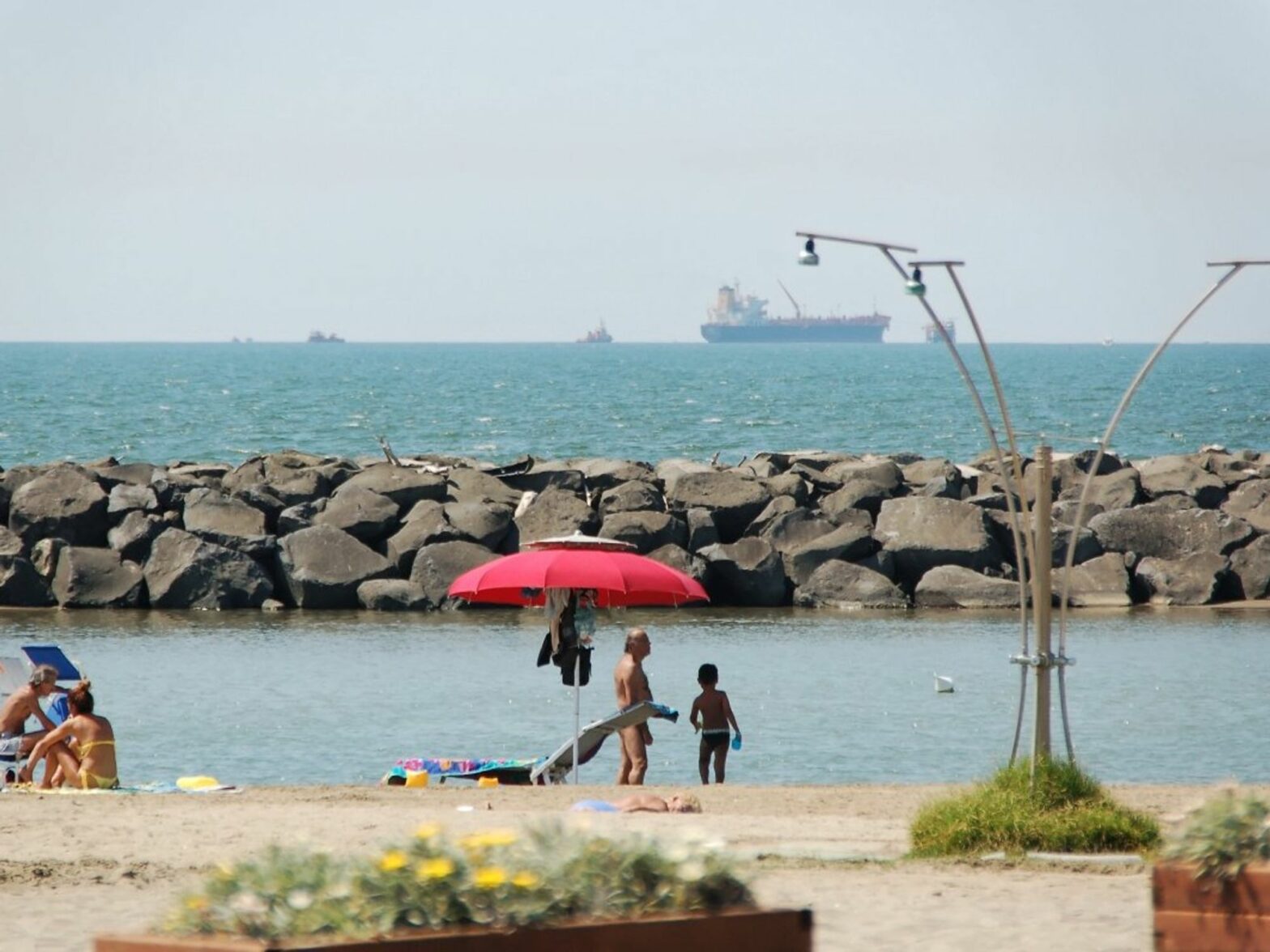
Not far from Rome’s international airport, the Royal Caribbean cruise ship company bought a state concession to try to build a massive new port to host its Oasis-class cruise ships – 72-meter-high skyscrapers on the sea. Locals in Fiumicino say one major transport hub in the area is more than enough.
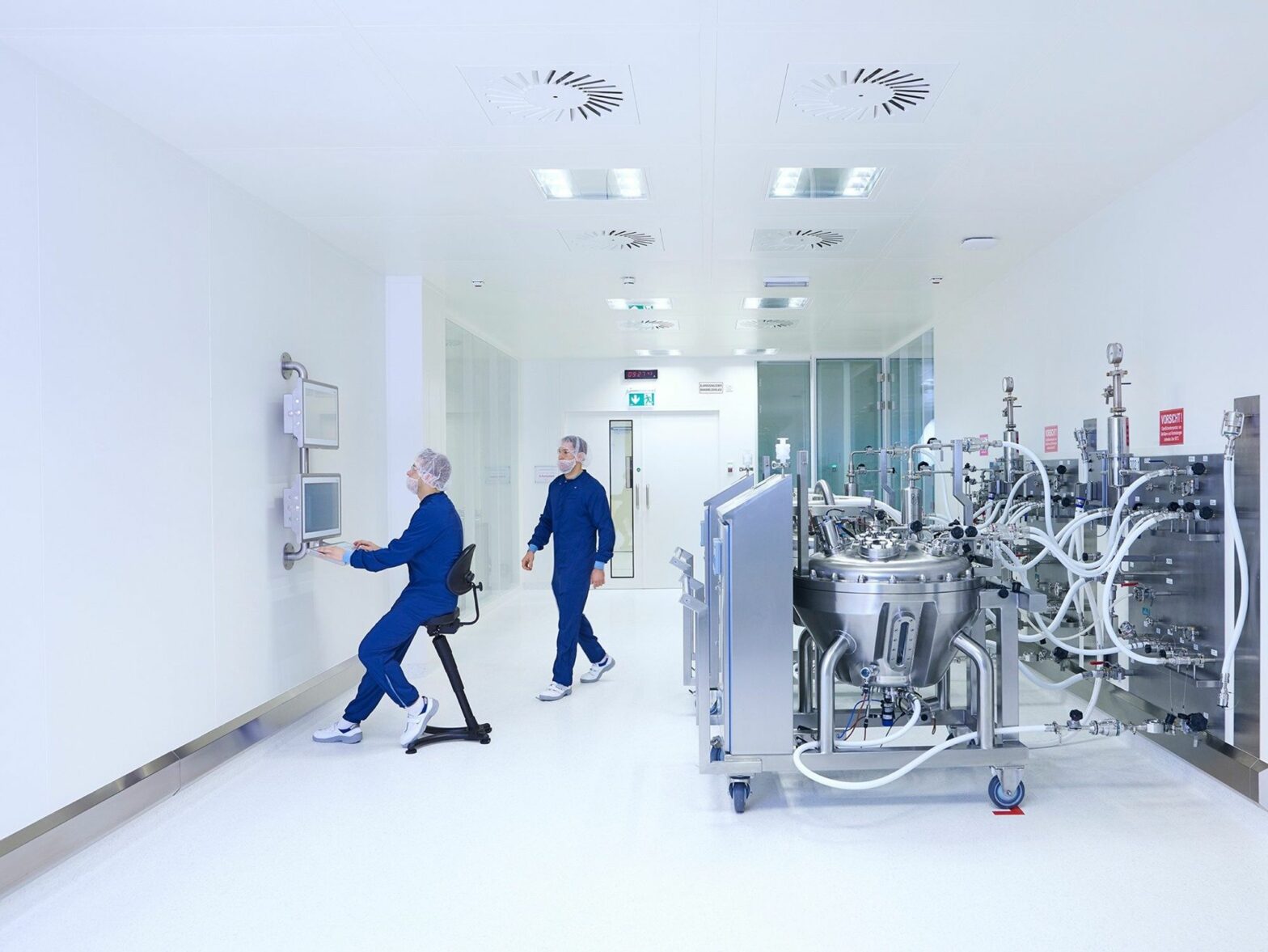
There are currently supply bottlenecks for around 500 medicines, including the antibiotic penicillin. Every second box of the active ingredient in Europe comes directly or indirectly from one place: a factory in the Tyrolean town of Kundl, Austria. Die Welt takes a look at the factory and what’s causing the supply problems.
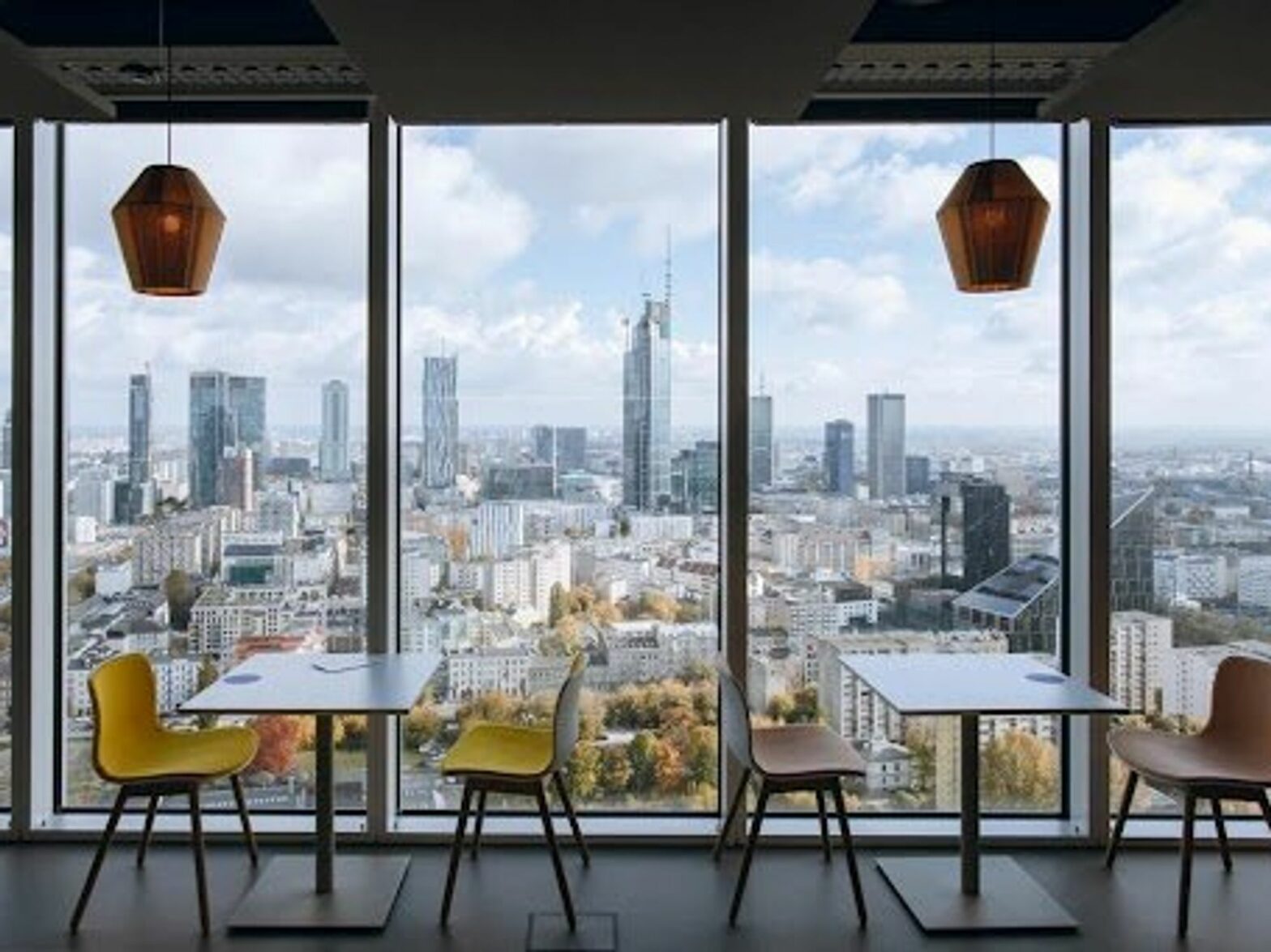
Poland has received widespread investment from multinational companies and now, the country is bucking the worldwide trend by adding jobs in the tech sector.
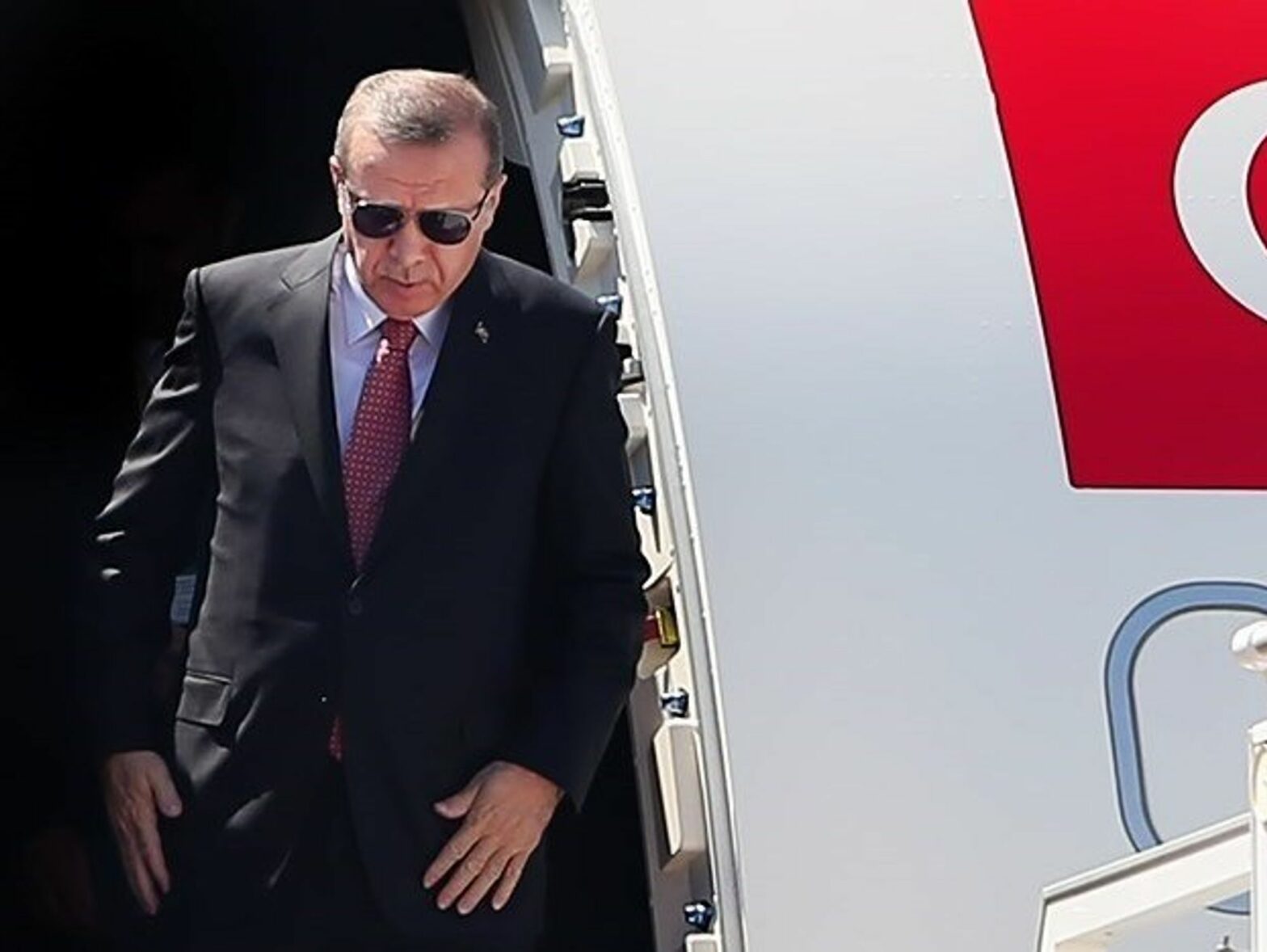
Recep Tayyip Erdogan’s recent tour of Gulf states is proof that the Turkish president aims to repair his country’s diplomatic ties in the region, all the while looking for investment for Ankara’s floundering economy. Quite the reversal of fortunes considering that not so long ago Gulf countries faced accusations of sponsoring the 2016 coup attempt in Turkey.
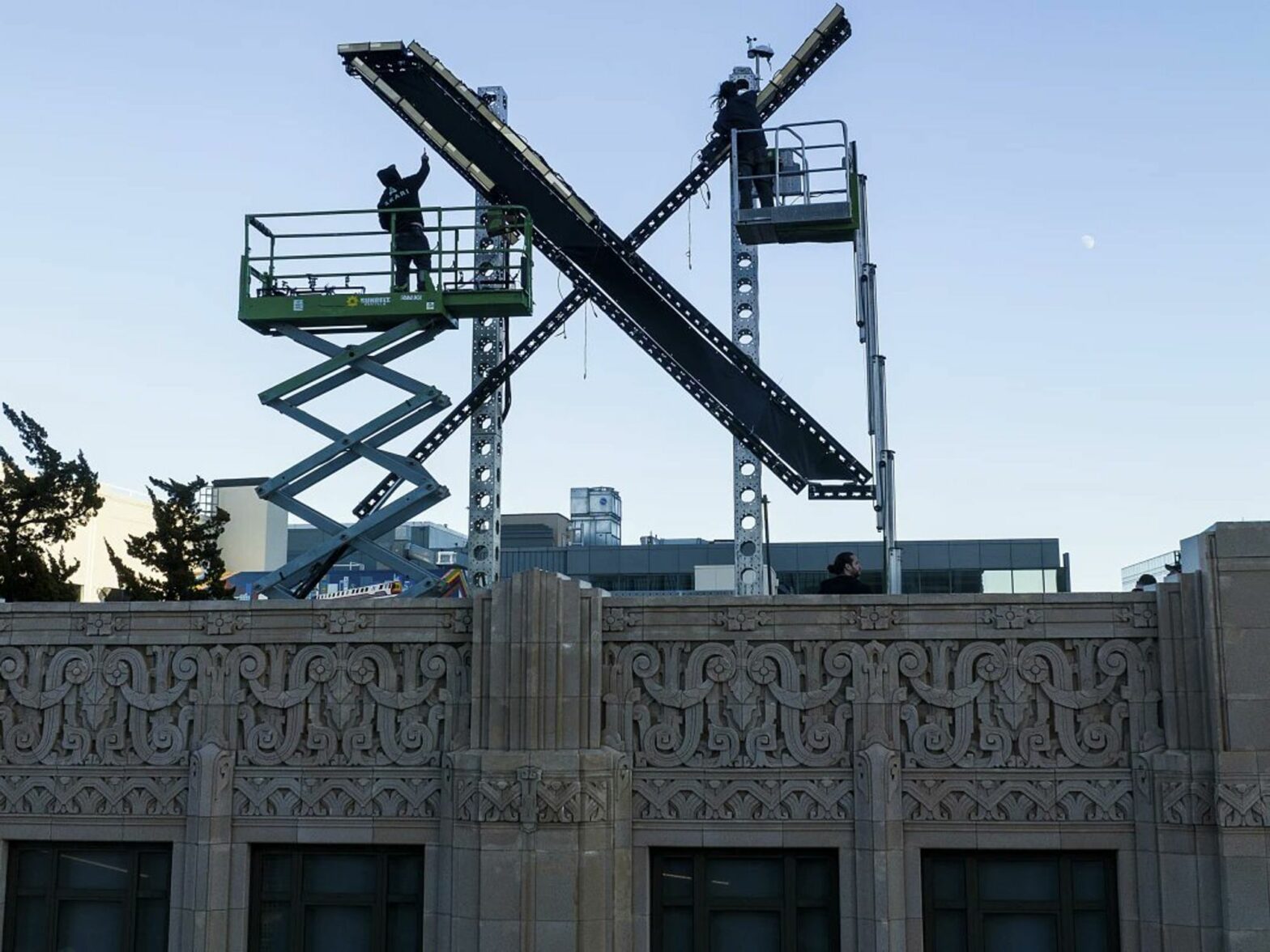
Bye-bye blue bird, all hail X … Elon Musk’s recent rebranding of the Twitter platform app has sparked significant reactions from users and in the tech community, but brand designers also have their say. While rebranding can be for the better, success is never guaranteed — and can do more damage than good to a big name.
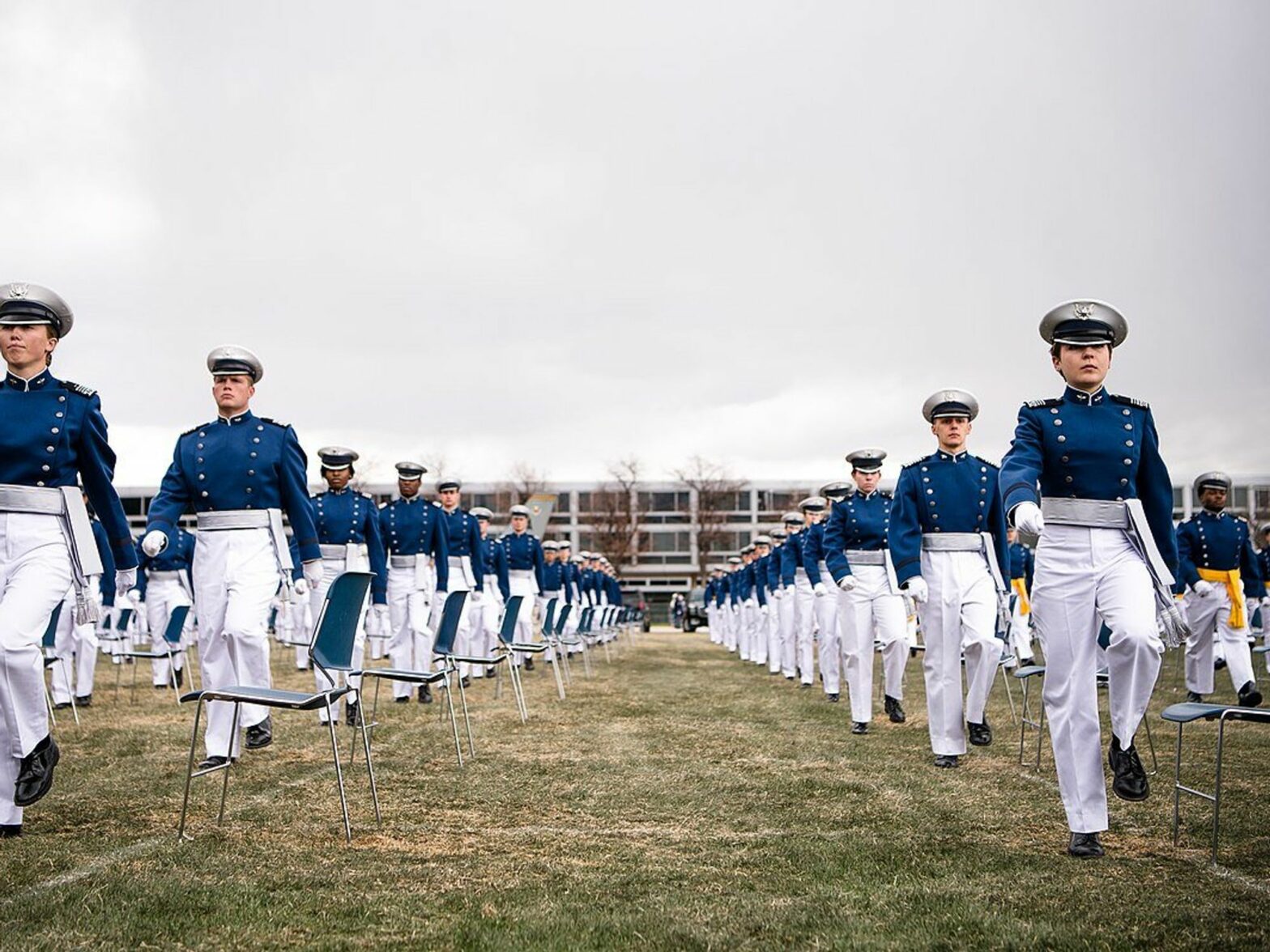
Created by Donald Trump four years ago, the new U.S. military branch embodies the strategic importance of space defense. Faced with competition from China and Russia, Washington is renewing its commitment (and drastically increasing the amount of money it devotes) to space — marking quite the reversal of fortune for Space Force, which not so long ago was the target of pastiche and mockery.

Japanese artist Takashi Murakami has unveiled a large fresco capturing the history of economics, from the Sumerians to Elon Musk, at a gallery in the suburbs of Paris. French journalist Yann Rousseau met him in his studio near Tokyo.
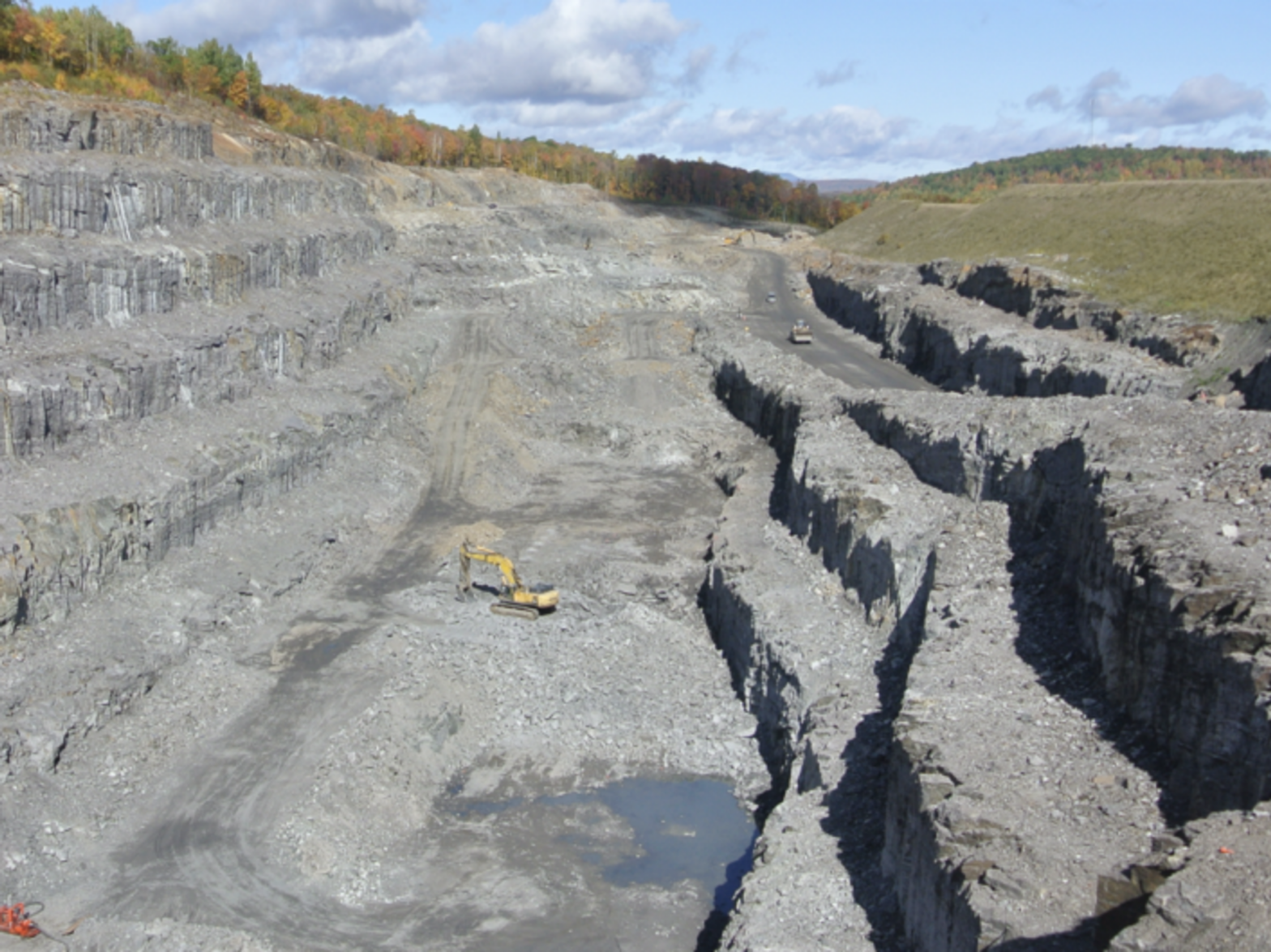
Canada’s subsoil is among the world’s 10 richest in graphite, lithium and cobalt. Only China can say the same. A report from Quebec, home to North America’s biggest graphite mine project.
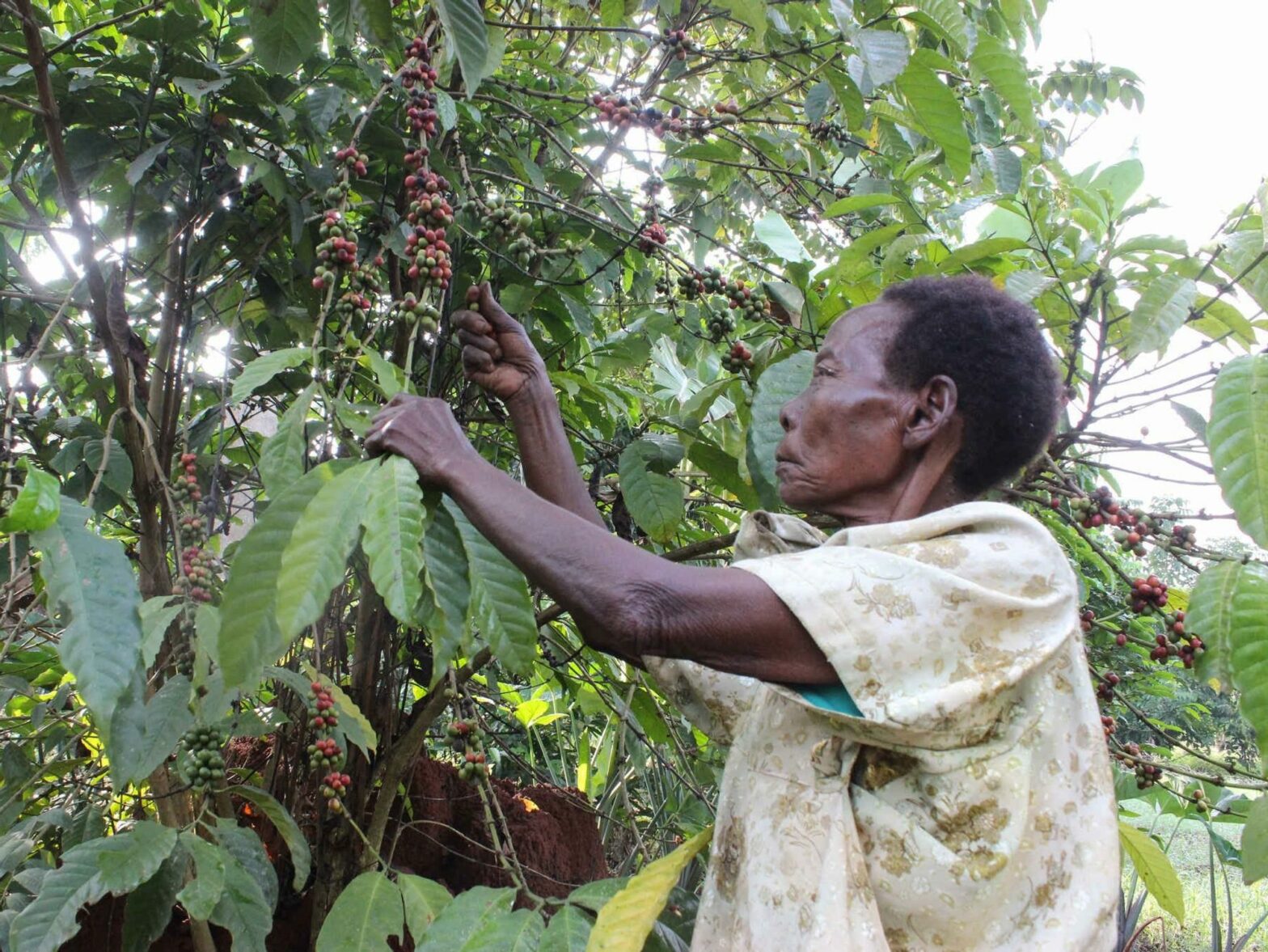
East African concerns about food security are accompanied by farmers’ concerns that they will not have sovereignty over their own crops in the wake of a push toward GMOs.
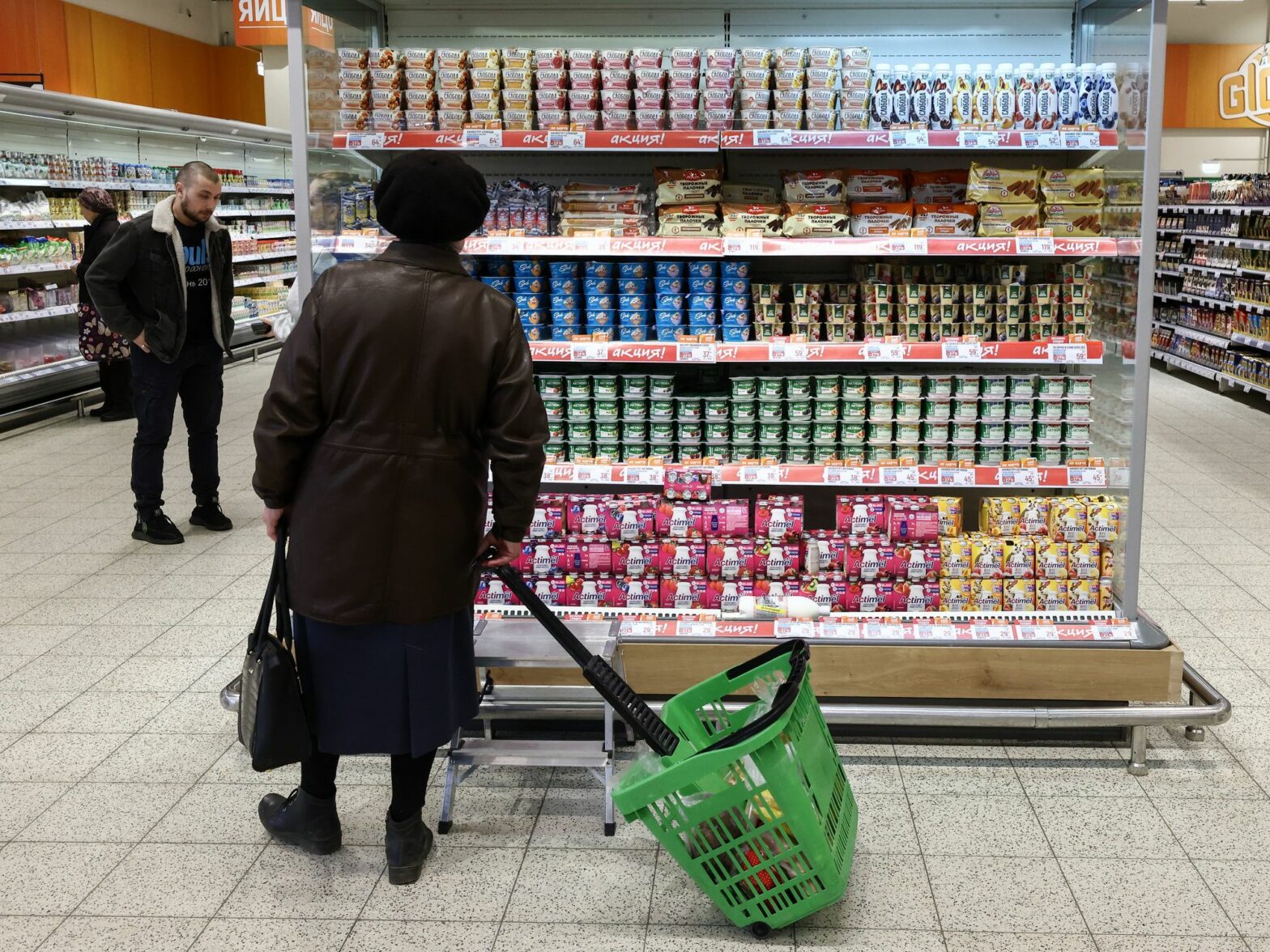
The French dairy group Danone and Denmark’s Carlsberg brewer were in talks with buyers to limit their financial losses in Russia. But the Kremlin’s sudden “temporary” takeover of the two companies Sunday night (involving the seizure of Danone by Chechen leader Ramzan Kadyrov’s “favorite” nephew) may in fact be a sign that business is over once and for all for Western subsidiaries that have pulled out since the war began.
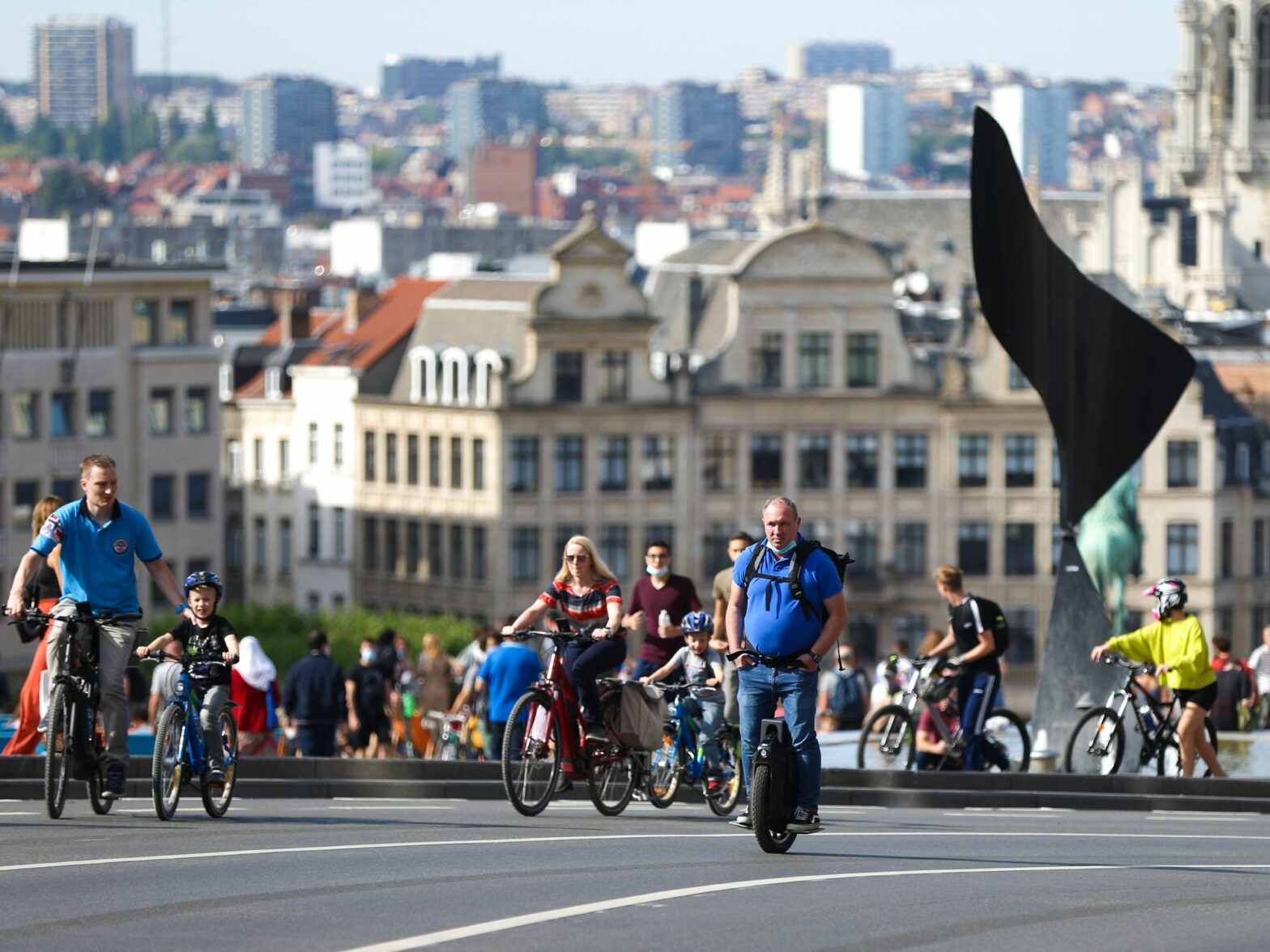
Copenhagen is a great example of the positive impacts of pedestrianization: it provides €400,000 in profit for every kilometer of bike lane, and helps to decrease the deadly effects of air pollution.
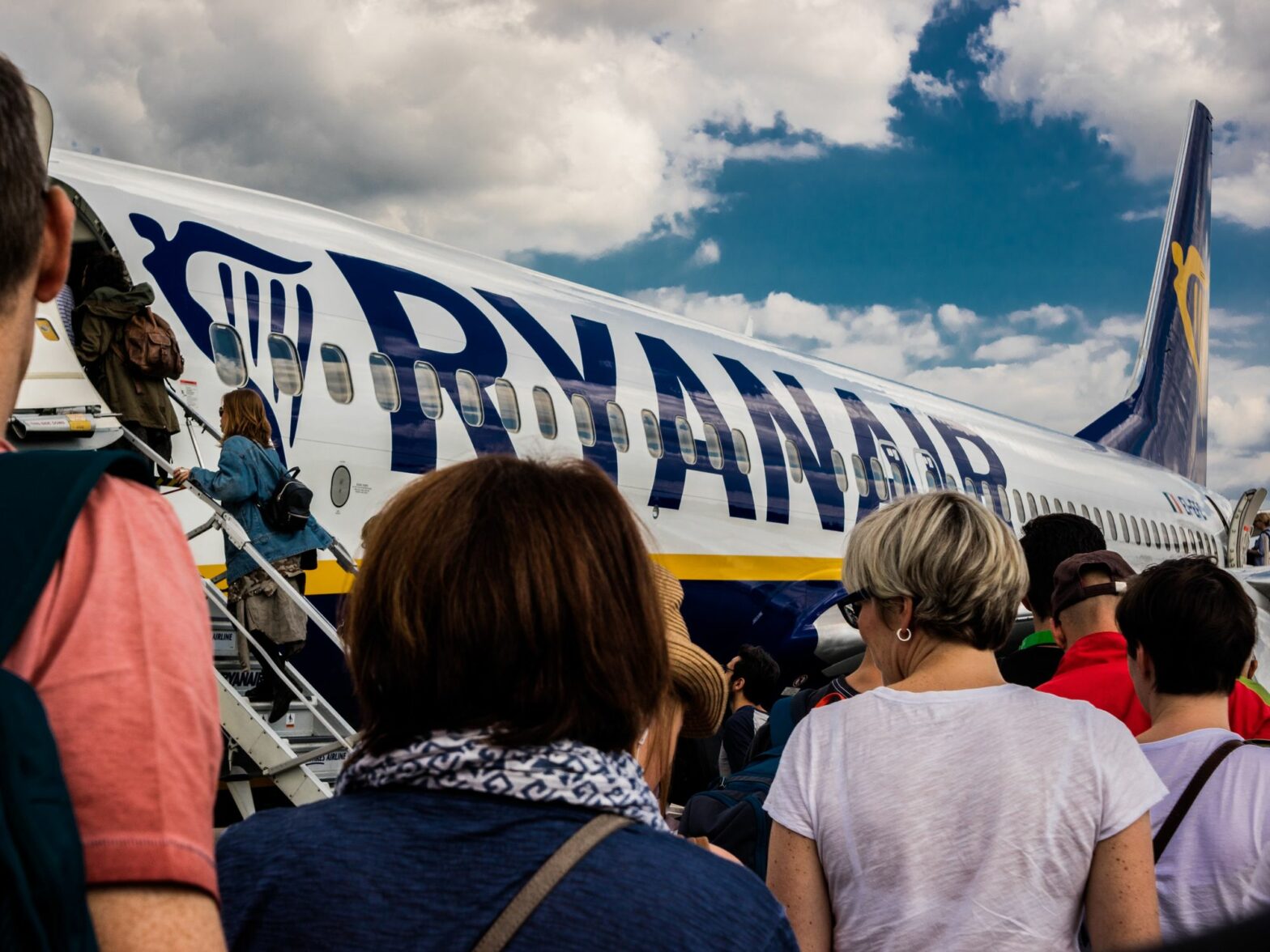
With the Ukrainian war, rising energy prices and the scarcity of personnel, airplane prices are up by 30-50%. But there is something more structural that could bring a definitive end to low-cost options like RyanAir and EasyJet, but also putting the entire industry’s market model into doubt.
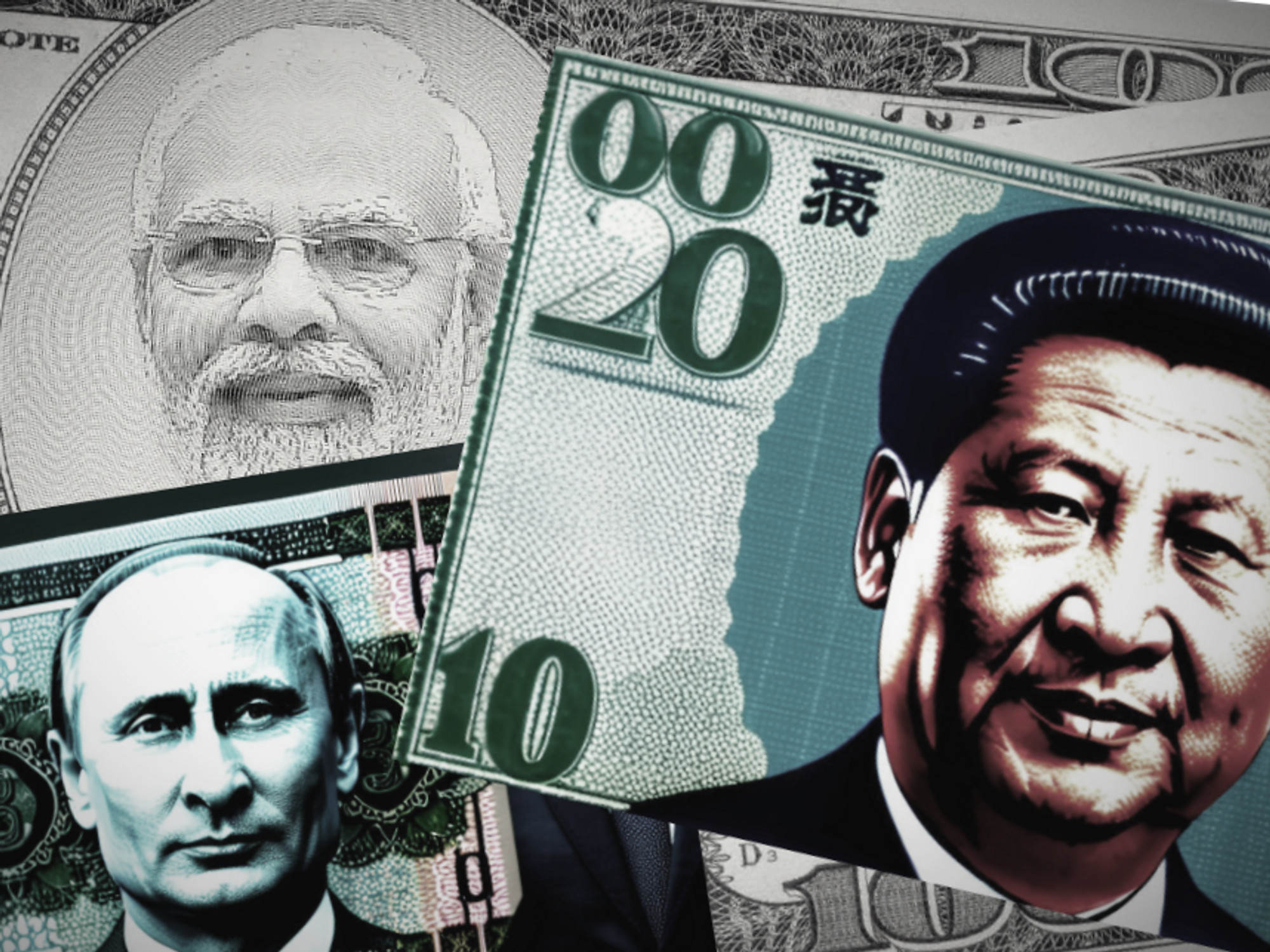
The creation of a new common currency will be one of the main questions on the agenda at the BRICS summit in South Africa in August. But there are still many obstacles to overcome before breaking free from the almighty dollar.

The Wagner mercenaries, who came to the world’s attention for their involvement in the Russian invasion of Ukraine, and more recently in the coup attempt, have been operating in Africa and elsewhere for years with a profitable formula to cash in on ongoing conflict.
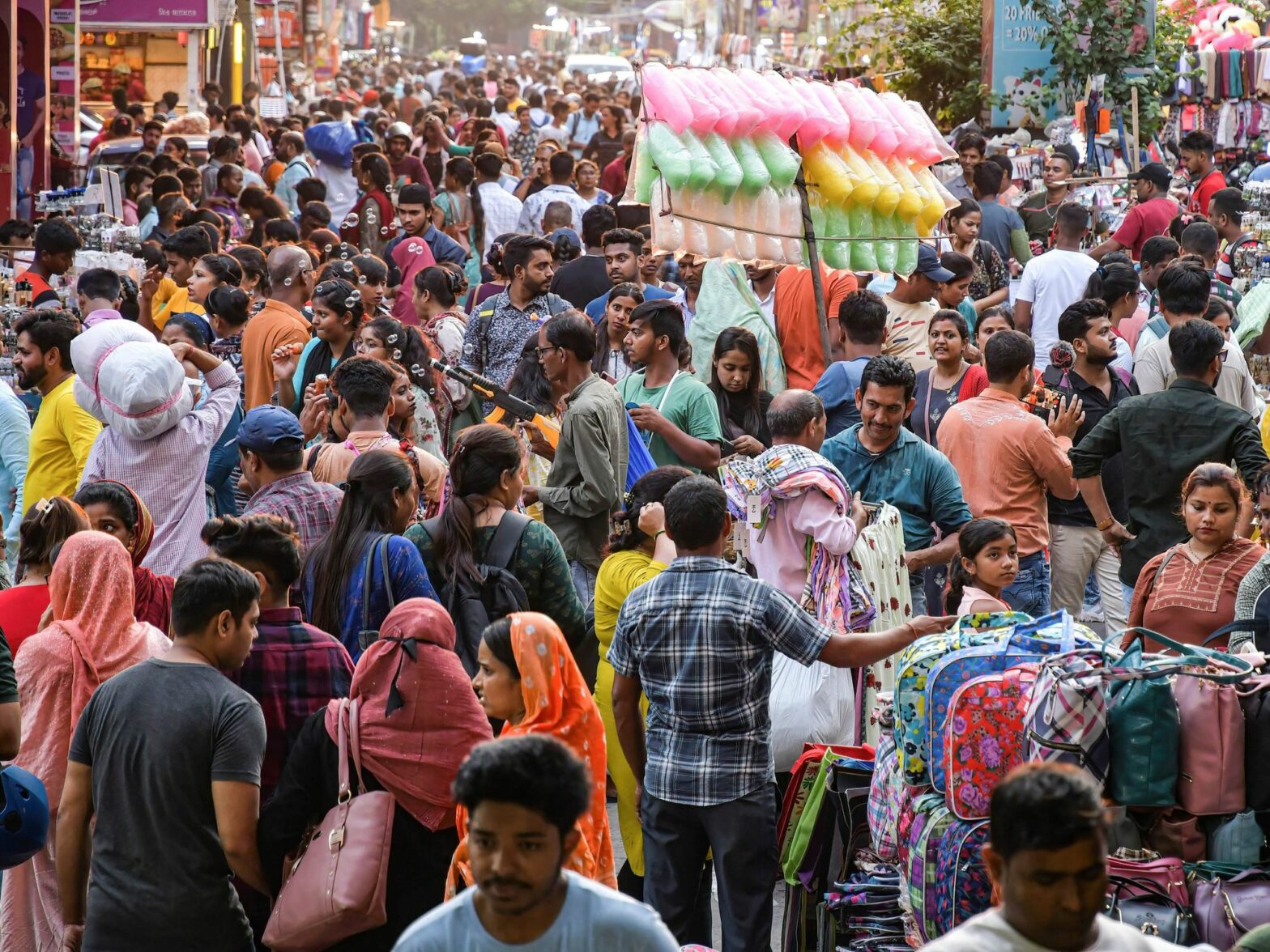
Two Asian giants are facing each other: China, whose economic and military power is no longer in doubt, and India, whose weapon is demography and who dreams of being the equal of its Chinese rival. The effects will reverberate everywhere.
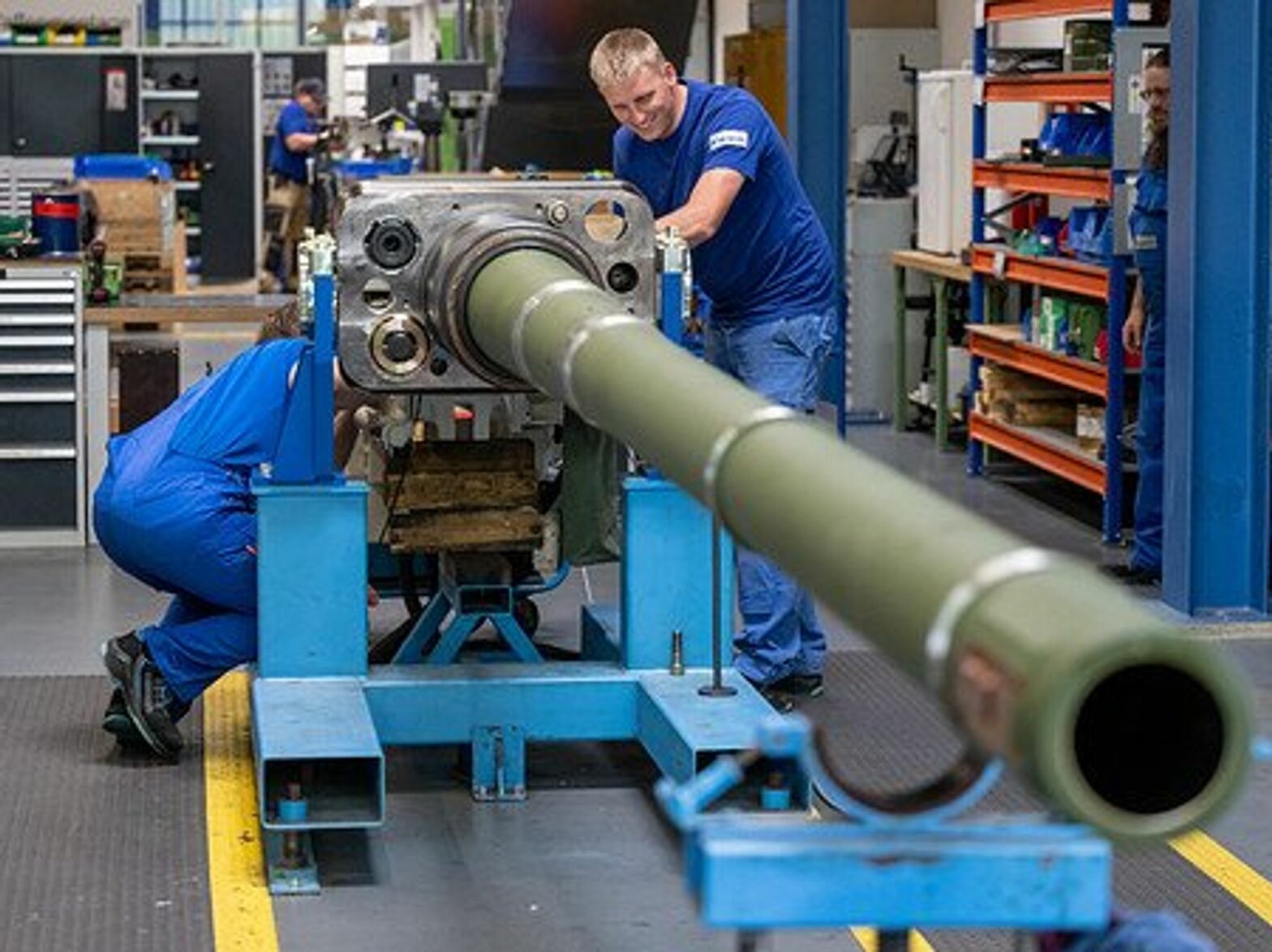
Marder infantry fighting vehicles, Leopard 2 tanks, thousands and thousands of rounds of ammunition: the armament company Rheinmetall is running flat-out, around-the-clock to supply Ukrainian forces. For the first time, Die Welt was granted access to the production floor at the Rheinmetall factory, which is churning out arms as quickly as it did during the depths of the Cold War.
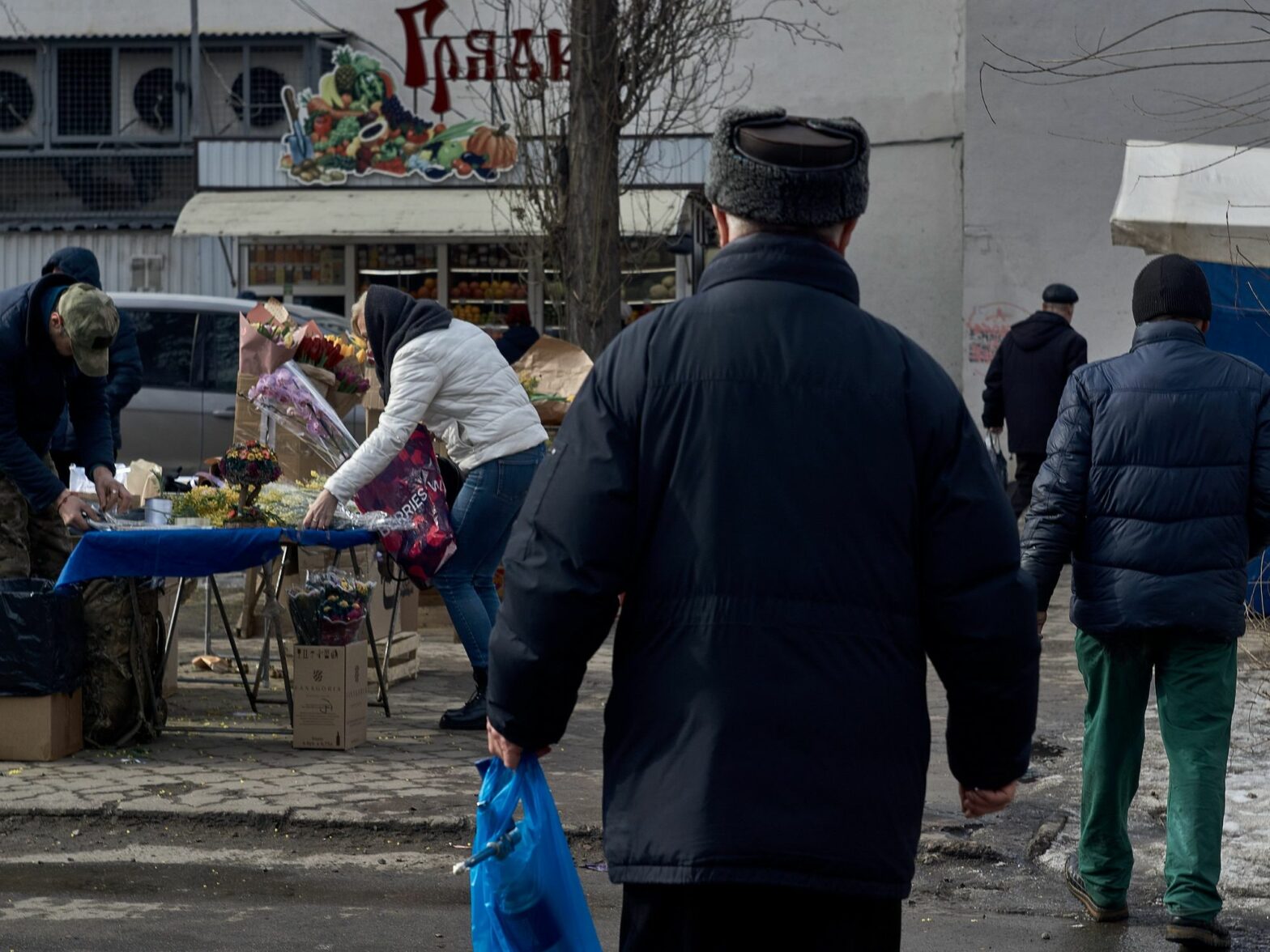
Countries around the world have imposed round after round of sanctions on Russia since the beginning of its full-scale invasion of Ukraine. But are they enough?
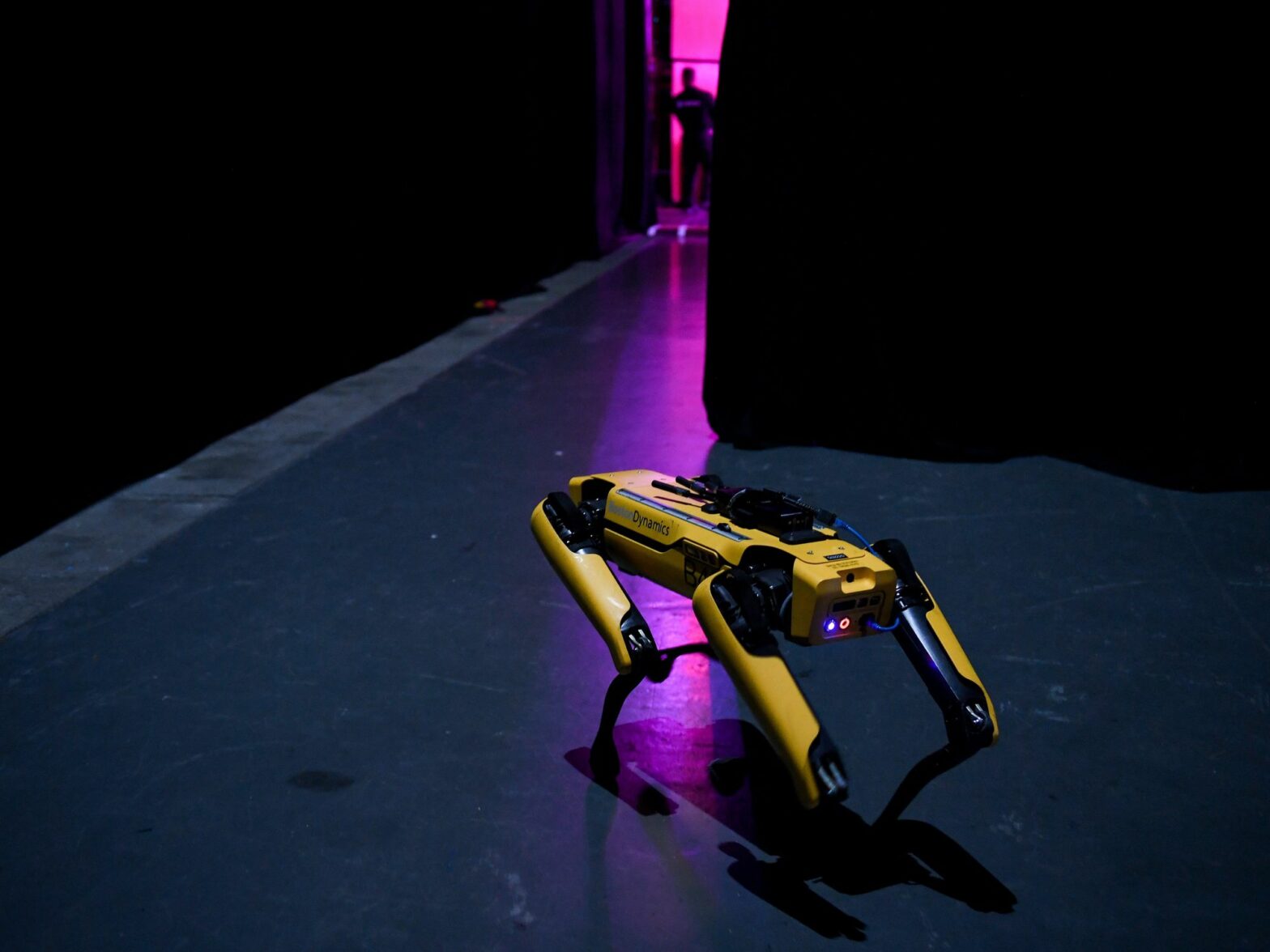
On two or four legs, the robots from this MIT spin-off are among the most advanced in the world. And while their videos have conquered YouTube, their new playground is less spectacular, but just as strategic: logistics warehouses.
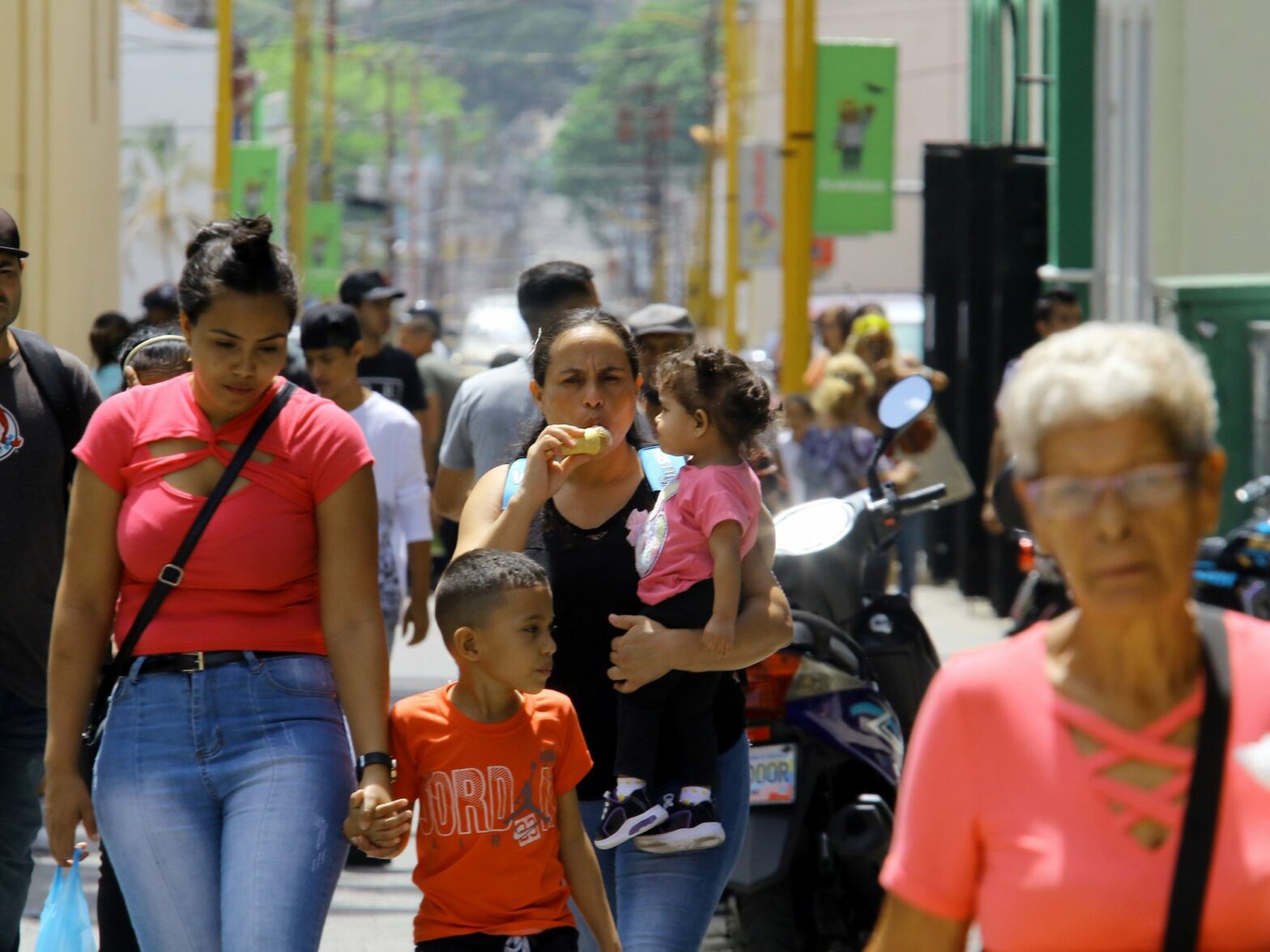
The absence of accurate official statistics in Venezuela is no accident. Rather it is a symptom of the breakdown of the rule of law and hides the regime’s criminal failures.
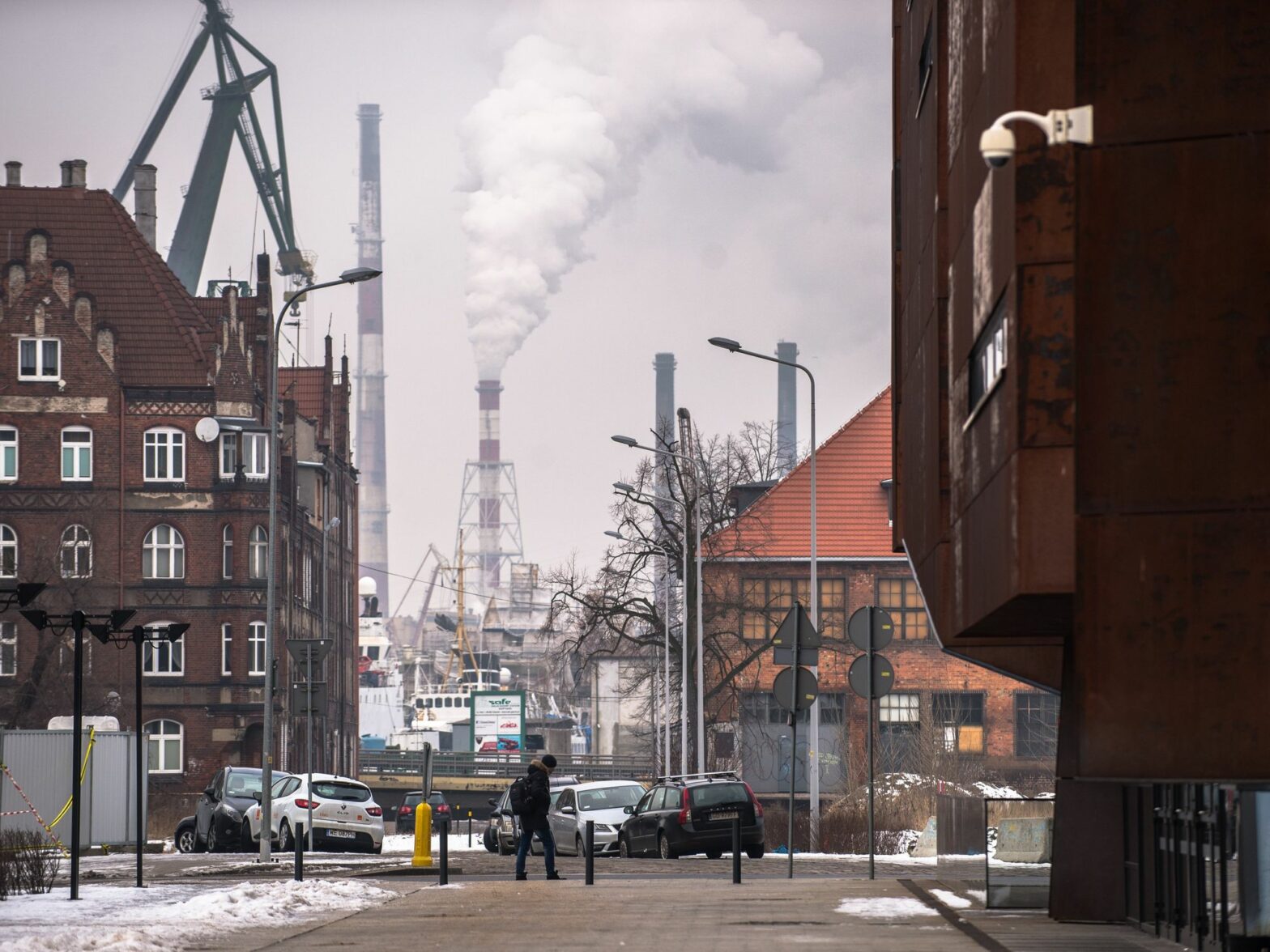
In Gdansk, year-long waits for medical care, empty playgrounds and windows dirtied by smog have caused this Polish coastal city’s residents to deem it “Chernobyl”. But Europe’s most coal-dependent country does not plan to stop importing it anytime soon.
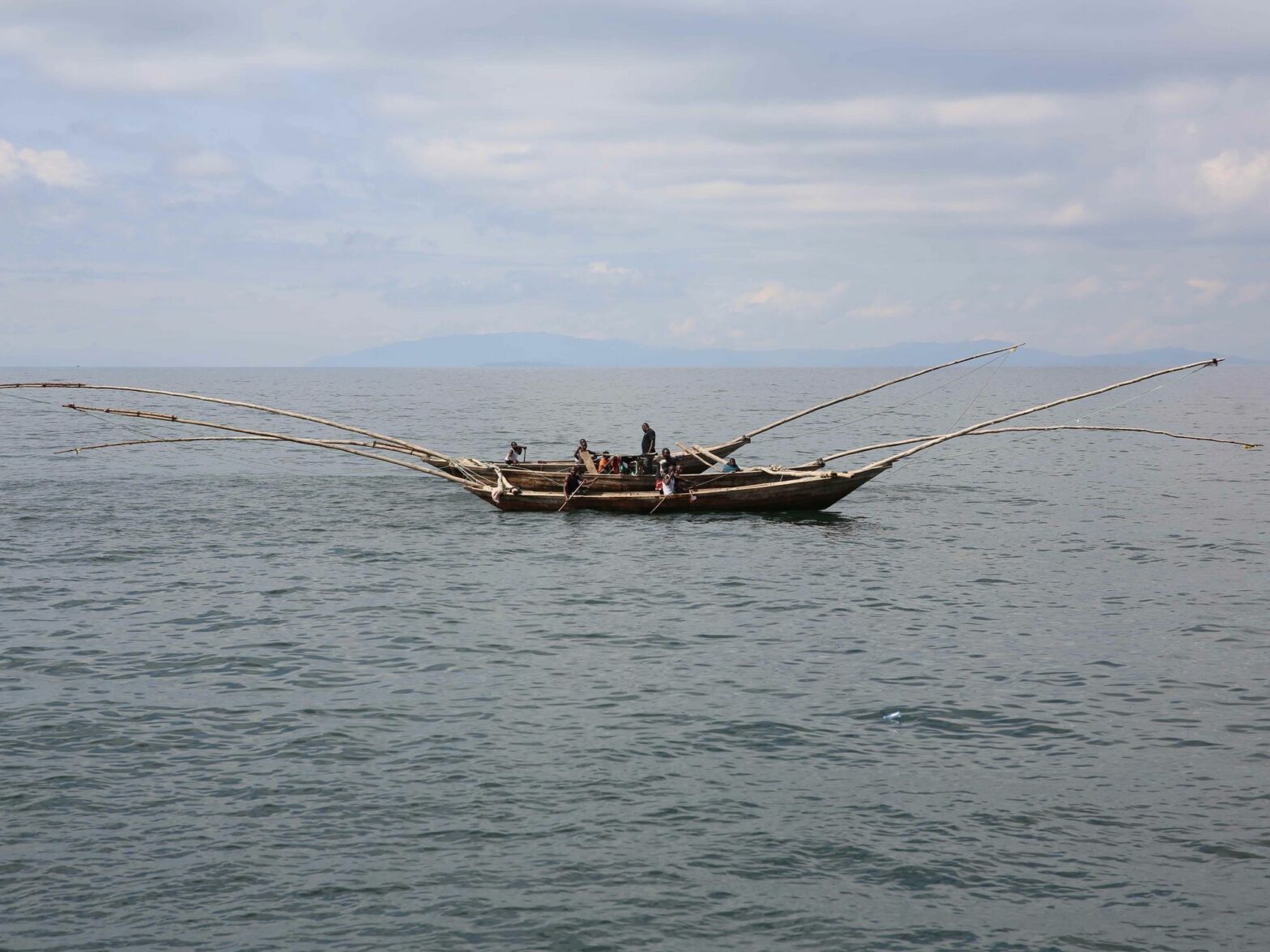
Rwandan fishers dive into the silent waters of one of Africa’s largest lakes. The rhythms are relatively calm, but a lifetime of hard work rarely adds up to much where earning even a euro a day is a long shot.

The Chinese pet market is booming, driven by young city dwellers who are increasingly reluctant to have babies. Care, food, yoga classes, strollers, specialized detectives and pet-cloning are all part of a 35 billion-euro industry.
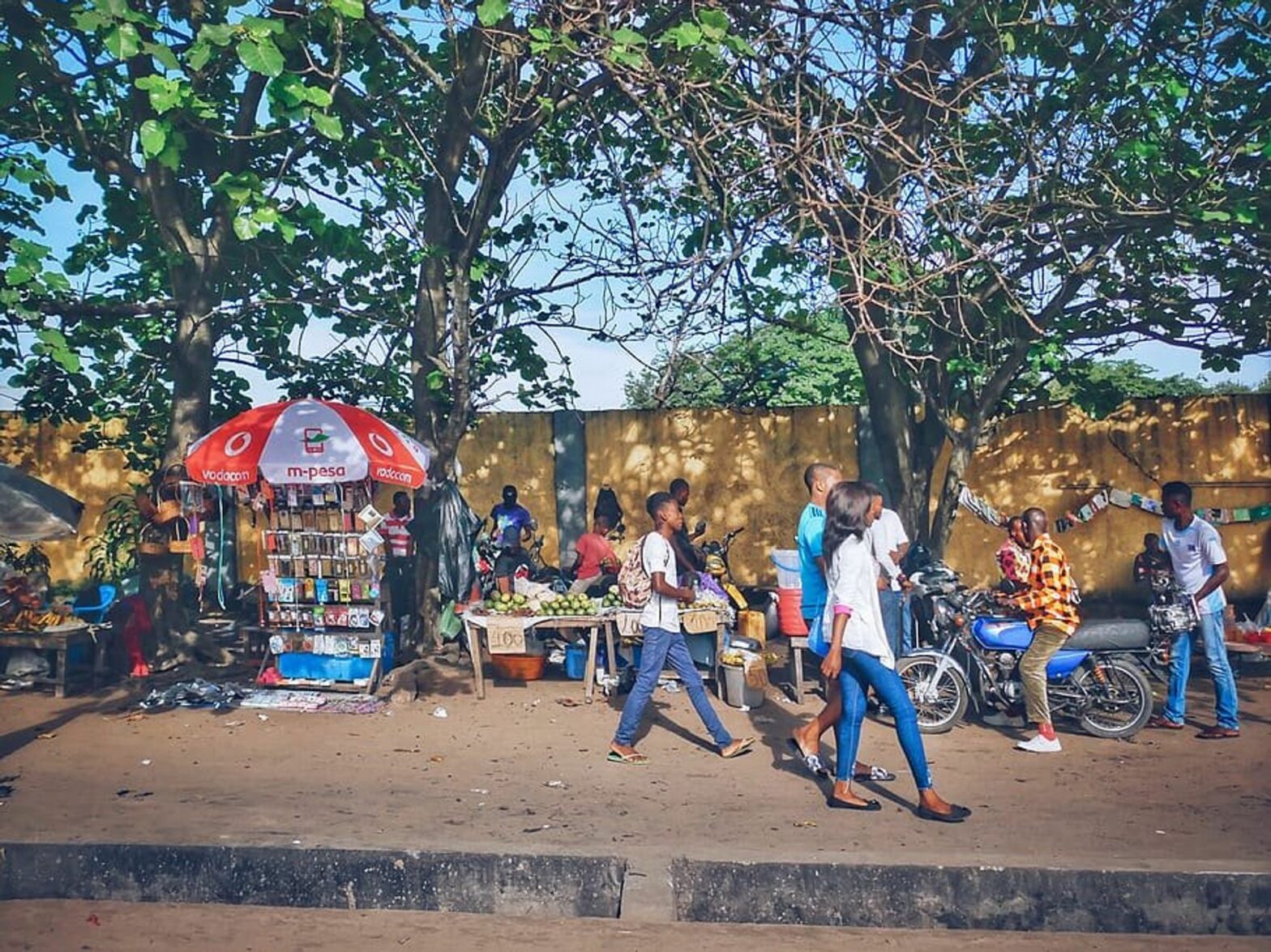
The projections from the United Nations Population Division for African demographics reveal some striking figures. And it’s up to leaders to turn it into economic growth and social vitality.
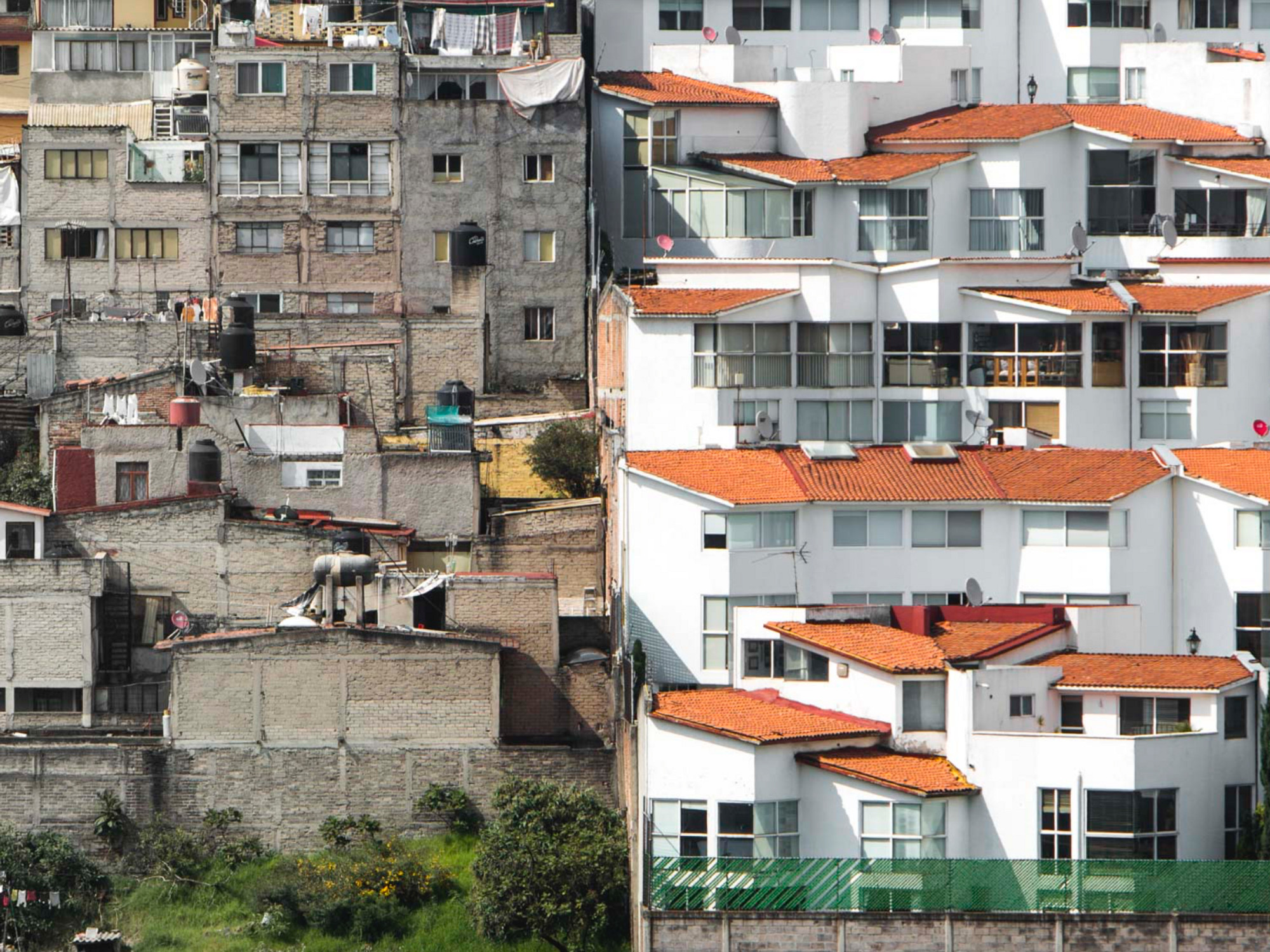
Gentrification is affecting many Latin American cities. As residents push back, there are worries that existing residents and cultures alike will be erased.
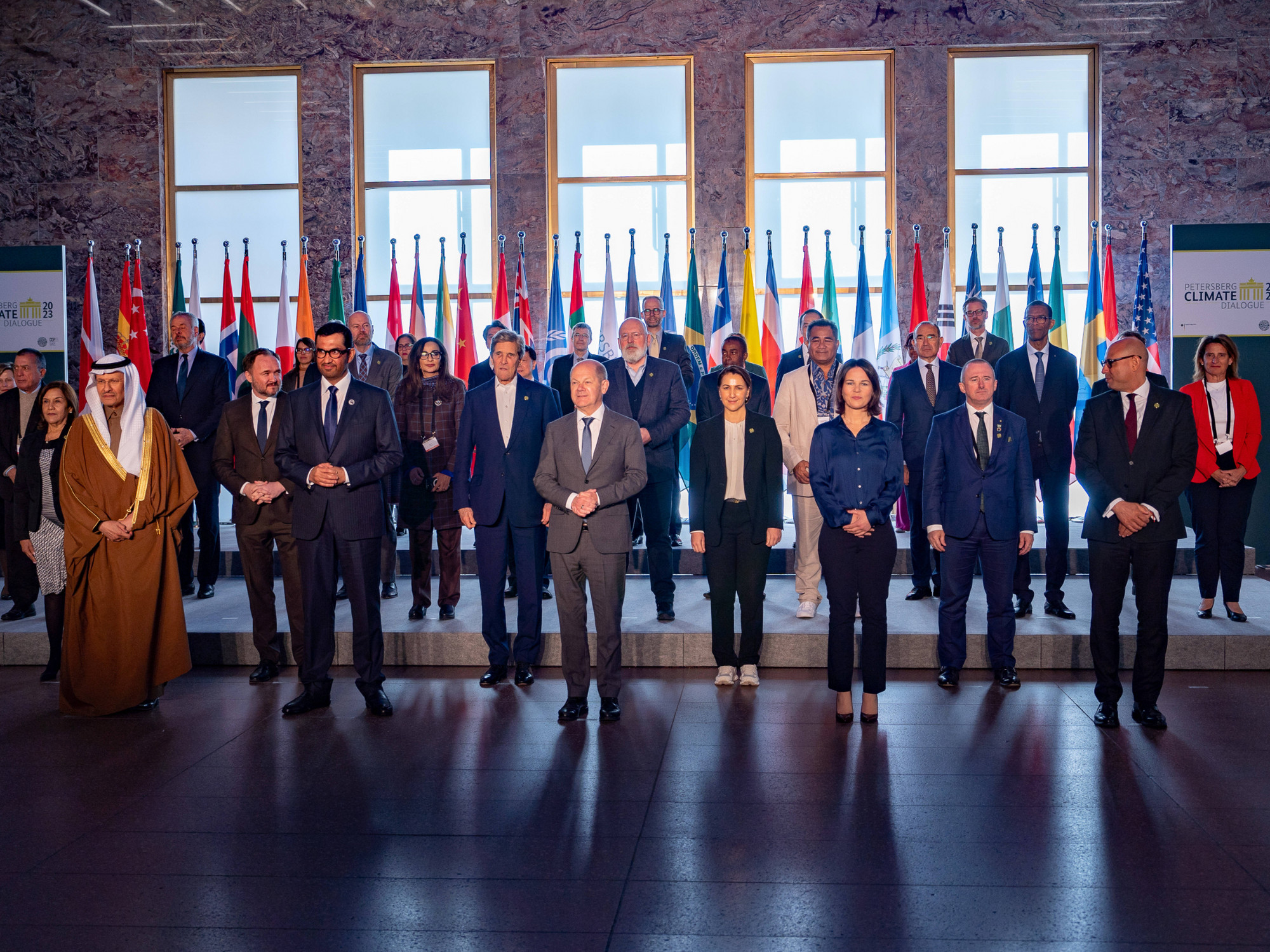
Even with months to go before the next COP, debate rages over who will chair it. Is it a miscalculation or a masterstroke to bring the head of an oil company to the table?

Saudi Arabia suddenly now leads the world in golf, continues to attract top European soccer stars, and invests in culture and entertainment… Its “soft power” strategy is changing the kingdom’s image through what critics bash as blatant “sportwashing.”
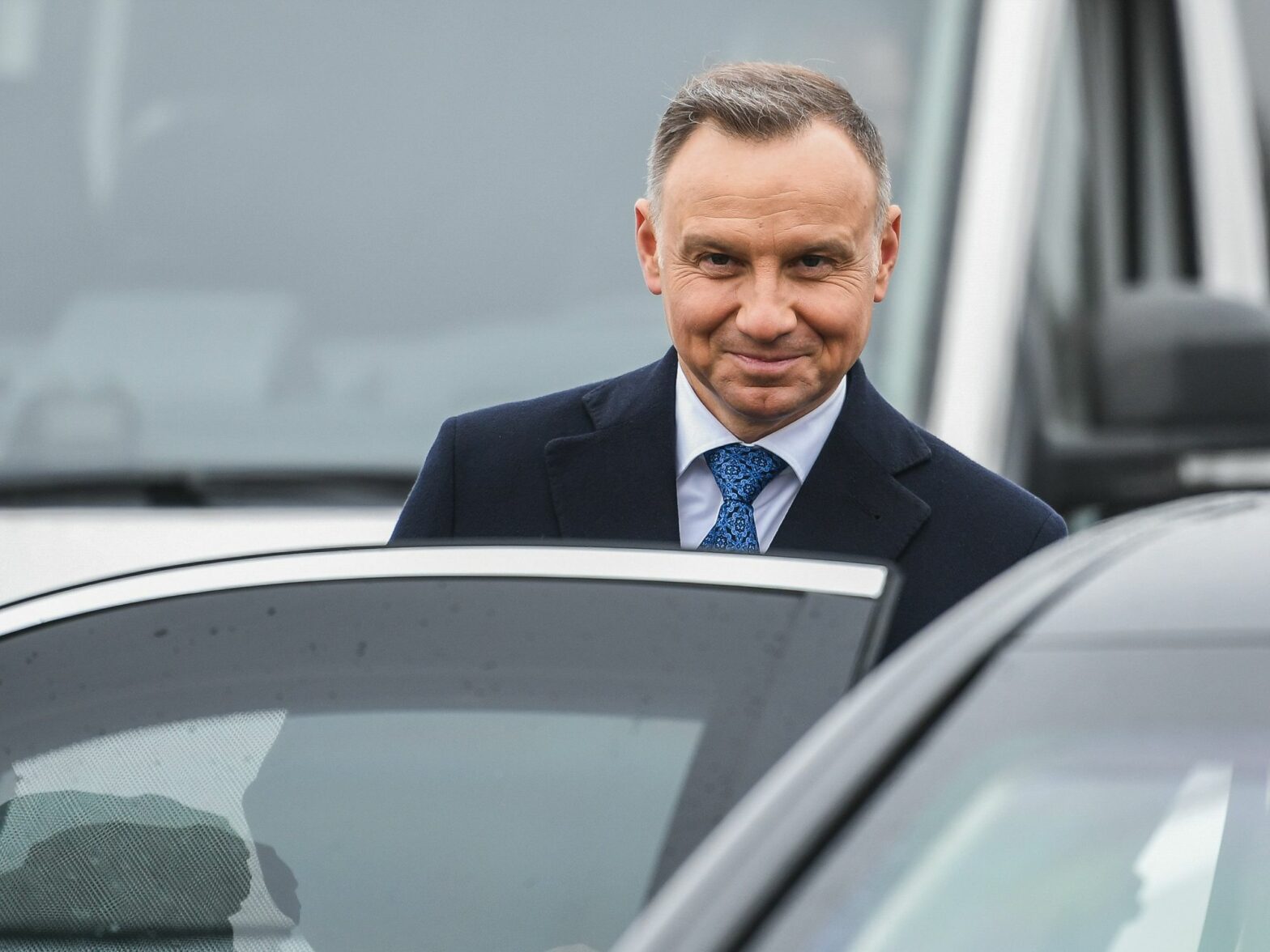
Since creating a controversial commission against “Russian influence”, Polish President Andrzej Duda has faced criticism from the United States and the European Union. Duda has since offered to make several changes to the law, but several experts in Brussels remain unconvinced that the law will not become a witch hunt ahead of the upcoming elections.

Algeria faces a real risk or going bankrupt by 2029. How did it come to this, in one of the world’s leading hydrocarbon producers?
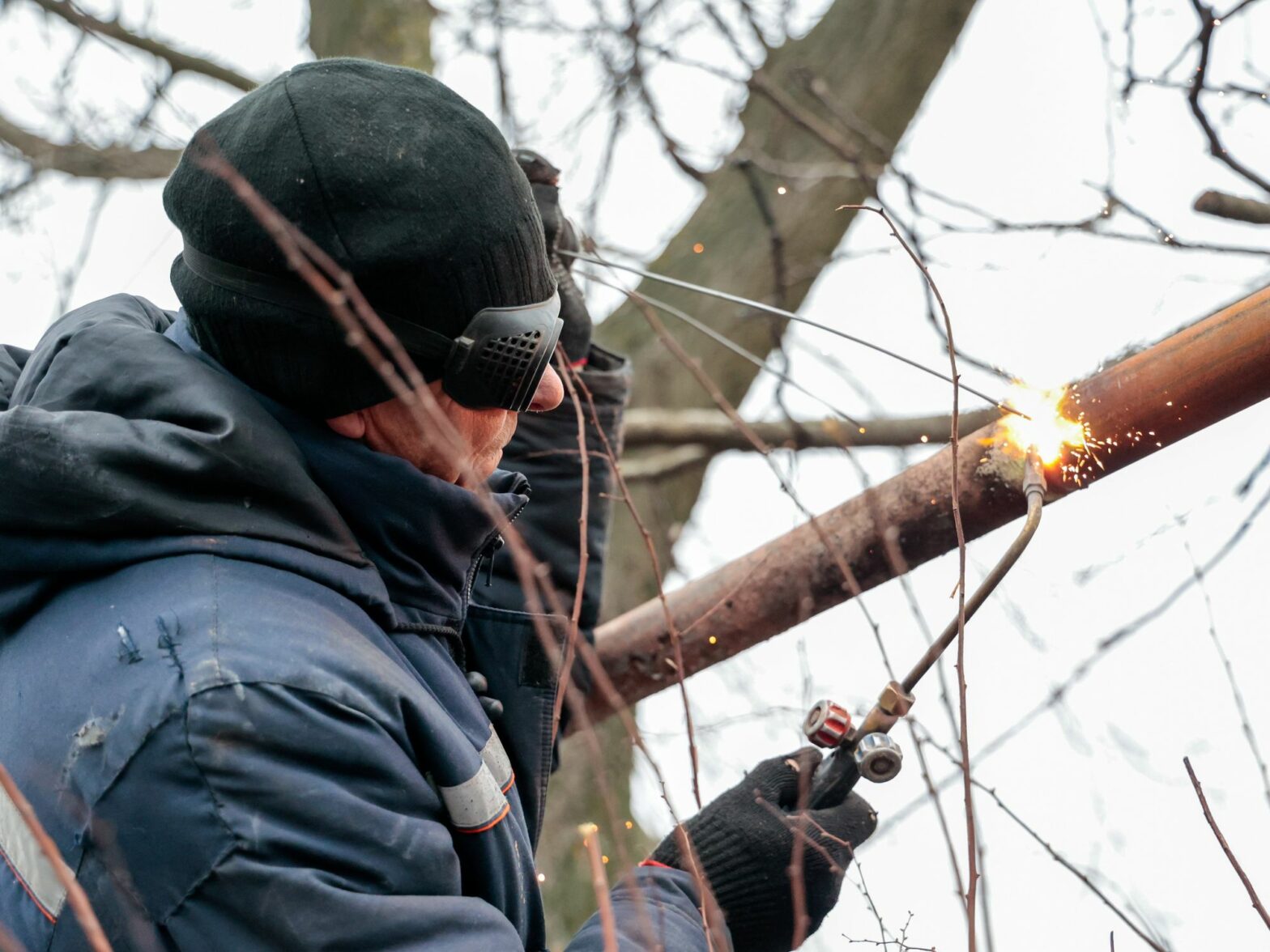
The West is deceiving itself if it hopes for a quick end to the Ukraine war. Above all, it must consistently implement an energy transition — otherwise, it will remain at Putin’s mercy, writes prominent Kremlin critic Mikhail Khodorkovsky, in German daily Die Welt.
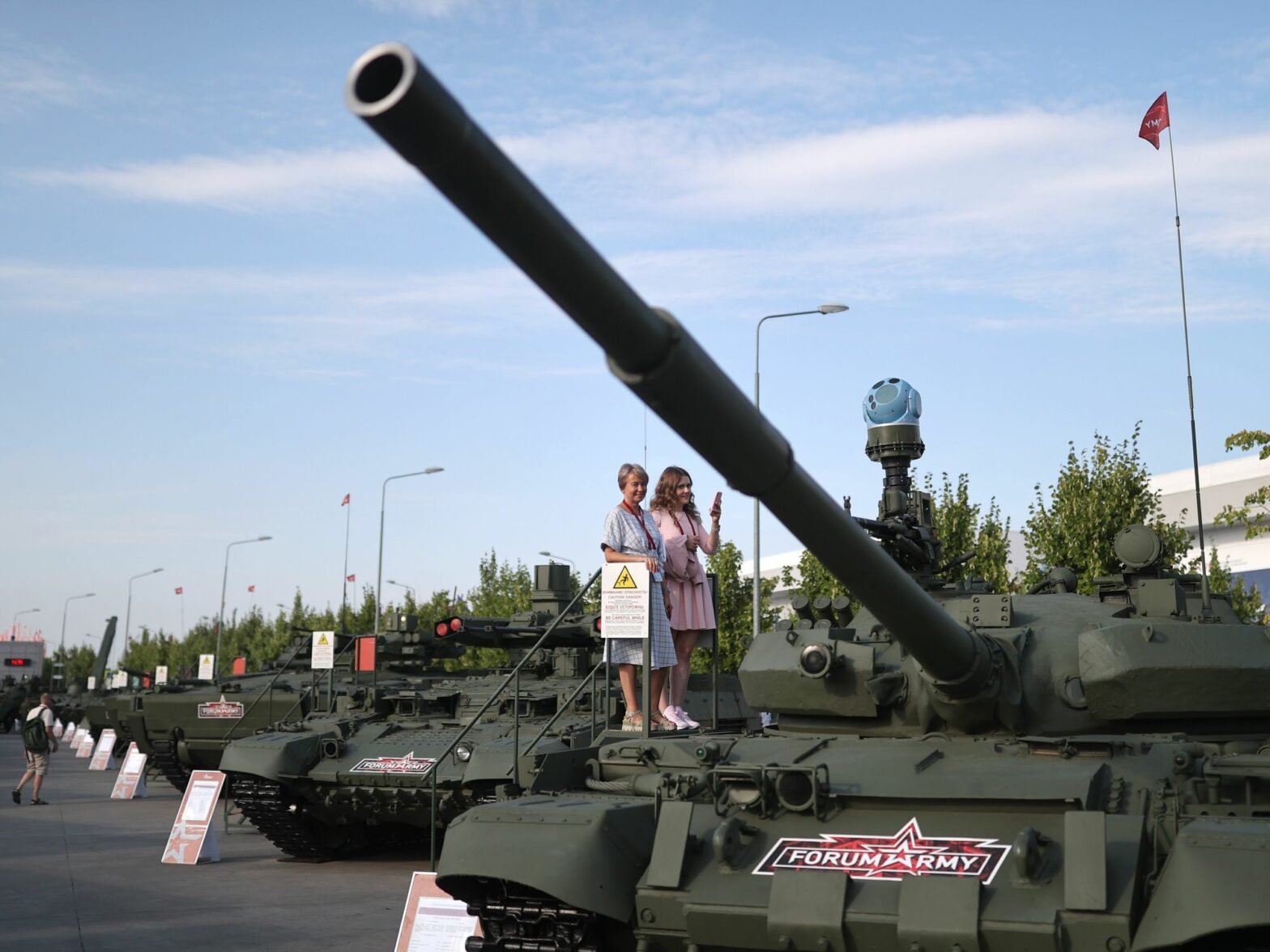
The continuing heavy shelling of Kyiv and other Ukrainian cities shows that Russia still has more missiles than Ukrainians would have hoped. The look through the web of Kremlin diktats and murky international commerce that keeps the Russian military churning out hardware that drives the war in Ukraine
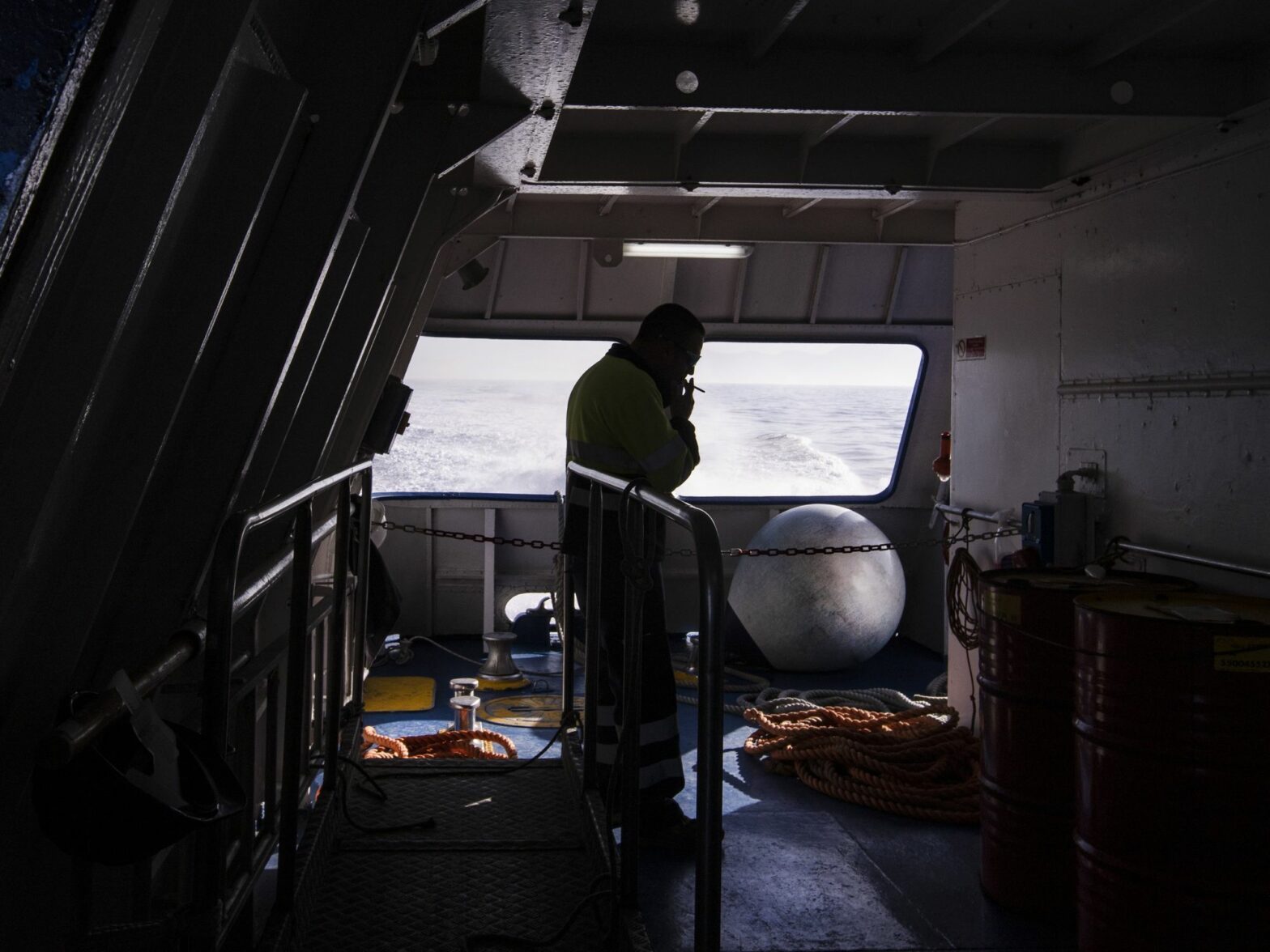
Many seafarers are hired and fired every seven months. Some keep up this lifestyle for 40 years while sailing the world. Some of those who’d recently docked in the Italian port city of Genoa, share a taste of their travels that are connected to a long history of a seafaring life.
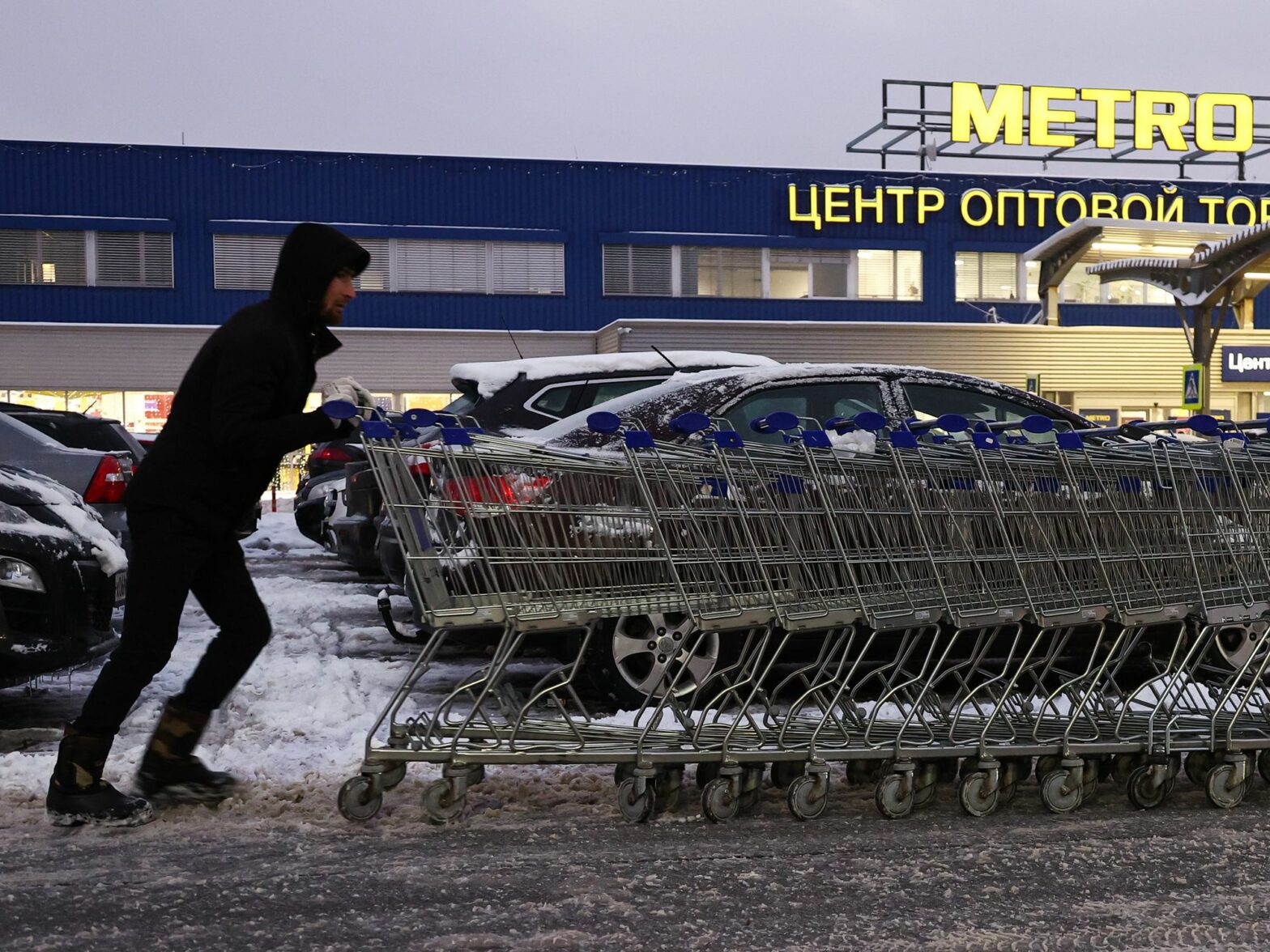
Ukraine has compiled a blacklist of companies it says are “sponsoring” war by still doing business with Russia. The list is causing a stir within the European Union, which is currently working on its 11th round of sanctions.
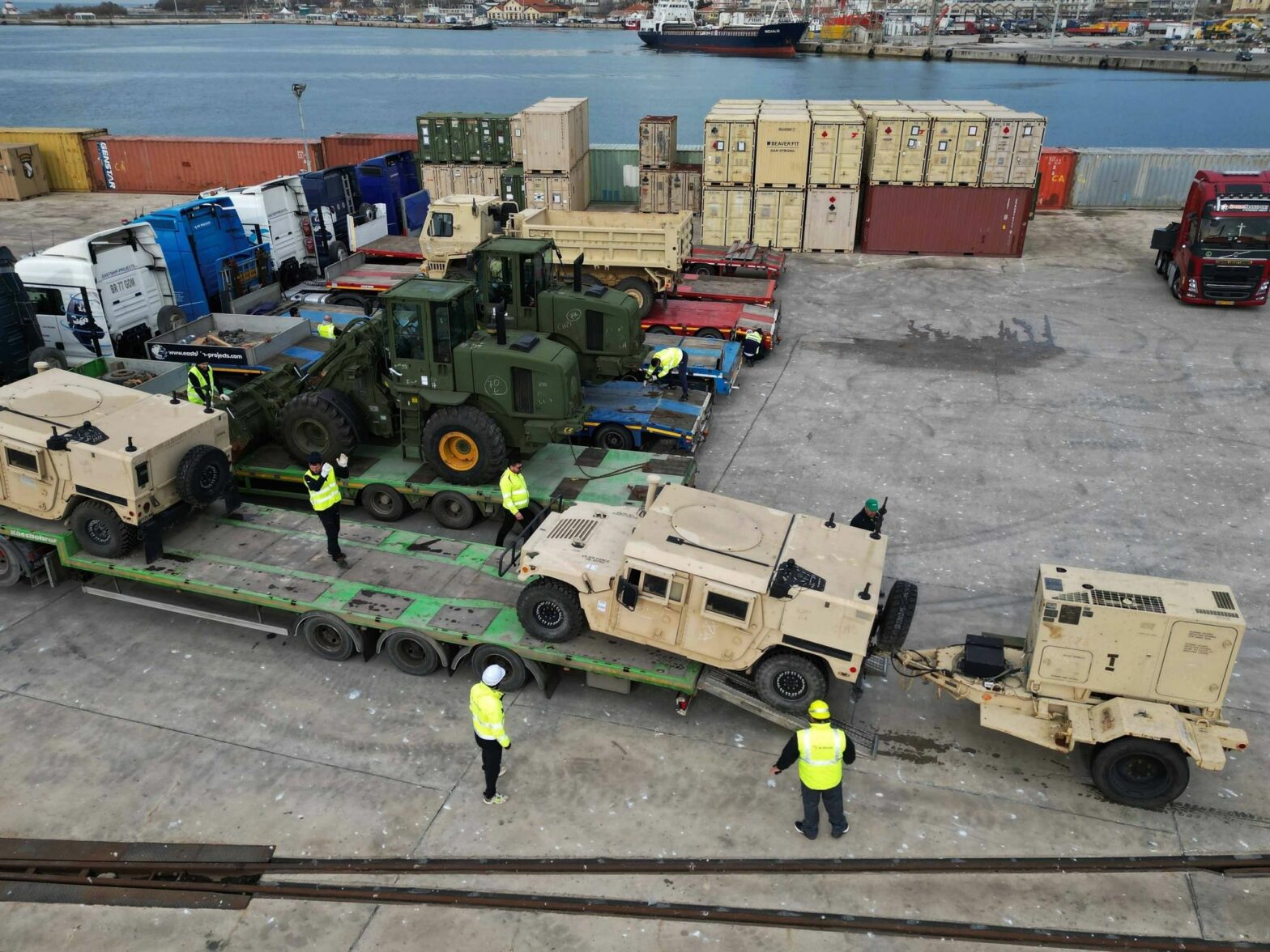
Once neglected, this small port in Thrace, northeastern Greece, has become a strategic hub for transporting men and arms to the shores of the Black Sea. Propelled by ambitious infrastructure and gas projects, the region dreams of becoming an alternative to the Bosphorus strait.
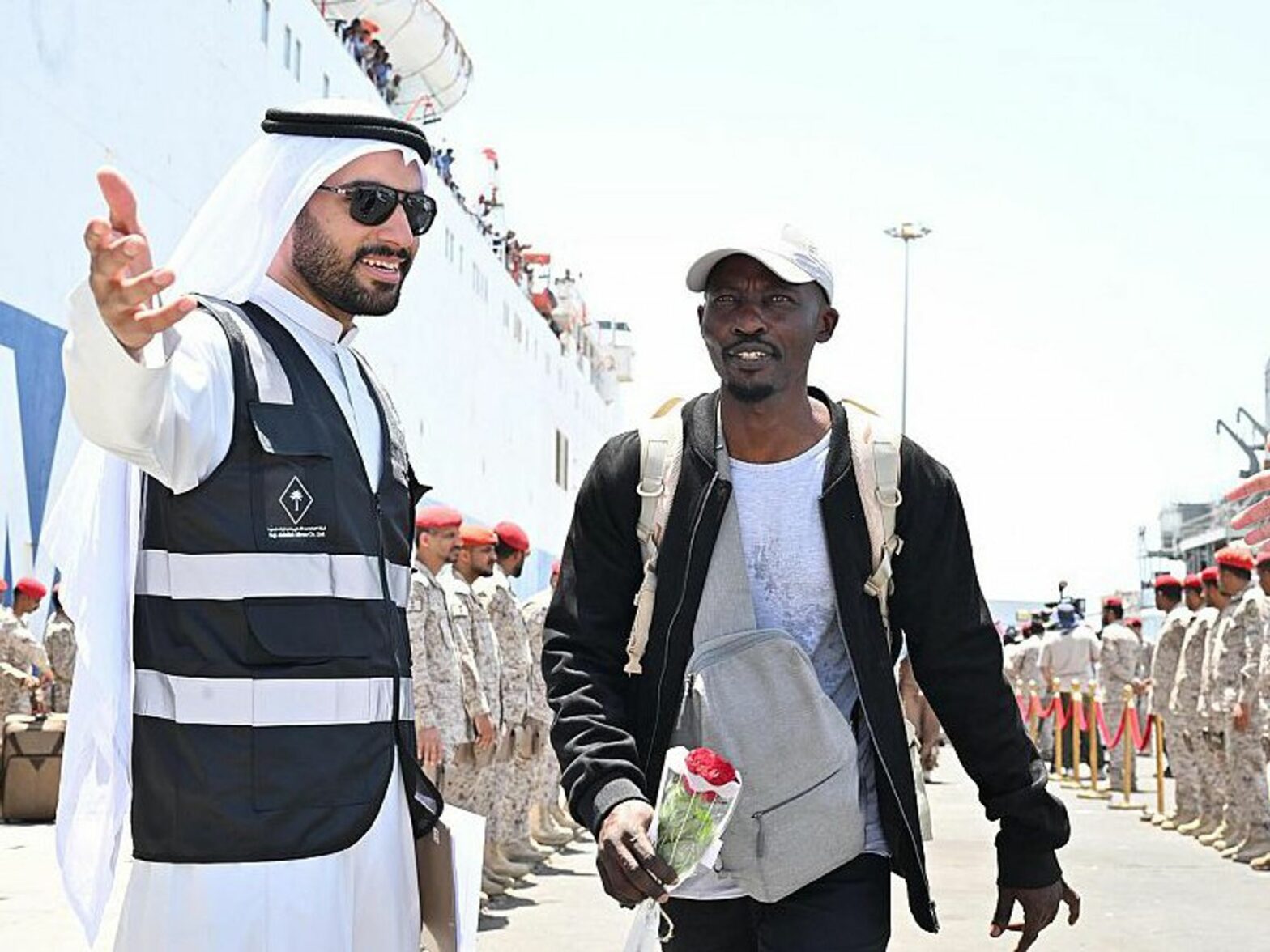
Located on the shore of the Red Sea, rich in natural resources, Sudan is strategically important to the Arab states of the Persian Gulf. Worried about a conflict that is getting bogged down, Arab capitals are mobilizing behind the scenes, with initial “pre-negotiation” talks beginning Saturday in the Saudi port city of Jeddah.
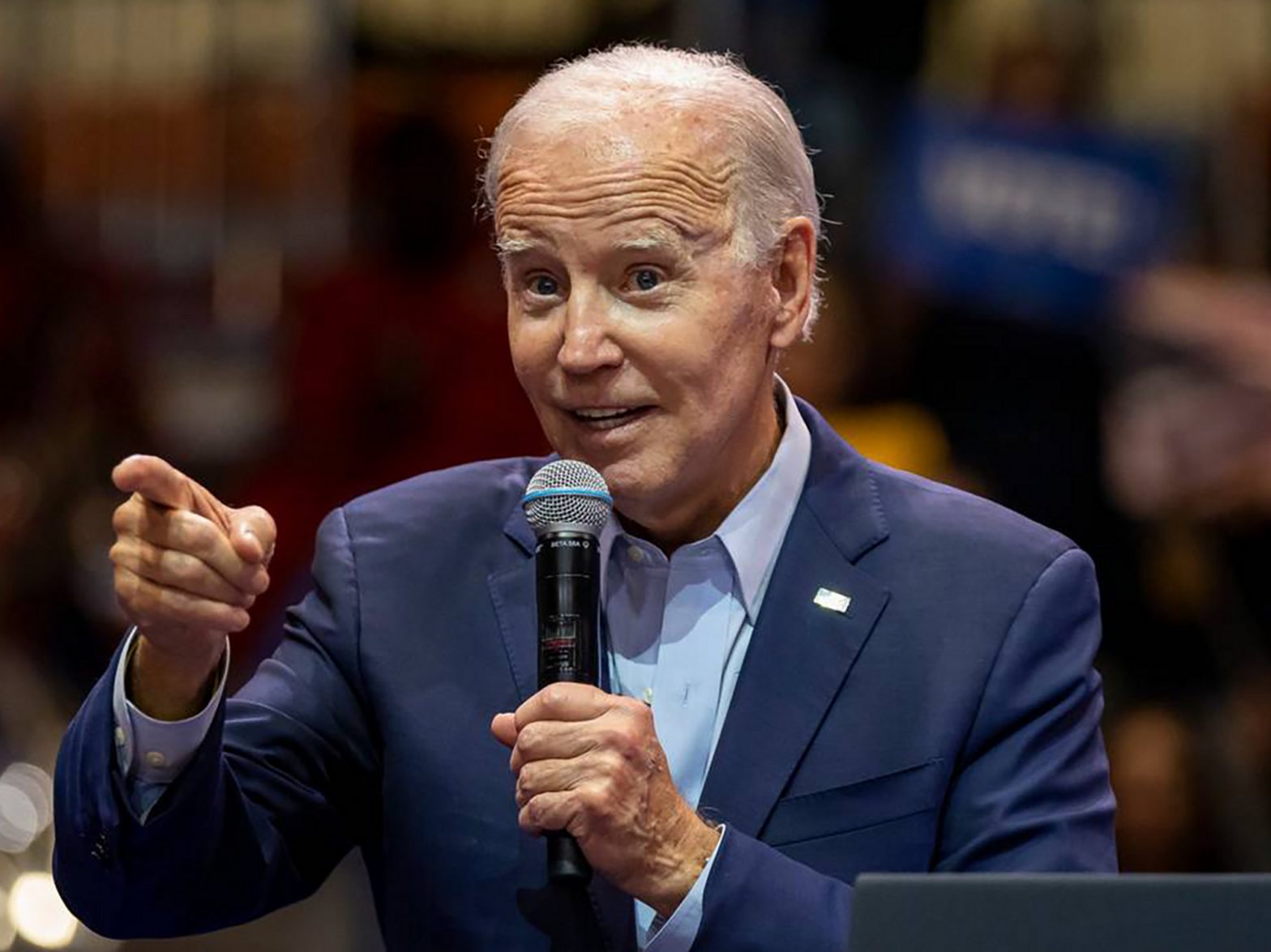
Subsidies to green industries and the promotion of “quality” jobs: Joe Biden’s economic policy is driven by an American form of “productivism,” which French business daily Les Echos says has allowed the country to regain the upper hand in both economics and politics.
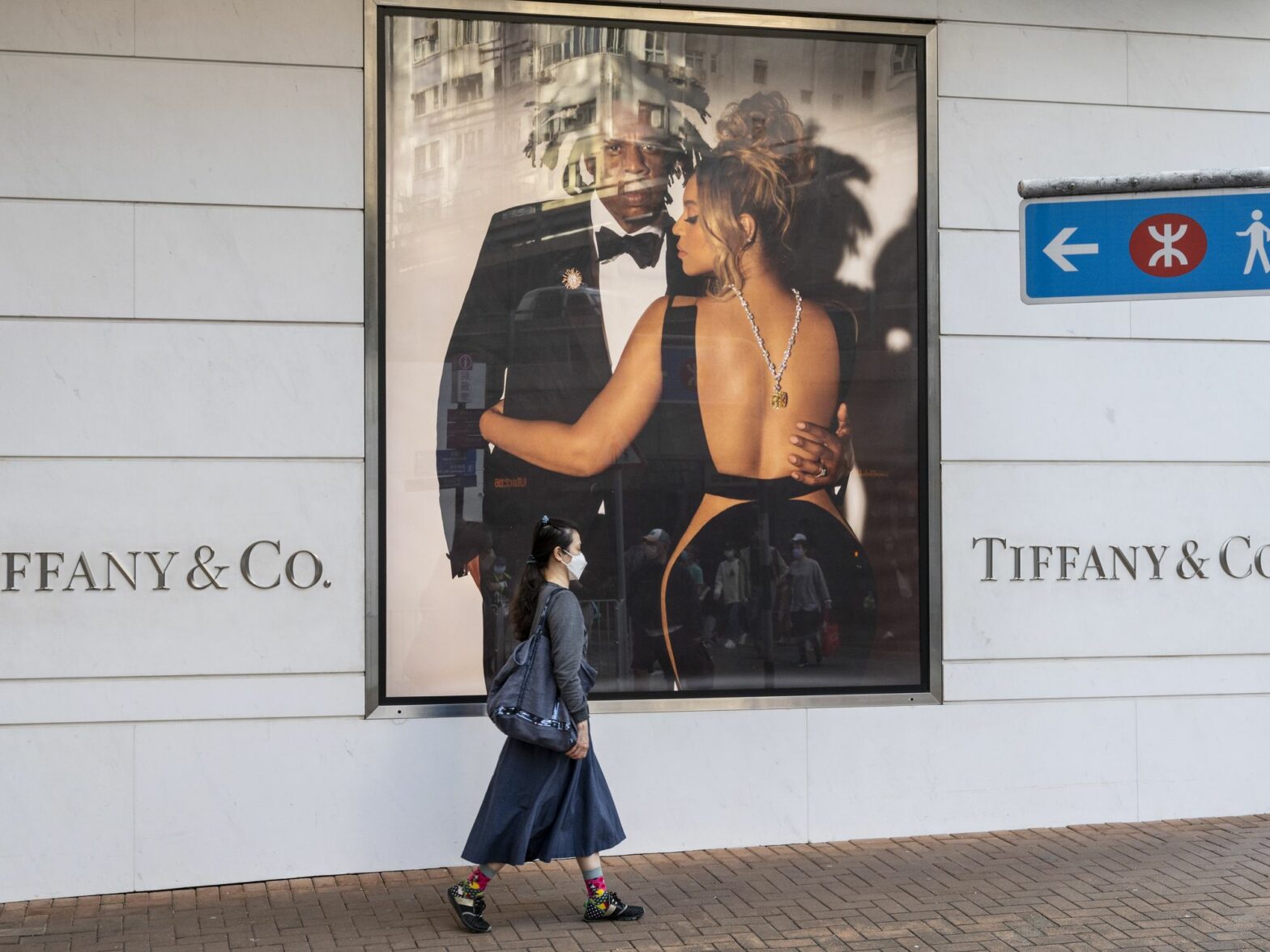
The West and its brand of modernity may be waning in favor of an ascendant China, but is it offering anything besides replacing market forces with brute force.
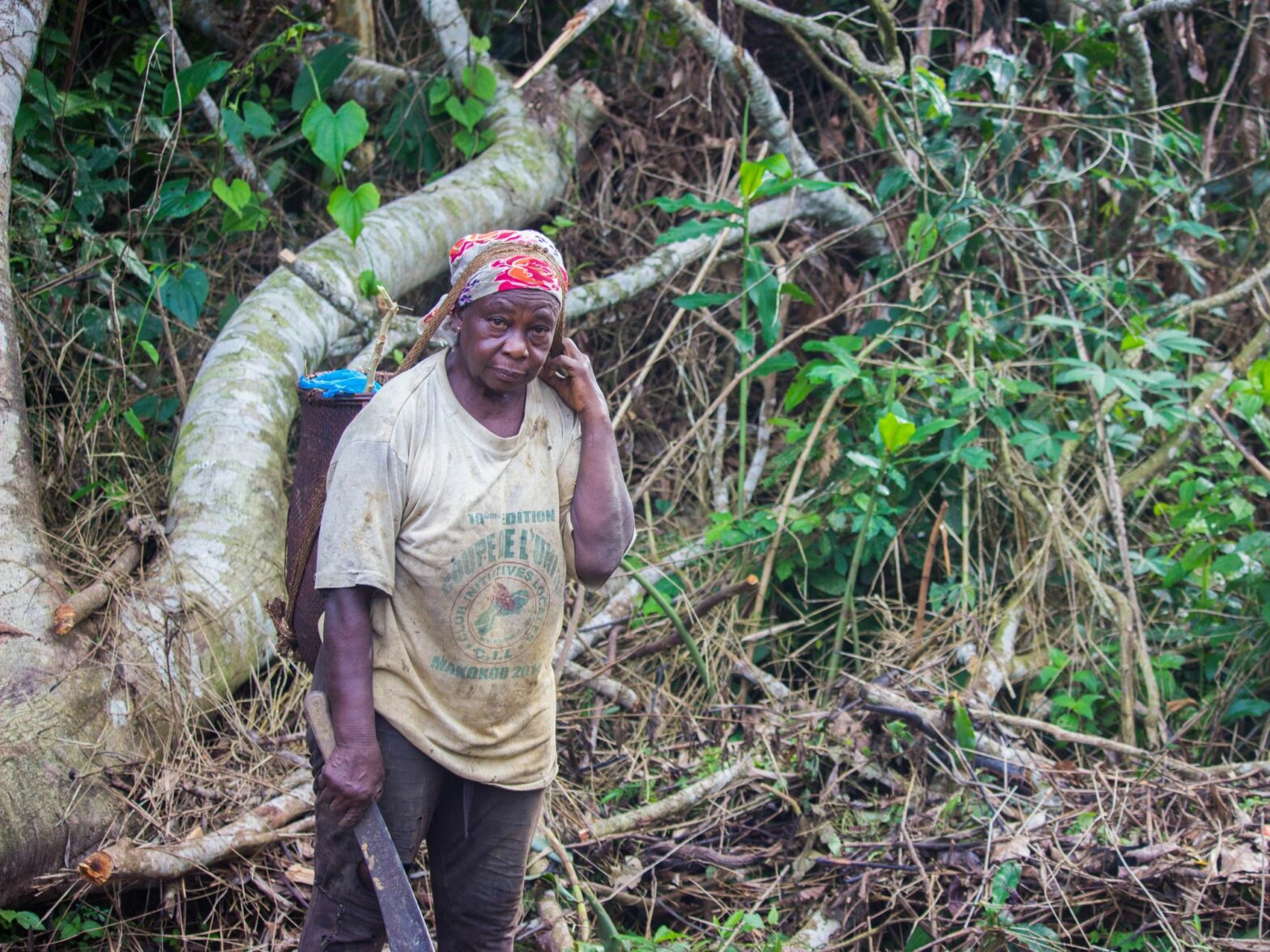
The country’s “Green Gabon” sustainable development policy has proven a success. The question now is: How can Gabon reap the financial rewards of its preservation efforts?
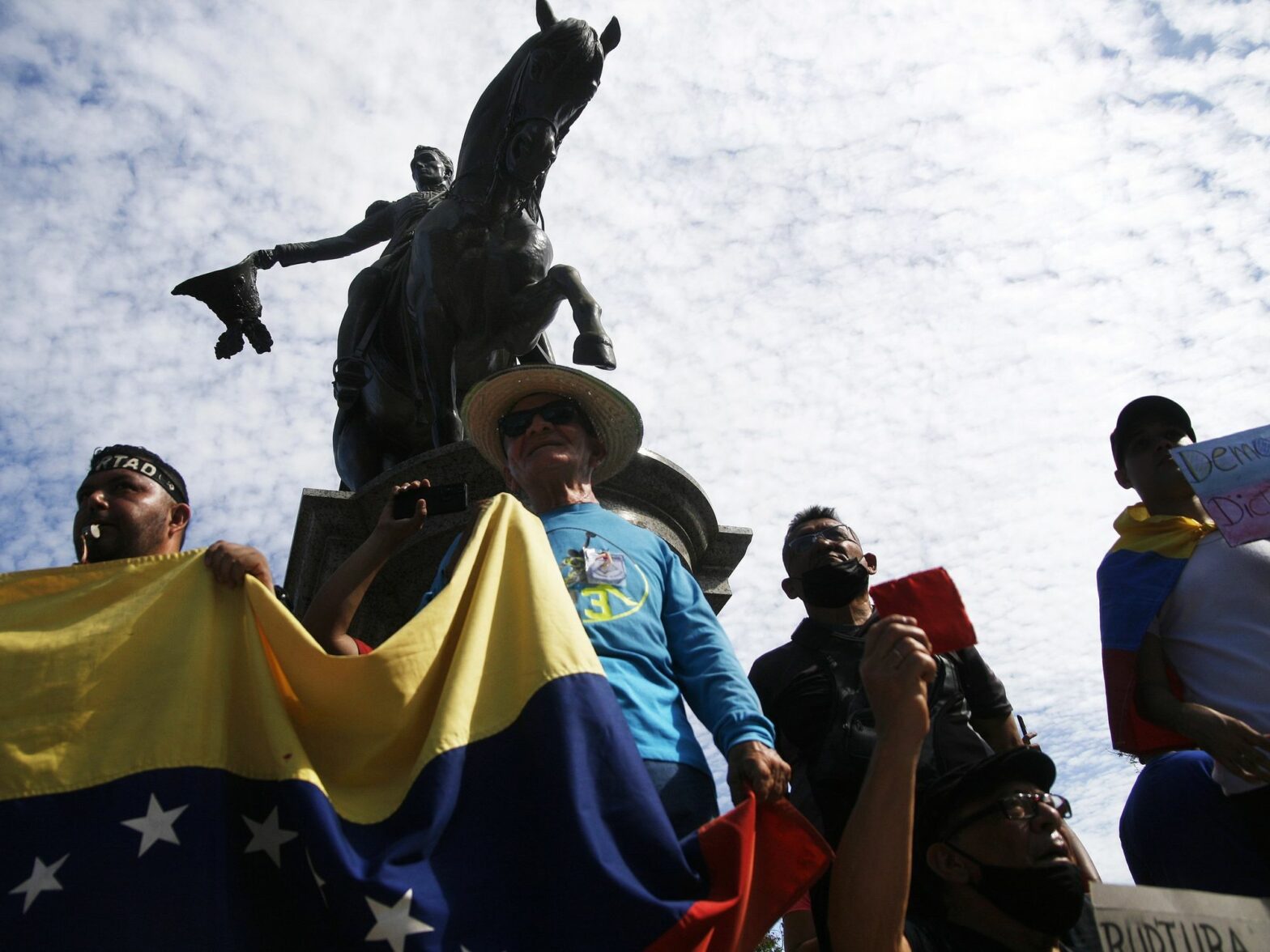
Like fears of communist subversion during the Cold War, claims that the Left will destroy the economy and end freedom persist in Latin American elections, in spite of their ridiculousness.