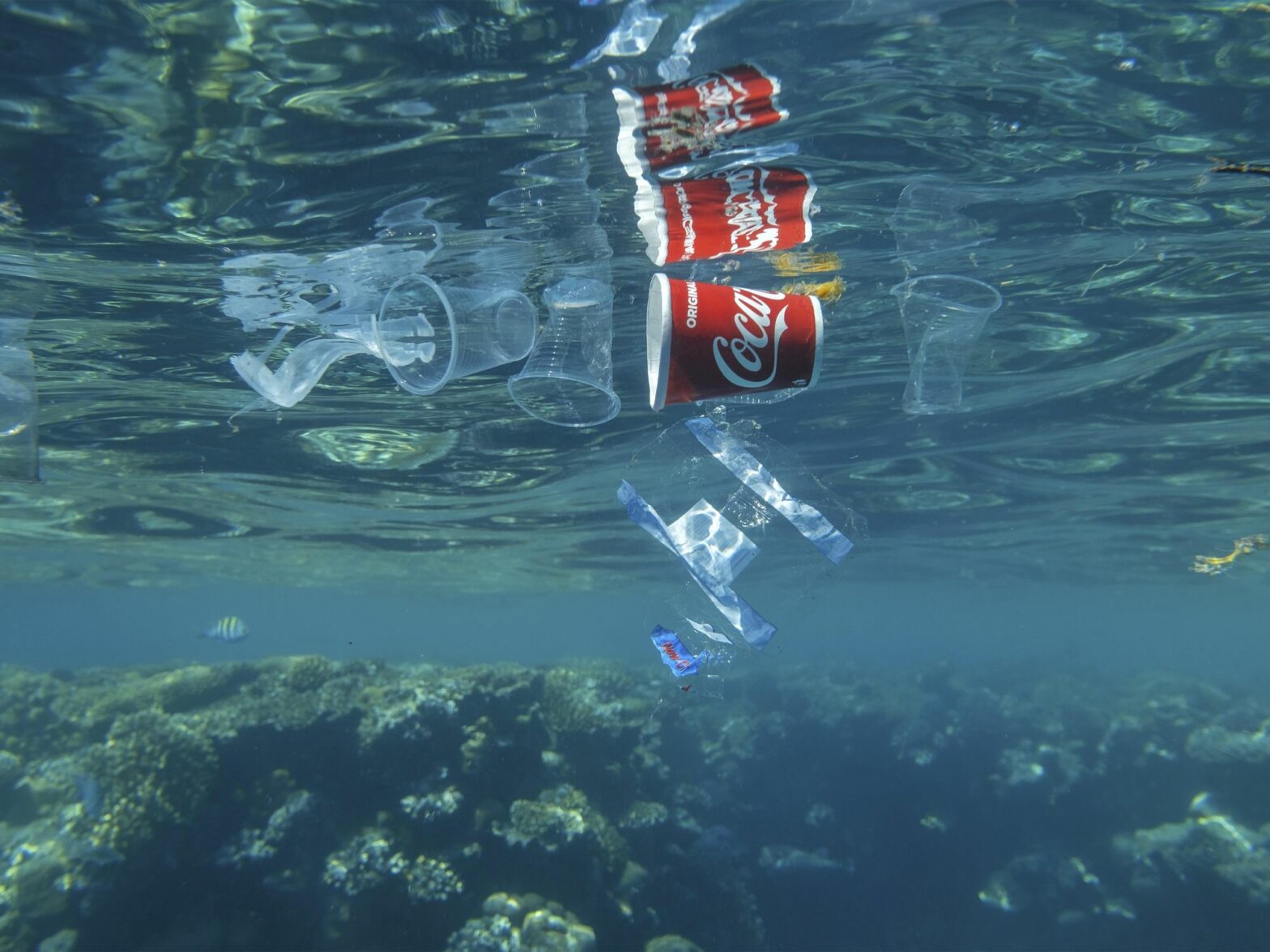
The Egyptian coastal resort has been reinvented (again) to host world leaders for the COP27, as it aims to cast a climate-financing-hungry Egypt in a favorable light. But the cosmetic changes hide years of harm to the region’s ecosystem.
 Worldcrunch
The Egyptian coastal resort has been reinvented (again) to host world leaders for the COP27, as it aims to cast a climate-financing-hungry Egypt in a favorable light. But the cosmetic changes hide years of harm to the region’s ecosystem.

A French politician recently made the case for the “right to laziness”. In the era of the “great resignation” or “quiet quitting”, the idea is not as far-fetched as it sounds. After all, history shows us that work is a very recent human passion.
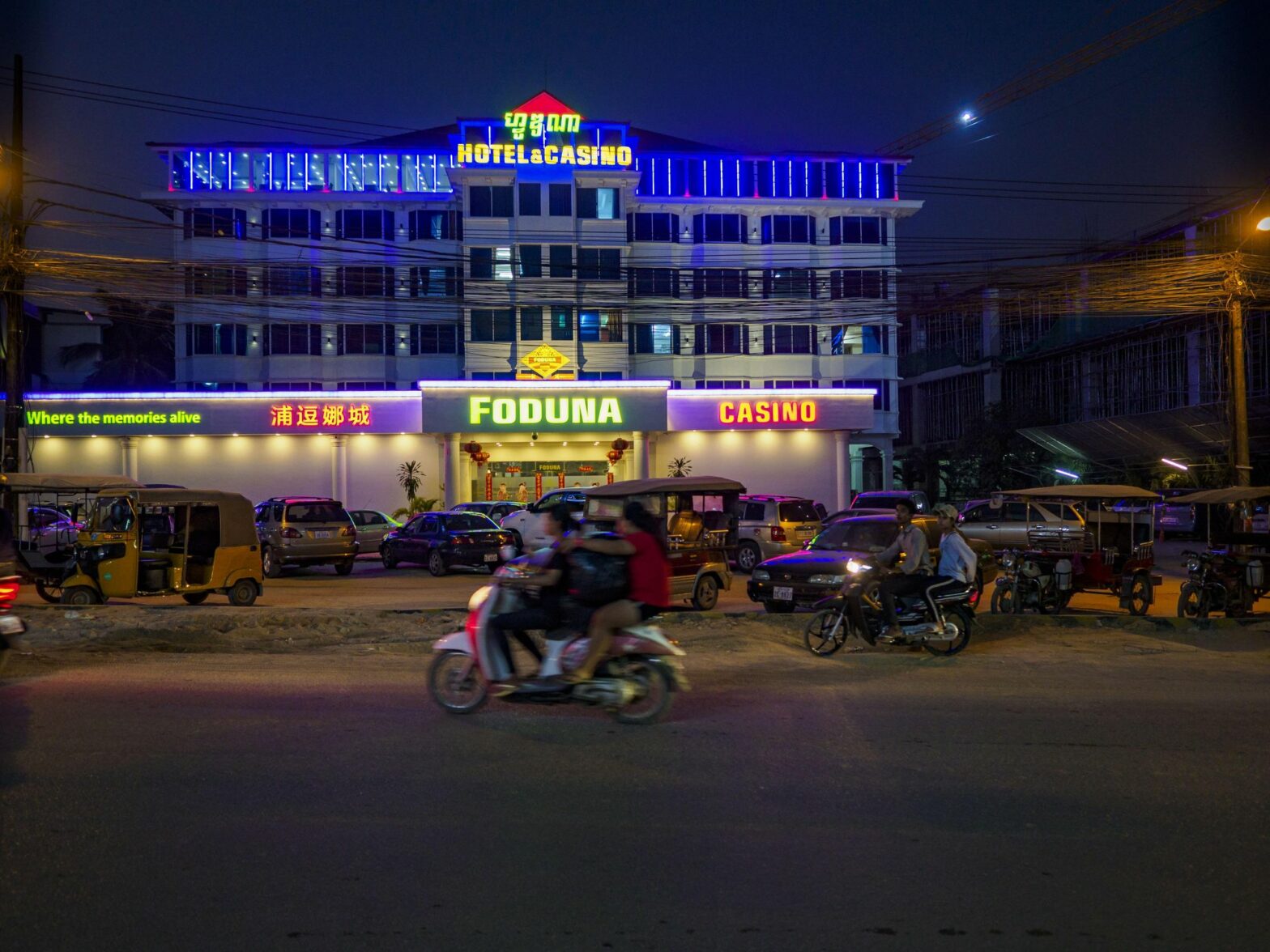
When China cracked down on cyber crime, many involved in the industry moved to Cambodia. The Southeast Asian country has since become synonymous with online scams and forced labor. But the Cambodian government isn’t just turning a blind eye — it is actively benefiting.
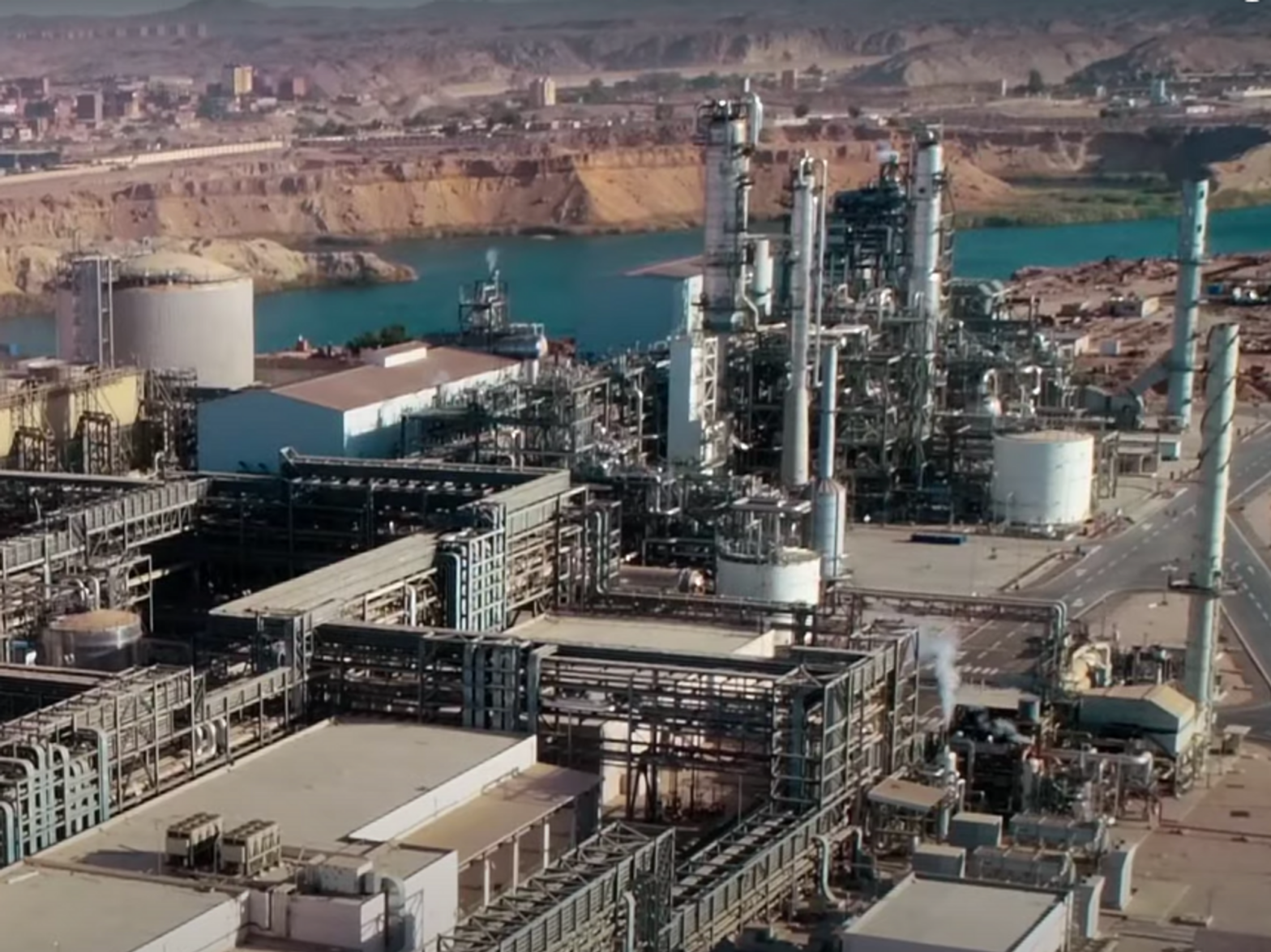
As the Mediterranean region awakens to the potential of green hydrogen as a clean alternative, Egypt is still hesitant to invest heavily in the sector. For good reason?
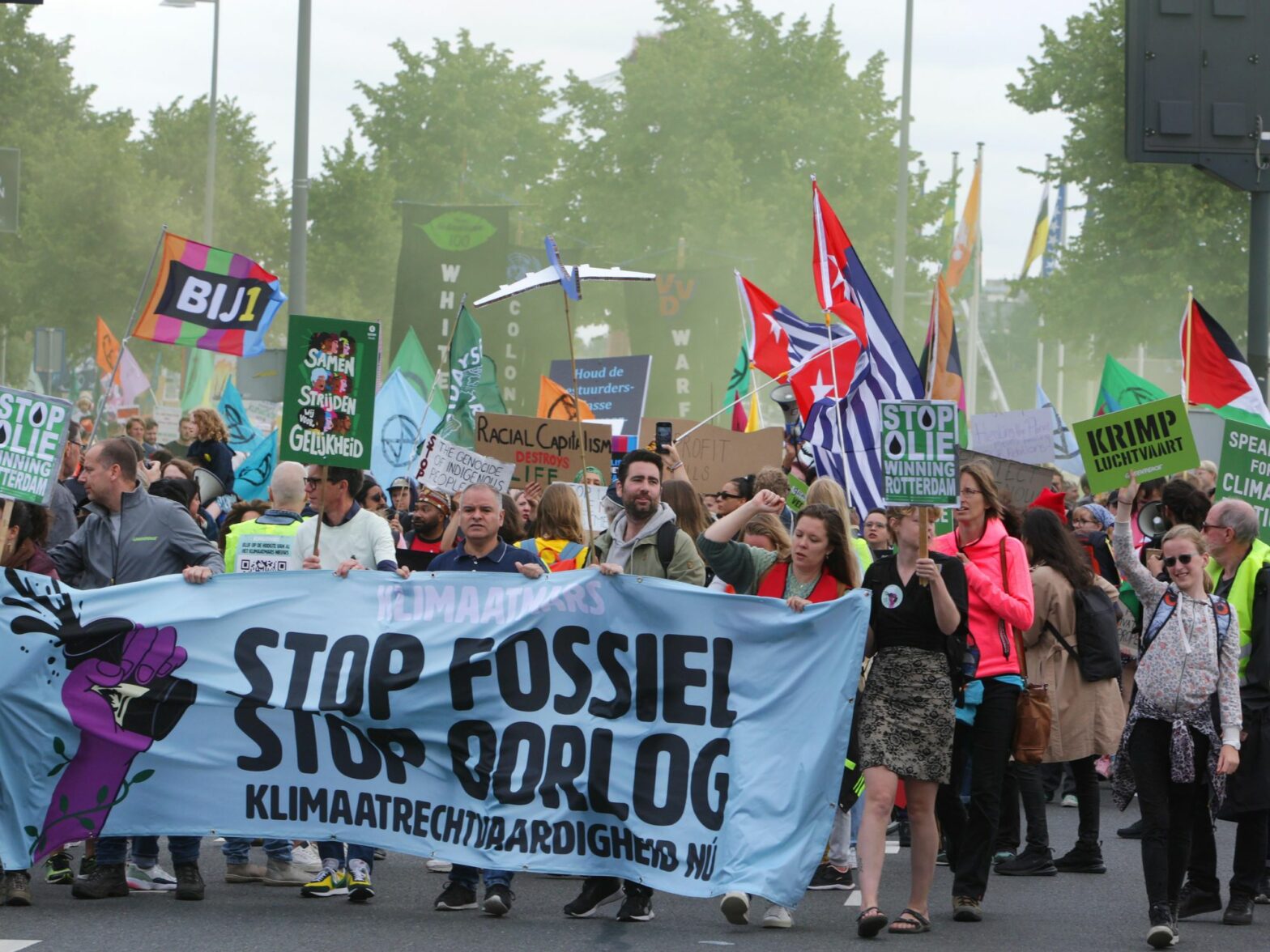
The little-known Energy Charter Treaty protects oil and gas firms from regulation that harms their interests. The Dutch government has pulled out, and now the rest of Europe may follow.
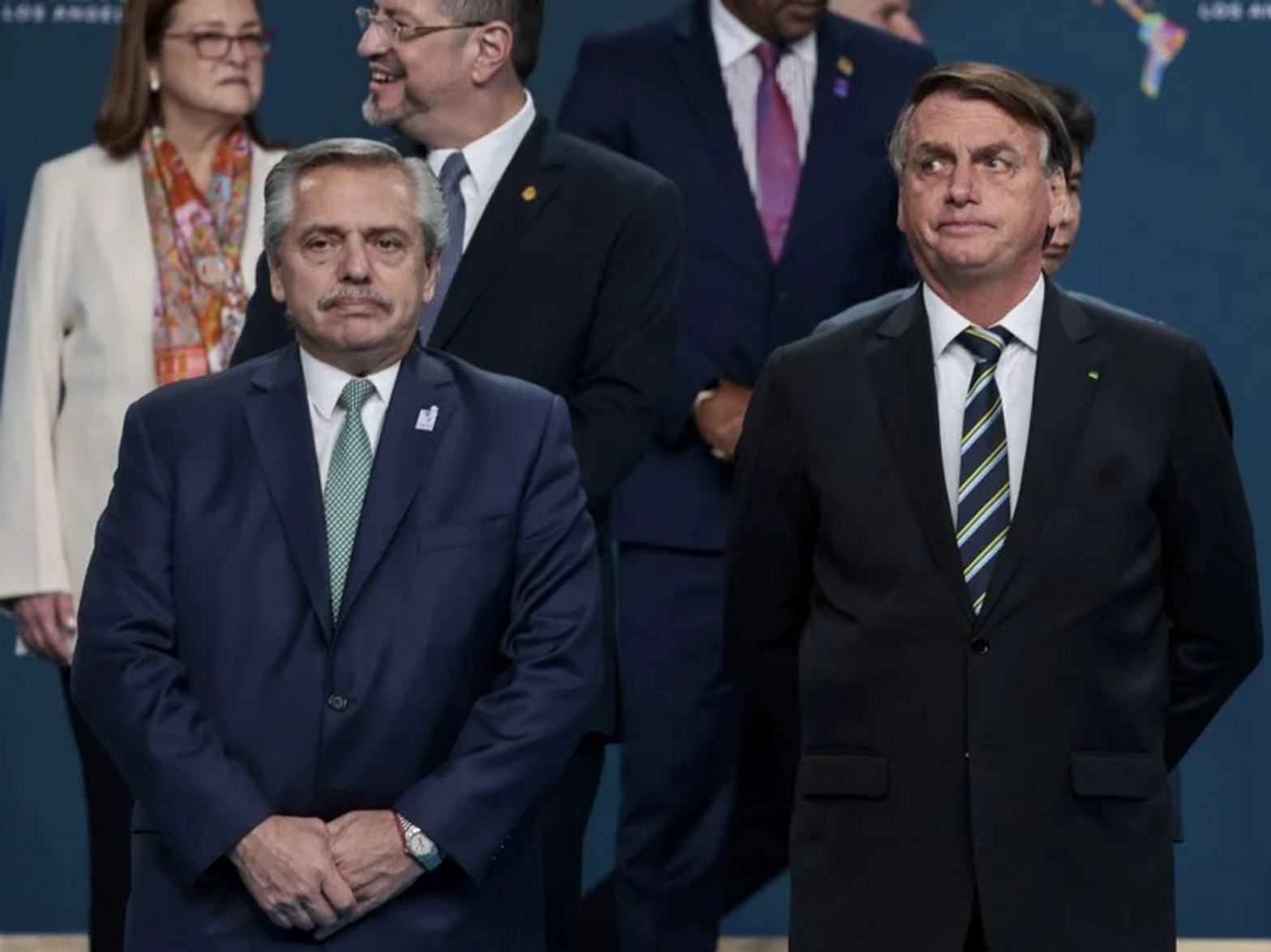
Amid rising global tensions, Brazil and Argentina must form a strategic economic alliance that will help them interact with the world’s chief powers.
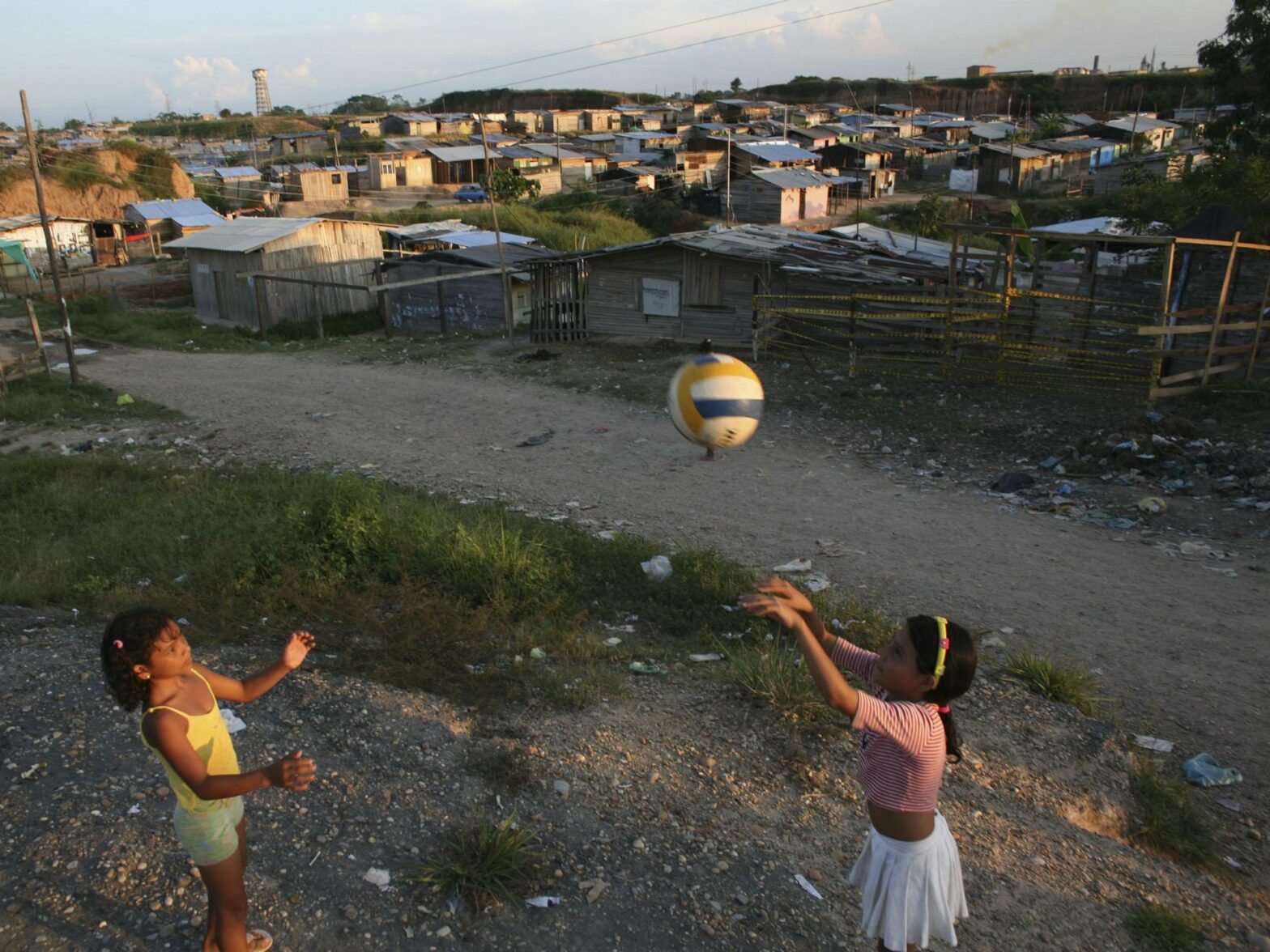
Those touting degrowth for the sake of the planet should remember that the majority of the earth’s population has yet to taste a fraction of the material prosperity now blamed for destroying the natural world.
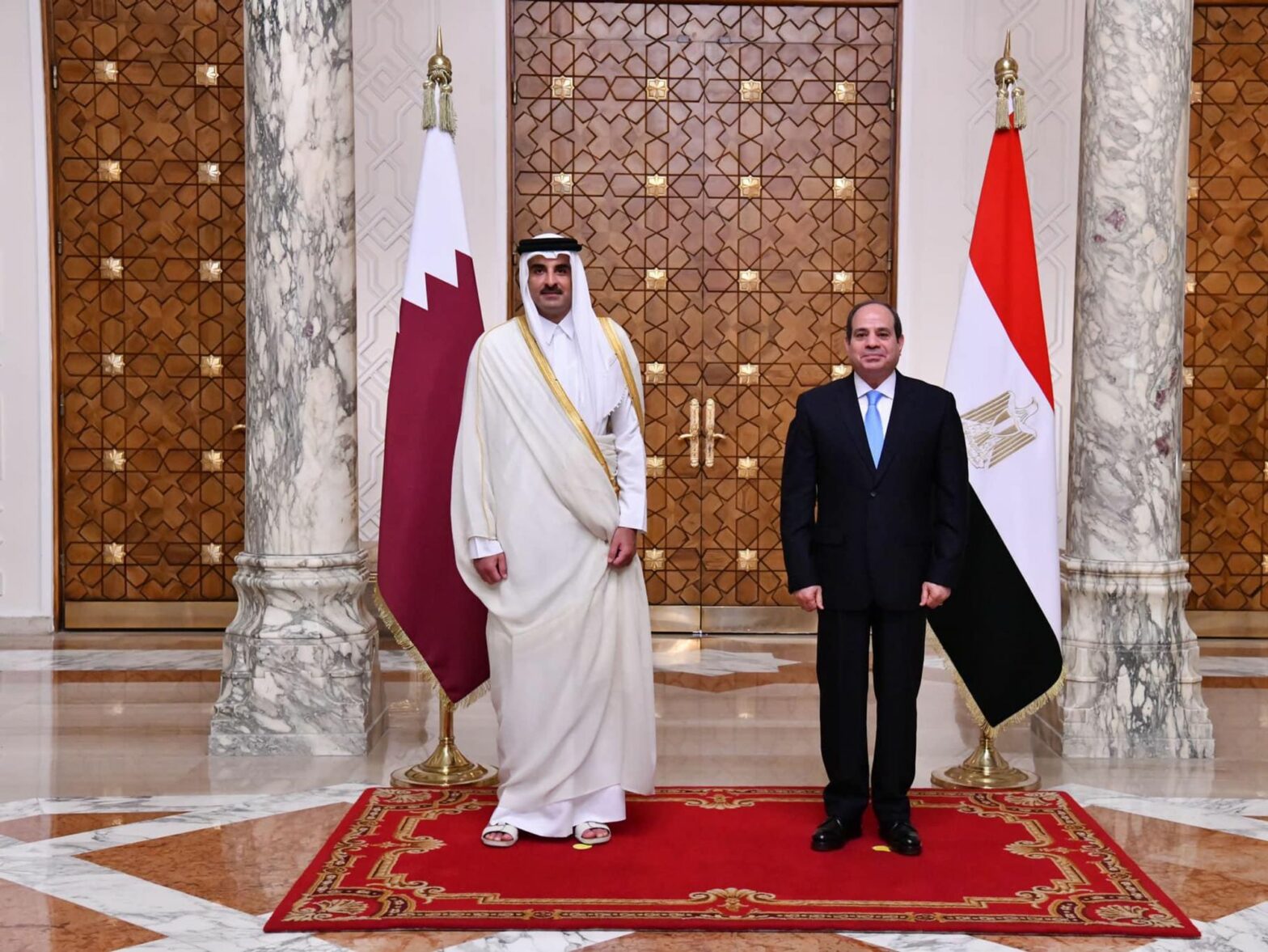
For Cairo, Qatar had been part of an “axis of evil,” with anger directed at Al Jazeera, the main Qatari outlet, and others critical of Egypt after the Muslim Brotherhood ouster. But the vitriol is now gone, with the first ever visit by Egyptian President al-Sisi to Doha.
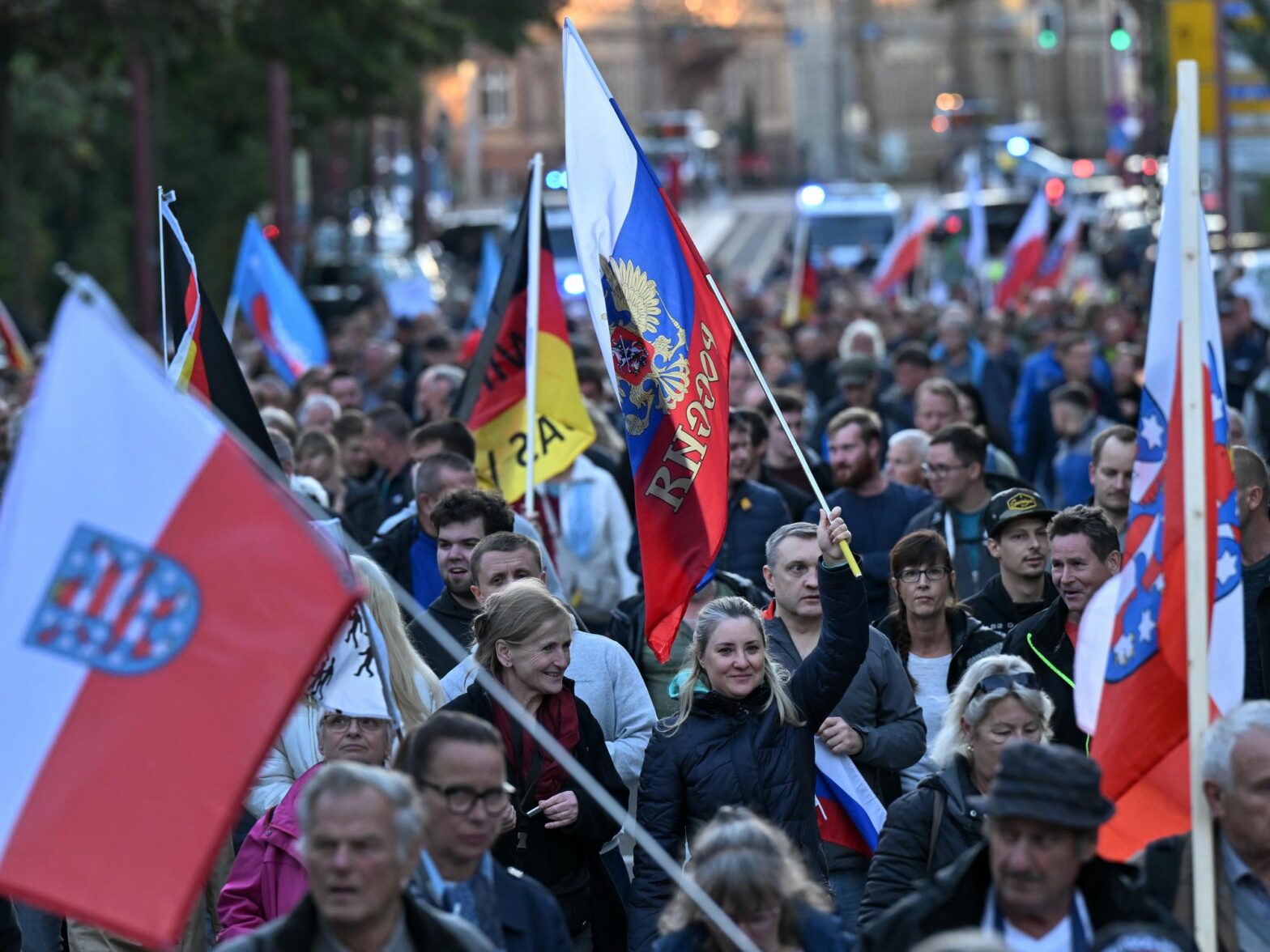
In the face of Russia’s stranglehold over supplies, the European Commission has proposed support packages and price caps. But across Europe, fears about the cost of living are spreading — and with it, doubts about support for Ukraine.
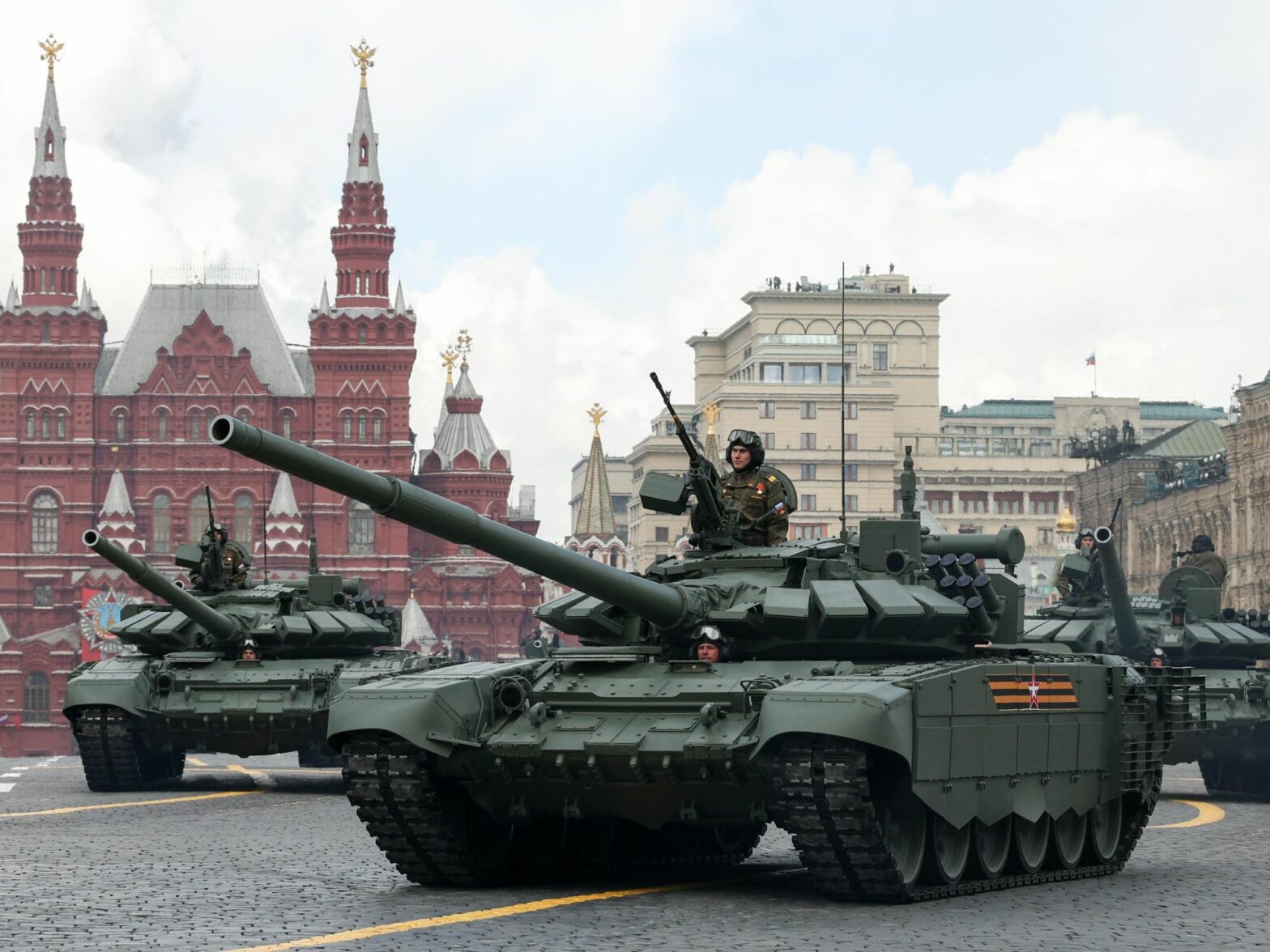
Despite what the Kremlin claims, Western sanctions against Russia are working. Perhaps most important is the embargo on electronic component exports, which prevents the Russian army from rebuilding tanks and missiles severely depleted in the war.
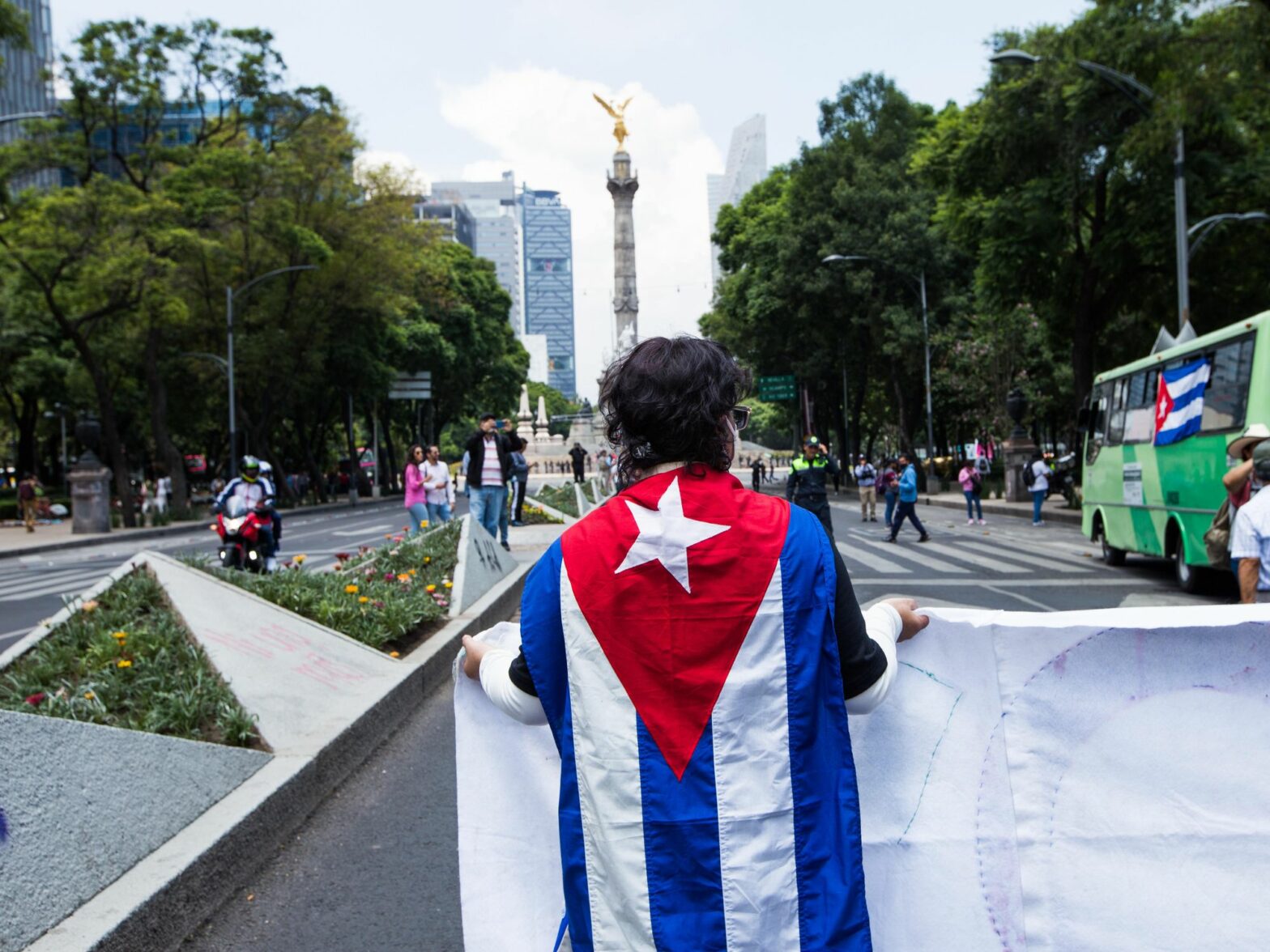
Since Cuba reopened its borders last December after COVID closures, the number of people leaving the island has gone up significantly. Migration has been a constant in Cuban life since the 1950s. But this article in Cuba’s independent news outlet El Toque shows just how important migration is to understand the ordeals of everyday life on the island.
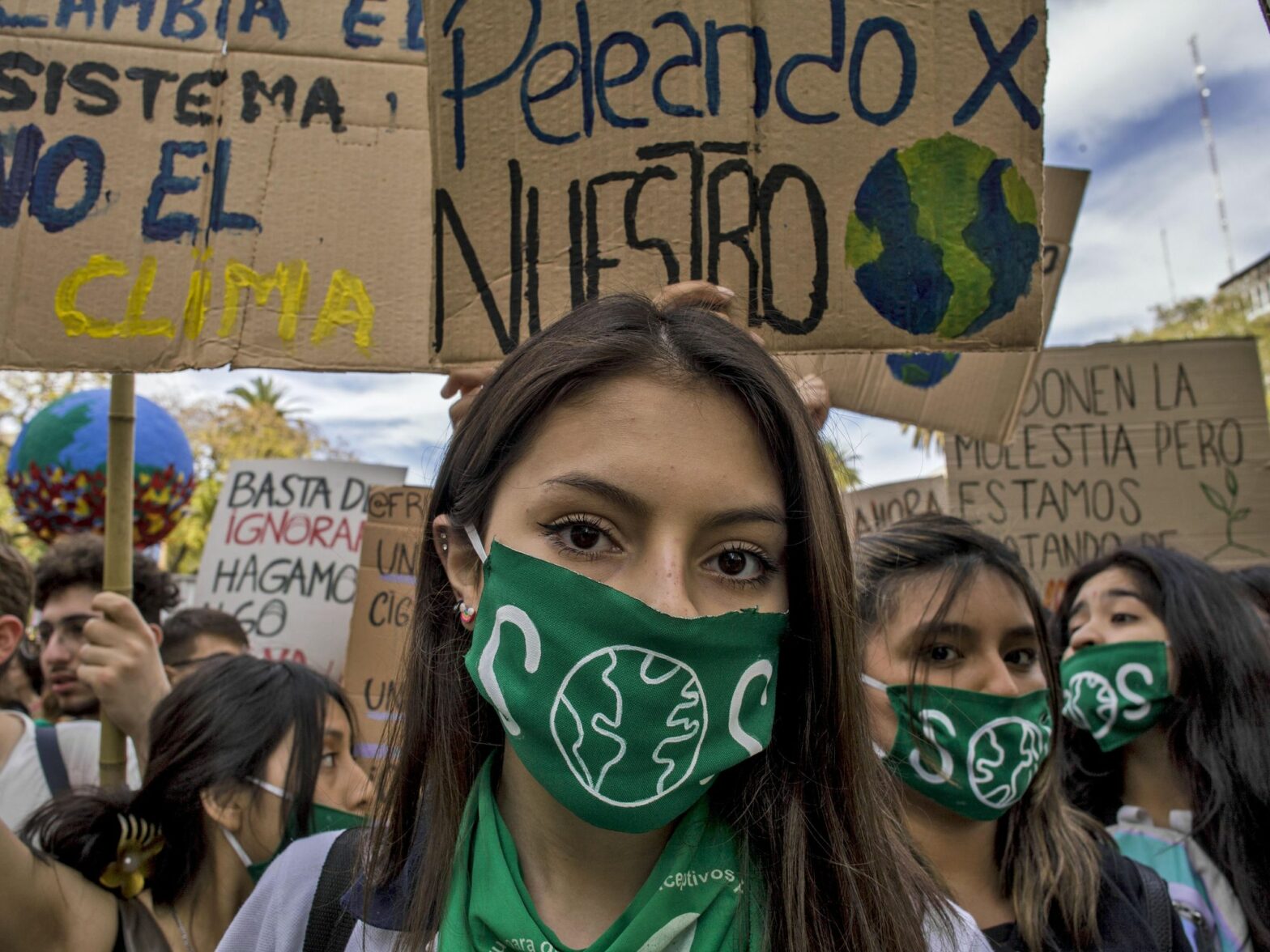
I am part of a generation whose quality of life will be worse than those who came before us. This should encourage society to realize that the idea of infinite growth is a myth, and that time is of the essence when it comes to saving the environment.
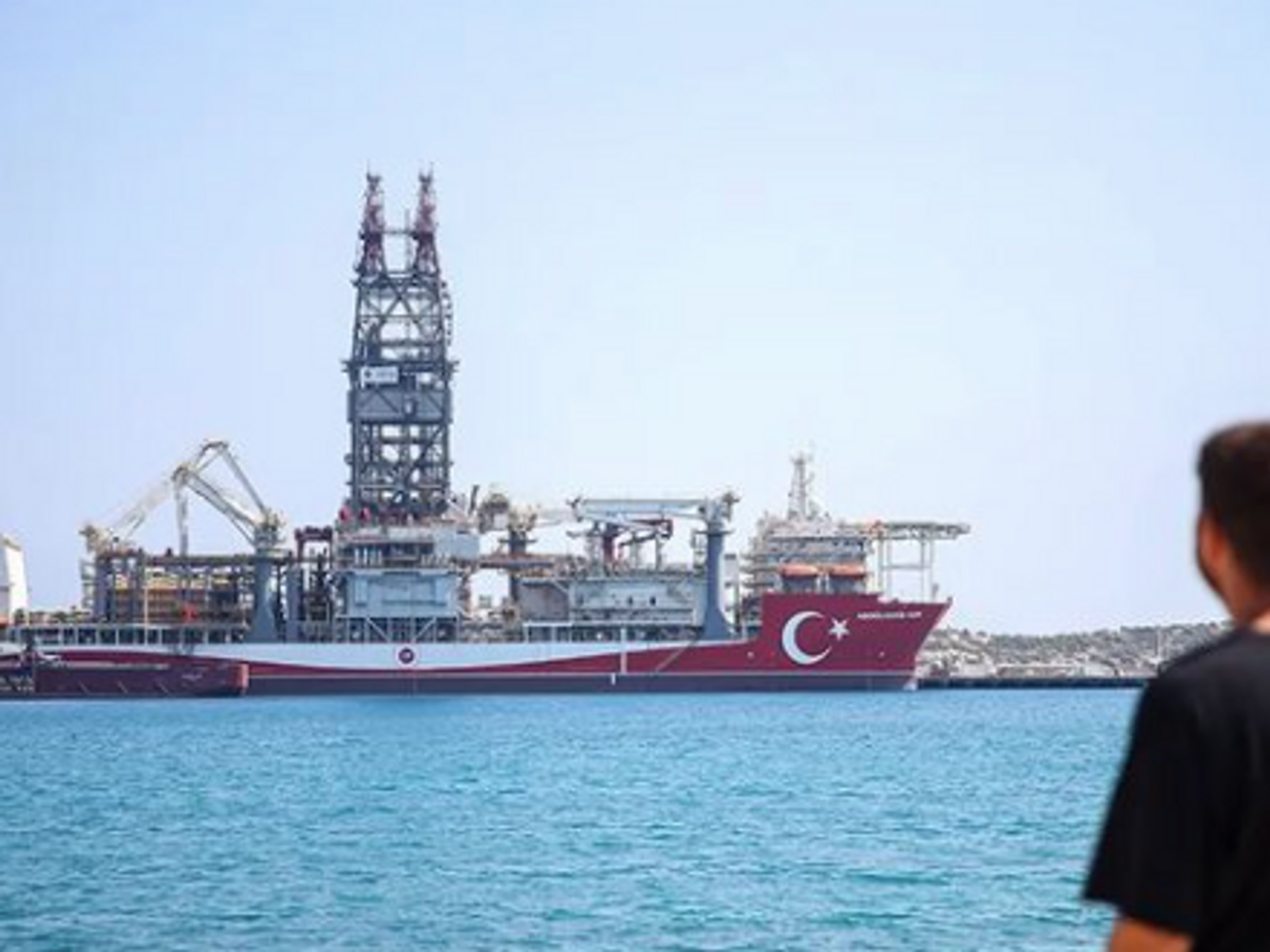
Europe needs new energy sources. One alternative to Russian gas could be in the eastern Mediterranean. But with Turkey also actively exploring the region for reserves, the potential for conflict is high.

French daily Les Echos profiles Vladimir Potanin, Russia’s incarnation of a never-turn-back oligarch. The owner of Nornickel, Russia’s leading company in the metals and mining industry, Potanin continues to grow his business despite Western sanctions. He recently took over French bank Société Générale’s Russian subsidiary — with the Kremlin’s approval, of course.
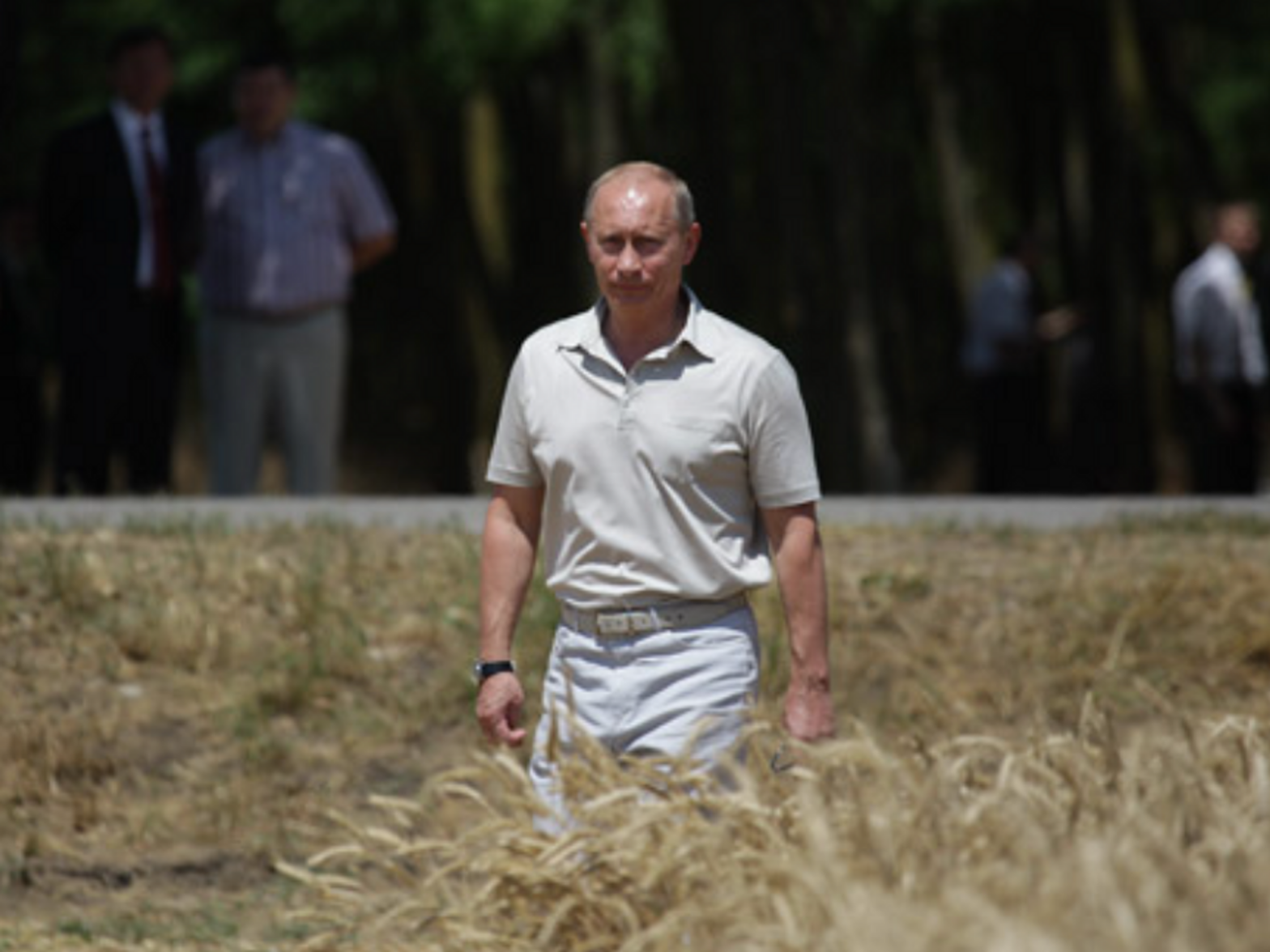
Moscow and Kyiv reached a much hailed accord in July to allow transport of Ukrainian agricultural output from ports along the Black Sea. However, analysis from Germany’s Die Welt and Ukraine’s Livy Bereg shows that it has done little so far to solve the food crisis, and is instead being used by Putin to advance his own ambitions.
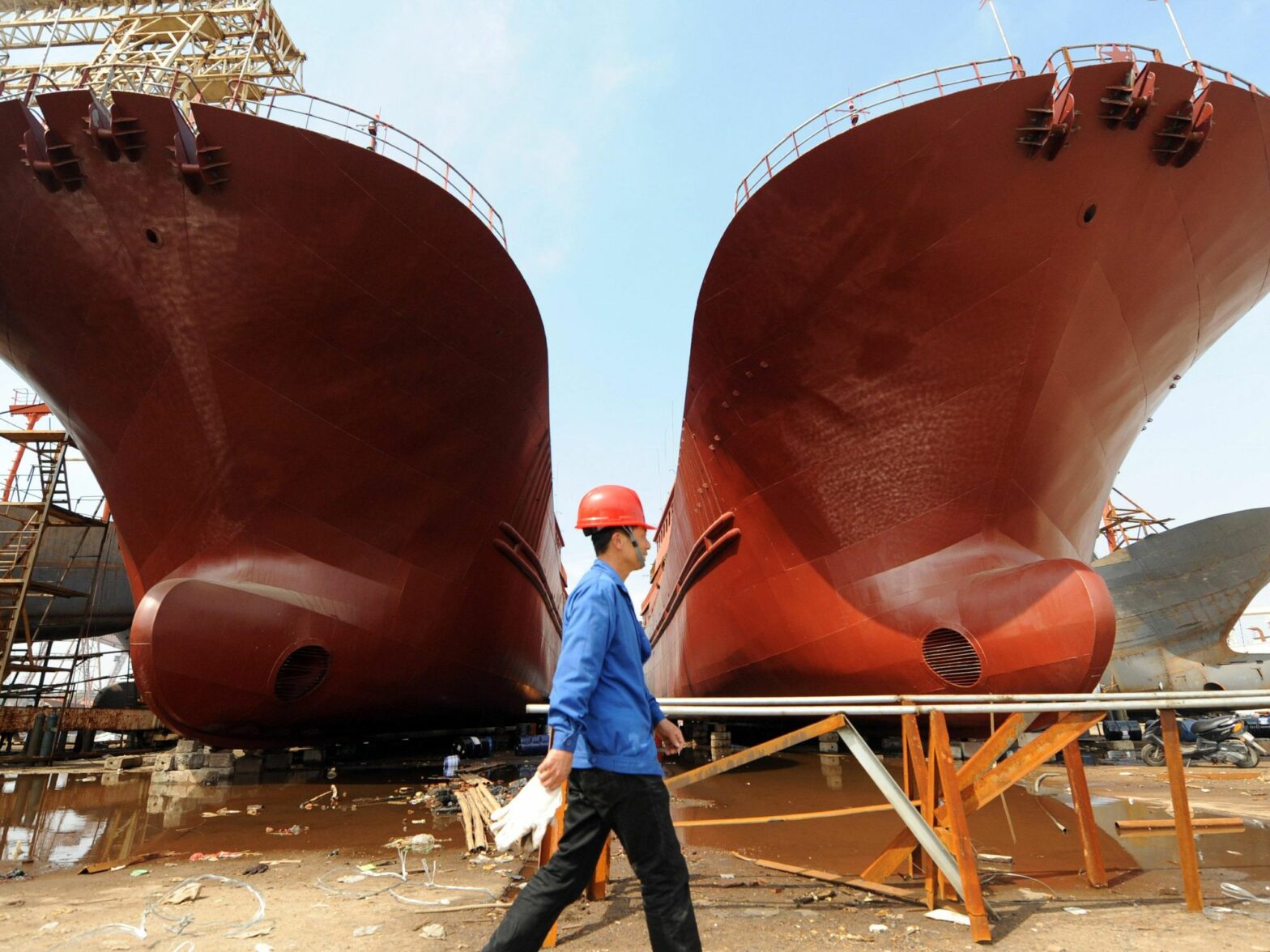
Following the escalation of the Chinese-U.S. trade war in 2018, the “Made in China” label is not as ubiquitous as it once was. Southeast Asian economies are on the rise — but their growth doesn’t necessarily threaten Chinese dominance.

The exit of top international companies from the Russian market in response to the invasion of Ukraine has led to an unraveling of Moscow’s intellectual property standards.
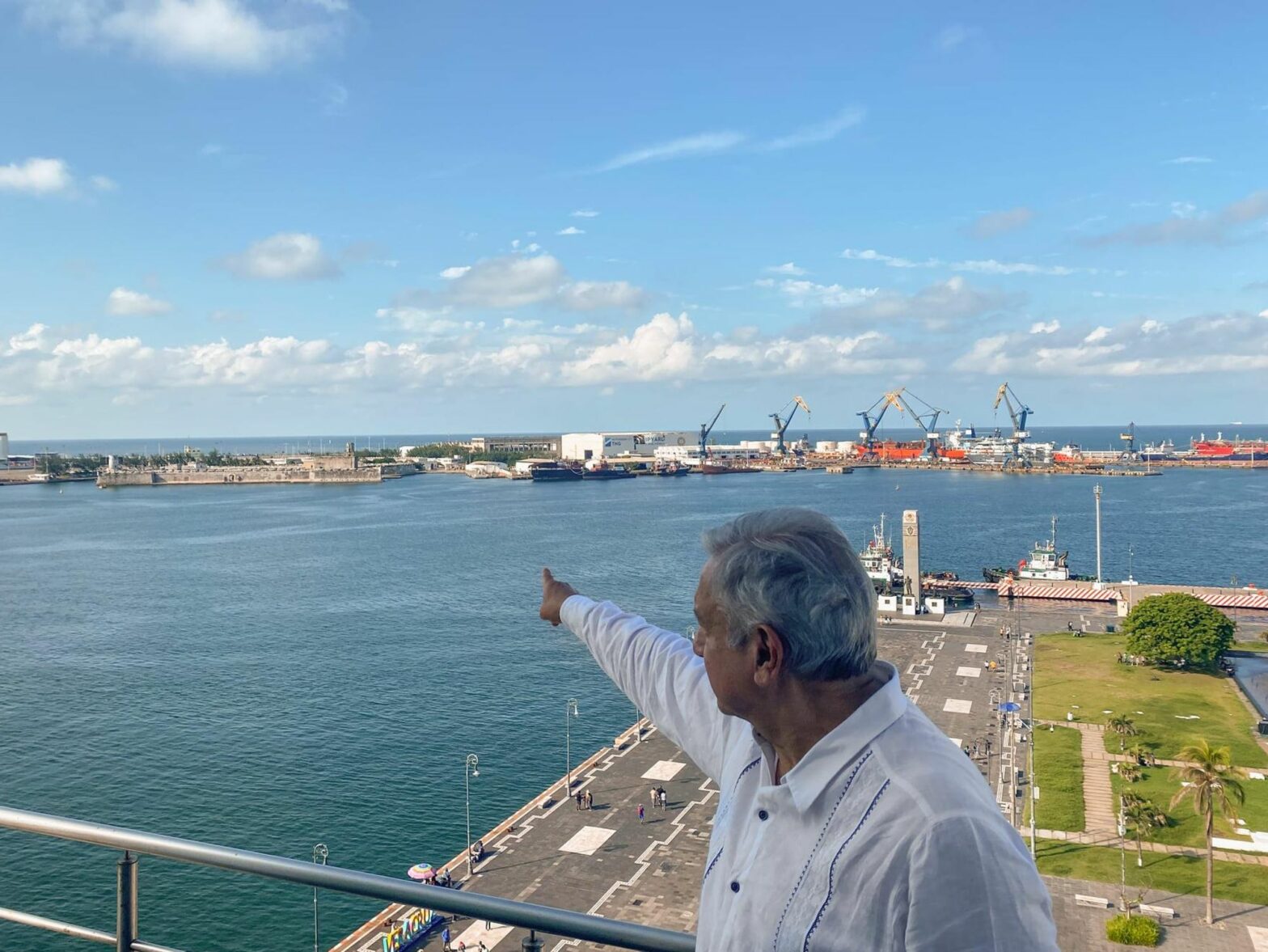
In irking Mexico’s chief trading partners with decisions affecting energy firms, the country’s leftist President Andrés Manuel López Obrador is tinkering with the free-trade pact that is the very engine and ballast of Mexico’s vast, and vulnerable, economy.
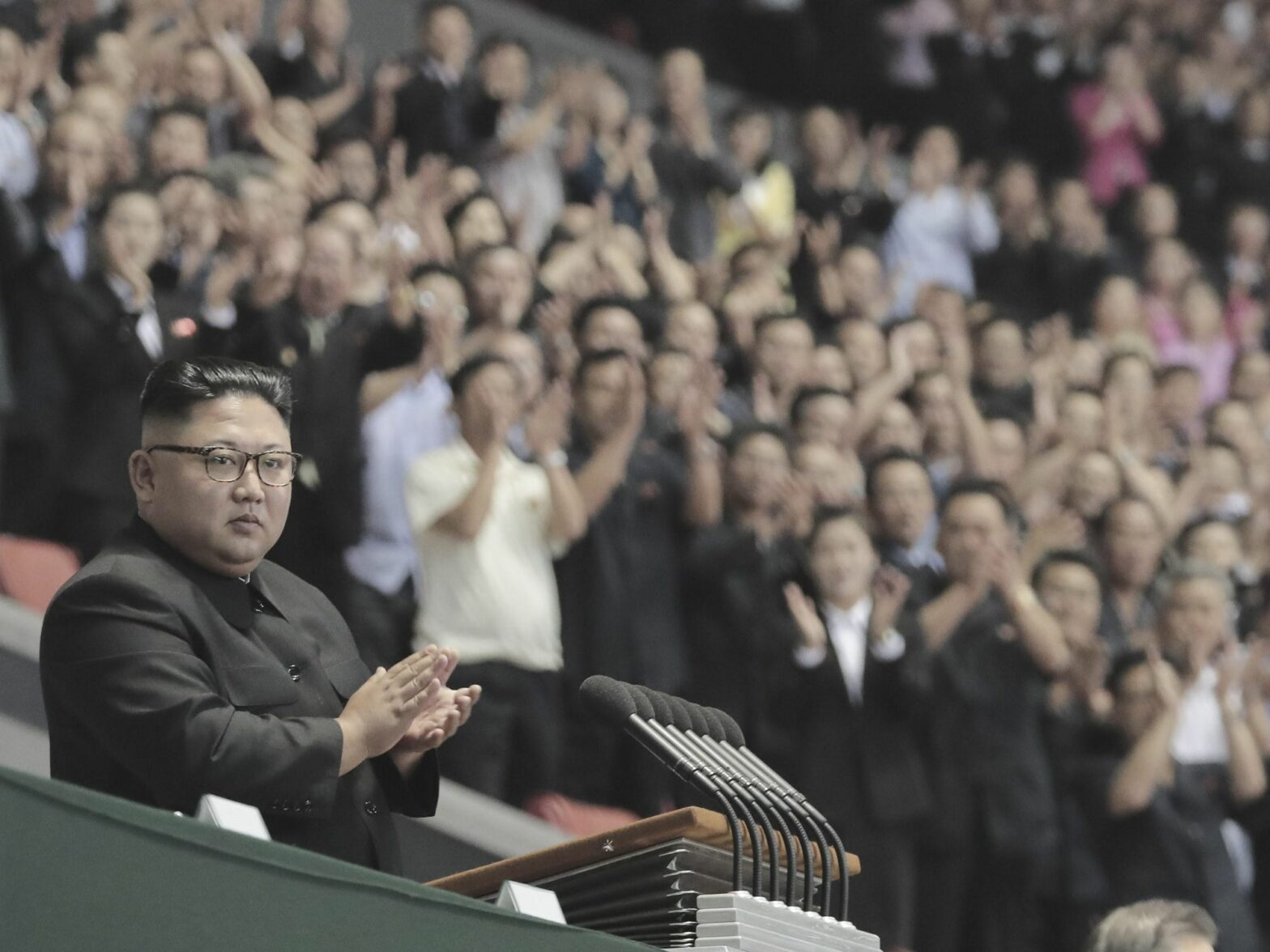
“Taiwanese would laugh at the leader worship of the North Koreans, but wasn’t that what we did in the days of Chiang Kai-shek?”
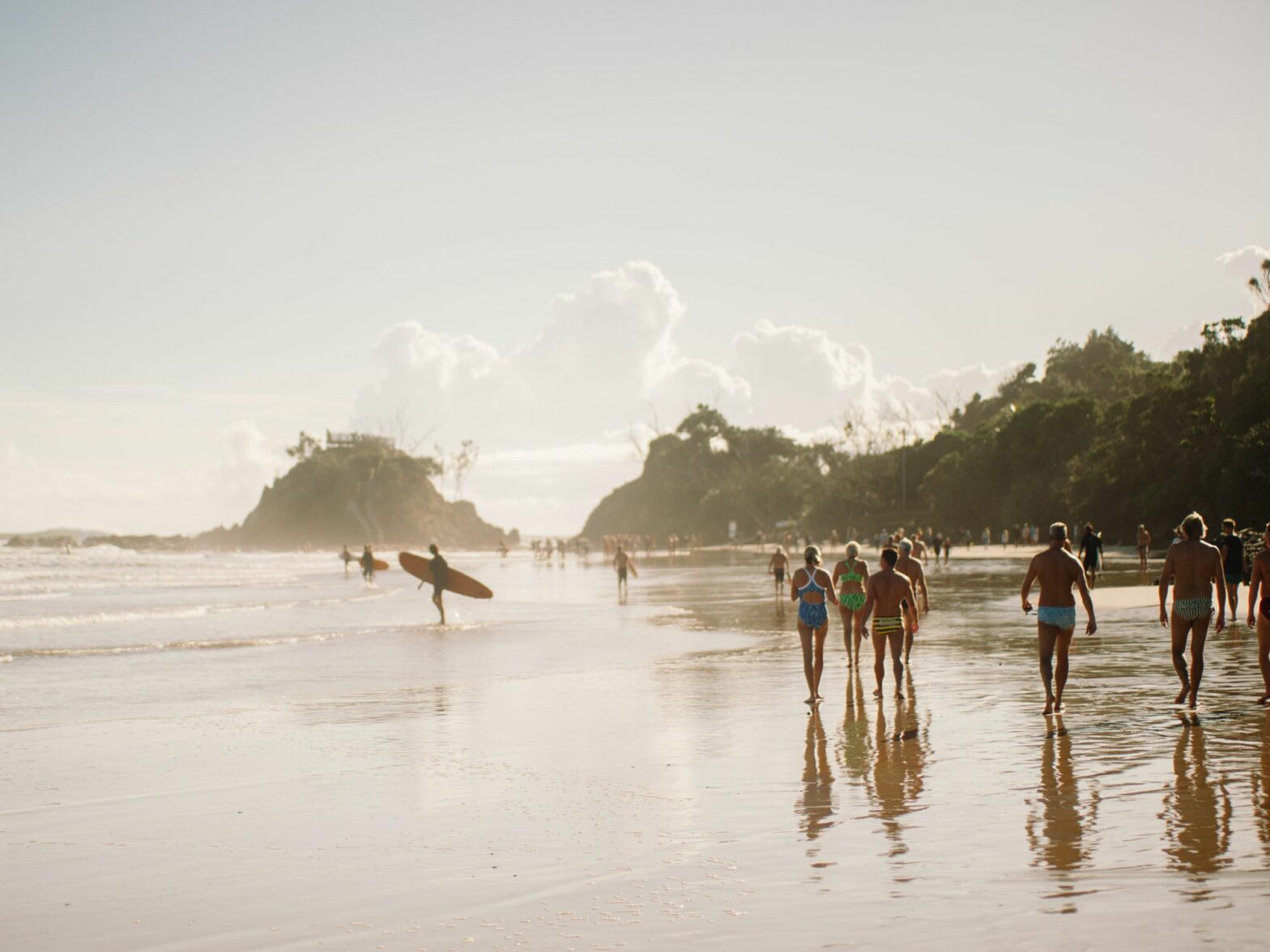
In the bohemian Australian seaside town of Byron Bay, rents are now higher than Sydney or Melbourne. And as Airbnb takes its toll, this small town has almost as many homeless people as Sydney.
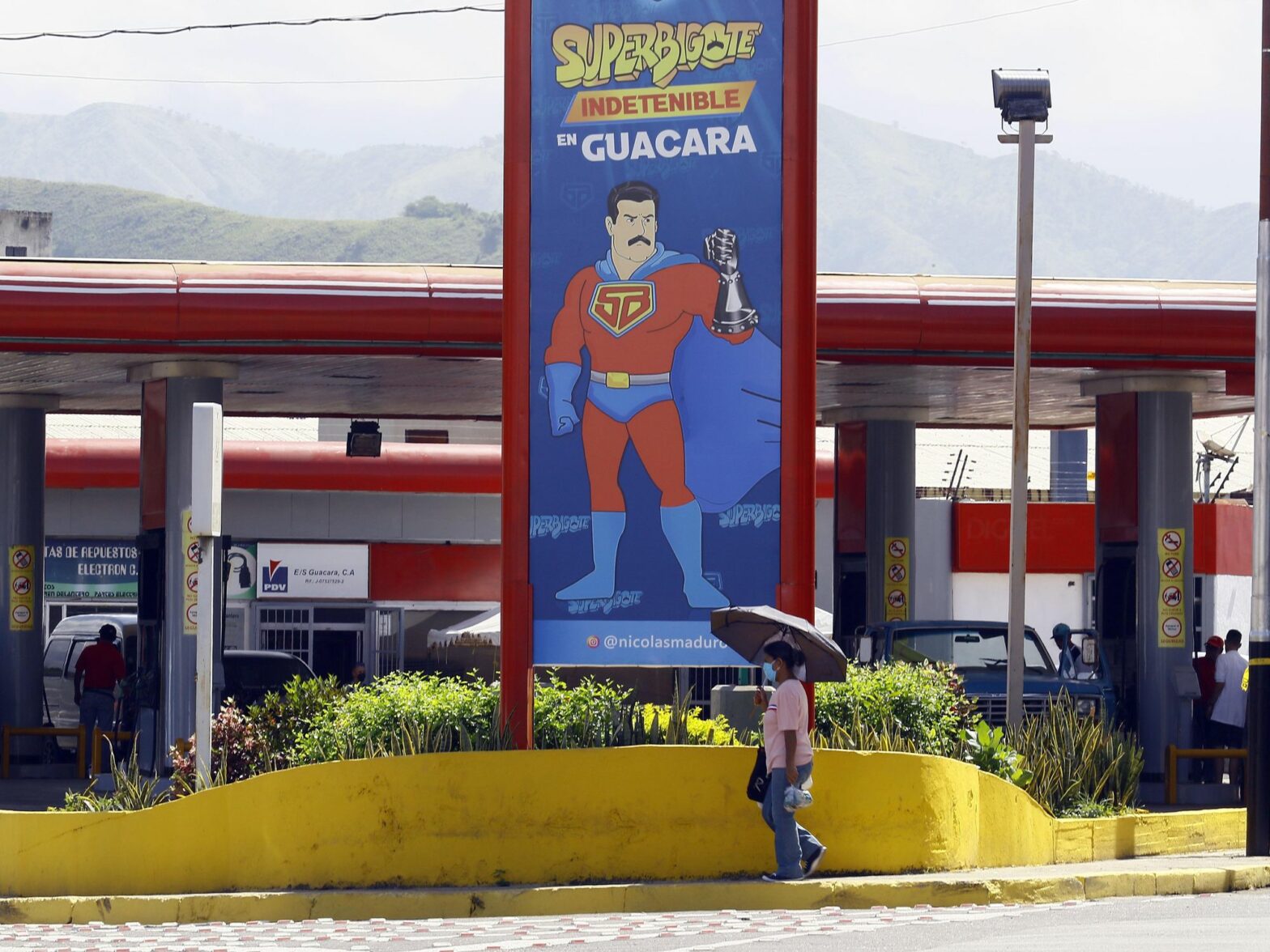
Venezuela is to create free economic zones to attract foreign capital into the Venezuelan economy, but who would take “clean” money to a lawless land run by rapacious revolutionaries?

Initially used to measure the link between exploited resources and final results in the industrial production process, the concept of productivity is the most widely used economic indicator. It is also sorely out-of-date.
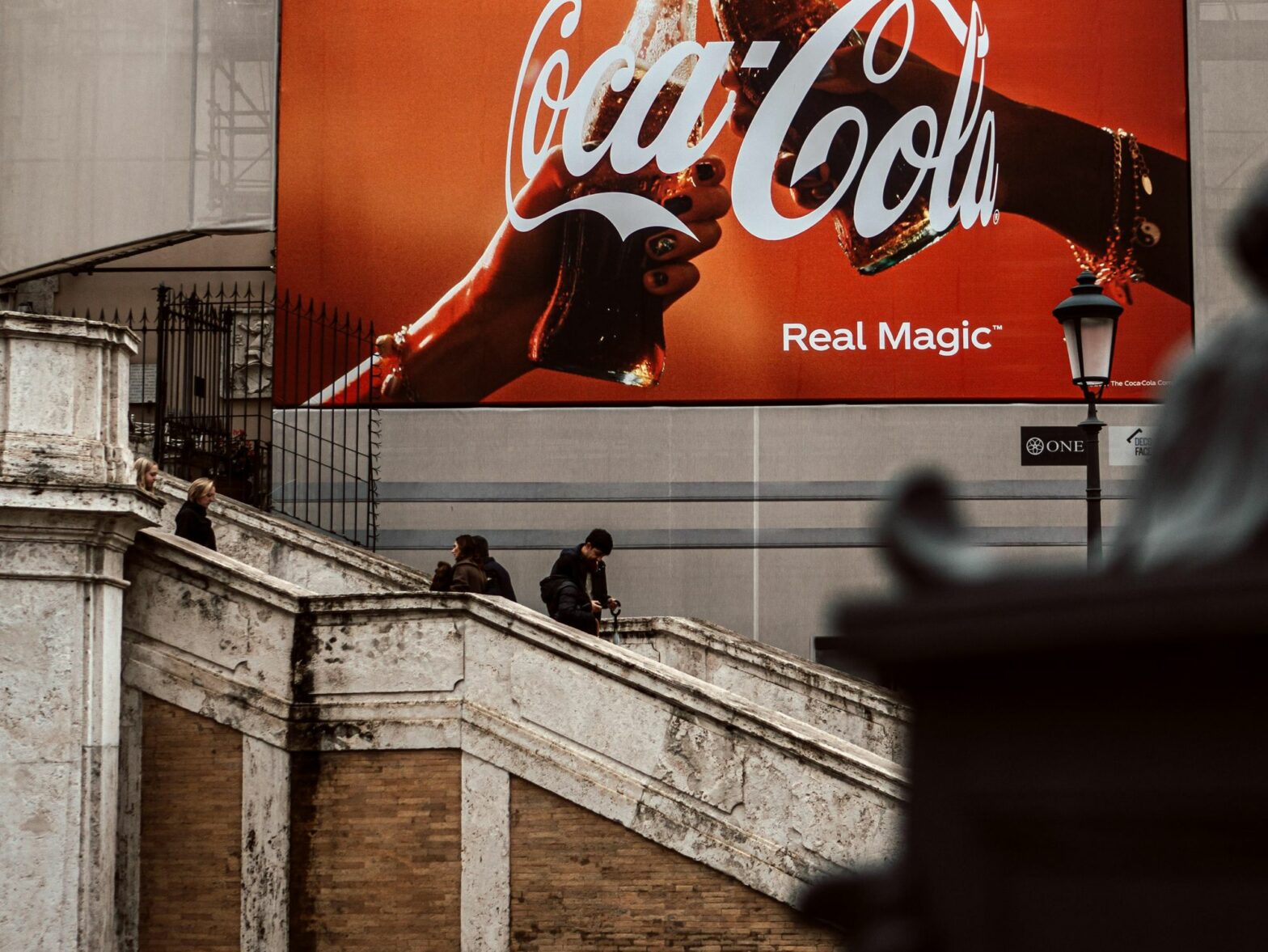
In the northern Italian region of Veneto, drought has forced half the municipalities to ration water resources. In contrast, the region’s Coca-Cola plant has upped production, using even more water that it gets for a cheap price.
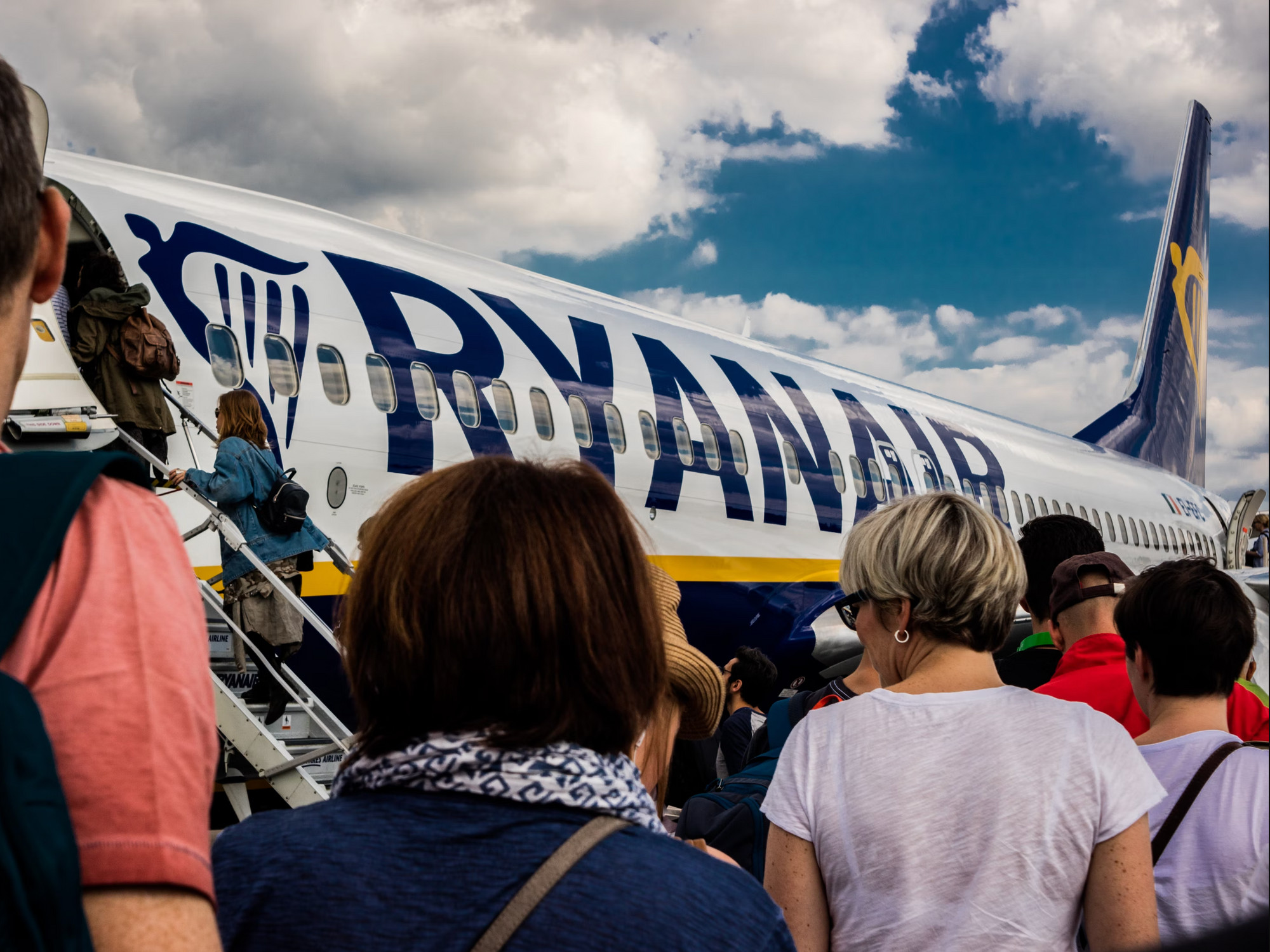
Many of us have become accustomed to cheap flights, but as prices spiral, it’s time to ask about their true cost. And politicians’ plan to bring in cheap labor to keep down prices is doomed to fail.
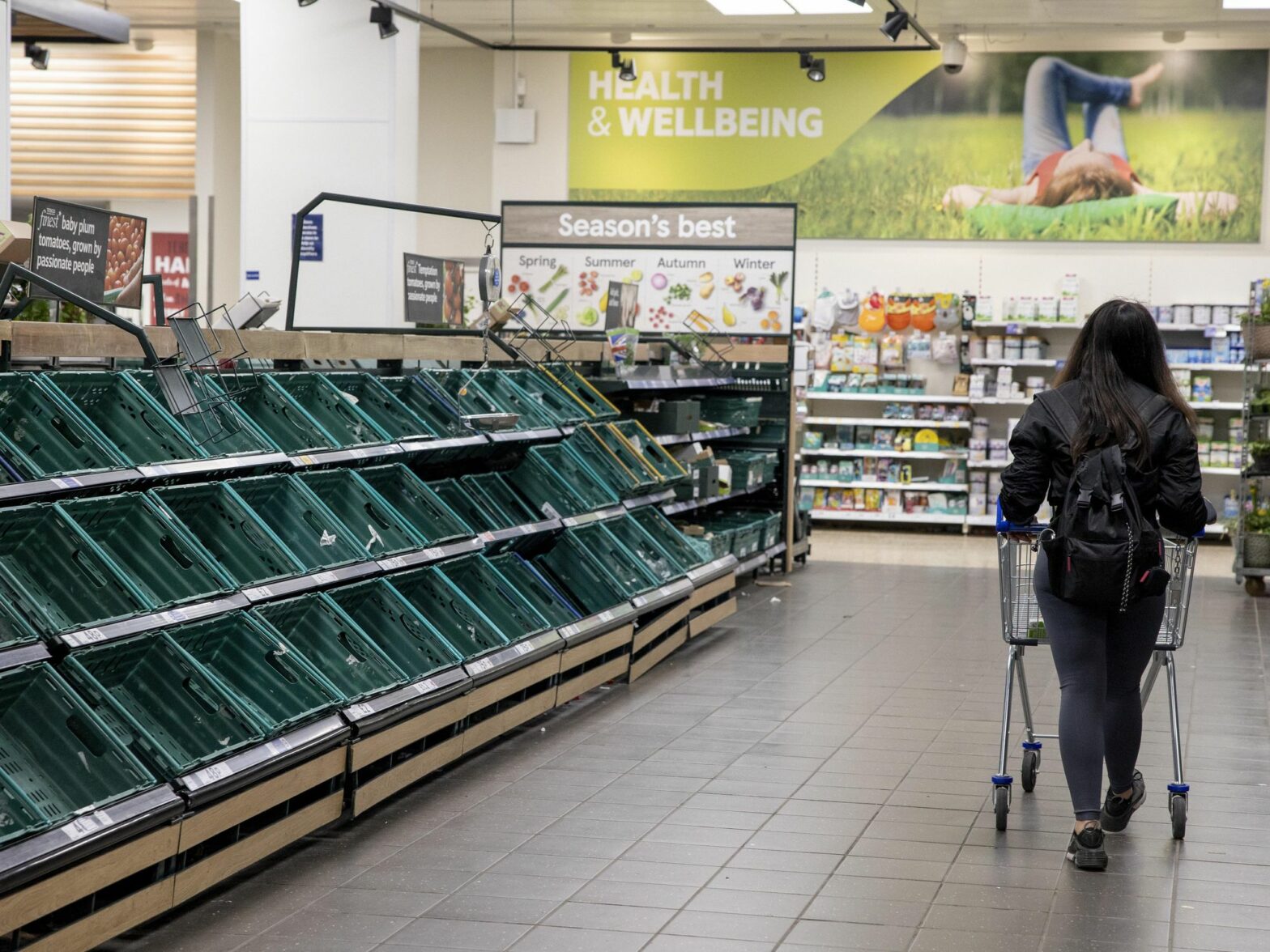
The war in Ukraine and the climate crisis have been devastating for food production. Here’s a look at some of the traditional foods from around the world that might be hard to find on supermarket shelves.
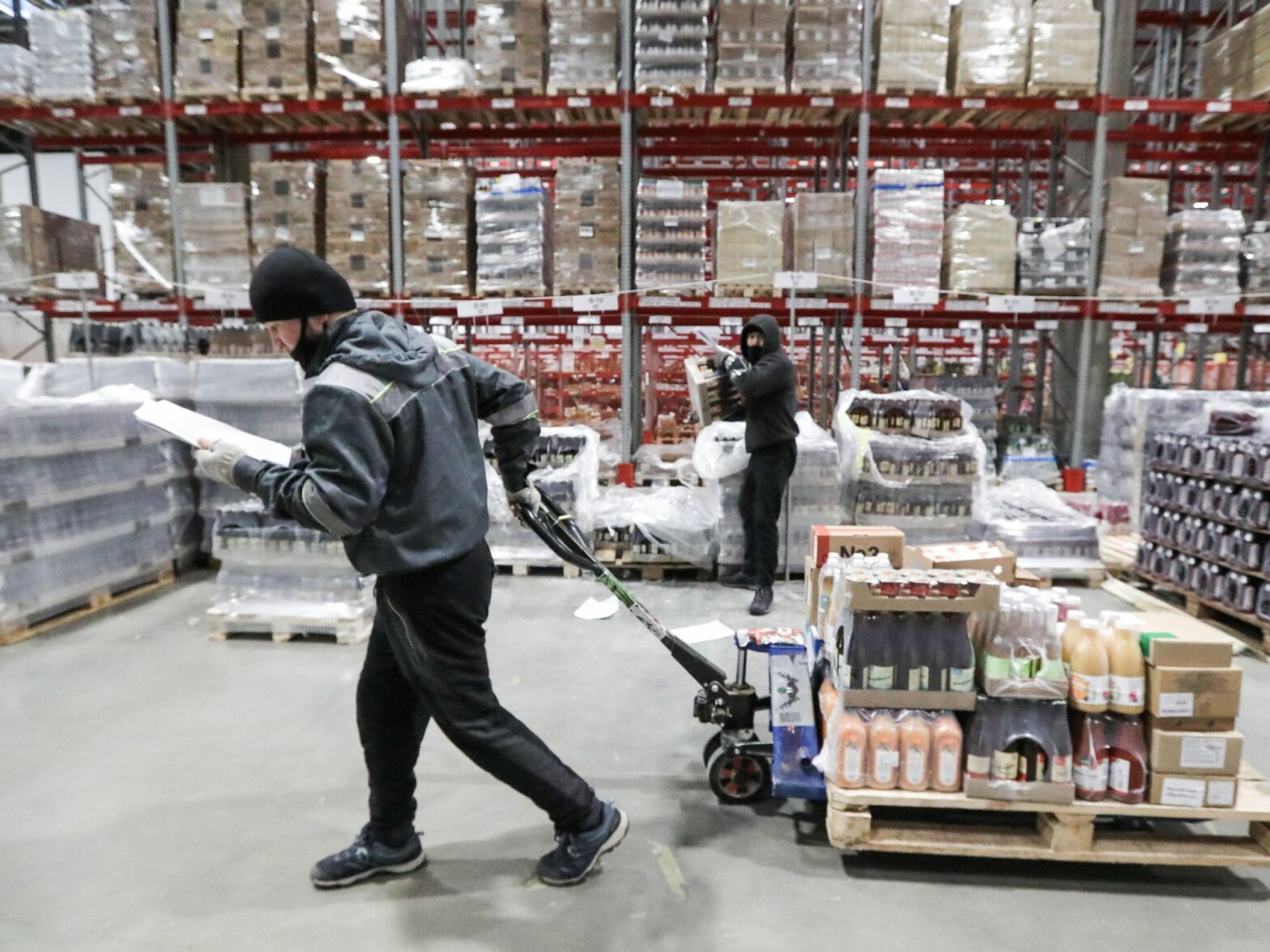
The head of the Kremlin boasted at the recent forum in St. Petersburg International Economic Forum about Russia’s economic resilience against Western sanctions. But behind the scenes, Russian business leaders tell a different story.
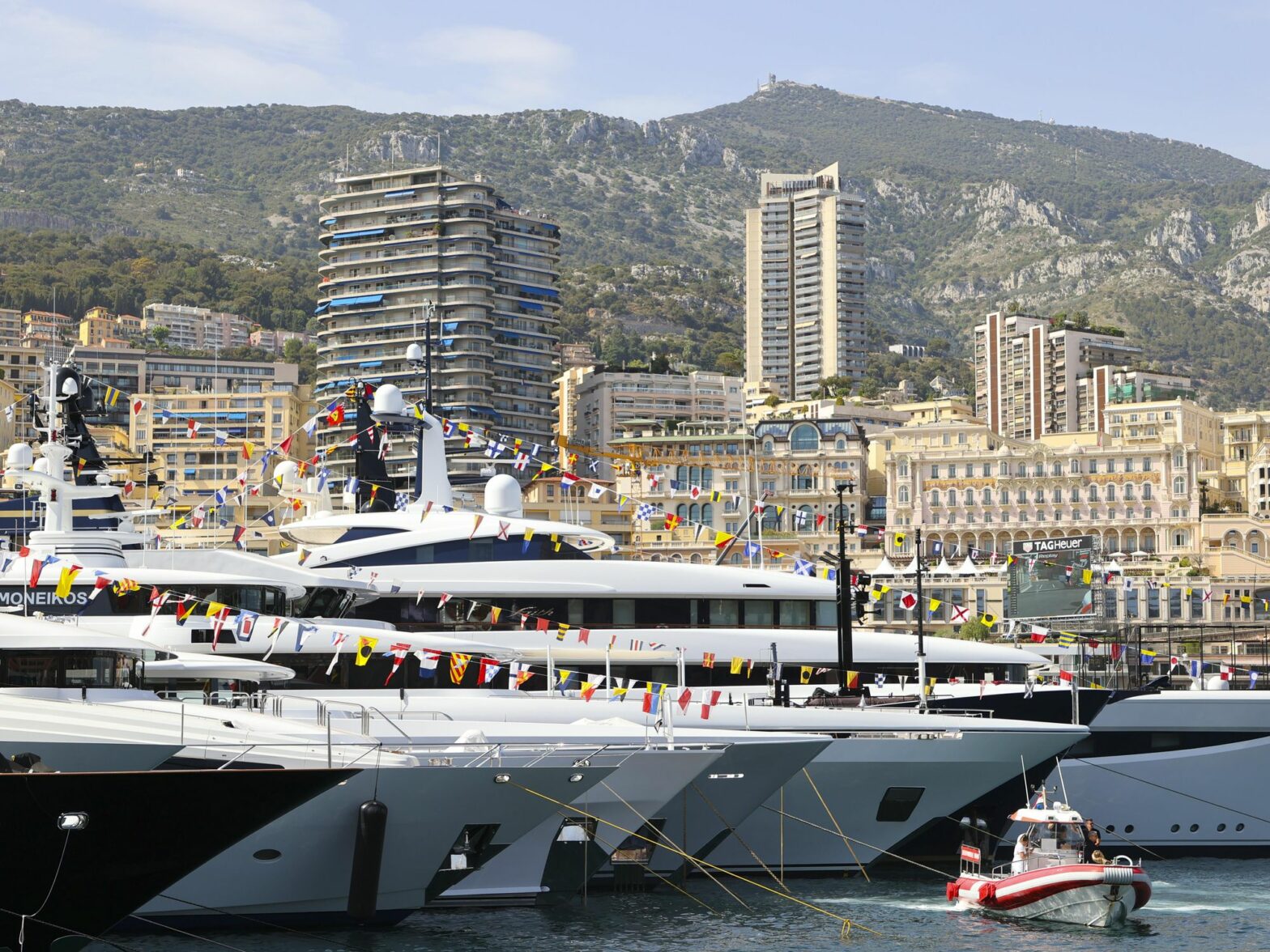
According to the EU Commission, the amount of confiscated Russian assets has doubled since April, German daily Die Welt reveals, including yachts, real estate, artwork and more.
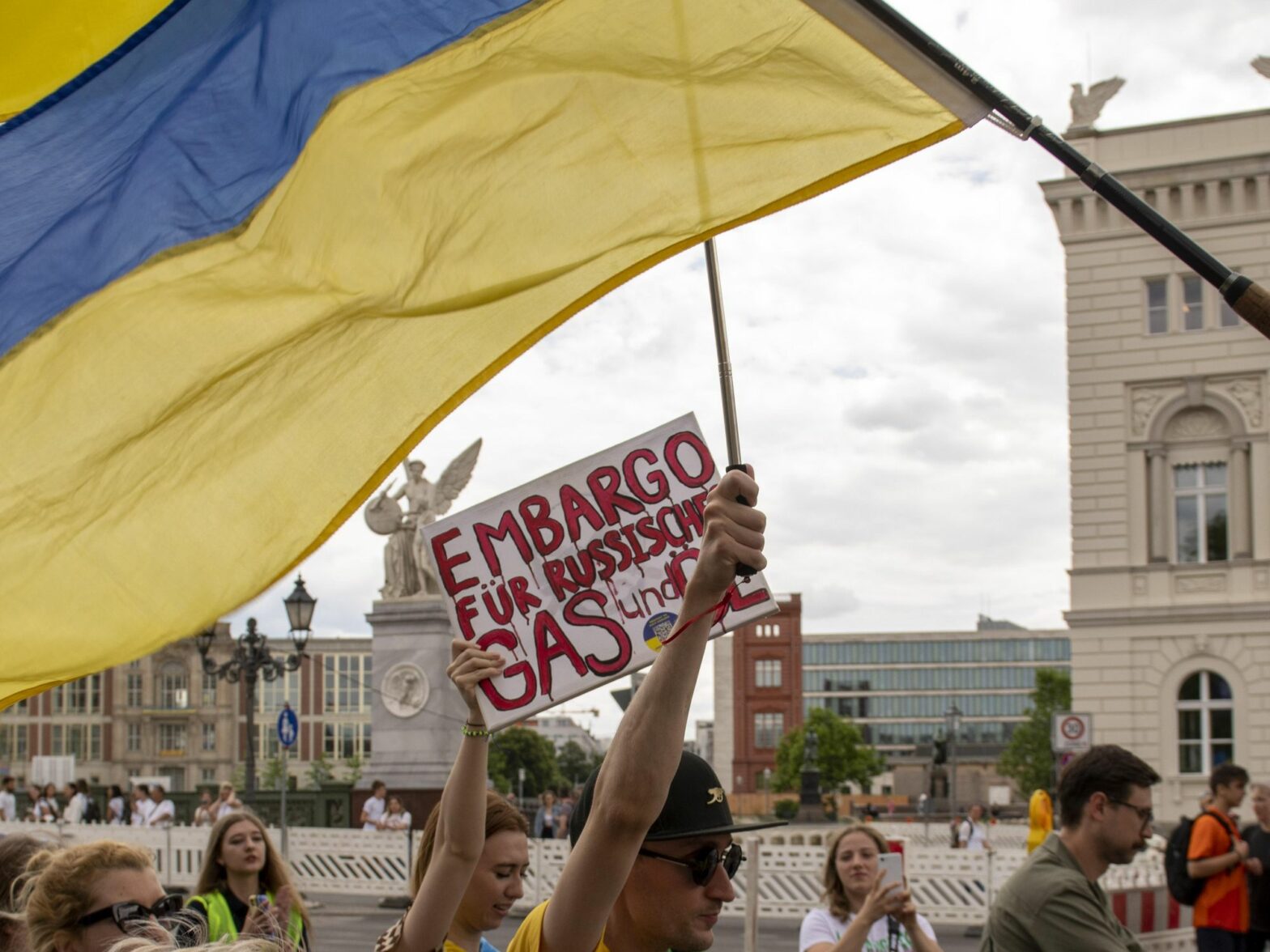
Kyiv wants the West to hit at the heart of the Russian economy, especially its energy exports, as the best weapon Ukraine and its allies may have. But with the EU preparing its 7th package of sanctions, it must strike a delicate balance as the global economy is on the brink of a major crisis.
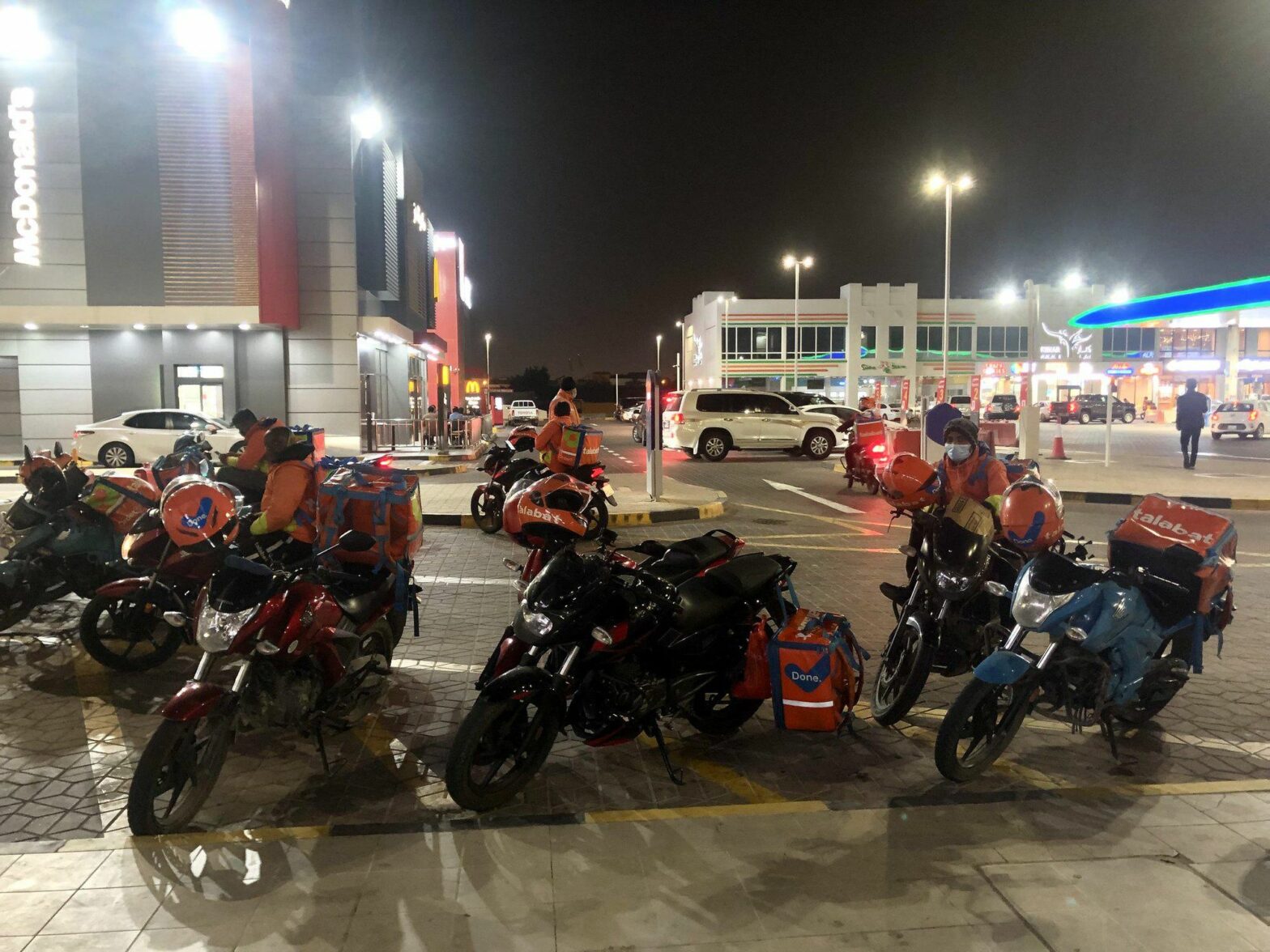
Labor strikes are forbidden in the Emirates, but two consecutive work stoppages by food delivery drivers have made news lately. Could it be a sign of challenges to the UAE’s unequal and authoritarian economic model?
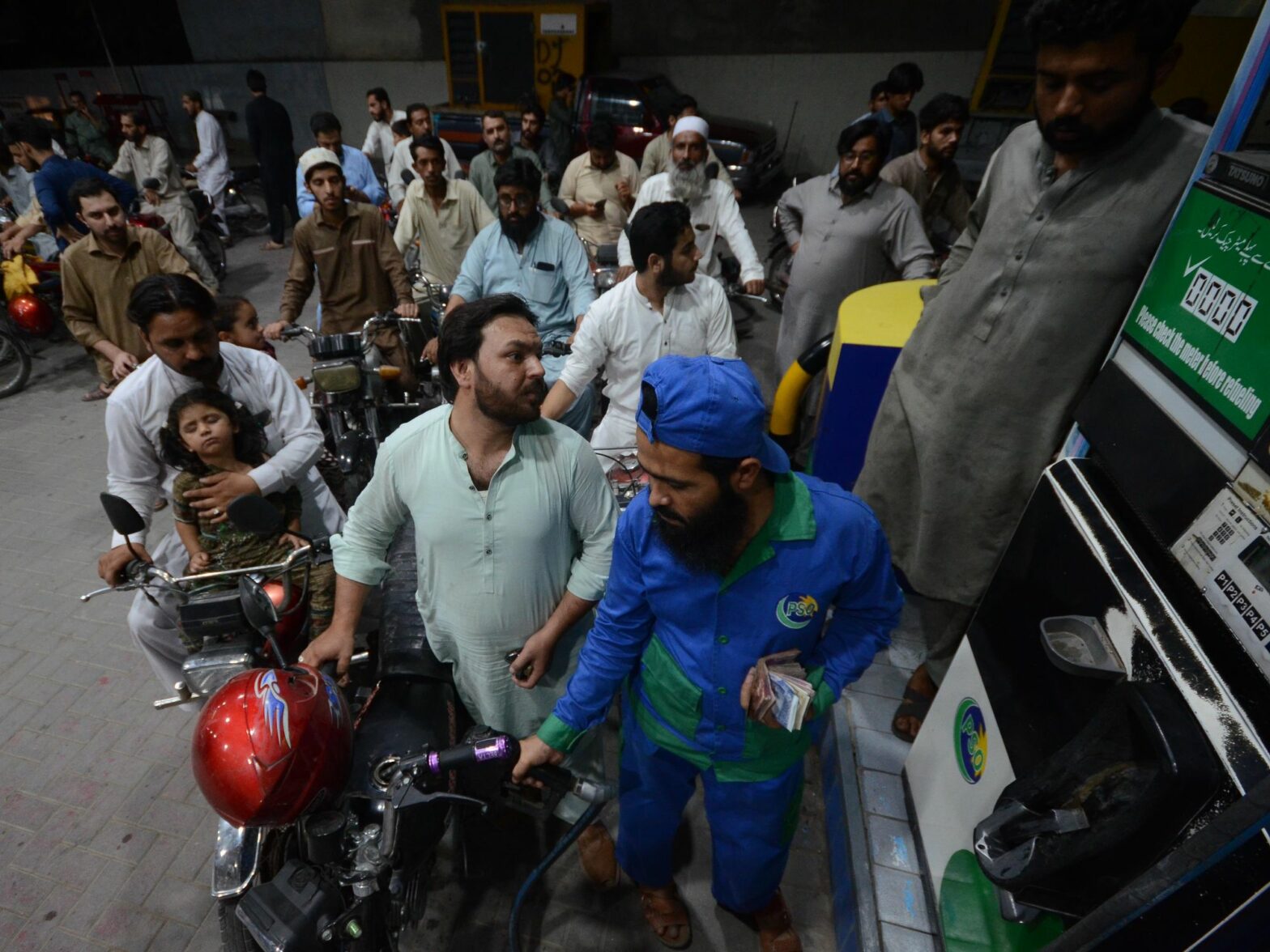
Both Pakistan’s and Sri Lanka’s leaders have resigned recently. Their fates should be a reminder to politicians in Asia and around the world: good economics might not be enough to get re-elected but bad economic decisions can hasten your fall.
The Persian Gulf has become lucrative fishing territory. Sharks, a threatened species, are being hunted to be used in cooking and medicines. Local fishermen are being arrested, but the operation involves people much higher up the food chain.

Digital currencies may be volatile, but one company in Argentina has found a way to allow farmers to purchase goods and services online using surplus grain.
The Colombian president recently said that the country had exported one million barrels of carbon-neutral or offset oil. But in an unregulated carbon market, such a claim is pure greenwashing.
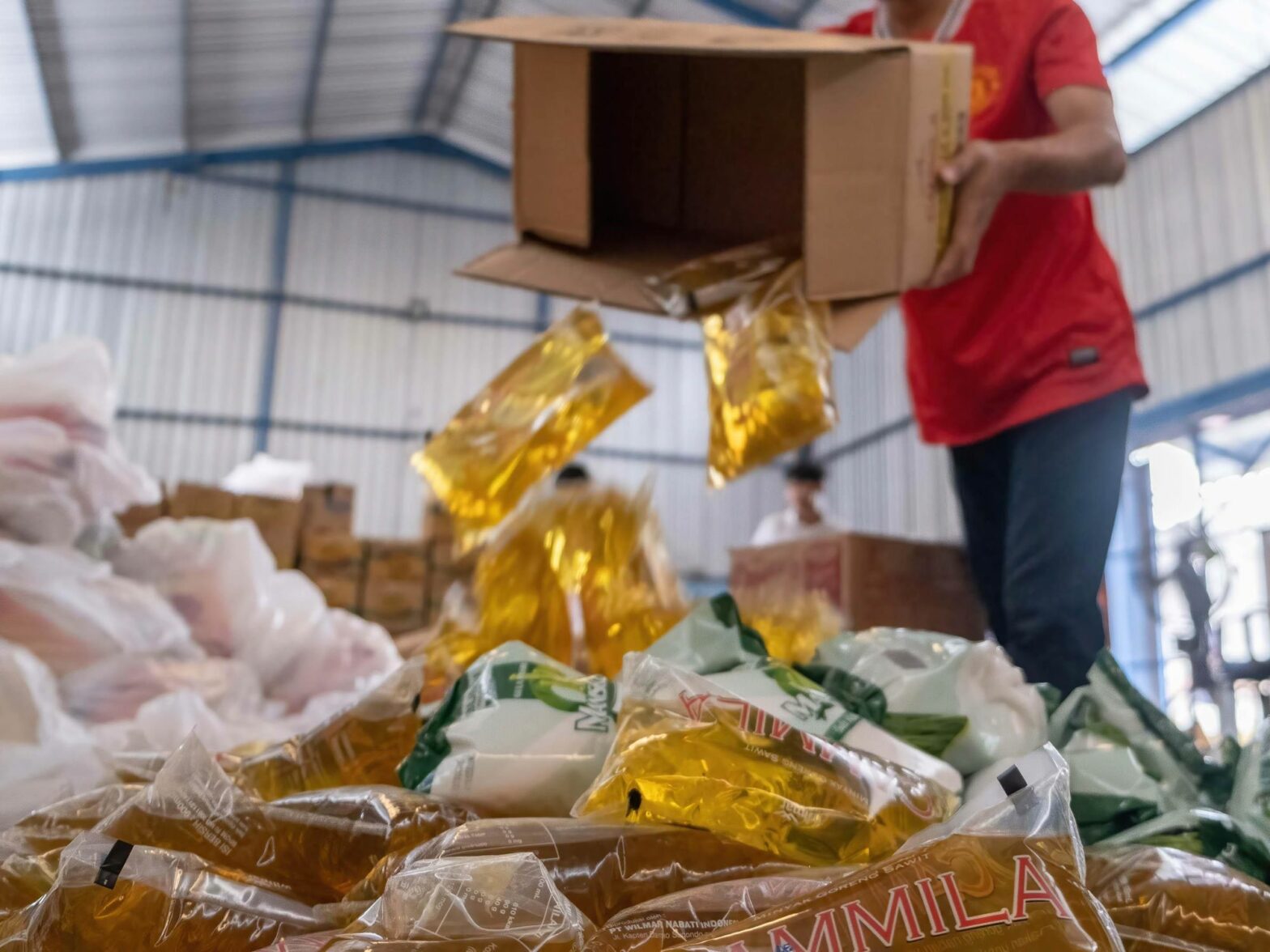
The price of cooking oils and fats has gone up dramatically. Indonesia has even banned exports of palm oil. Suddenly, what type of oil and how we use it to fry foods, dress salads and process products has become an ever more important question.
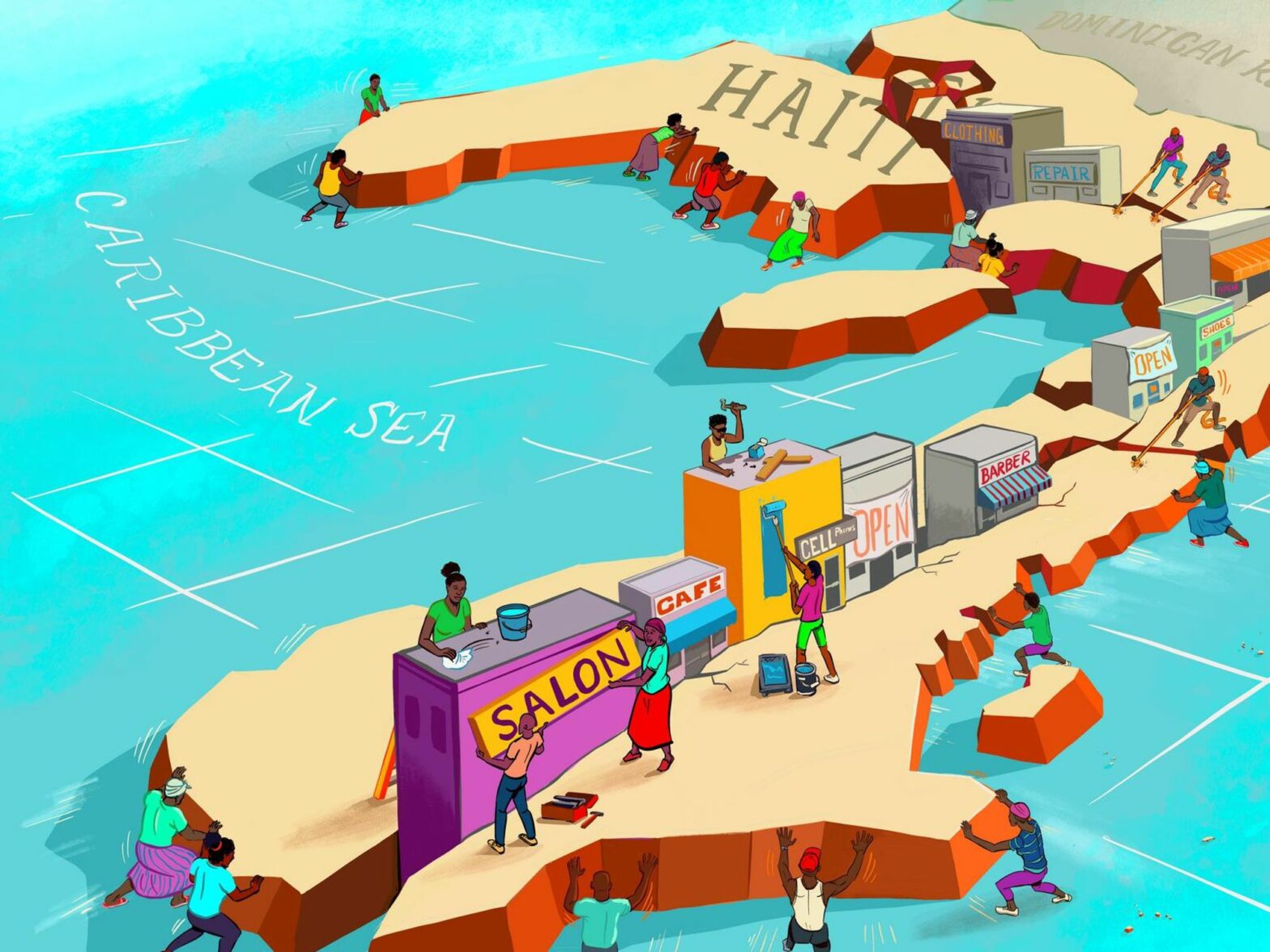
Given the opportunity to flee an economic and political crisis in Haiti, some business owners opt to stay.
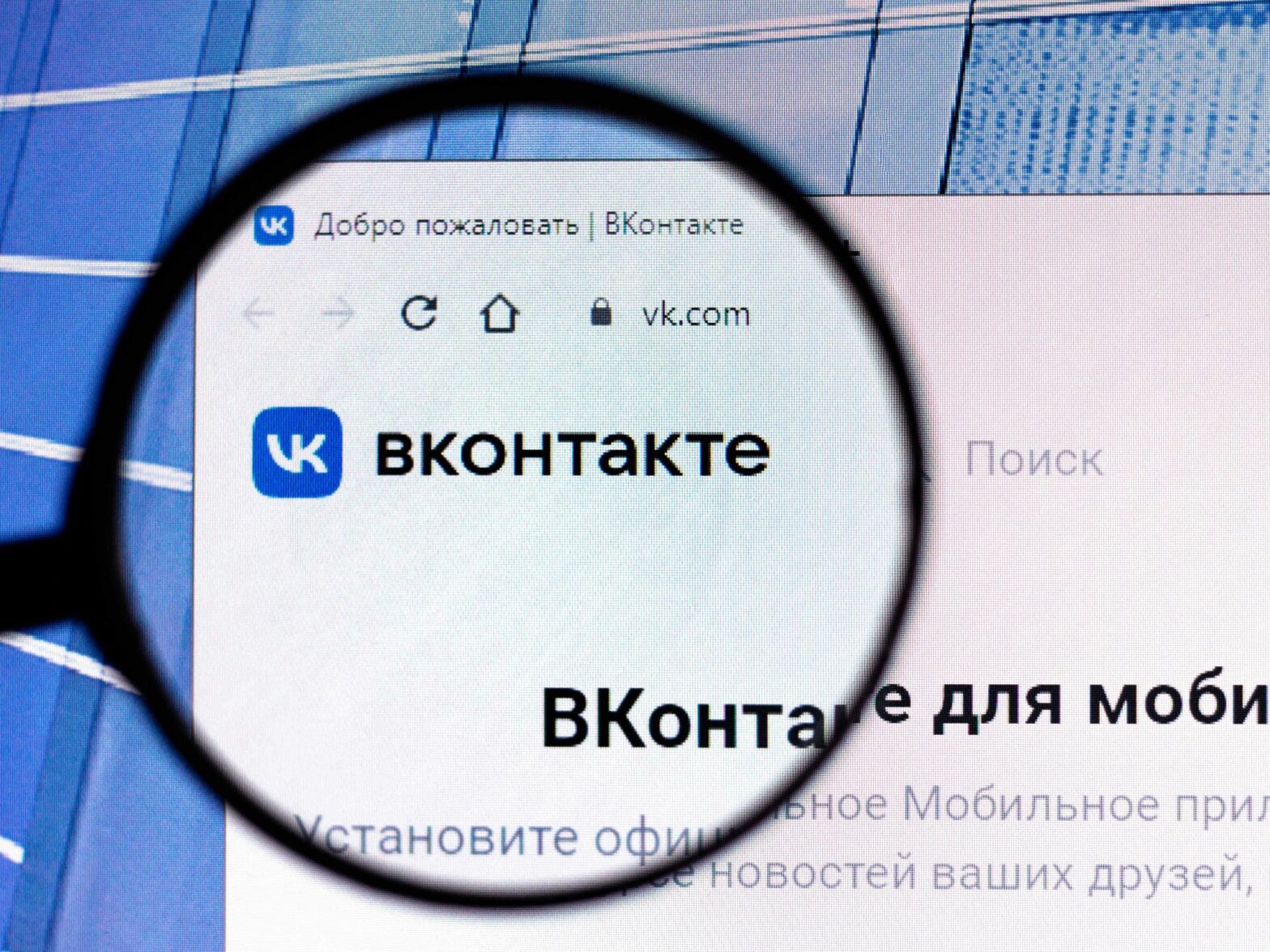
It’s a different kind of “migration” indeed, from Instagram to VKontakte, after U.S. social media were banned in Russia. It’s yet another kind of difficulty for Russians trying to continue with daily life.

At the head of Match Group, the online dating empire composed of Tinder, Meetic and Hinge, this CEO of Indian origin decides millions of people’s love lives on every continent. It’s a unique talent for turning digital relationship building into gold.
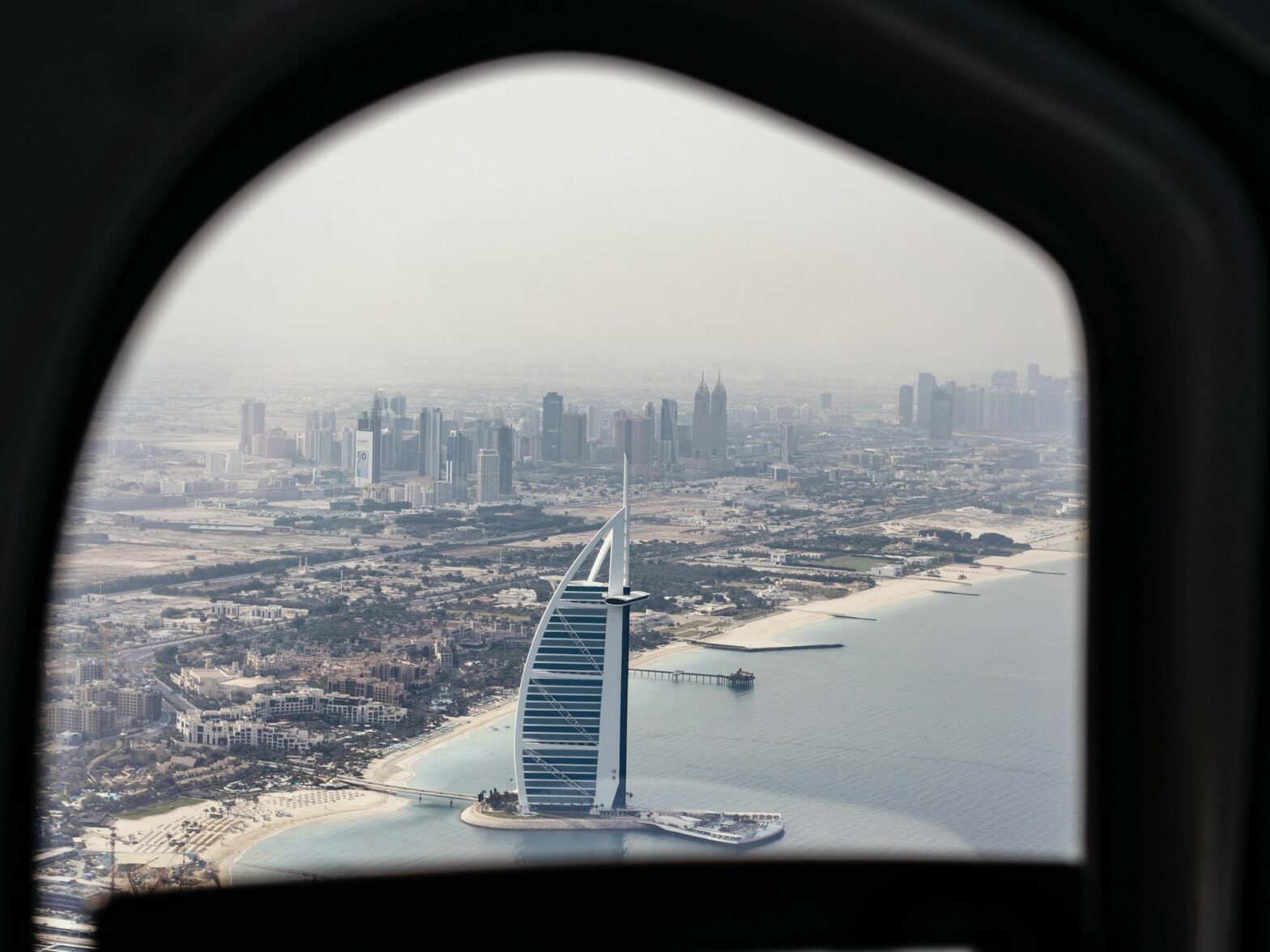
Hit with Western sanctions, Russian oligarchs are racing against time to relocate their assets to tax havens. They turn to private banks where transactions, opaque as they are in the UAE for instance, make it almost impossible to trace funds.
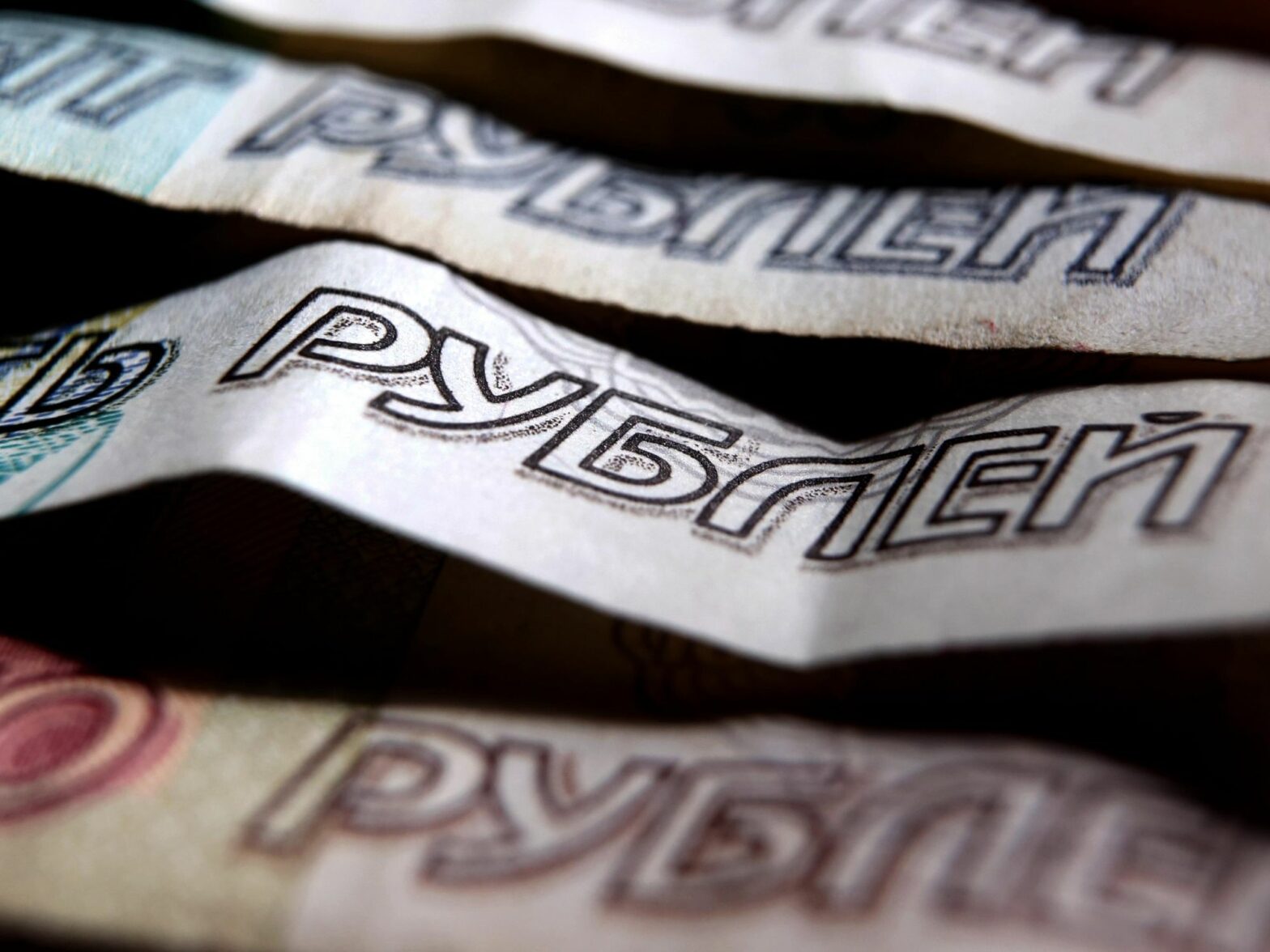
A default would be one of the clearest signals that the sanctions are having their intended effect on the Russian economy. But its impact on Russia’s ability to wage war in Ukraine may be another story.

Metaverses are introducing ownership and rarity to the internet for the first time in its history. It is already generating billions of dollars in transactions, but the risk is that it becomes a club exclusively for the wealthy.